
The Adoration of the Magi; verso: Saints Ursula and Sebald — História e Análise
Um grande salão está preenchido com uma radiação sobrenatural, onde o ar zune de devoção. Três figuras reais se curvam em reverência diante da criança, suas opulentas vestes drapeando-se elegantemente ao redor delas. A luz, uma intervenção divina, envolve a cena, intensificando a êxtase do momento e refletindo a admiração nos rostos dos espectadores. Olhe para o centro, onde a Virgem Maria embala o menino Cristo, irradiando serenidade em meio ao caos vibrante.
Note as ricas vestes em tons de joia dos Magos, seus detalhes intrincados e padrões atraindo o olhar. O artista emprega uma luz suave e difusa que acaricia as figuras, iluminando suas expressões de espanto e humildade. Cada gesto—os inclinações dos Magos, o abraço gentil de Maria—transmite uma profunda troca emocional, acentuada por uma composição cuidadosamente equilibrada. Aprofunde-se na simbologia dos Magos e nos presentes que oferecem; ouro, incenso e mirra evocam não apenas opulência, mas também prenunciam o sacrifício e a divindade de Cristo.
O contraste entre os tesouros terrenos e a pureza celestial da criança revela uma tensão entre materialismo e espiritualidade. Ao fundo, as figuras imponentes dos santos—Ursula e Sebald—permanecem como sentinelas, sua presença um lembrete da perseverança da fé em meio às distrações mundanas. Esta obra de arte surgiu por volta de 1470, durante um período de crescente humanismo e crescente interesse pela espiritualidade individual. A ética do Renascimento encorajava os artistas a explorar narrativas profundas através de suas composições, iluminando o divino através da experiência humana.
Este artista anônimo, trabalhando em um contexto rico em fervor religioso e evolução artística, captura um momento que transcende o tempo, convidando os espectadores a um espaço onde fé e maravilha se fundem.
Mais obras de Unidentified artist
Ver tudo →
Self-portrait with a Bandaged Ear and Pipe
Unidentified artist

Feast in the House of Levi
Unidentified artist
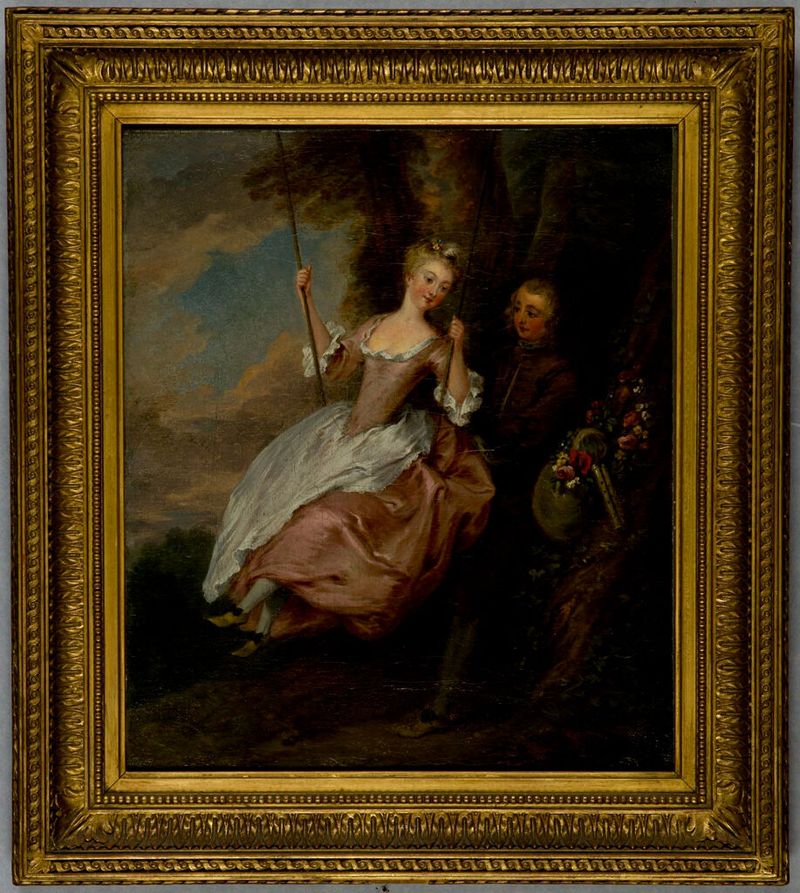
The Swing
Unidentified artist

Geoffrey Chaucer (1340?-1400)
Unidentified artist

Portrait of Michelangelo after the "Strozzi" original in the Uffizi Gallery
Unidentified artist
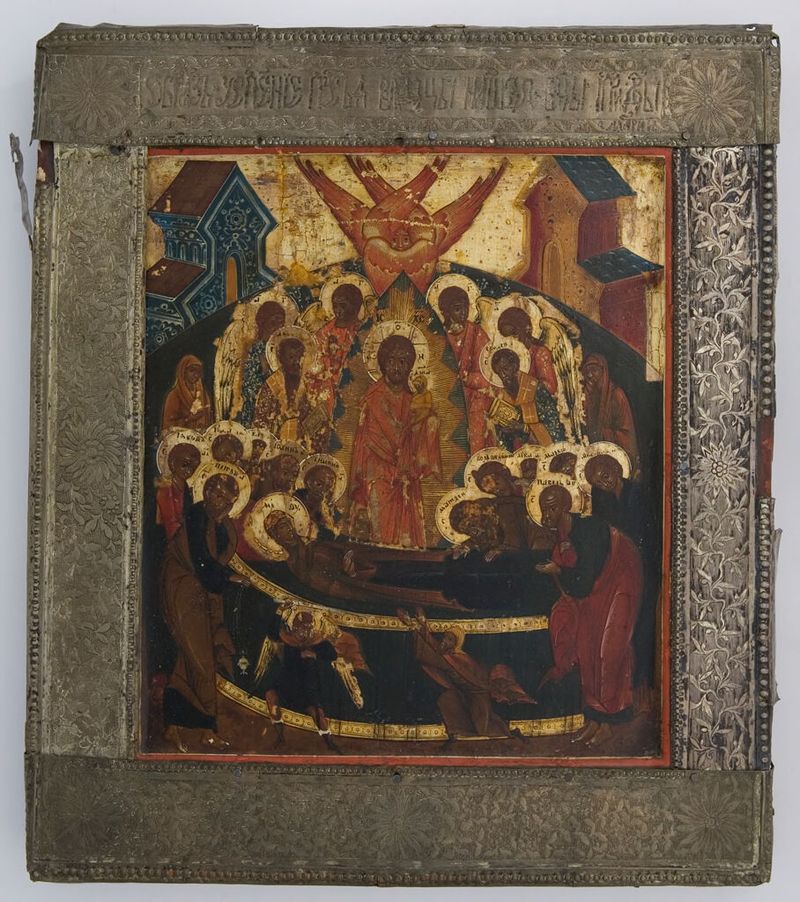
Dormition of the Virgin
Unidentified artist

Charles I (after a van Dyck painting in the Staatliche Museen, Gemaldegalerie, Dresden)
Unidentified artist

Madonna and Child
Unidentified artist

John Winthrop, the Younger (1606-1676)
Unidentified artist

Crucifix with the Virgin and Saint John the Evangelist, Christ the Redeemer, and a Praying Woman
Unidentified artist
Mais arte de Arte Religiosa
Ver tudo →
The Return of the Prodigal Son
Rembrandt van Rijn

The Garden of Earthly Delights
El Bosco

Count Orgaz’ funeral
El Greco

The Hundred Guilder Print: the central piece with Christ preaching, the plate arched
Rembrandt van Rijn

The Descent from the Cross
Rogier van der Weyden

The return of the prodigal son
Rembrandt van Rijn