
The Adoration of the Magi; verso: Saints Ursula and Sebald — History & Facts
A grand hall is filled with an otherworldly radiance, where the air buzzes with devotion. Three regal figures bow in reverence before the child, their opulent robes draping elegantly around them. The light, a divine intervention, envelops the scene, heightening the ecstasy of the moment and reflecting the awe on the spectators' faces. Look to the center, where the Virgin Mary cradles the Christ child, radiating serenity amidst the vibrant chaos.
Notice the rich, jewel-toned garments of the Magi, their intricate details and patterns drawing the eye. The artist employs a soft, diffused light that caresses the figures, illuminating their expressions of wonder and humility. Each gesture—the Magi’s bows, Mary’s gentle embrace—conveys a profound emotional exchange, enhanced by a carefully balanced composition. Delve deeper into the symbolism of the Magi and the gifts they bestow; gold, frankincense, and myrrh evoke not only opulence but also foreshadow the sacrifice and divinity of Christ.
The contrast between the earthly treasures and the celestial purity of the child reveals a tension between materialism and spirituality. In the background, the looming figures of saints—Ursula and Sebald—stand sentinel, their presence a reminder of faith’s perseverance amidst worldly distractions. This artwork emerged around 1470, during a time of burgeoning humanism and increasing interest in individual spirituality. The ethos of the Renaissance encouraged artists to explore profound narratives through their compositions, shedding light on the divine through the human experience.
This anonymous artist, working in a context rich with religious fervor and artistic evolution, captures a moment that transcends time, inviting viewers into a space where faith and wonder coalesce.
More Artworks by Unidentified artist
Browse all →
Self-portrait with a Bandaged Ear and Pipe
Unidentified artist

Feast in the House of Levi
Unidentified artist
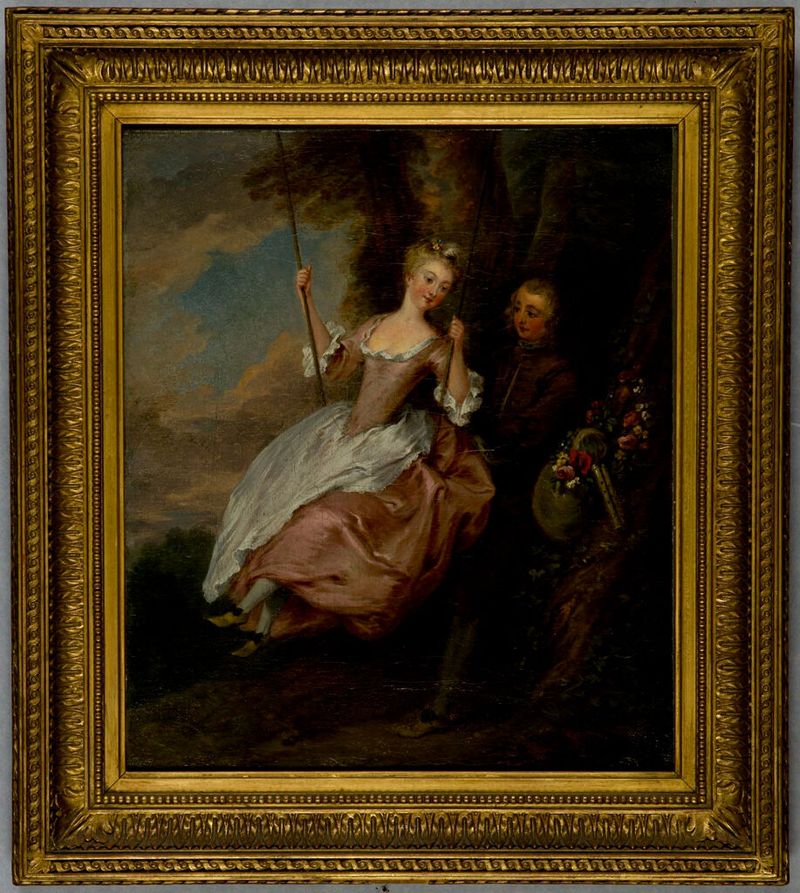
The Swing
Unidentified artist

Geoffrey Chaucer (1340?-1400)
Unidentified artist

Portrait of Michelangelo after the "Strozzi" original in the Uffizi Gallery
Unidentified artist
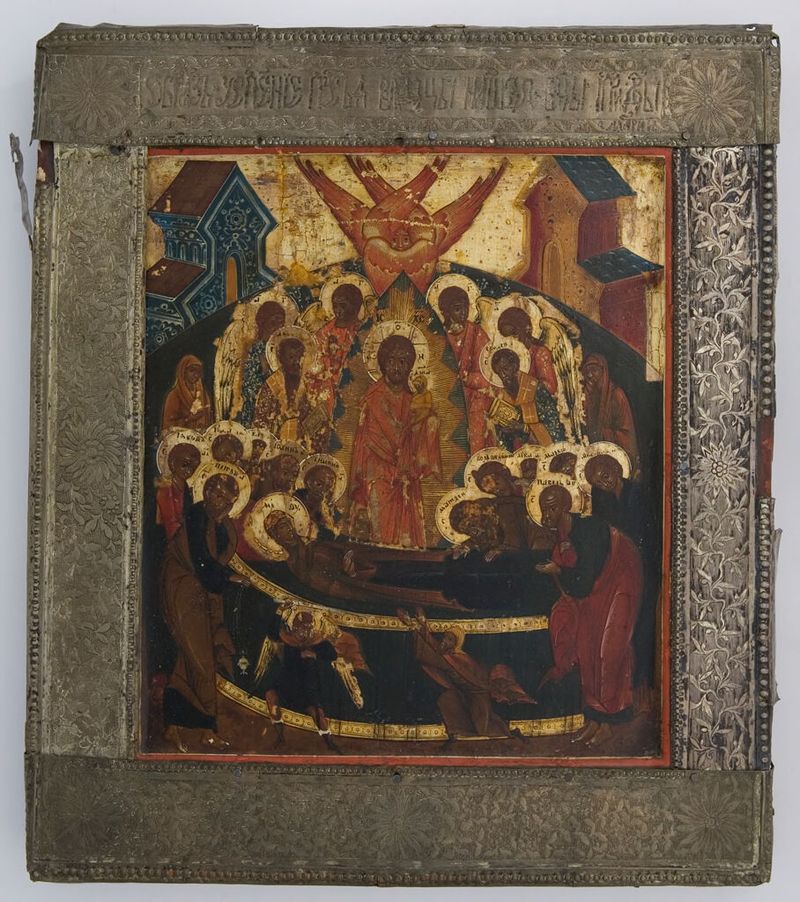
Dormition of the Virgin
Unidentified artist

Charles I (after a van Dyck painting in the Staatliche Museen, Gemaldegalerie, Dresden)
Unidentified artist

Madonna and Child
Unidentified artist

John Winthrop, the Younger (1606-1676)
Unidentified artist

Crucifix with the Virgin and Saint John the Evangelist, Christ the Redeemer, and a Praying Woman
Unidentified artist
More Religious Art
Browse all →
The Return of the Prodigal Son
Rembrandt van Rijn

The Garden of Earthly Delights
El Bosco

Count Orgaz’ funeral
El Greco

The Hundred Guilder Print: the central piece with Christ preaching, the plate arched
Rembrandt van Rijn

The Descent from the Cross
Rogier van der Weyden

The return of the prodigal son
Rembrandt van Rijn