
The Geographer — História e Análise
Welcome, everyone. Before us is Johannes Vermeer’s The Geographer (1669), a striking departure from his more familiar domestic interiors. Here, we encounter a man of science, caught in a moment of intellectual discovery.
Notice how he leans forward, one hand resting on the table, the other holding a compass, as if he has just paused in thought. His upward gaze suggests a sudden idea or revelation, giving the scene a sense of movement and curiosity rarely seen in Vermeer’s work. Observe the rich details surrounding him: maps draped across the wall, a globe, books, and navigational instruments—all symbols of the expanding knowledge and exploration of the 17th century. The light, as always, enters from the left, illuminating his face and workspace with clarity and purpose.
Vermeer uses this light not only to define form, but to emphasize intellect itself, casting the geographer as a figure enlightened both literally and metaphorically. What makes this painting so compelling is its celebration of human inquiry. Unlike the quiet, introspective figures of his domestic scenes, this subject embodies action of the mind—a moment of thinking, discovering, understanding. Vermeer elevates the pursuit of knowledge into something almost poetic, transforming a scholar at work into a timeless symbol of curiosity and the desire to comprehend the world.
Mais obras de Johannes Vermeer
Ver tudo →
View of Delft
Johannes Vermeer

Girl with a Pearl Earring
Johannes Vermeer
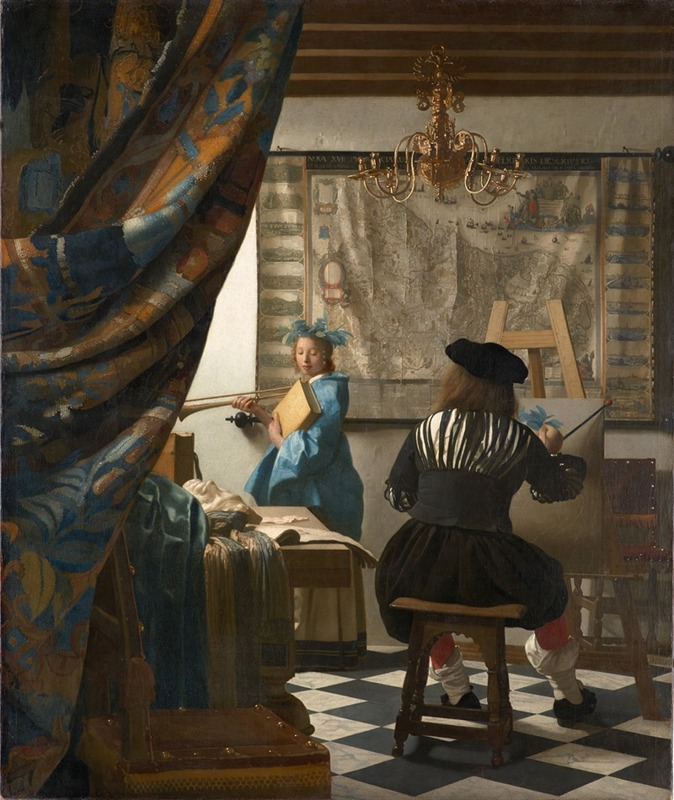
The Art of Painting
Johannes Vermeer
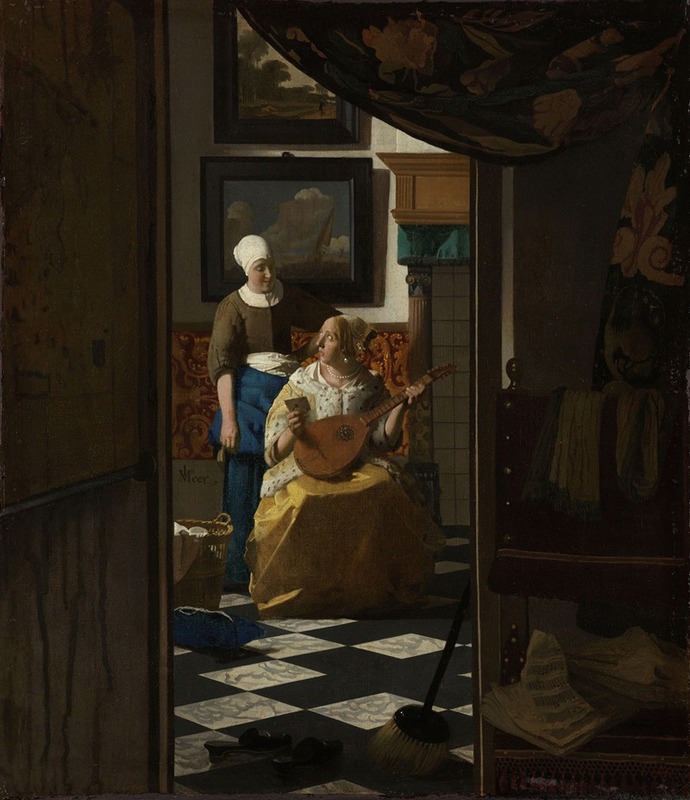
The Love Letter
Johannes Vermeer

View of Houses in Delft, Known as ‘The Little Street’
Johannes Vermeer

The Milkmaid
Johannes Vermeer

View of Houses in Delft, Known as ‘The Little Street’
Johannes Vermeer
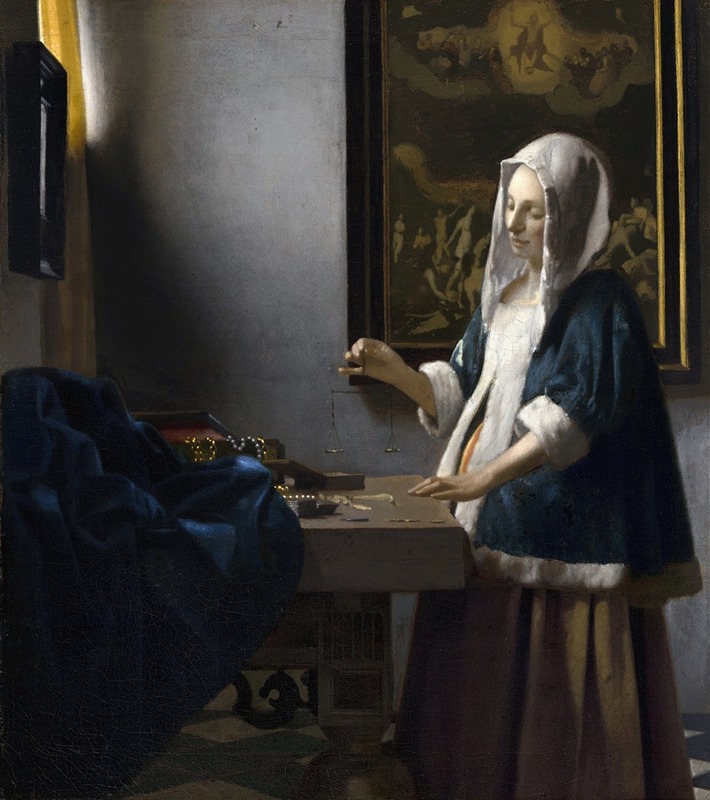
Woman Holding a Balance
Johannes Vermeer

The Love Letter
Johannes Vermeer
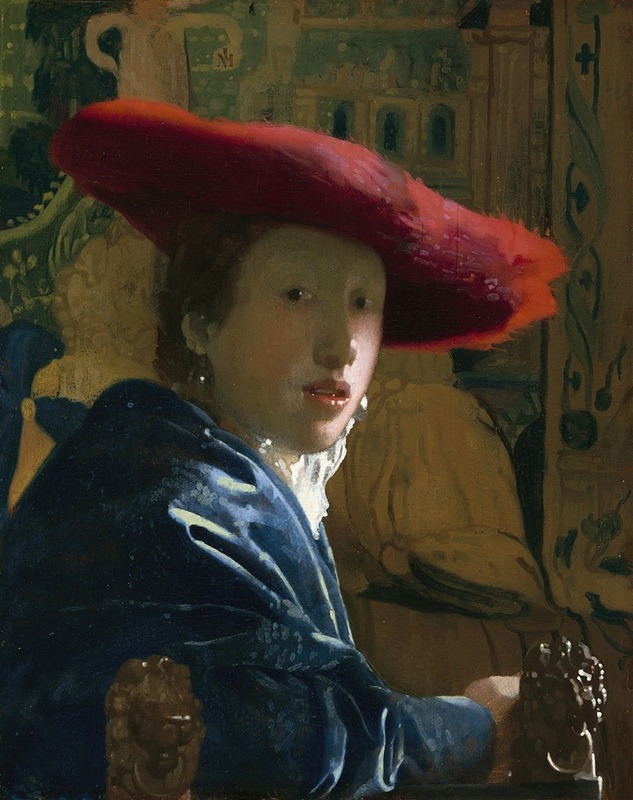
Girl with the Red Hat
Johannes Vermeer




