
The Pink (Tokonatsu), Illustration to Chapter 26 of the Tale of Genji (Genji monogatari) — História e Análise
A beleza pode sobreviver em um século de caos? Nos delicados traços desta ilustração do período Muromachi, a interação de luz e sombra convida à contemplação da impermanência e da graça em meio à turbulência. Olhe para o centro, onde está a figura envolta em vestes fluidas, o tecido vibrante com sutis matizes de rosa e ouro. Tosa Mitsunobu captura magistralmente os padrões intrincados da vestimenta, onde cada pregueado parece sussurrar os segredos da vida na corte.
Note como o suave trabalho de pincel dá vida à cena, com as cores brilhando contra o fundo pálido, enquanto as sombras se aprofundam nas bordas, criando um casulo de espaço íntimo que destaca a postura do sujeito. À medida que seu olhar vagueia, observe os detalhes tênues, mas significativos: as expressões das figuras ao fundo, seus rostos envoltos em camadas semi-transparentes, falam do peso emocional de testemunhar a beleza. Os contrastes entre a vivacidade do primeiro plano e os tons suaves do entorno sugerem uma tensão entre presença e ausência, alegria e tristeza.
Essa dualidade ressoa com os temas narrativos de amor e perda, insinuando a natureza agridoce da beleza efêmera. Nos anos de 1509-1510, Tosa Mitsunobu criou esta ilustração em um período em que o período Muromachi era marcado por conflitos políticos e florescimento cultural. O mundo da arte estava evoluindo, afastando-se das formas rígidas do passado para um reino onde estilos expressivos floresciam.
Mitsunobu, uma figura proeminente da escola Tosa, foi influenciado por essas marés em mudança, infundindo técnicas tradicionais com uma nova sensibilidade que capturava as complexidades da emoção humana em meio ao caos social.
Mais obras de Tosa Mitsunobu
Ver tudo →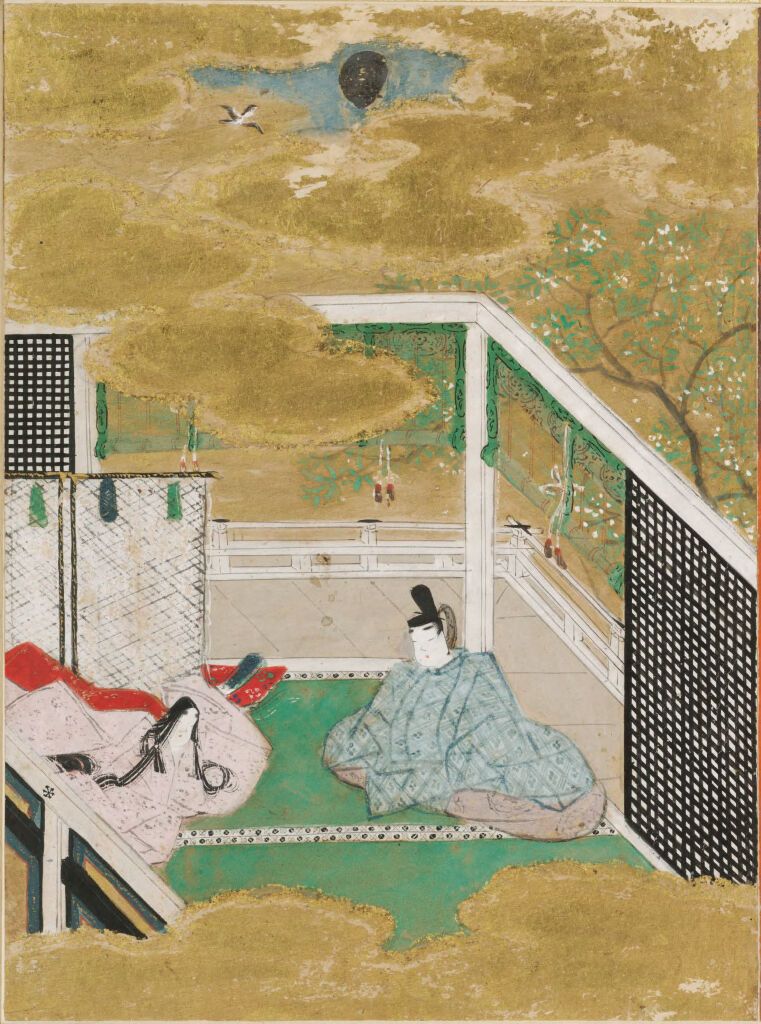
Falling Flowers (Hanachirusato), Illustration to Chapter 11 of the Tale of Genji (Genji monogatari)
Tosa Mitsunobu
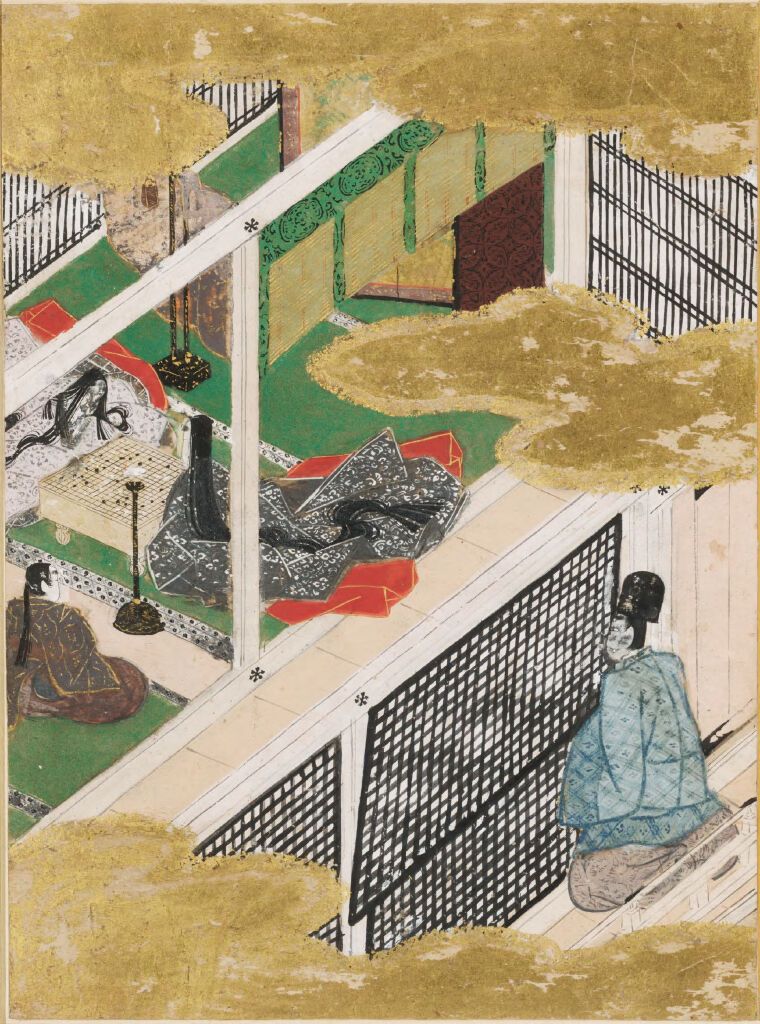
The Cicada Shell (Utsusemi), Illustration to Chapter 3 of the Tale of Genji (Genji monogatari)
Tosa Mitsunobu
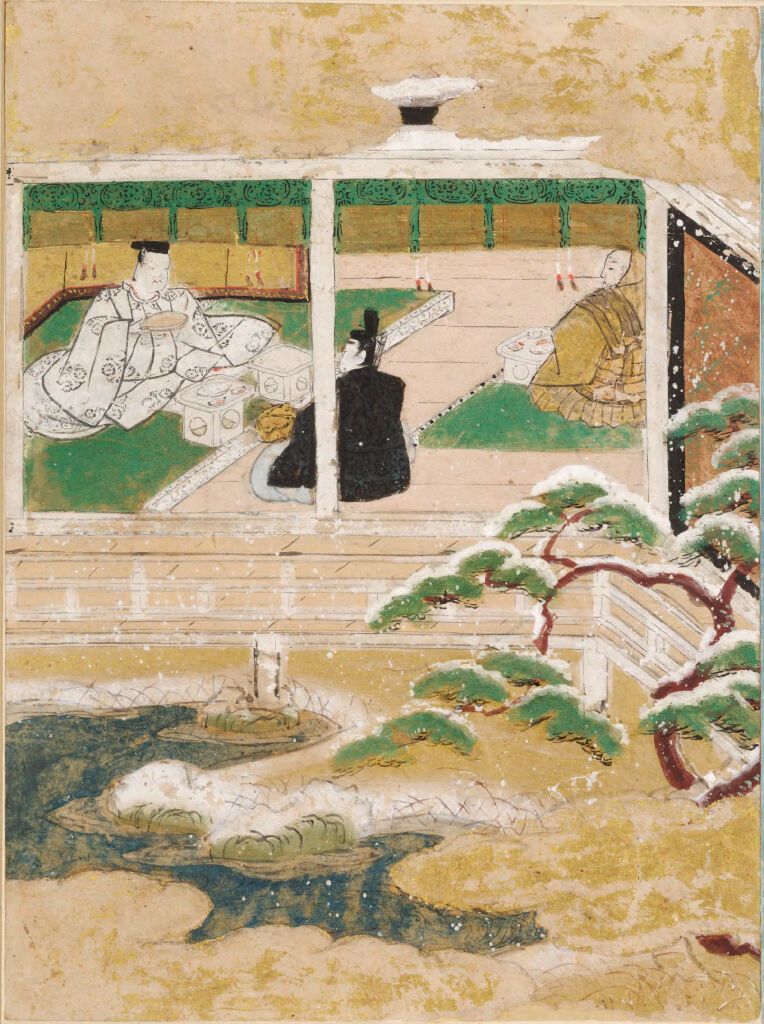
The Seer (Maboroshi), Illustration to Chapter 41 of the Tale of Genji (Genji monogatari)
Tosa Mitsunobu
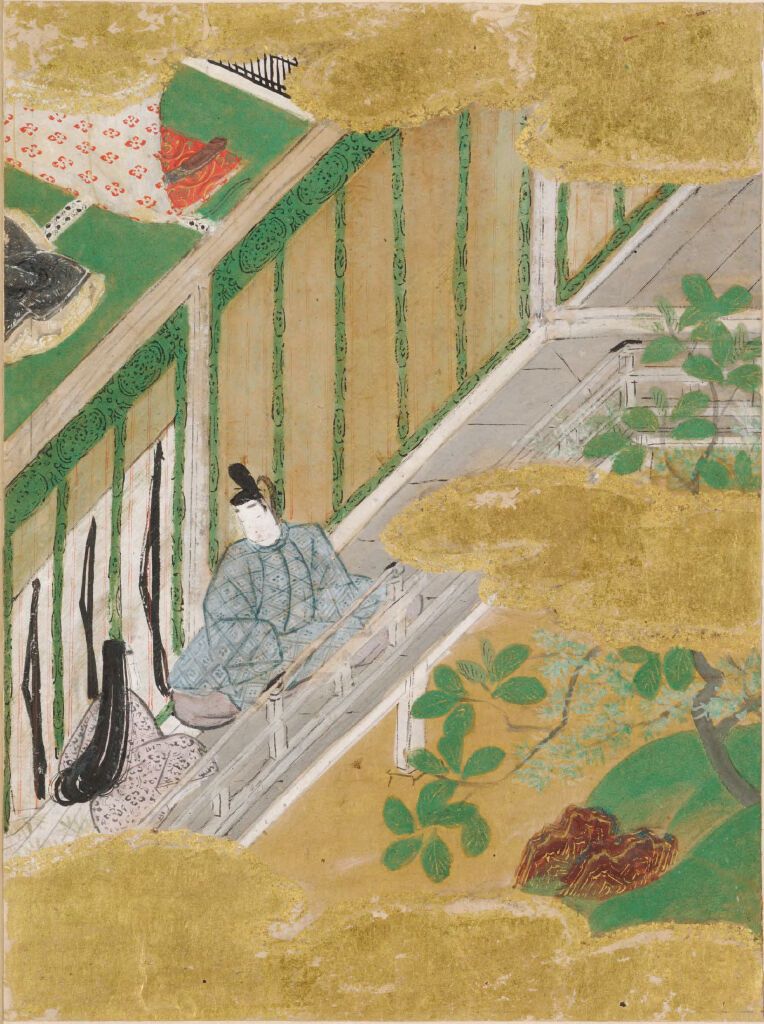
The Oak Tree (Kashiwagi), Illustration to Chapter 36 of the Tale of Genji (Genji monogatari)
Tosa Mitsunobu
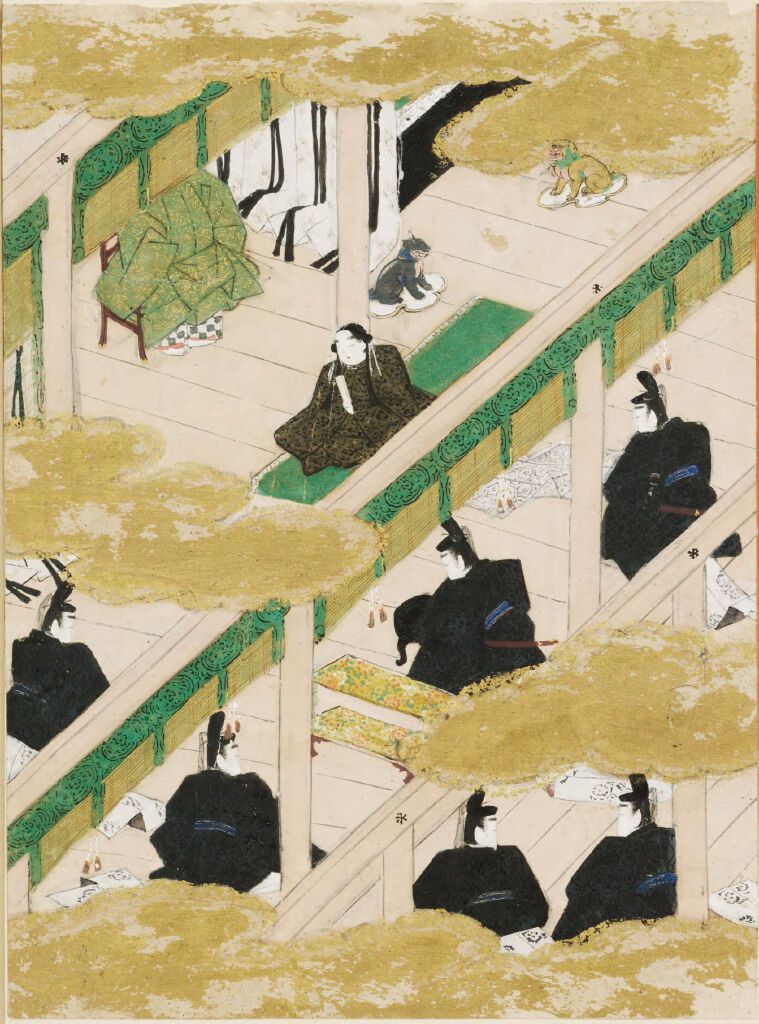
The Paulownia Pavilion (Kiritsubo), Illustration to Chapter 1 of the Tale of Genji (Genji monogatari)
Tosa Mitsunobu
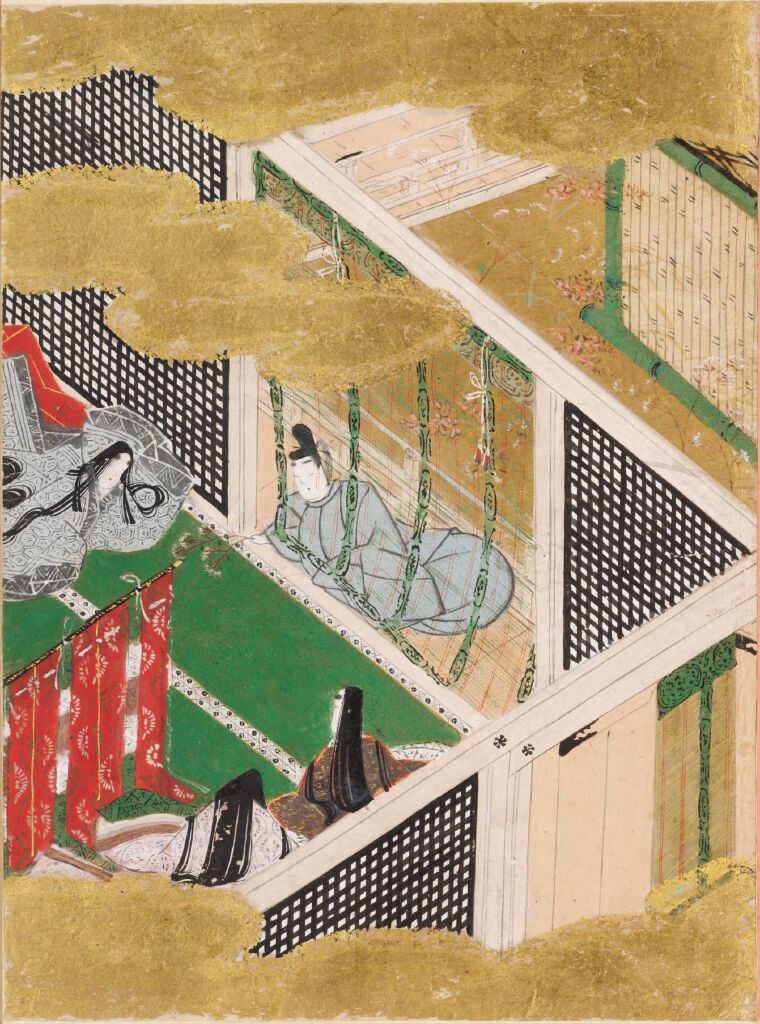
Thoroughwort Flowers (Fujibakama), Illustration to Chapter 30 of the Tale of Genji (Genji monogatari)
Tosa Mitsunobu

Under the Cherry Blossoms (Hana no En), Illustration to Chapter 8 of the Tale of Genji (Genji monogatari)
Tosa Mitsunobu

The Pilgrimage to Sumiyoshi (Miotsukushi), Illustration to Chapter 14 of the Tale of Genji (Genji monogatari)
Tosa Mitsunobu
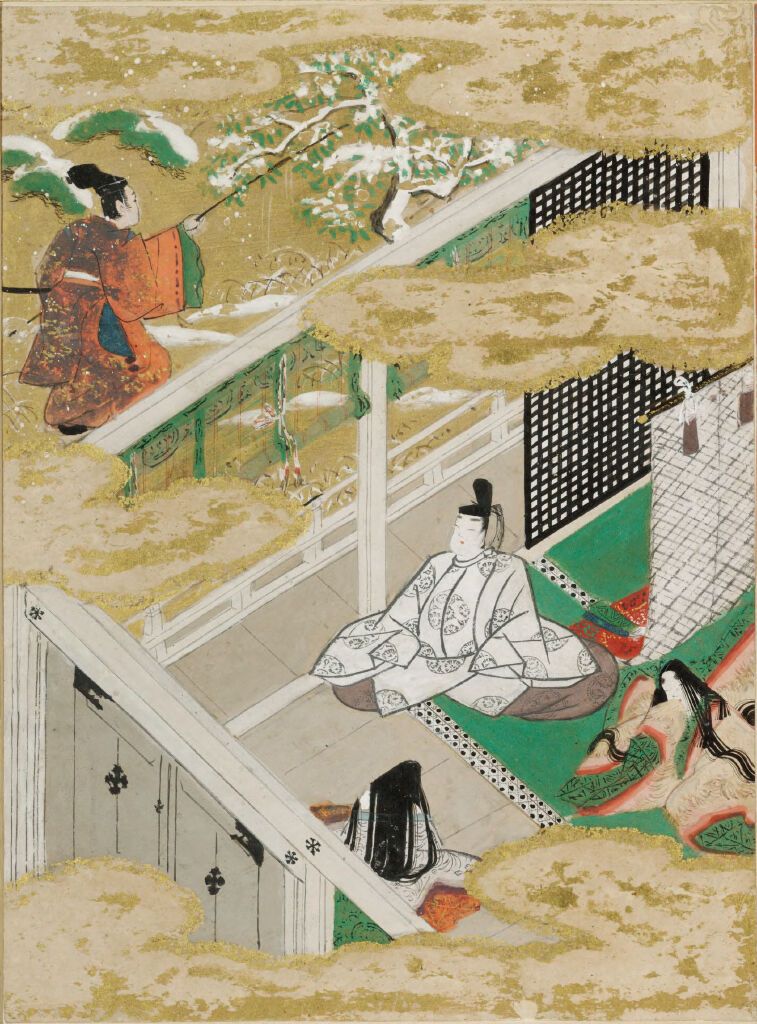
The Safflower (Suetsumuhana), Illustration to Chapter 6 of the Tale of Genji (Genji monogatari)
Tosa Mitsunobu
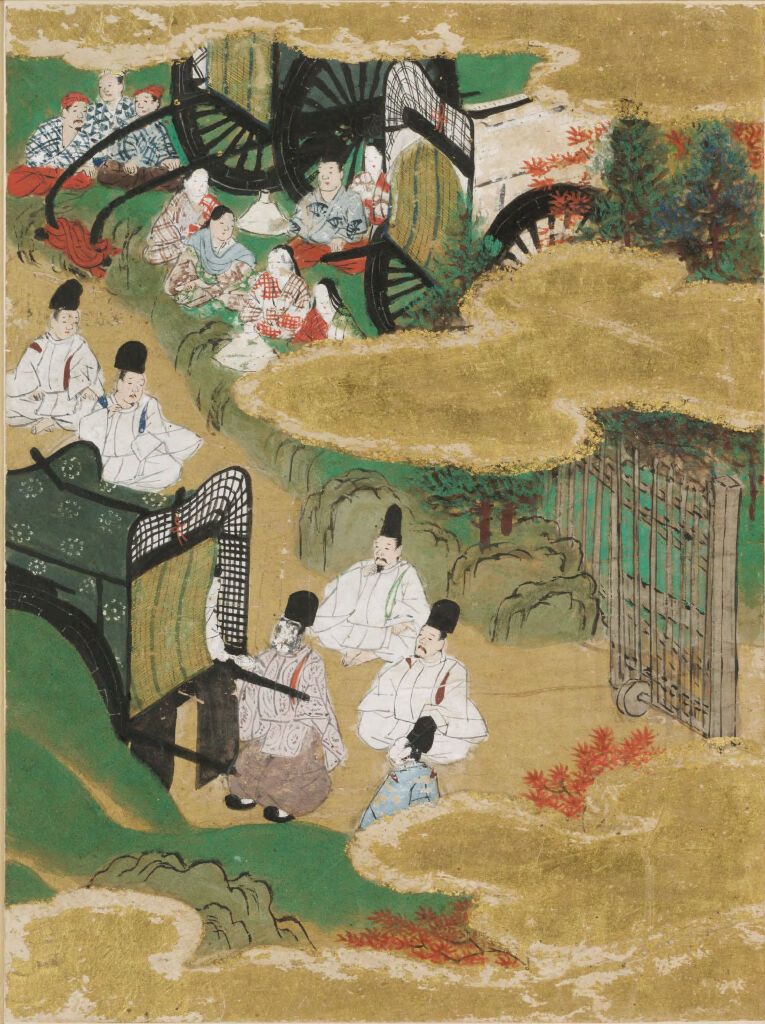
At the Pass (Sekiya), Illustration to Chapter 16 of the Tale of Genji (Genji monogatari)
Tosa Mitsunobu
Mais arte de Ilustração
Ver tudo →Falling Flowers (Hanachirusato), Illustration to Chapter 11 of the Tale of Genji (Genji monogatari)
Tosa Mitsunobu
The Cicada Shell (Utsusemi), Illustration to Chapter 3 of the Tale of Genji (Genji monogatari)
Tosa Mitsunobu
The Seer (Maboroshi), Illustration to Chapter 41 of the Tale of Genji (Genji monogatari)
Tosa Mitsunobu
The Oak Tree (Kashiwagi), Illustration to Chapter 36 of the Tale of Genji (Genji monogatari)
Tosa Mitsunobu
The Paulownia Pavilion (Kiritsubo), Illustration to Chapter 1 of the Tale of Genji (Genji monogatari)
Tosa Mitsunobu
Thoroughwort Flowers (Fujibakama), Illustration to Chapter 30 of the Tale of Genji (Genji monogatari)
Tosa Mitsunobu