
The Eastern Cottage (Azumaya), Illustration to Chapter 50 of the Tale of Genji (Genji monogatari) — História e Análise
Um único pincelada pode conter a eternidade? Em A Cabana Oriental, Tosa Mitsunobu captura magistralmente a essência da nostalgia, convidando os espectadores a um momento imerso em memória e anseio. Olhe de perto a paisagem serena — uma cabana tranquila aninhada entre graciosas árvores de salgueiro. As linhas delicadas da estrutura guiam seu olhar para as suaves ondas da água abaixo, onde sutis reflexos brilham como segredos sussurrados. Note como a paleta suave, infundida com verdes suaves e tons terrosos quentes, evoca um senso de harmonia e paz, cada pincelada meticulosamente colocada para criar um ritmo natural que atrai o olhar pela composição. Esta ilustração revela camadas mais profundas de significado, refletindo a transitoriedade e a passagem do tempo.
A qualidade etérea das nuvens pairando acima sugere uma impermanência, enquanto a cabana em si se ergue como um testemunho do espírito duradouro da natureza e da experiência humana. A justaposição do céu efêmero e da moradia sólida sublinha uma tensão entre o desejo pelo passado e a inevitabilidade da mudança. Tosa Mitsunobu criou esta obra durante o período Muromachi, por volta de 1509-1510, uma época marcada pelo florescimento das artes no Japão. A era foi definida por uma mistura de influências chinesas e o surgimento de estéticas japonesas únicas.
Mitsunobu, uma figura proeminente da escola Tosa, dedicou-se a reviver a pintura tradicional japonesa, utilizando esta obra para unir a narrativa literária e a arte visual, tudo enquanto refletia as sensibilidades culturais de seu tempo.
Mais obras de Tosa Mitsunobu
Ver tudo →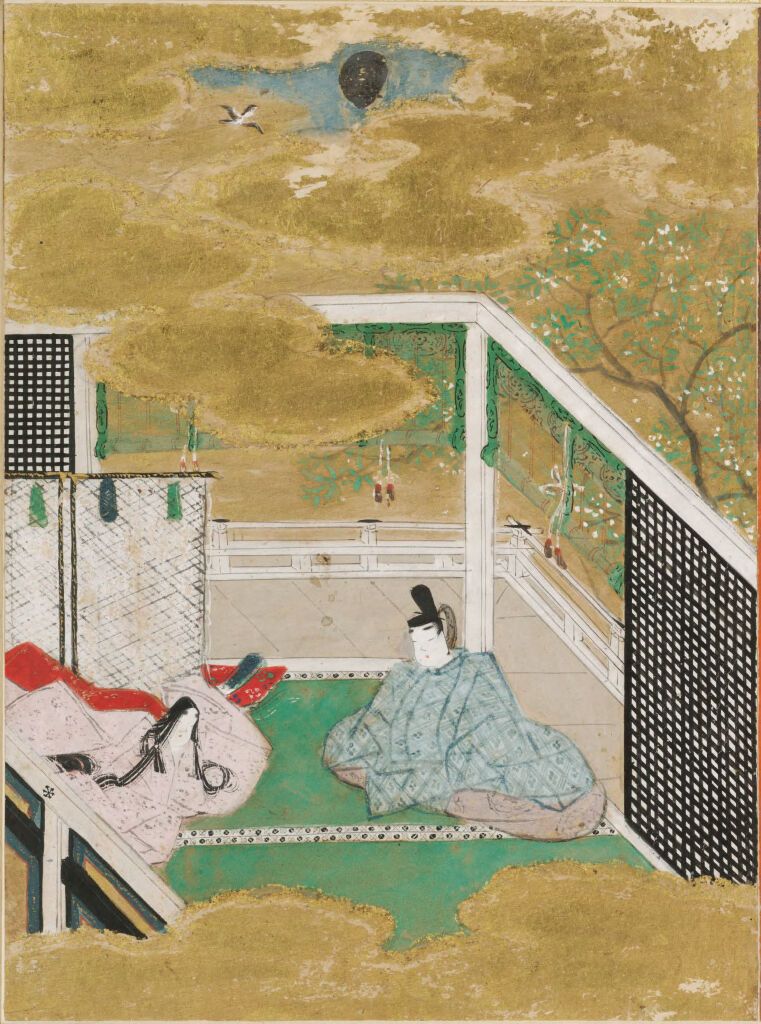
Falling Flowers (Hanachirusato), Illustration to Chapter 11 of the Tale of Genji (Genji monogatari)
Tosa Mitsunobu
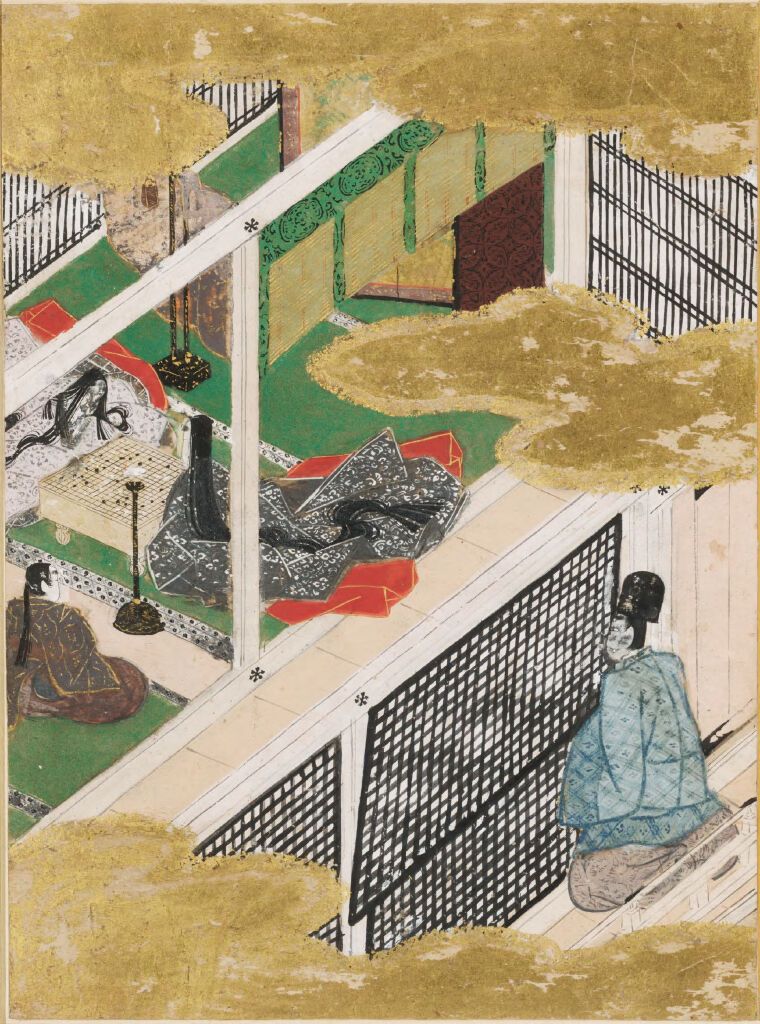
The Cicada Shell (Utsusemi), Illustration to Chapter 3 of the Tale of Genji (Genji monogatari)
Tosa Mitsunobu
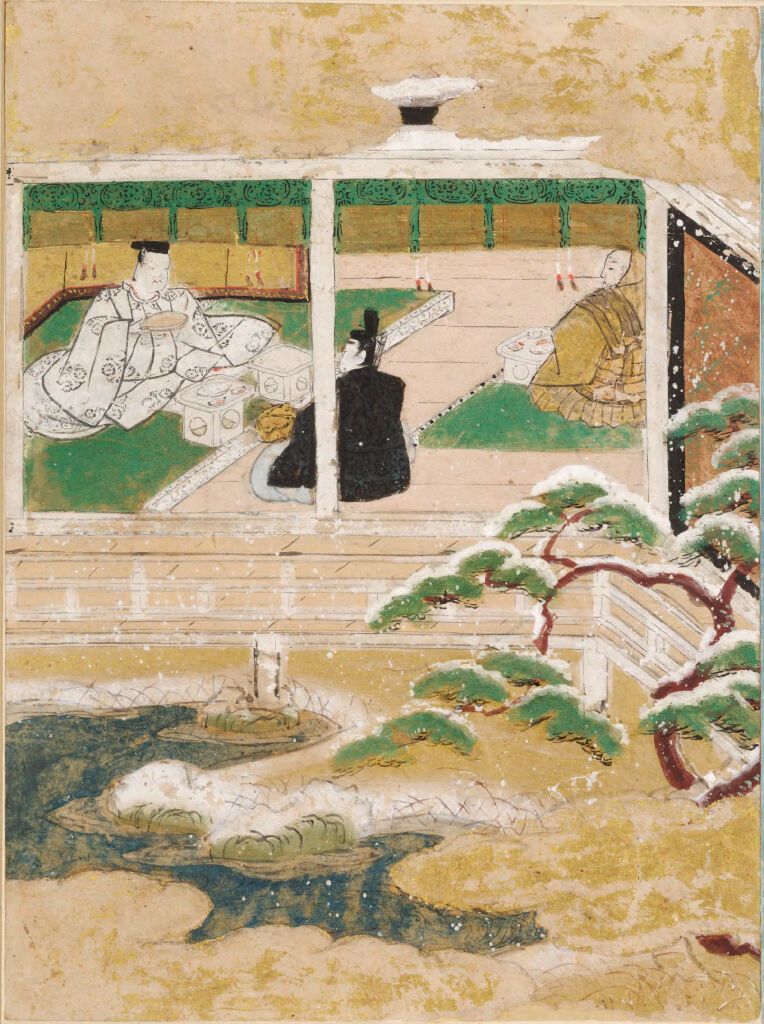
The Seer (Maboroshi), Illustration to Chapter 41 of the Tale of Genji (Genji monogatari)
Tosa Mitsunobu
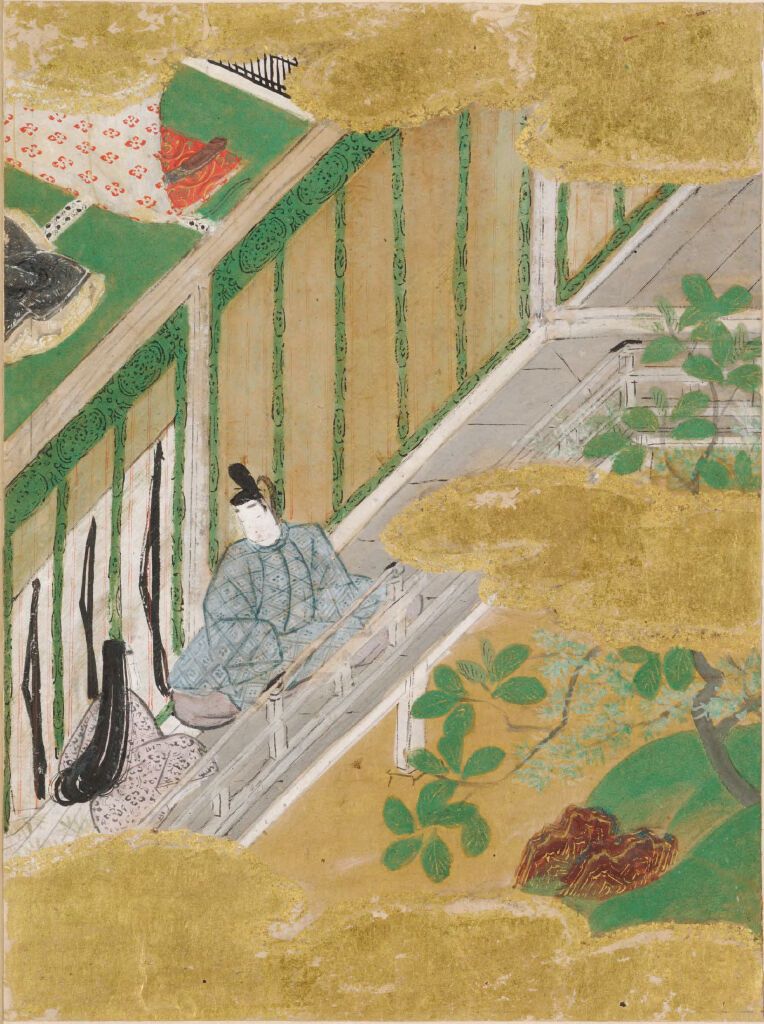
The Oak Tree (Kashiwagi), Illustration to Chapter 36 of the Tale of Genji (Genji monogatari)
Tosa Mitsunobu
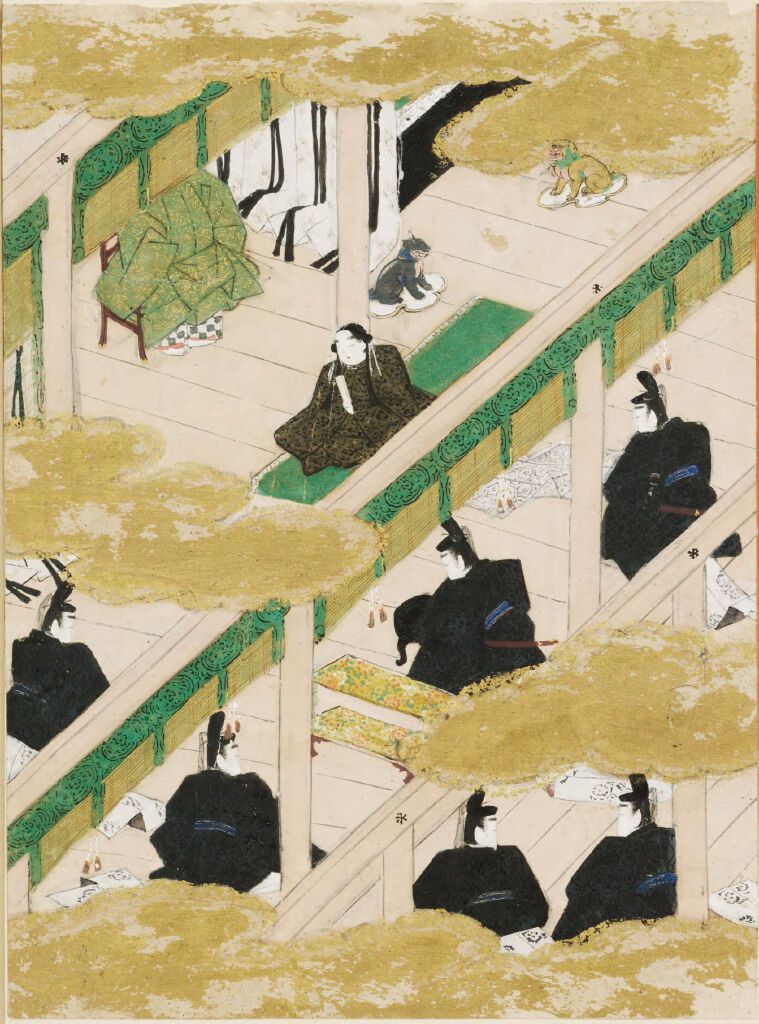
The Paulownia Pavilion (Kiritsubo), Illustration to Chapter 1 of the Tale of Genji (Genji monogatari)
Tosa Mitsunobu
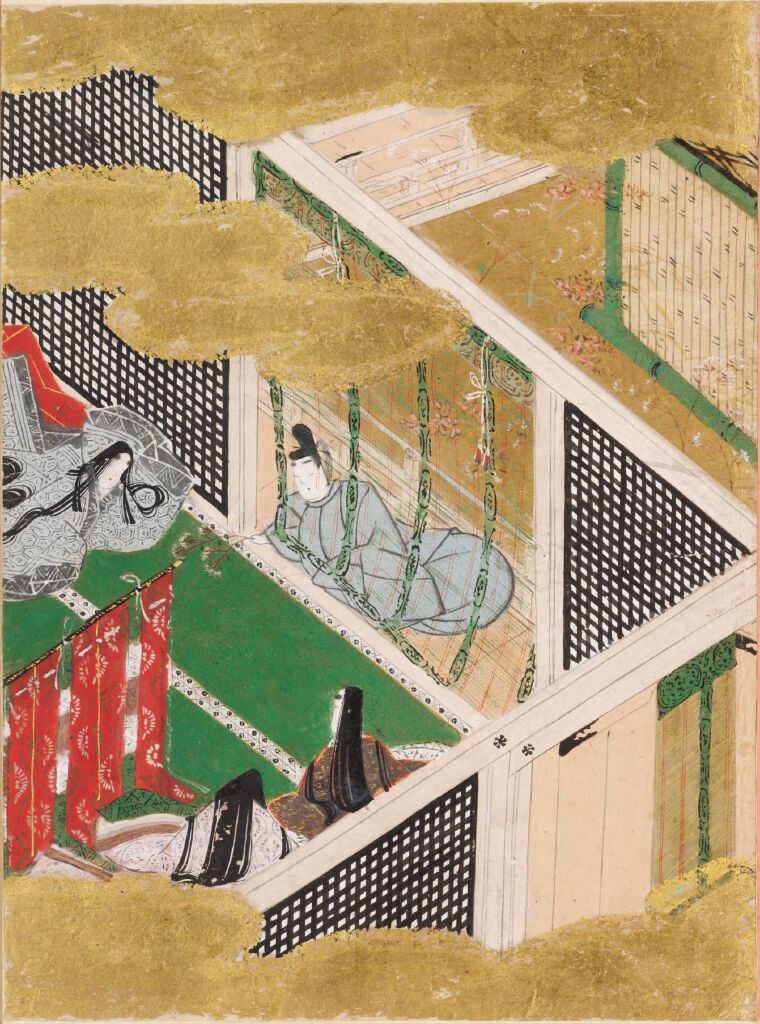
Thoroughwort Flowers (Fujibakama), Illustration to Chapter 30 of the Tale of Genji (Genji monogatari)
Tosa Mitsunobu

Under the Cherry Blossoms (Hana no En), Illustration to Chapter 8 of the Tale of Genji (Genji monogatari)
Tosa Mitsunobu

The Pilgrimage to Sumiyoshi (Miotsukushi), Illustration to Chapter 14 of the Tale of Genji (Genji monogatari)
Tosa Mitsunobu
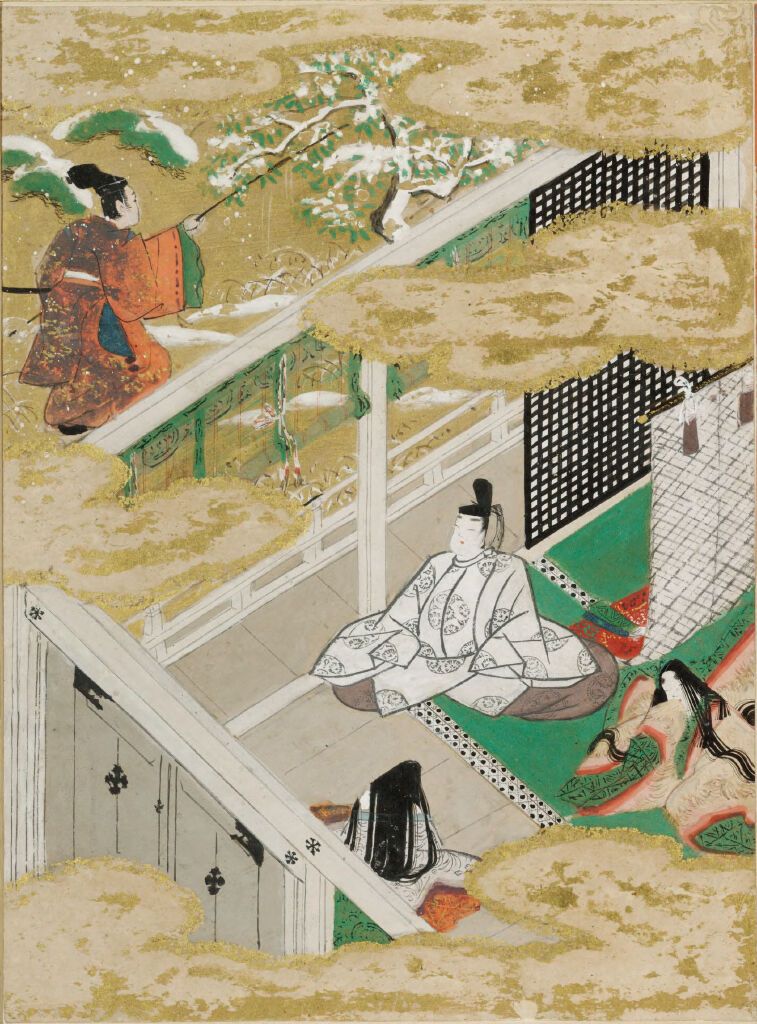
The Safflower (Suetsumuhana), Illustration to Chapter 6 of the Tale of Genji (Genji monogatari)
Tosa Mitsunobu
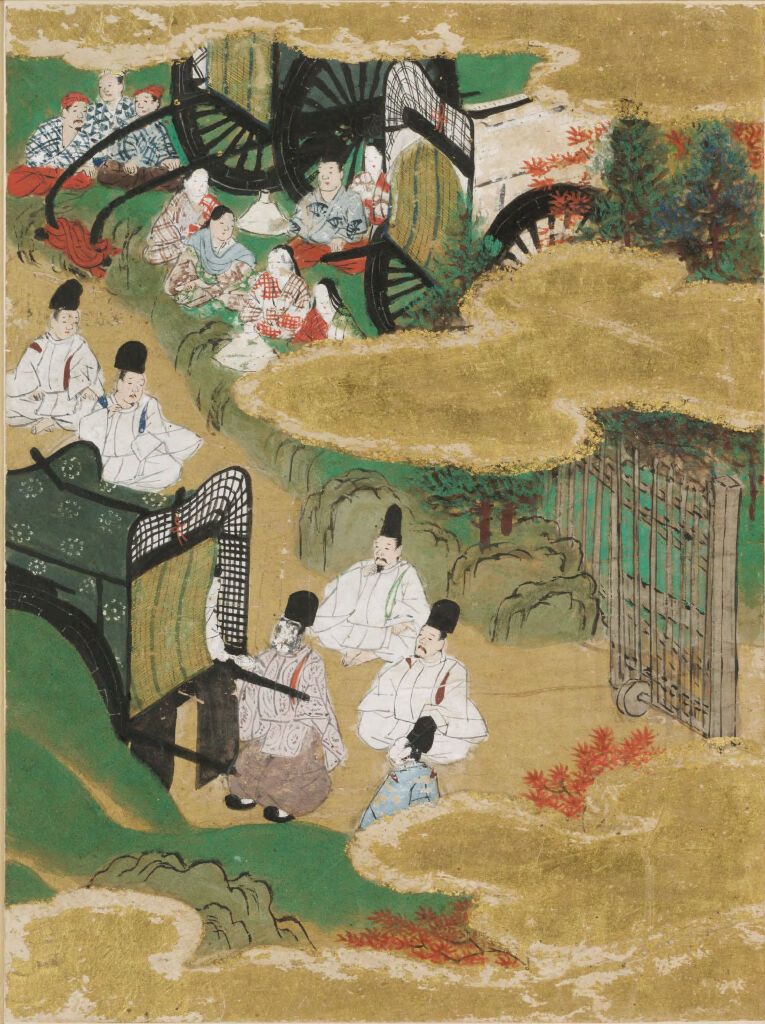
At the Pass (Sekiya), Illustration to Chapter 16 of the Tale of Genji (Genji monogatari)
Tosa Mitsunobu
Mais arte de Ilustração
Ver tudo →Falling Flowers (Hanachirusato), Illustration to Chapter 11 of the Tale of Genji (Genji monogatari)
Tosa Mitsunobu
The Cicada Shell (Utsusemi), Illustration to Chapter 3 of the Tale of Genji (Genji monogatari)
Tosa Mitsunobu
The Seer (Maboroshi), Illustration to Chapter 41 of the Tale of Genji (Genji monogatari)
Tosa Mitsunobu
The Oak Tree (Kashiwagi), Illustration to Chapter 36 of the Tale of Genji (Genji monogatari)
Tosa Mitsunobu
The Paulownia Pavilion (Kiritsubo), Illustration to Chapter 1 of the Tale of Genji (Genji monogatari)
Tosa Mitsunobu
Thoroughwort Flowers (Fujibakama), Illustration to Chapter 30 of the Tale of Genji (Genji monogatari)
Tosa Mitsunobu