Young Woman with a Lute — História e Análise
Welcome, everyone. Before us is Johannes Vermeer’s Young Woman with a Lute (c. 1662–1663), a refined and intimate portrayal of music, light, and anticipation.
Notice how the soft daylight streams in from the window on the left, gently illuminating the young woman as she pauses with her lute. Her body is turned slightly toward the light, as if she has just been interrupted—or perhaps is waiting for someone—creating a quiet sense of expectation within the scene. Take a closer look at the details: the rich textures of the carpet draped over the table, the subtle gleam of the instrument, and the delicate rendering of her clothing. Behind her hangs a large map, a recurring element in Vermeer’s work, hinting at themes of exploration and the wider world beyond this intimate interior.
The composition is carefully balanced, guiding your eye from the instrument to her face, and then outward into the softly lit space, reinforcing a sense of calm and harmony. What makes this painting so compelling is its stillness. Vermeer captures not action, but a suspended moment—filled with possibility, music yet to be played, a story yet to unfold. Through his masterful control of light and atmosphere, he transforms a simple domestic scene into a poetic meditation on time, presence, and the quiet beauty of everyday life.
Mais obras de Johannes Vermeer
Ver tudo →
View of Delft
Johannes Vermeer

Girl with a Pearl Earring
Johannes Vermeer
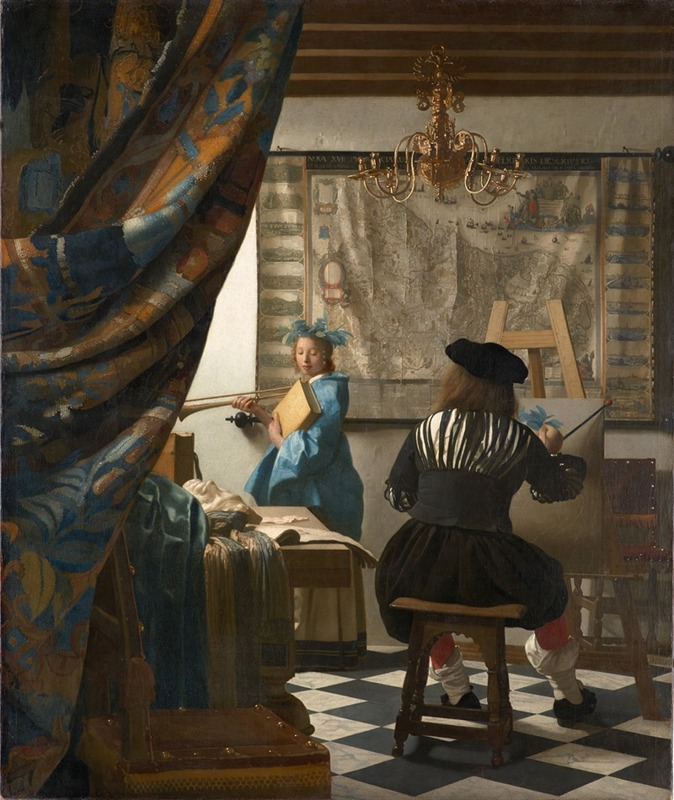
The Art of Painting
Johannes Vermeer
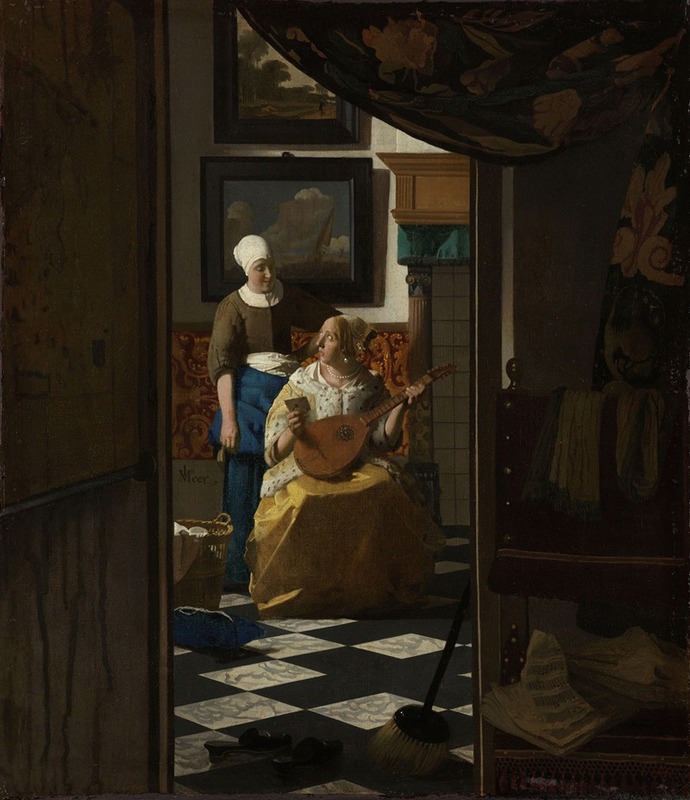
The Love Letter
Johannes Vermeer

View of Houses in Delft, Known as ‘The Little Street’
Johannes Vermeer

The Milkmaid
Johannes Vermeer

View of Houses in Delft, Known as ‘The Little Street’
Johannes Vermeer
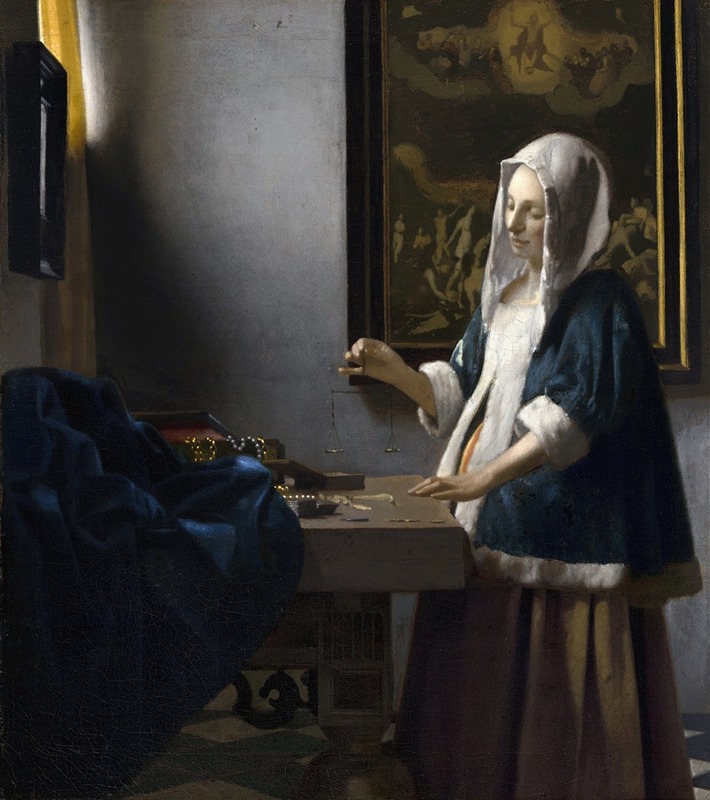
Woman Holding a Balance
Johannes Vermeer

The Love Letter
Johannes Vermeer
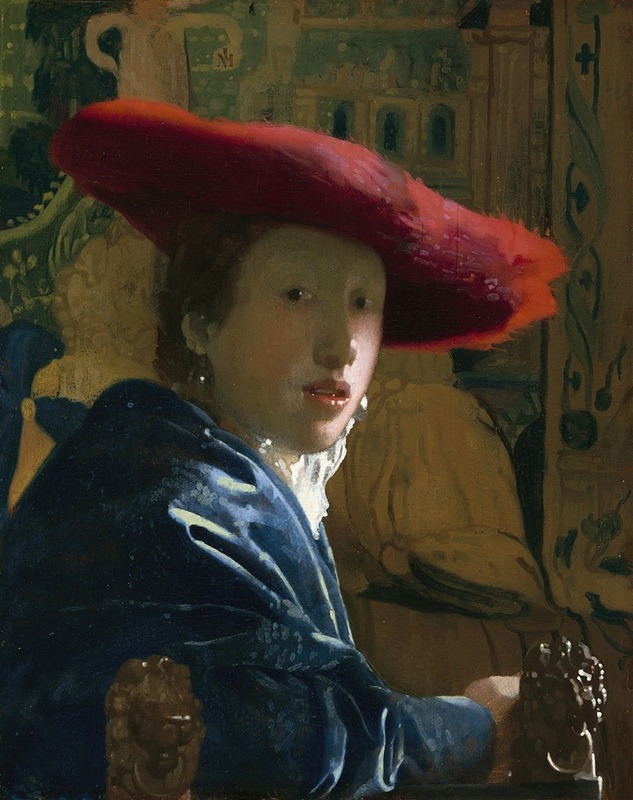
Girl with the Red Hat
Johannes Vermeer