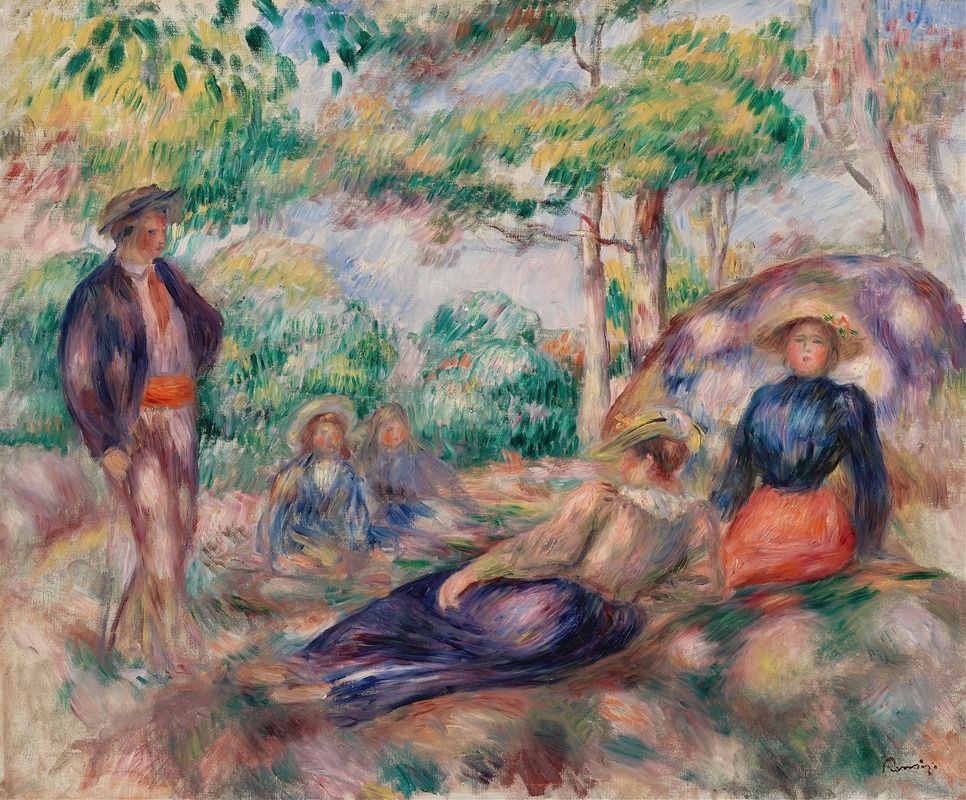
Откройте для себя информацию об этом произведении
A crowd forming a circle — История и факты
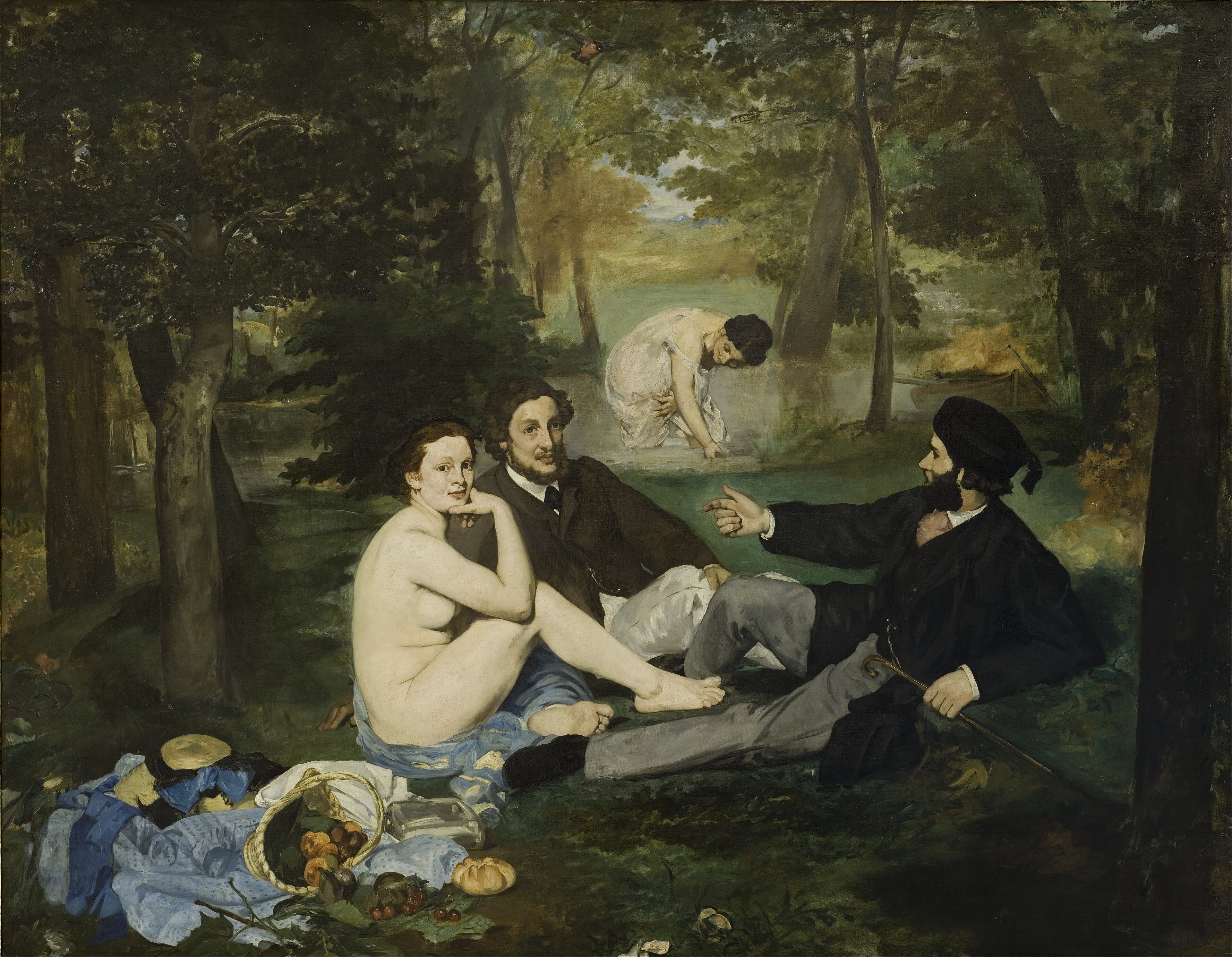
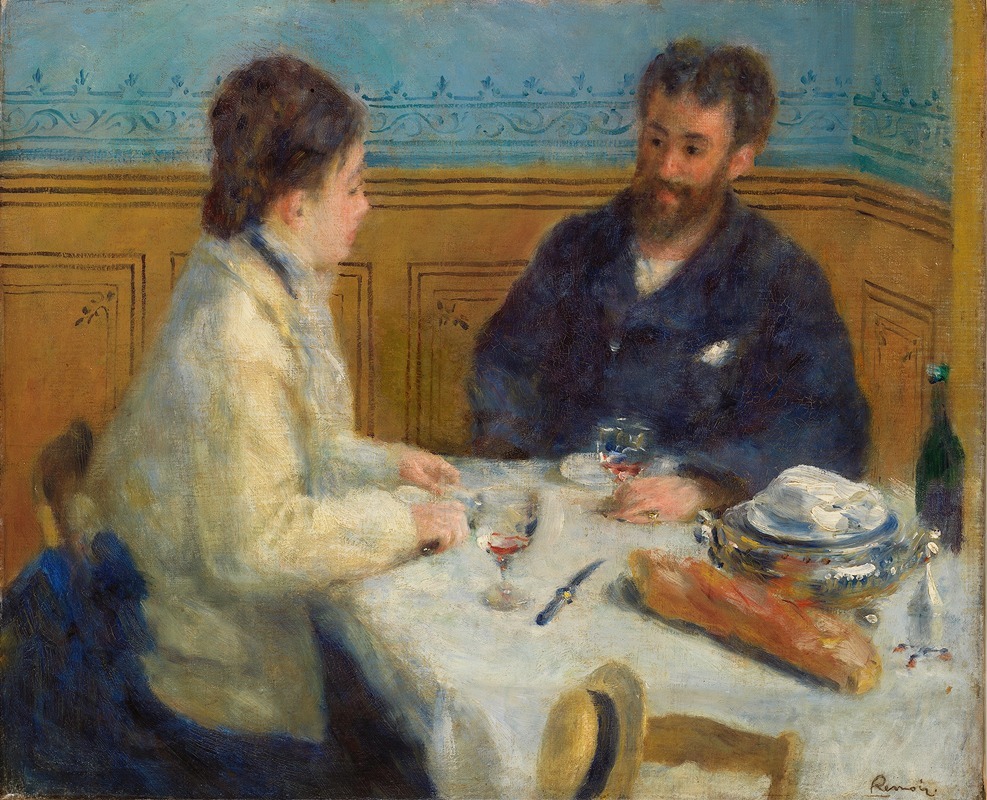
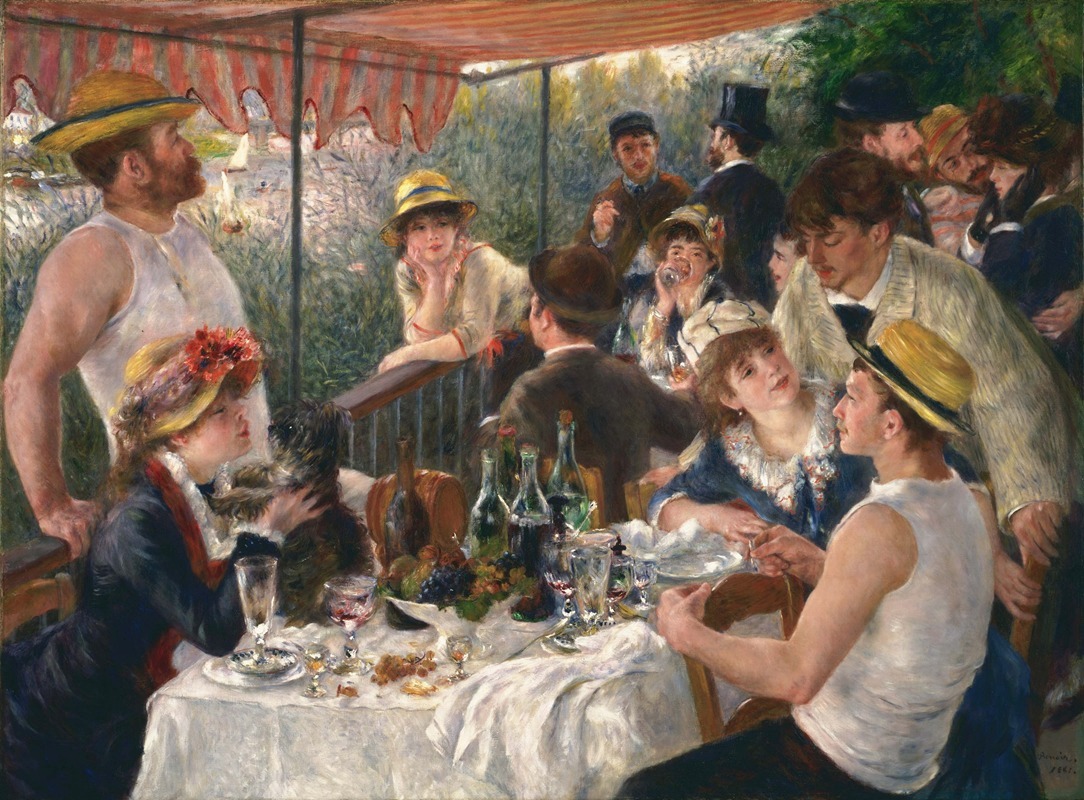
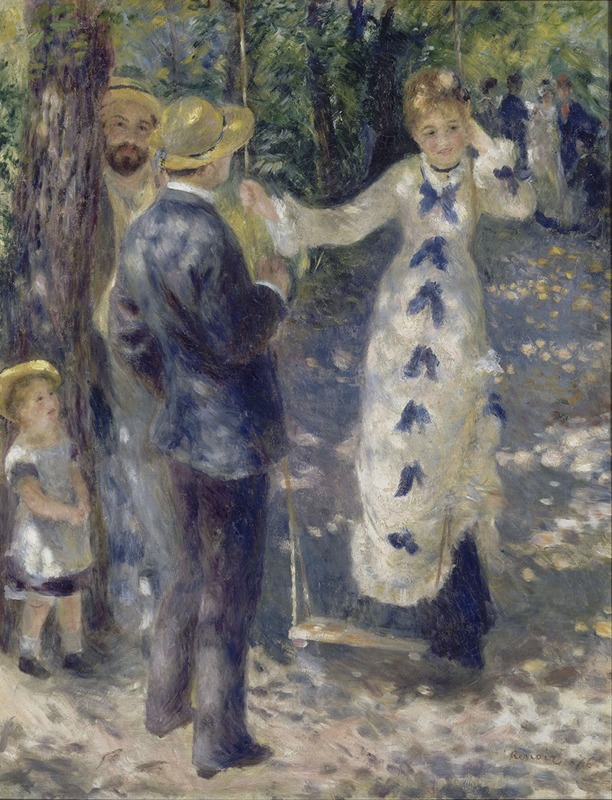
A crowd forming a circle depicts a lively gathering of people, all focused on a central point of interest. The figures are dressed in a mix of clothing styles, suggesting a diverse group from different backgrounds. The colors are rich and varied, with deep browns, greens, and splashes of brighter hues that bring energy to the scene.
The expressions on the faces of the individuals show a range of emotions, from curiosity to excitement. If you look closely, you can see the details of the clothing, with folds and textures that suggest movement and life. The arrangement of the figures creates a sense of intimacy, as if you are part of the crowd witnessing this moment. Shadows and light play across the scene, adding depth and dimension to the figures.
The painting captures a moment of connection among the people, inviting the viewer to imagine the conversation taking place. Francisco de Goya was a prominent Spanish painter known for his ability to convey human emotion and social commentary through his work. He painted this piece during a time of great change in Spain, reflecting the tensions and dynamics of society. Goya's style evolved throughout his career, moving from bright and lively scenes to darker and more introspective works.
One interesting fact is that he is often considered the father of modern art for his innovative approaches and themes.
Больше работ Francisco de Goya
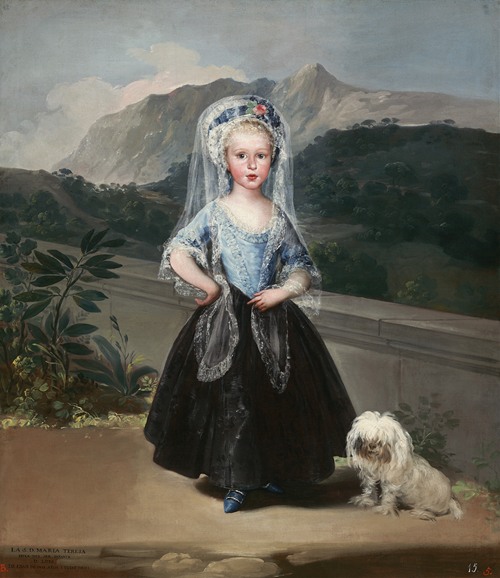
María Teresa de Borbón y Vallabriga,later Condesa de Chinchón
Francisco de Goya
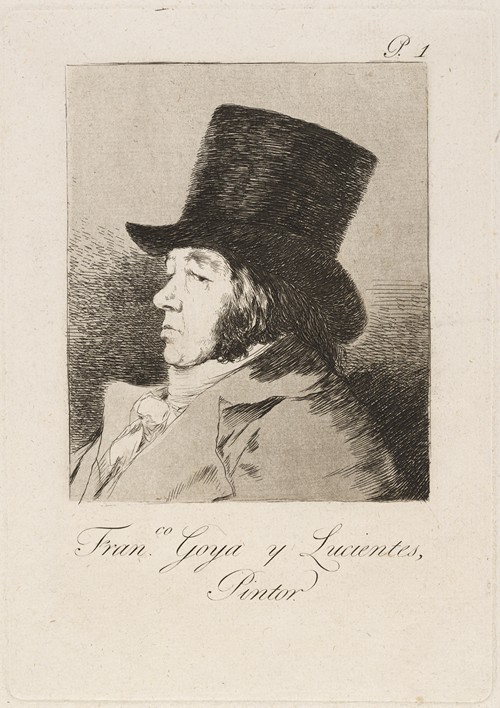
Francisco Goya y Lucientes, Pintor (Francisco Goya y Lucientes, painter)
Francisco de Goya
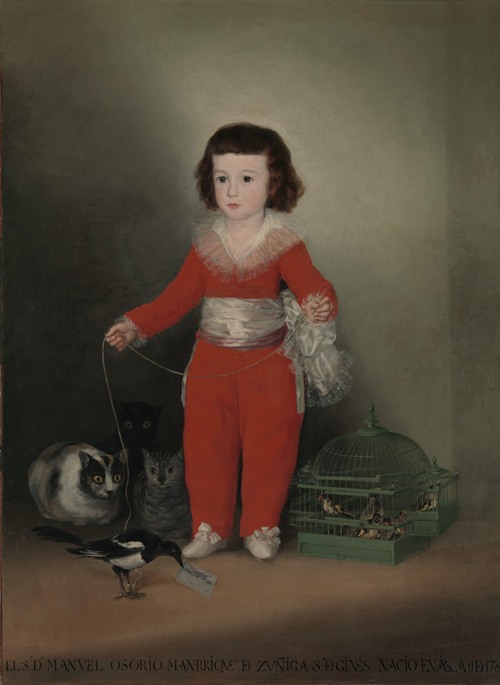
Manuel Osorio Manrique de Zuñiga (1784–1792)
Francisco de Goya
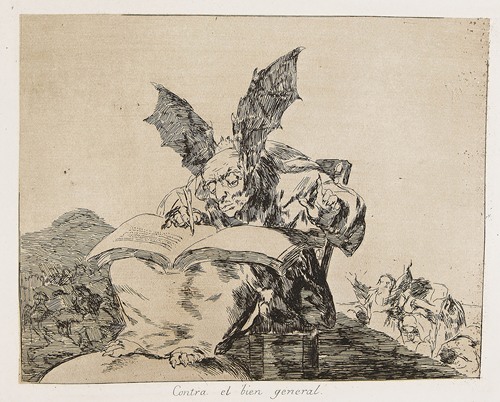
Los desastres de la guerra
Francisco de Goya
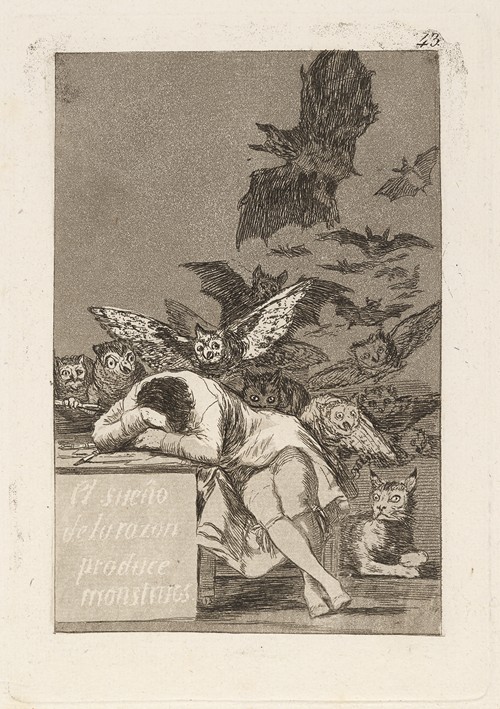
El sueño de la razon produce monstruos. (The sleep of reason produces monsters.)
Francisco de Goya
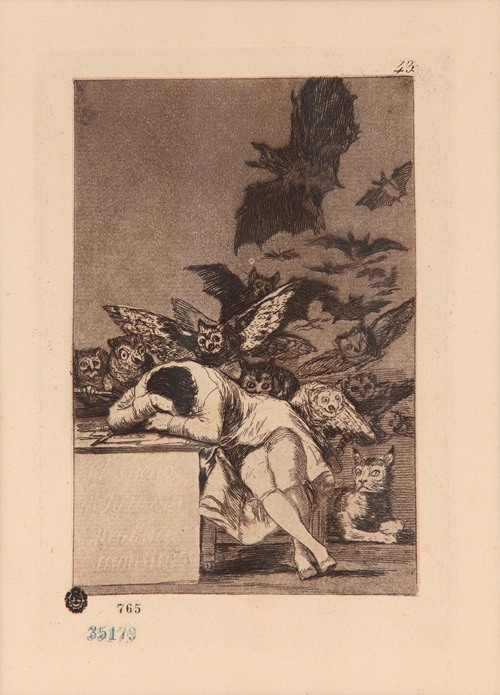
El sueño de la razon produce moustruos (Serie Caprichos)
Francisco de Goya
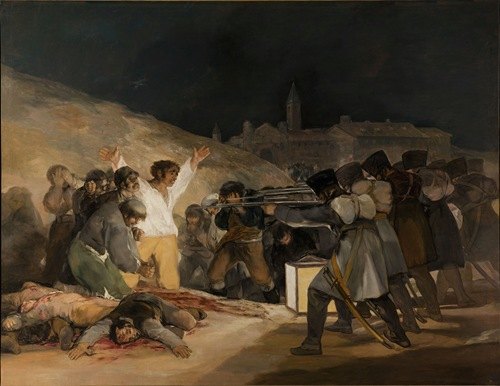
The Third of May
Francisco de Goya
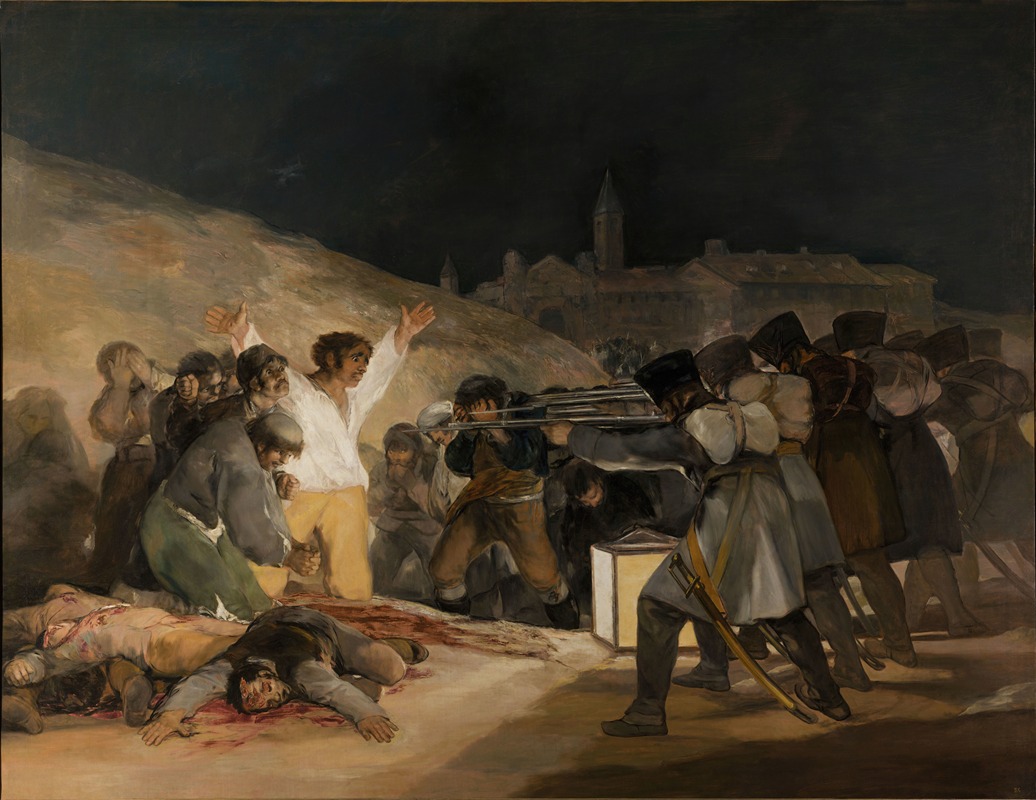
The Third of May 1808
Francisco de Goya
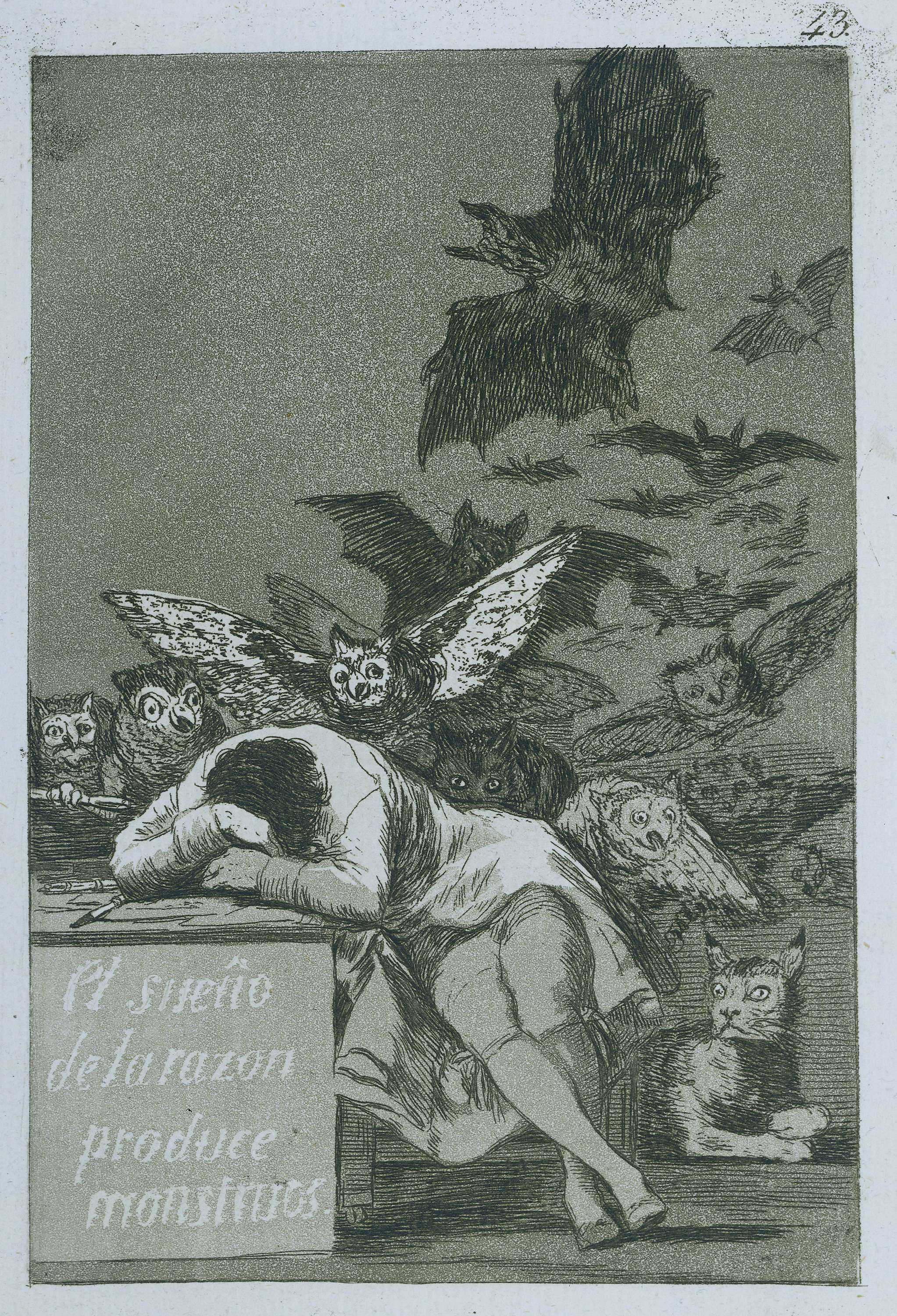
De slaap van de rede brengt monsters voort
Francisco de Goya
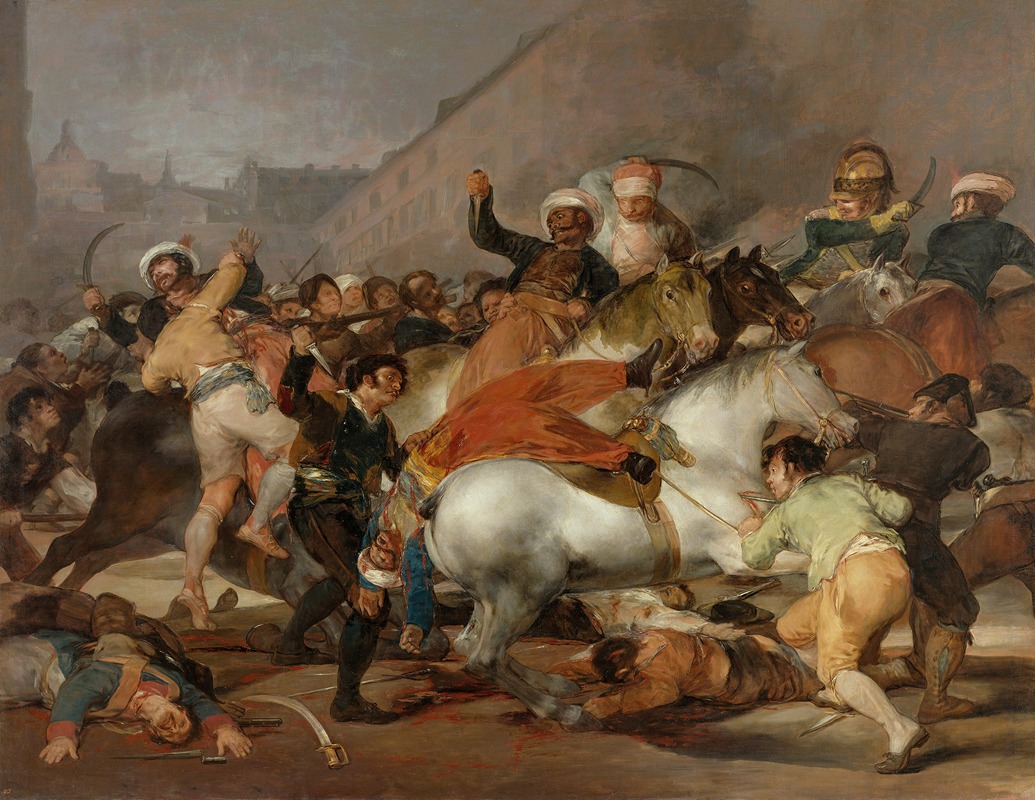
The Charge of the Mamelukes (1814)
Francisco de Goya