发现这件艺术品的见解
The so-called Temple of Venus at Baiae, with a boat and two fishermen in the foreground — 历史与趣闻
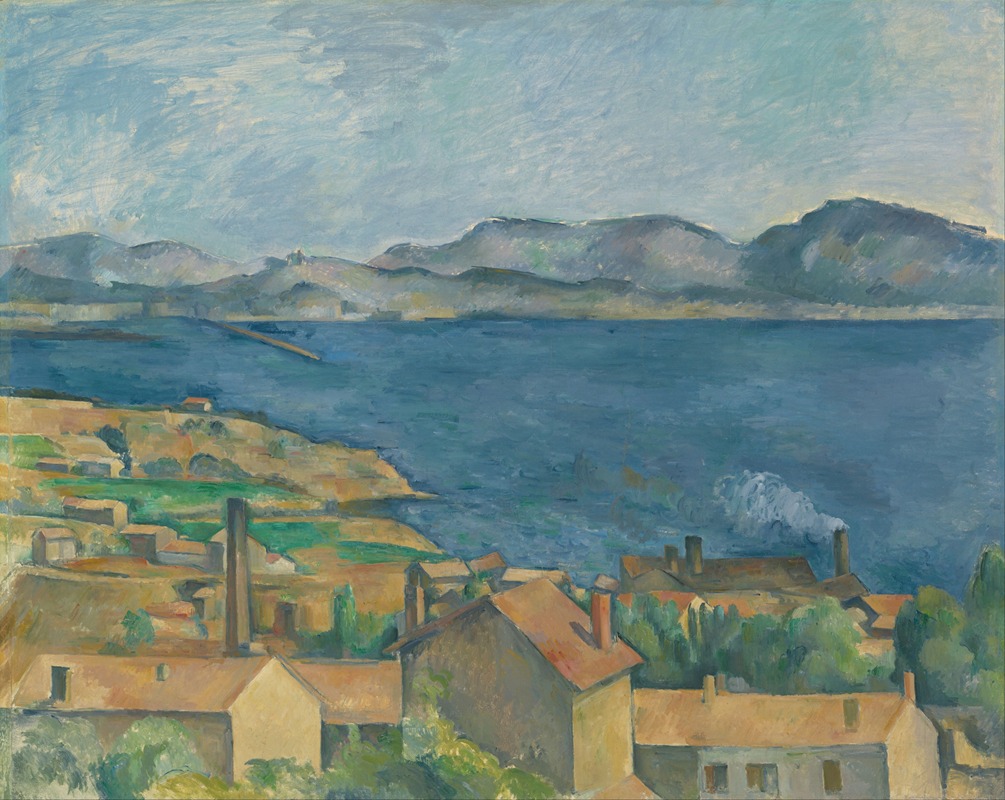
美丽能在没有悲伤的情况下存在吗?在卡洛·拉布鲁齐的《所谓的维纳斯神庙在巴伊埃,前景中有一只船和两个渔民》中,宁静的风景与日常生活的挣扎的对比引发了对这个问题的深刻反思。 请看画布的中心,神庙的废墟在海岸线的柔和曲线中雄伟地耸立,沐浴在柔和而空灵的光线中。水的鲜艳蓝色与建筑的温暖土色形成鲜明对比,吸引观众的目光既关注渔民,又关注建筑的优雅。注意拉布鲁齐如何运用细腻的笔触描绘波动的海浪,创造出一种自然流动的运动感,与神庙的衰败静谧相融合。 前景中的渔民,身形渺小,象征着自然持久之美与时间无情流逝之间的紧张关系。他们谦卑的存在暗示着这幅田园场景背后的劳动与牺牲,暗示即使在宁静的时刻,艰辛依然存在。曾经是美与崇拜的纪念碑的神庙,如今作为历史的碎片屹立,提醒我们每一种优雅都承载着自身故事的重担——一个充满失落、革命和不可避免的变迁的故事。 拉布鲁齐在18世纪末到19世纪初创作了这幅作品,这一时期艺术重心发生了重大变化,转向对风景和文化遗产的表现。随着欧洲在启蒙运动的余波和革命的影响中挣扎,他试图捕捉自然与人类之间的相互作用,反思在变化的世界中存在的辉煌与脆弱。
更多作品 Carlo Labruzzi
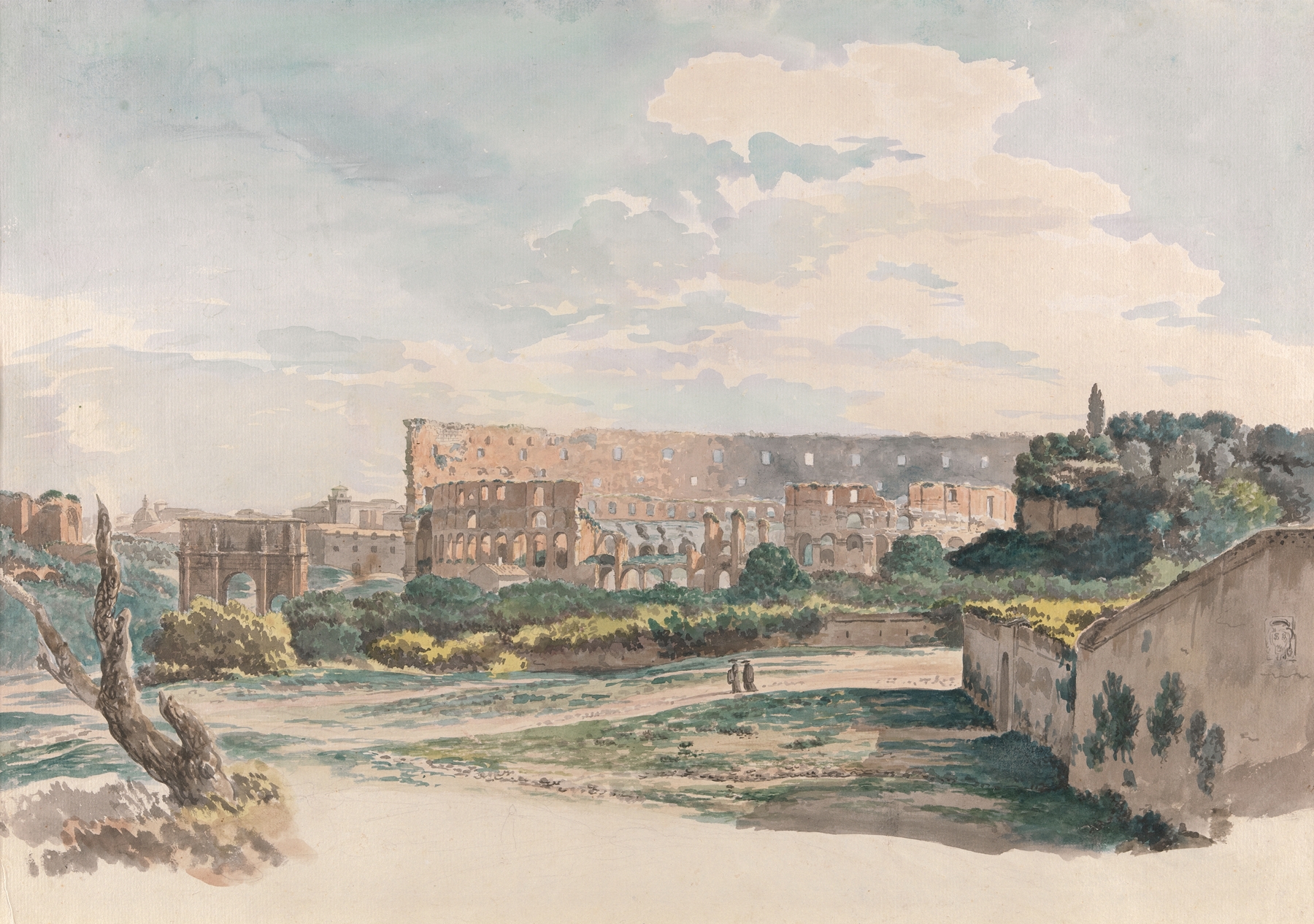
The Colosseum from the Caelian Mount, with the Arch of Constantine and a View of the Forum, Rome.
Carlo Labruzzi
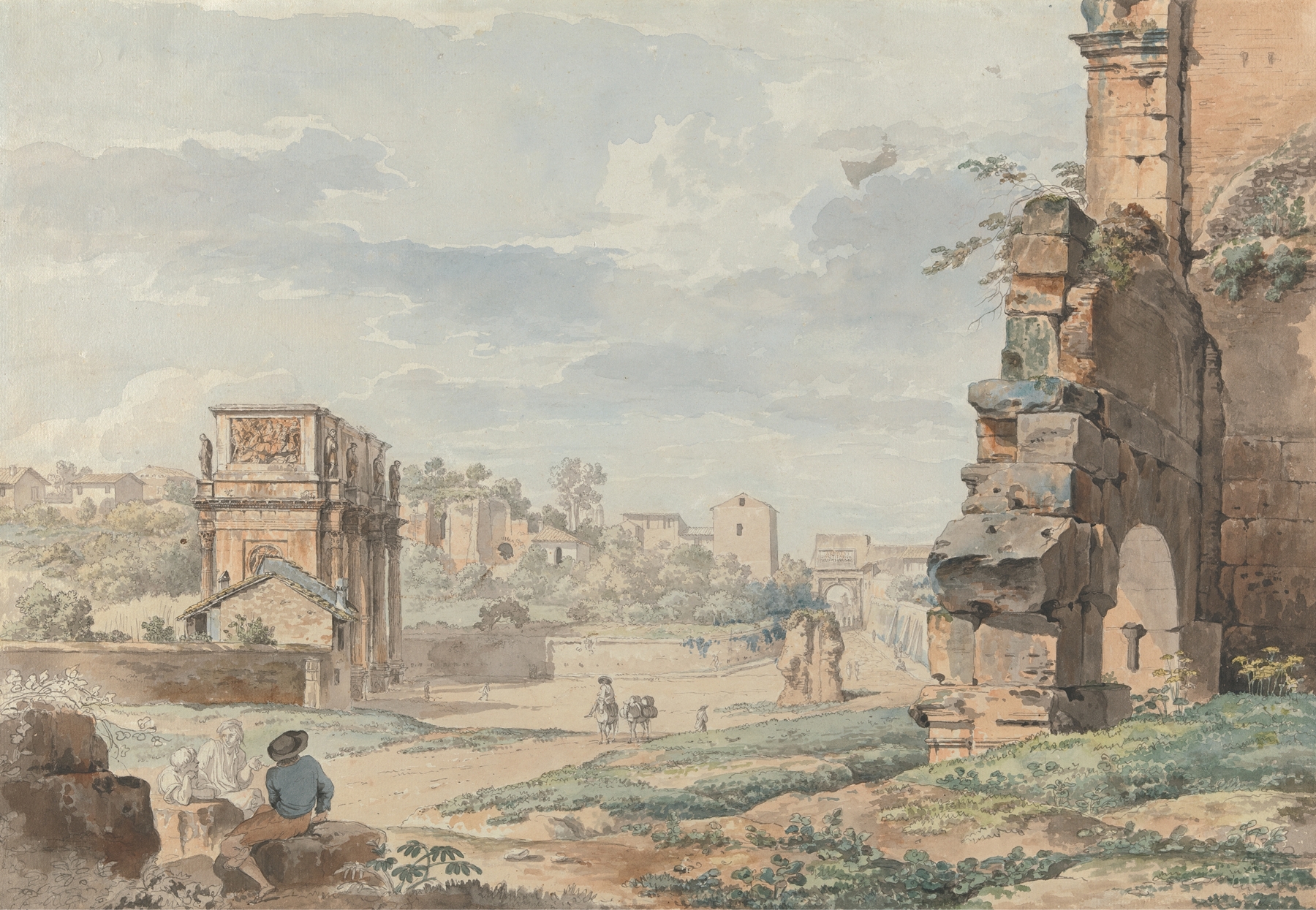
Part of the Colosseum with the Arch of Constantine and Arch of Titus in the Distance, Rome
Carlo Labruzzi
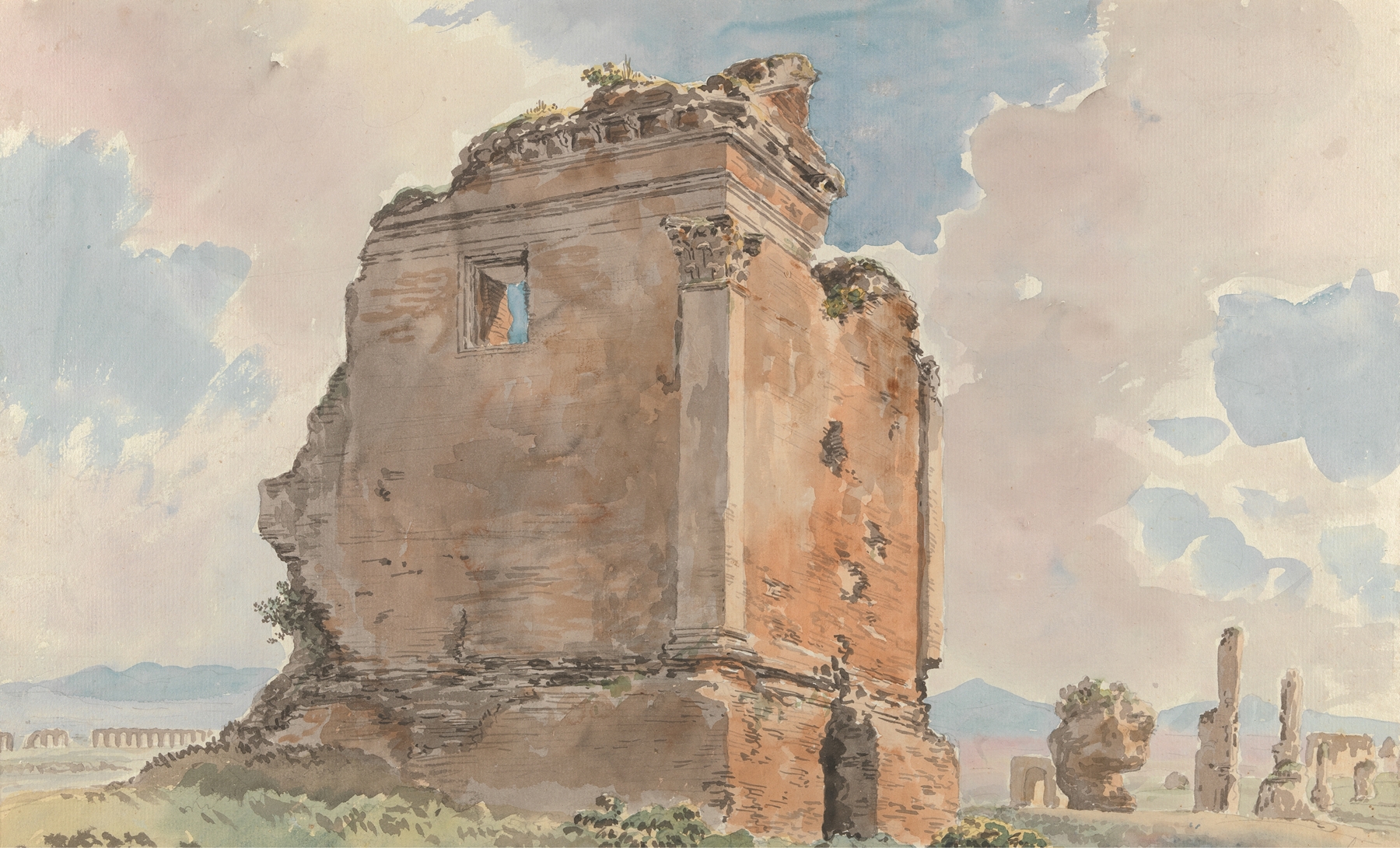
Sepulchre on the Via Nomentana in the Roman Campagna
Carlo Labruzzi
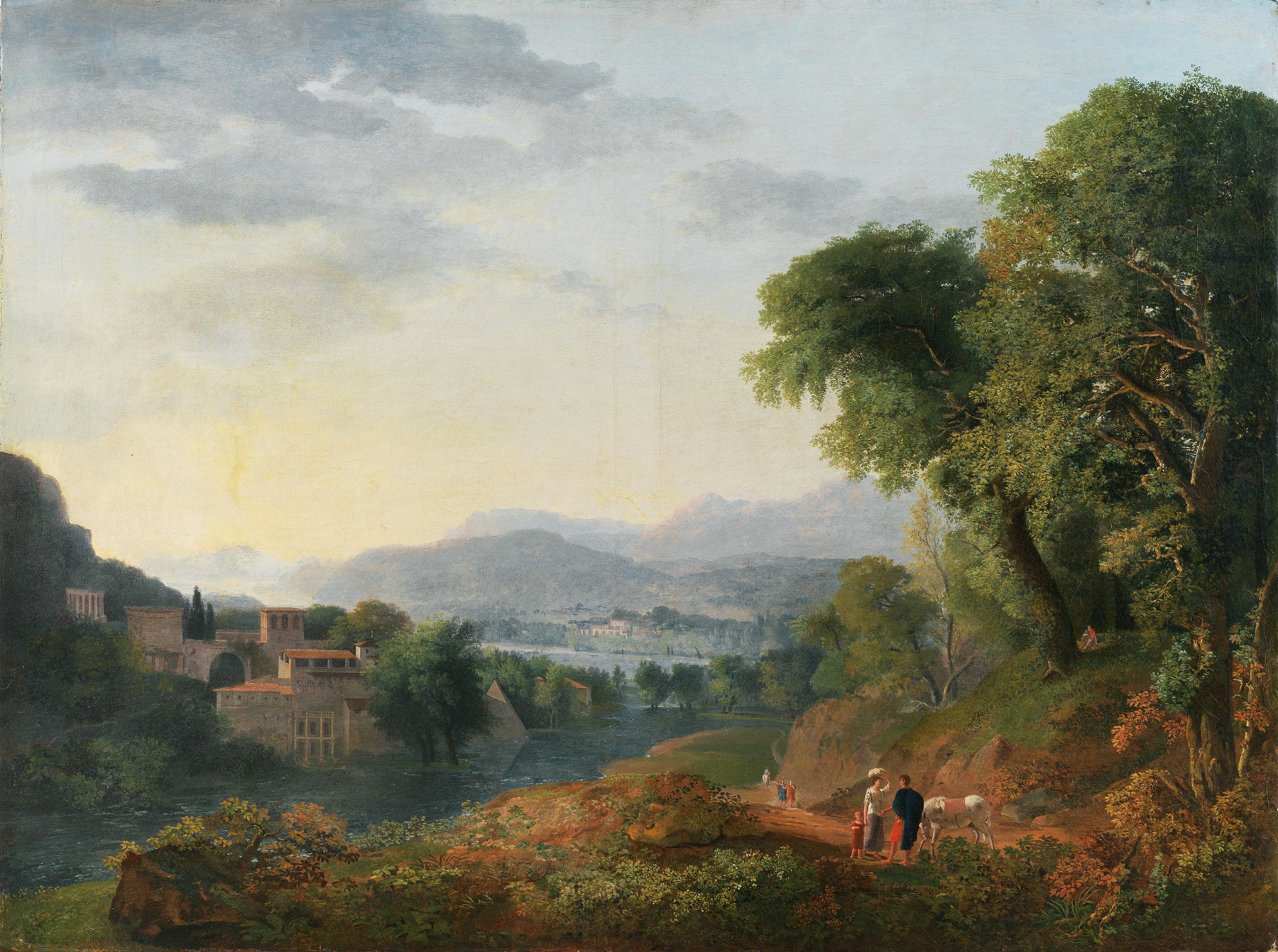
An Italianate landscape
Carlo Labruzzi
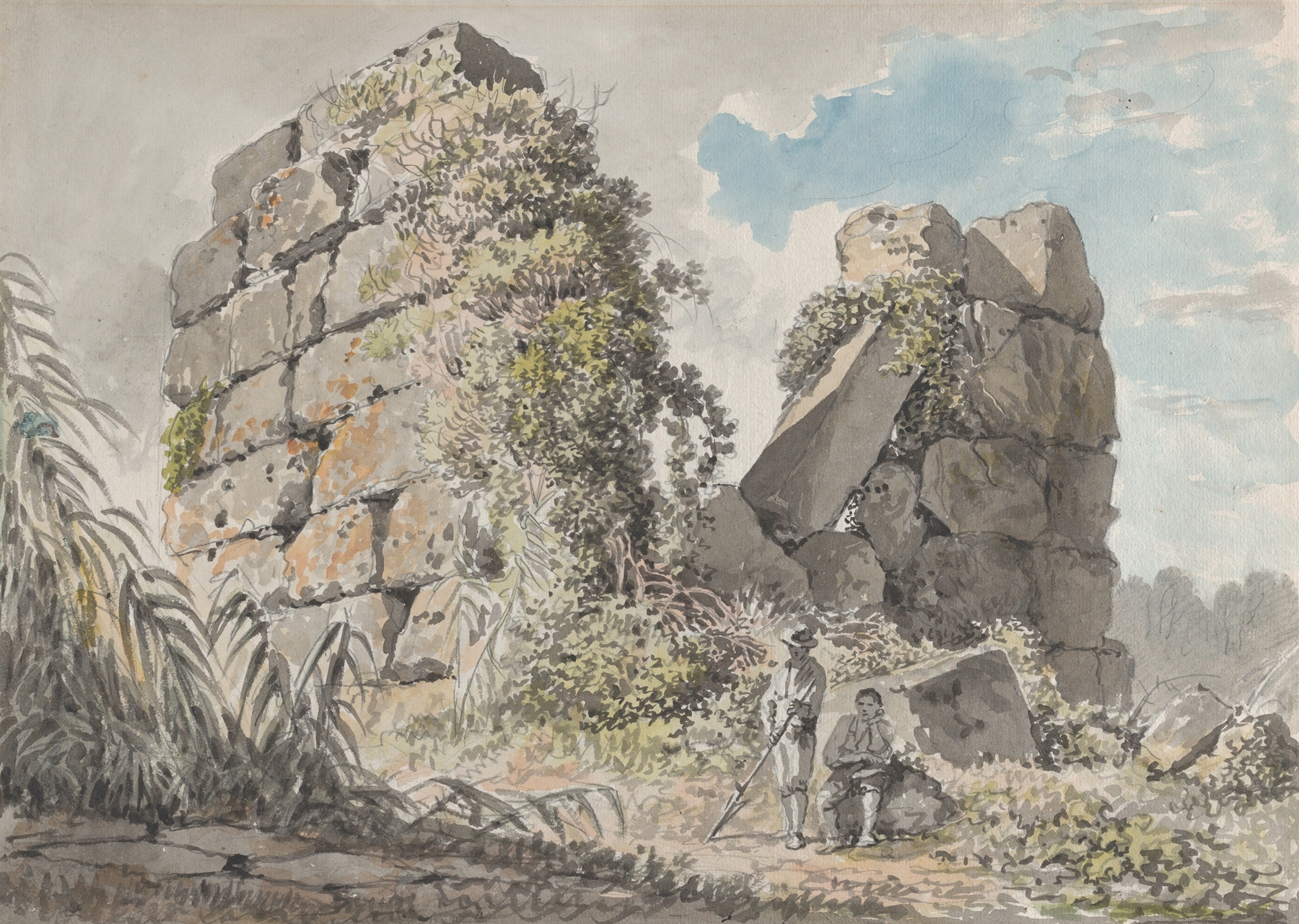
Ruins on the Right of the Via Appia
Carlo Labruzzi
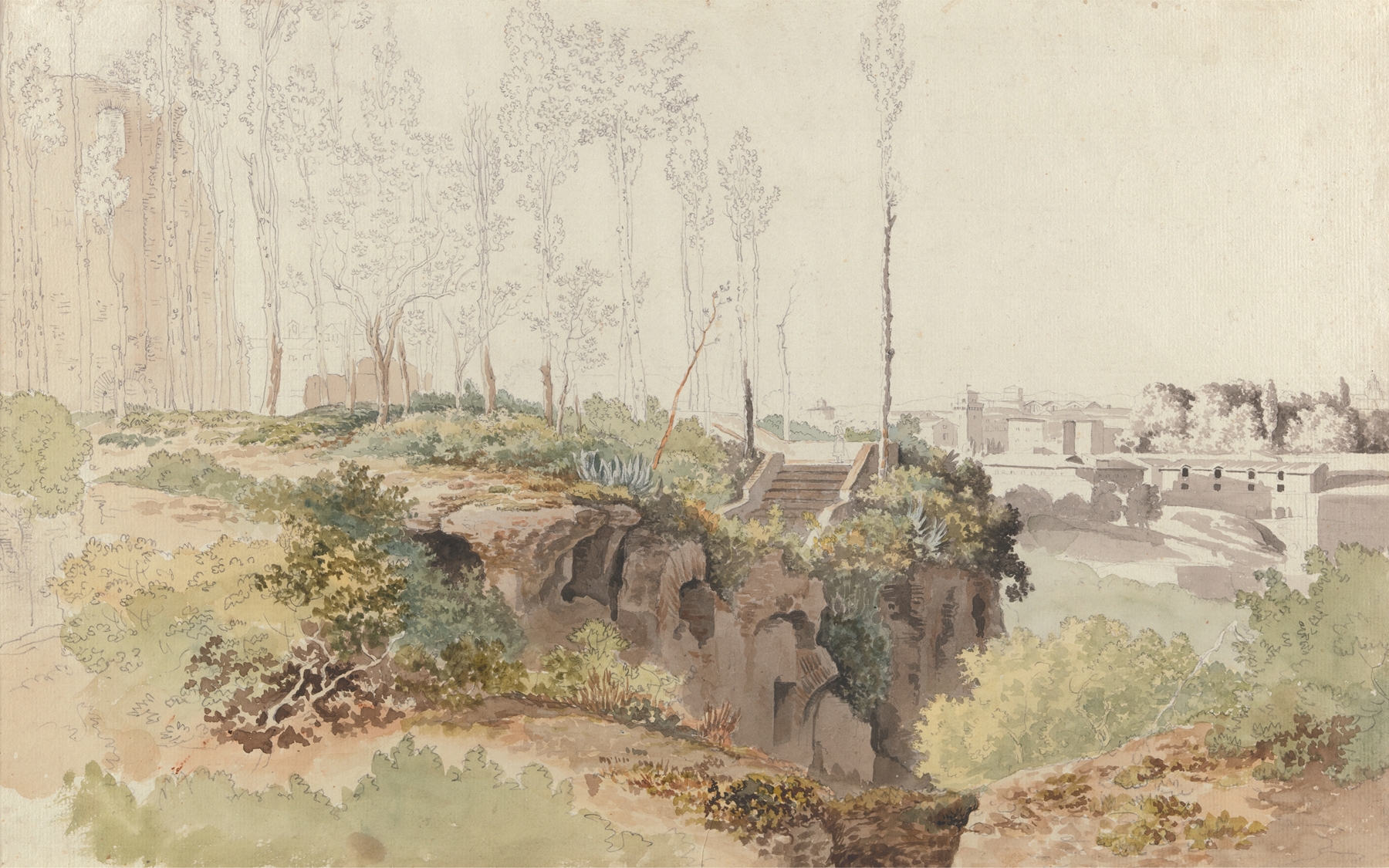
The Baths of Caracalla, Rome
Carlo Labruzzi
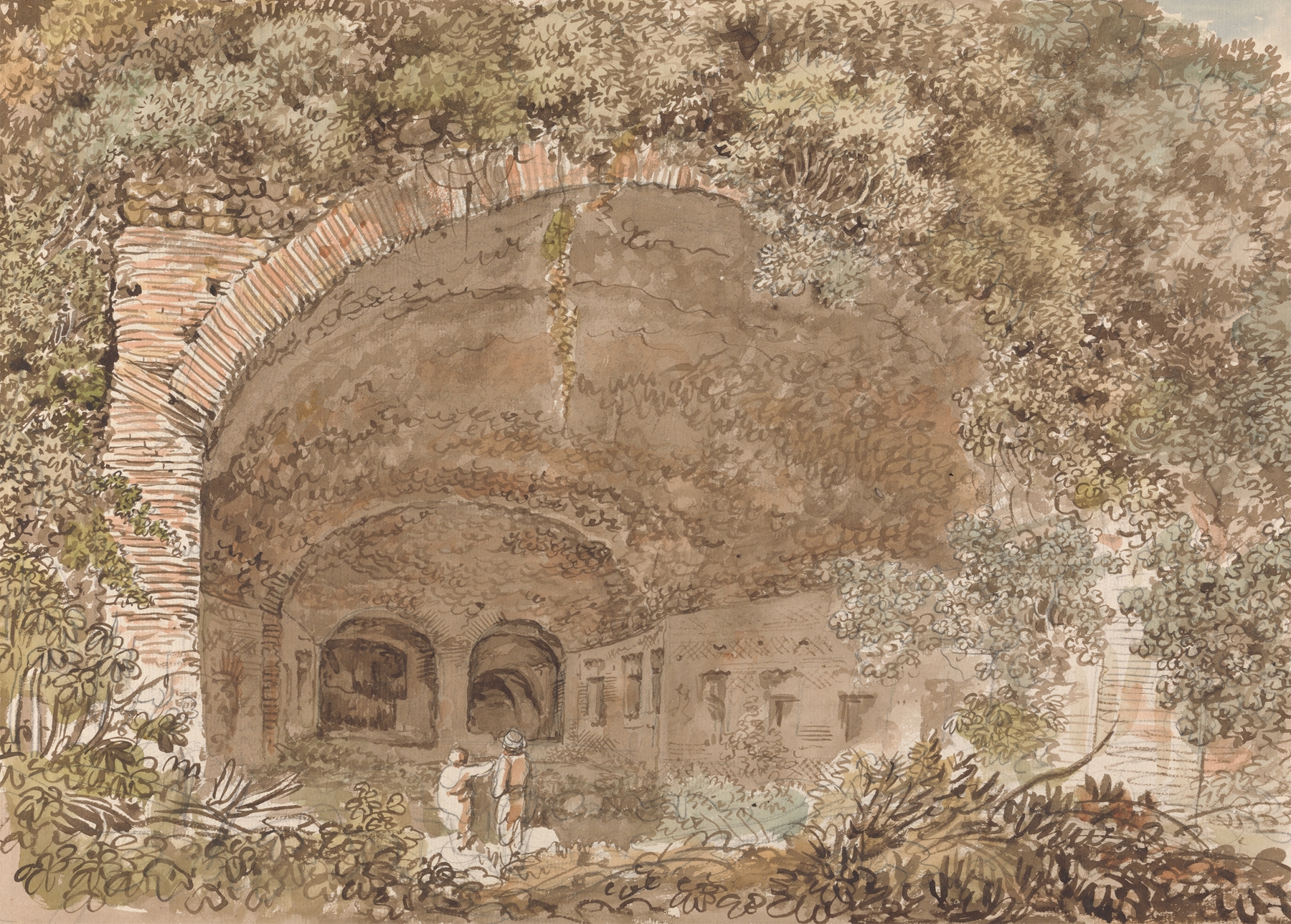
On the Appian Way
Carlo Labruzzi
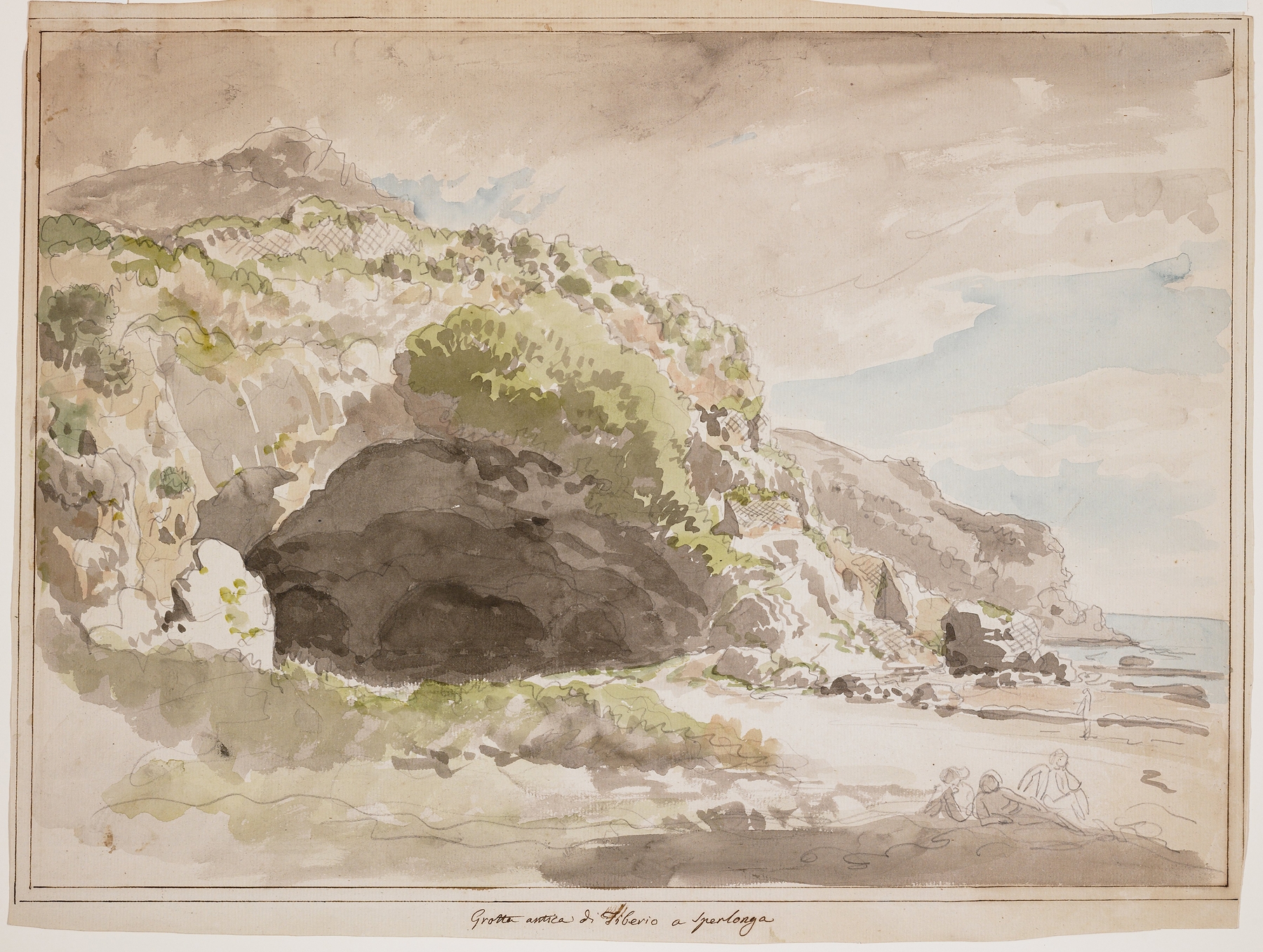
Grotto of Tiberius at Sperlonga
Carlo Labruzzi
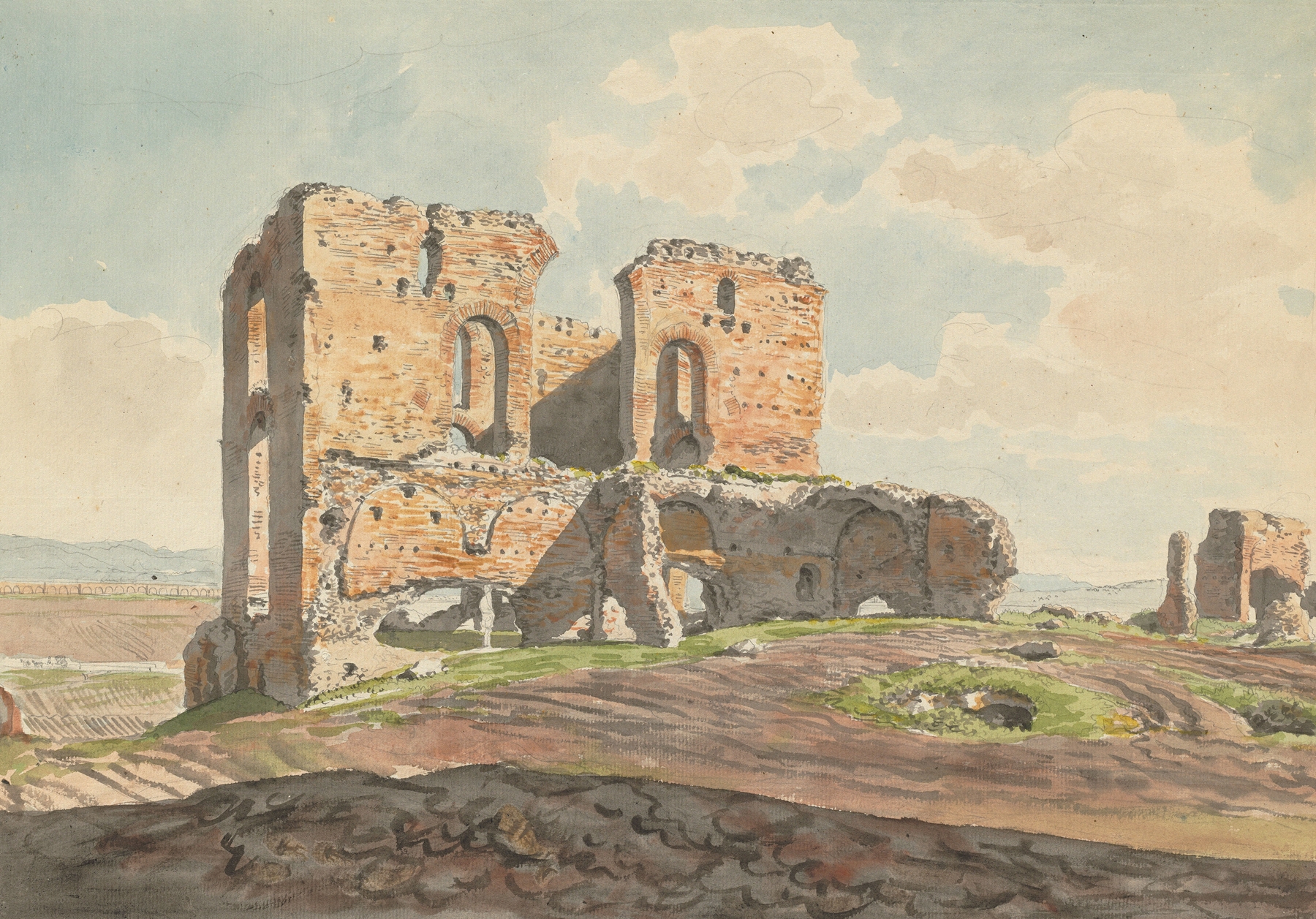
The Great Villa of the Quintilii on the Appian Way
Carlo Labruzzi
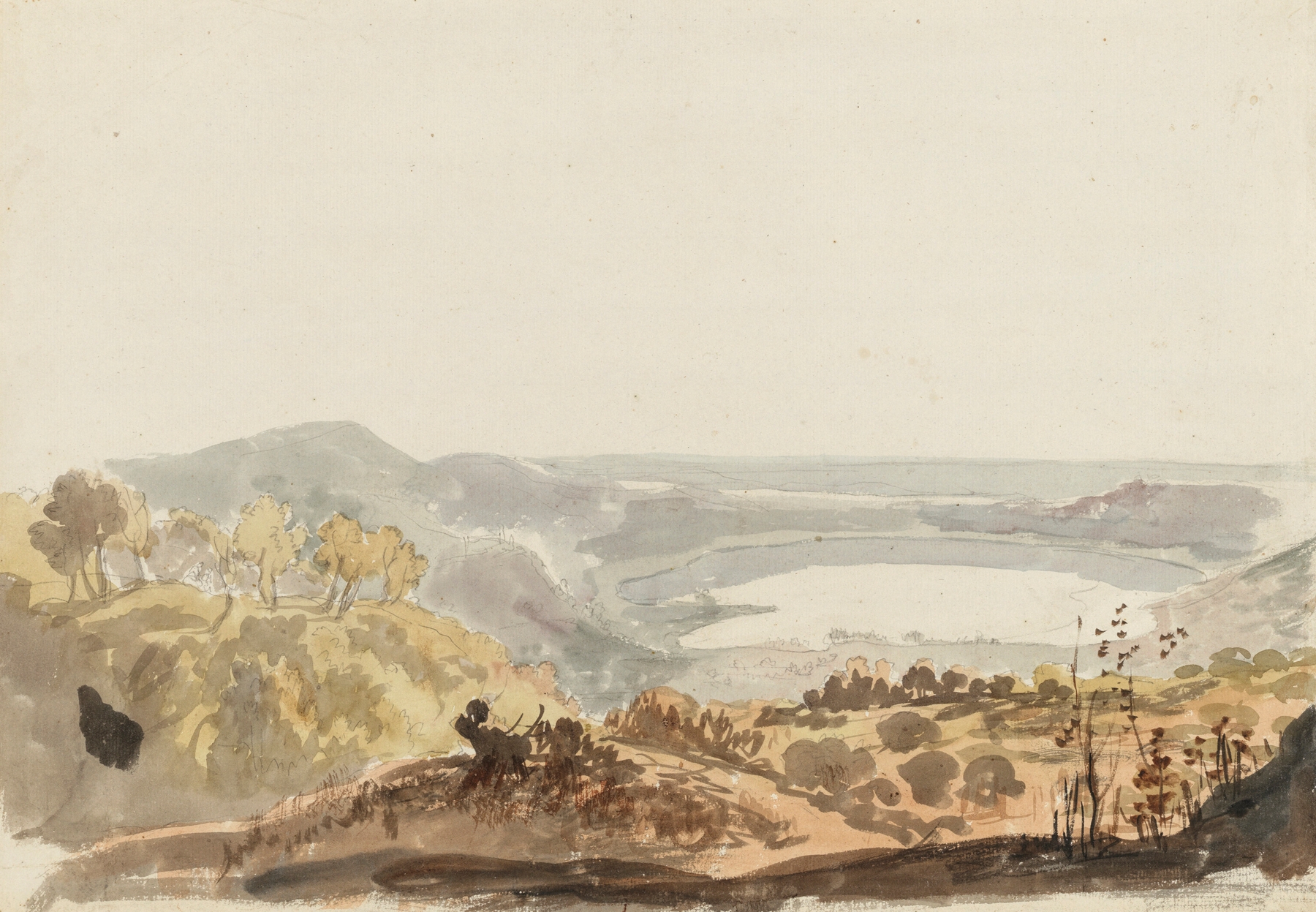
View of Lake Nemi looking towards Rome
Carlo Labruzzi