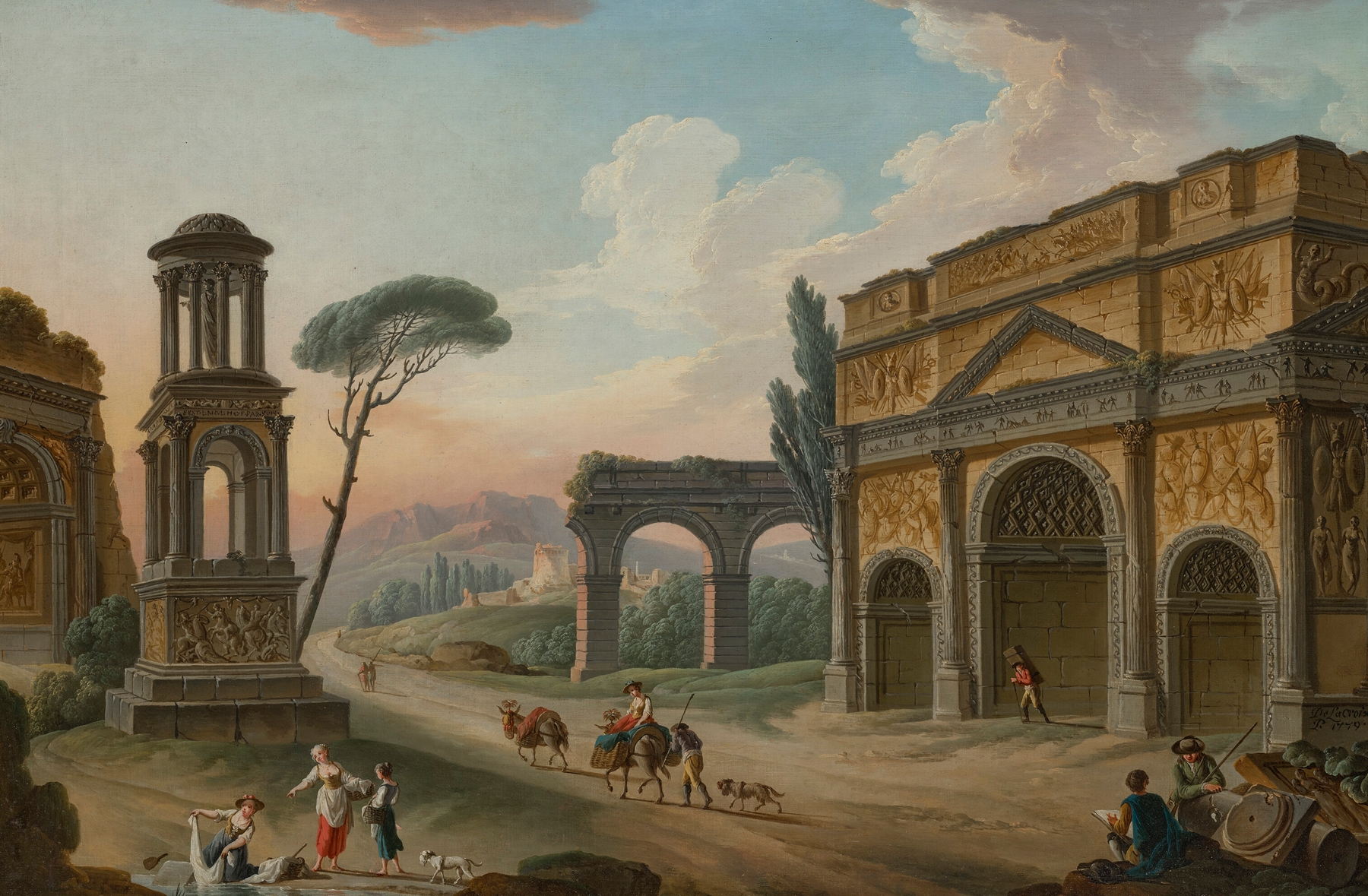
A capriccio with ancient monuments, including the Triumphal Arch of Orange, the aqueduct of Fréjus and the Mauseoleum of Glanum — History & Analysis
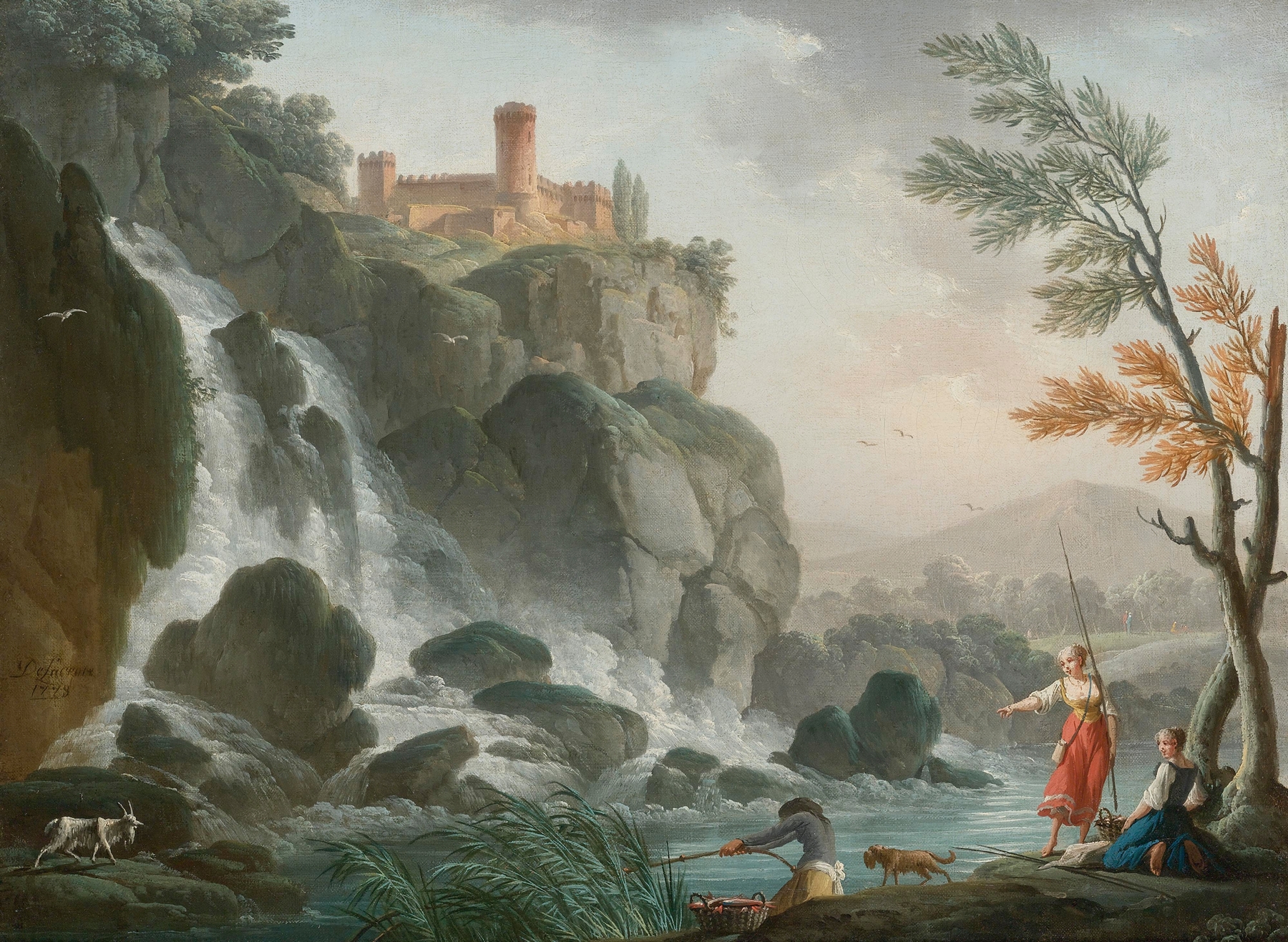
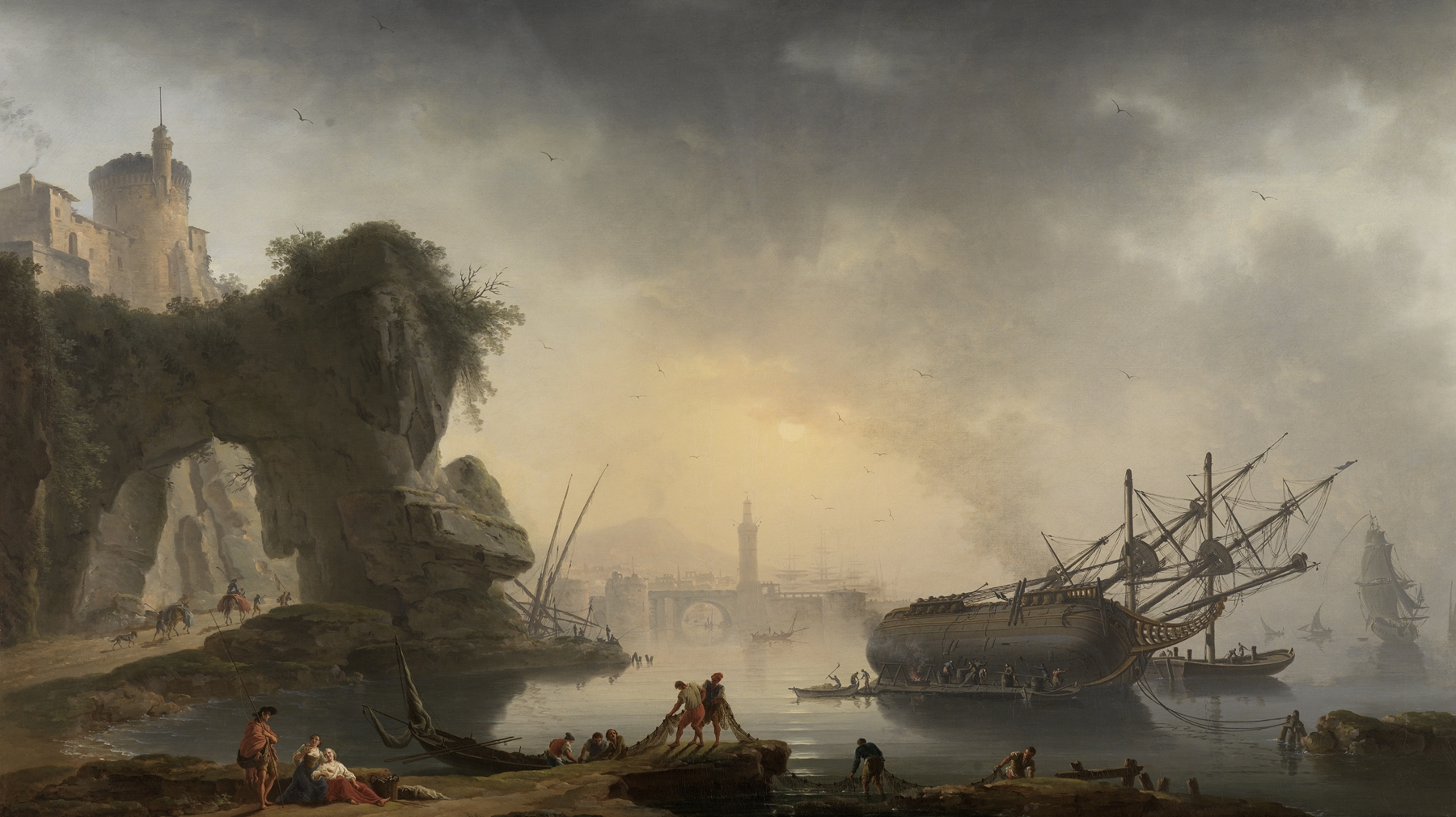
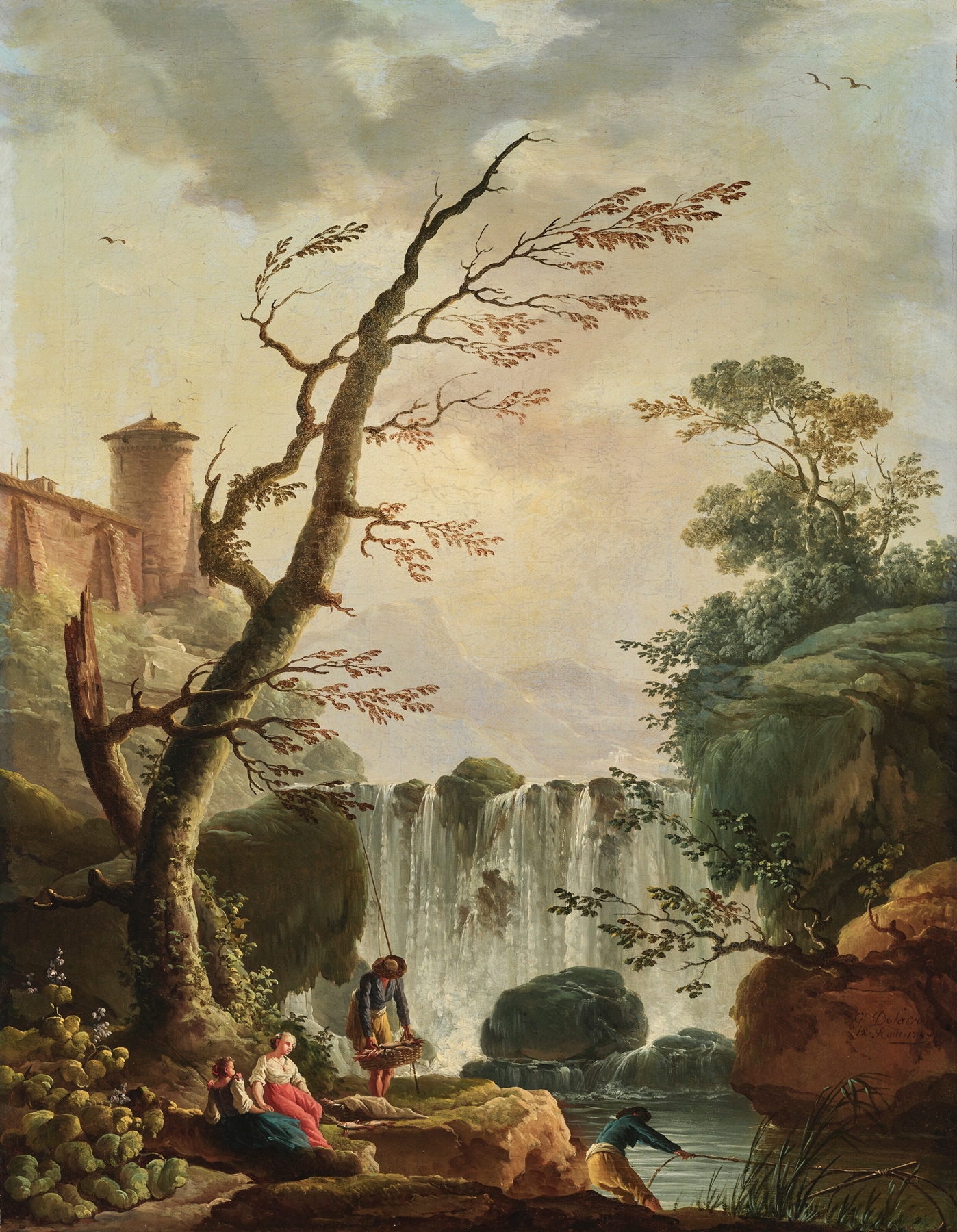
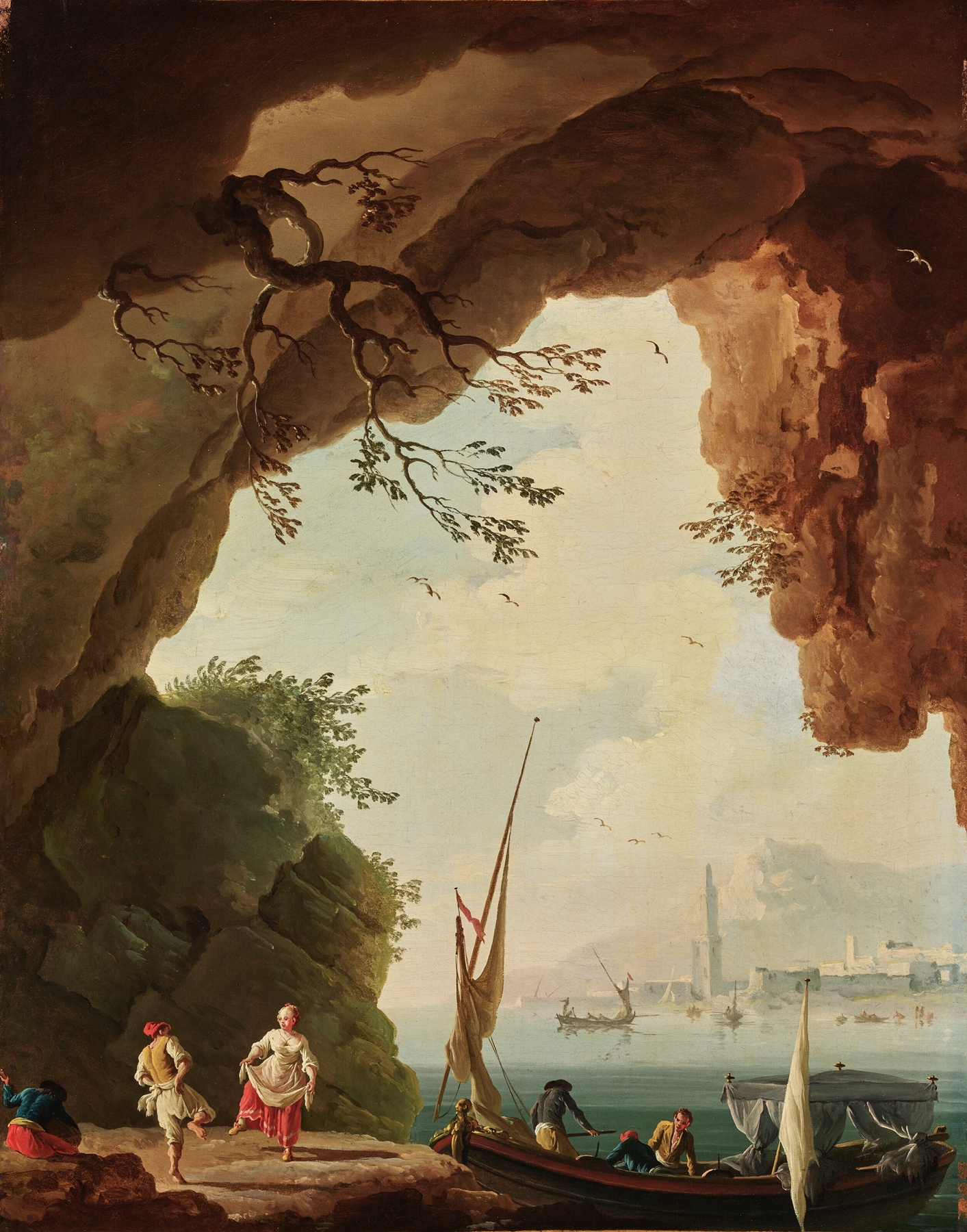
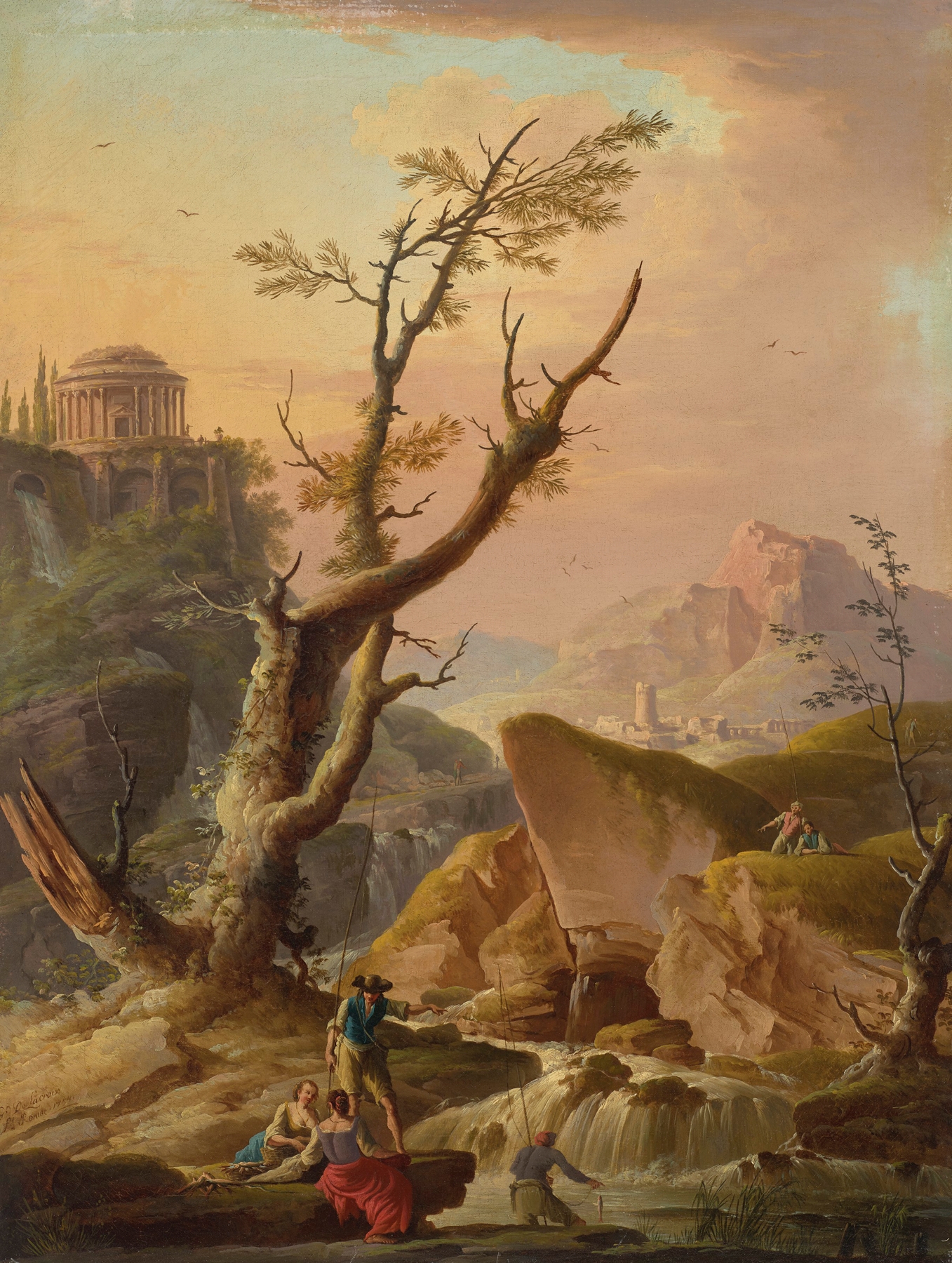
In the soft embrace of twilight, ancient structures rise amidst verdant hills, their forms almost ghostly against the fading light. An air of melancholy permeates the scene, as if each monument carries the weight of forgotten stories. The Triumphal Arch of Orange stands proud, yet its once-vibrant triumphs feel distant, echoes in the whispers of the wind. Behind it, the aqueduct of Fréjus snakes gracefully, a symbol of human ingenuity now yielding to nature's slow reclamation. Look to the left at the foreground, where the intricate details of the Triumphal Arch draw your gaze with its weathered stones.
Notice how Lacroix skillfully blends soft pastels of lavender and muted greens to evoke a sense of nostalgia, painting a landscape that feels both alive and haunting. The aqueduct arches above gently, its lines contrasting with the rugged stone of the mausoleum in the background, creating a layered composition that invites exploration. Each element holds significance, whispering tales of a long-lost era. Deeper within this tranquil yet poignant panorama lie themes of transience and resilience. The juxtaposition of the regal arch and the crumbling mausoleum speaks to the cycle of glory and decay, holding a mirror to human ambition.
One can almost feel the passage of time as shadows stretch across the landscape, casting doubts on the permanence of even the most celebrated monuments. This interplay of light and shadow deepens the viewer's emotional connection to the scene, nudging at lingering regrets. In 1779, Lacroix painted this work amidst a burgeoning interest in classical revival, reflecting both the artistic movements of his time and his personal exploration of nostalgia. He was in France during a period of political upheaval, where echoes of enlightenment and revolution hovered in the air. This piece serves as a contemplative response not only to the ancient grandeur of the monuments themselves but also to the shifting tides of society, encapsulating a moment in which the artist grappled with the enduring power of history.