An Italian Port Scene — History & Analysis
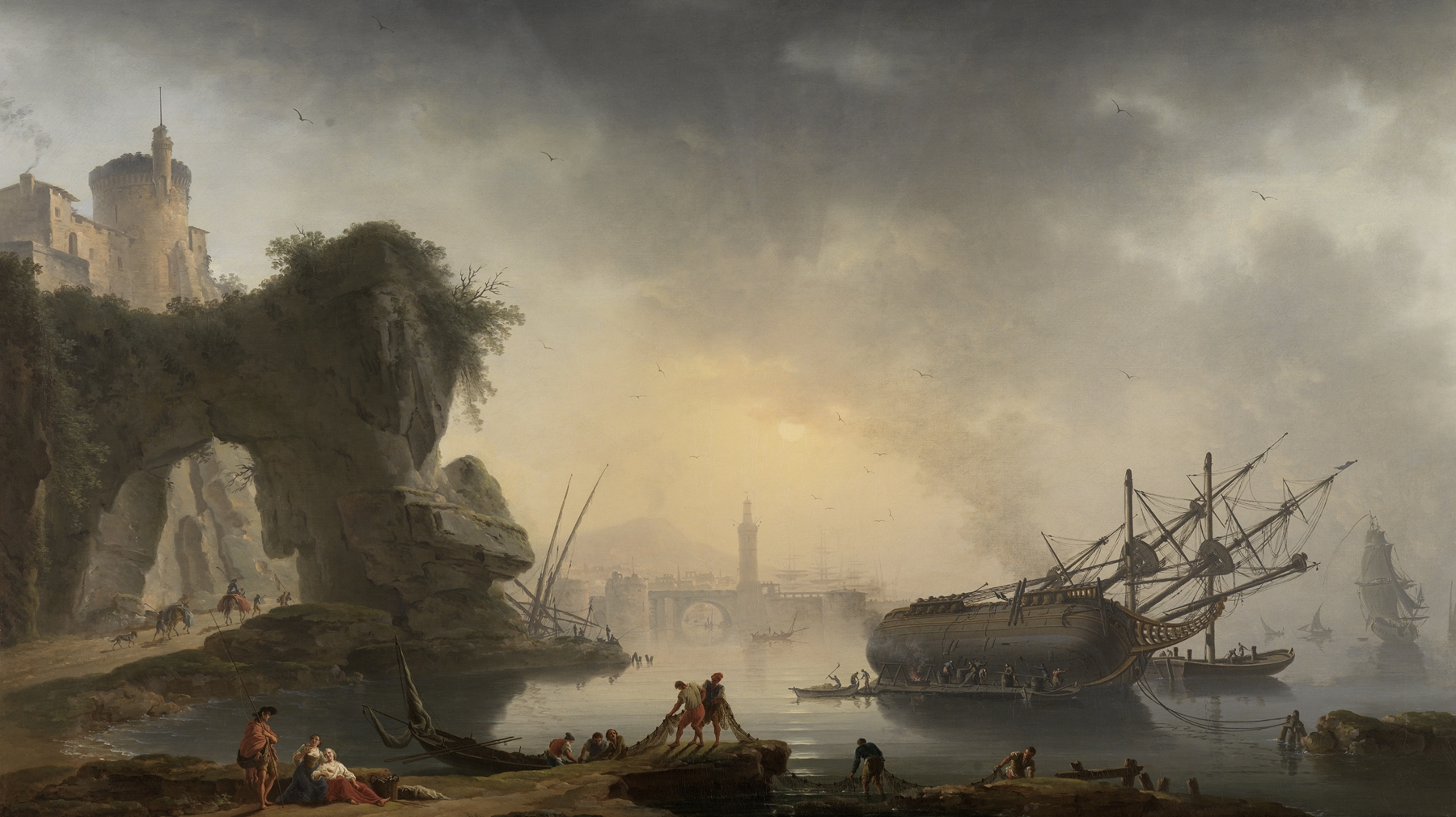
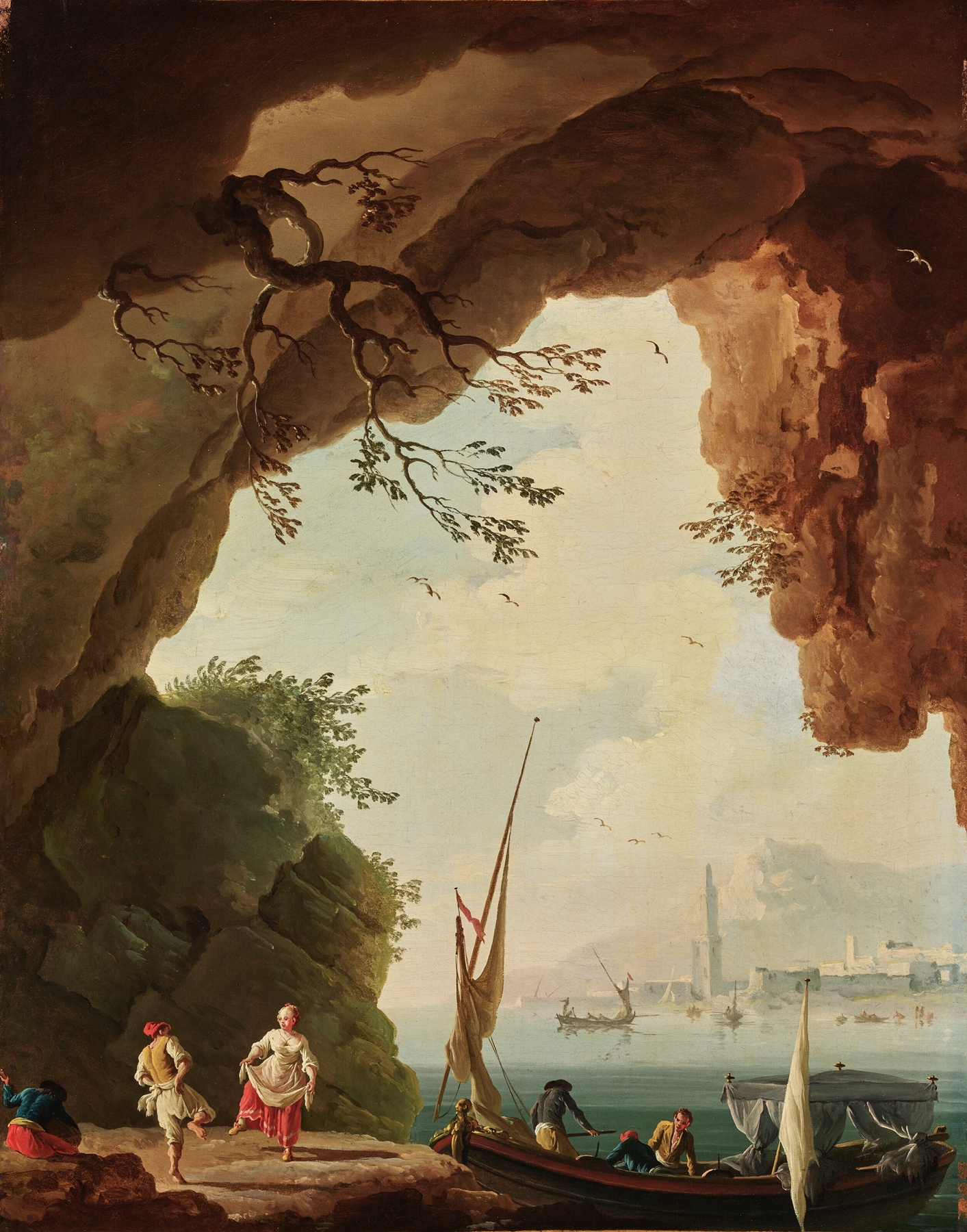
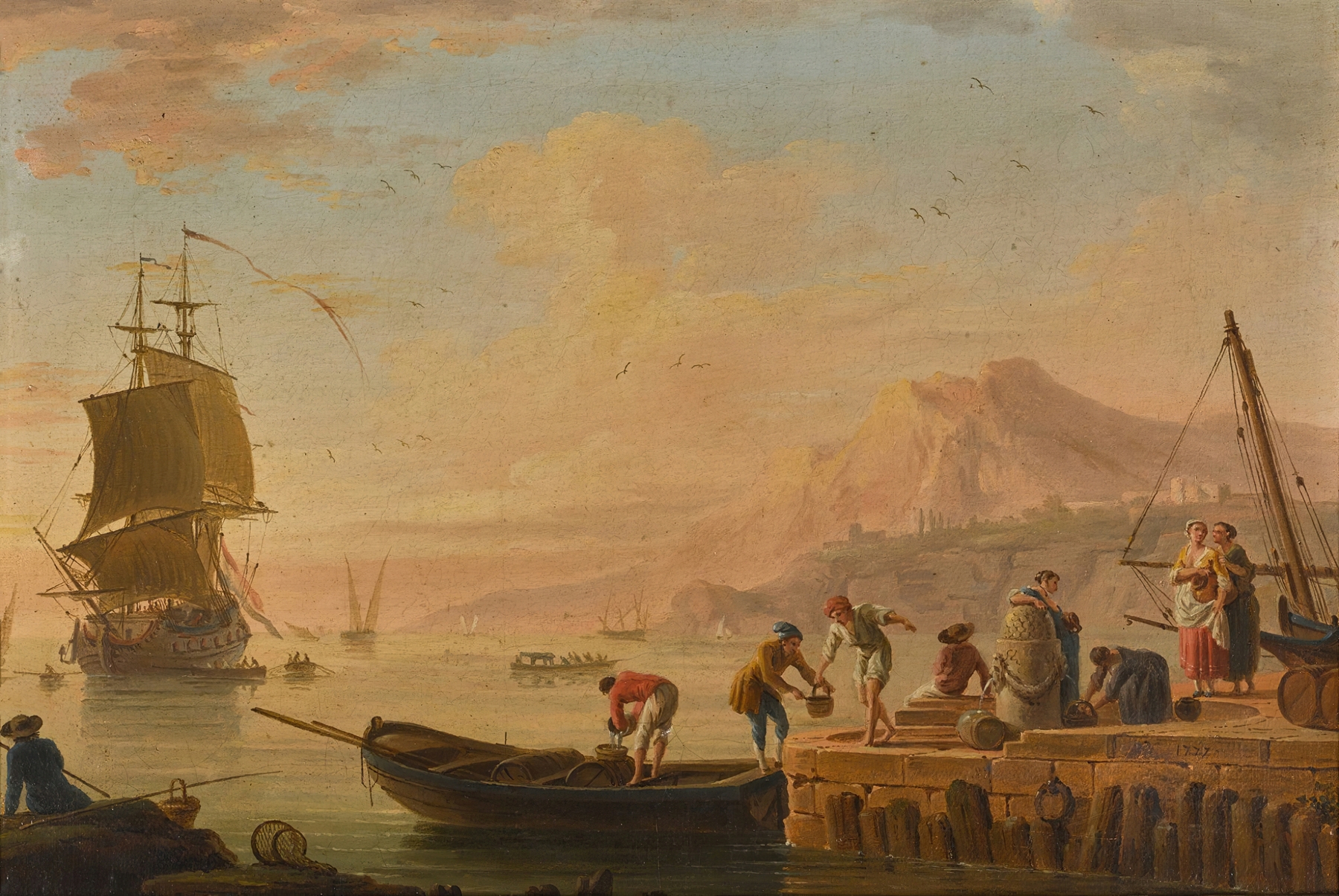
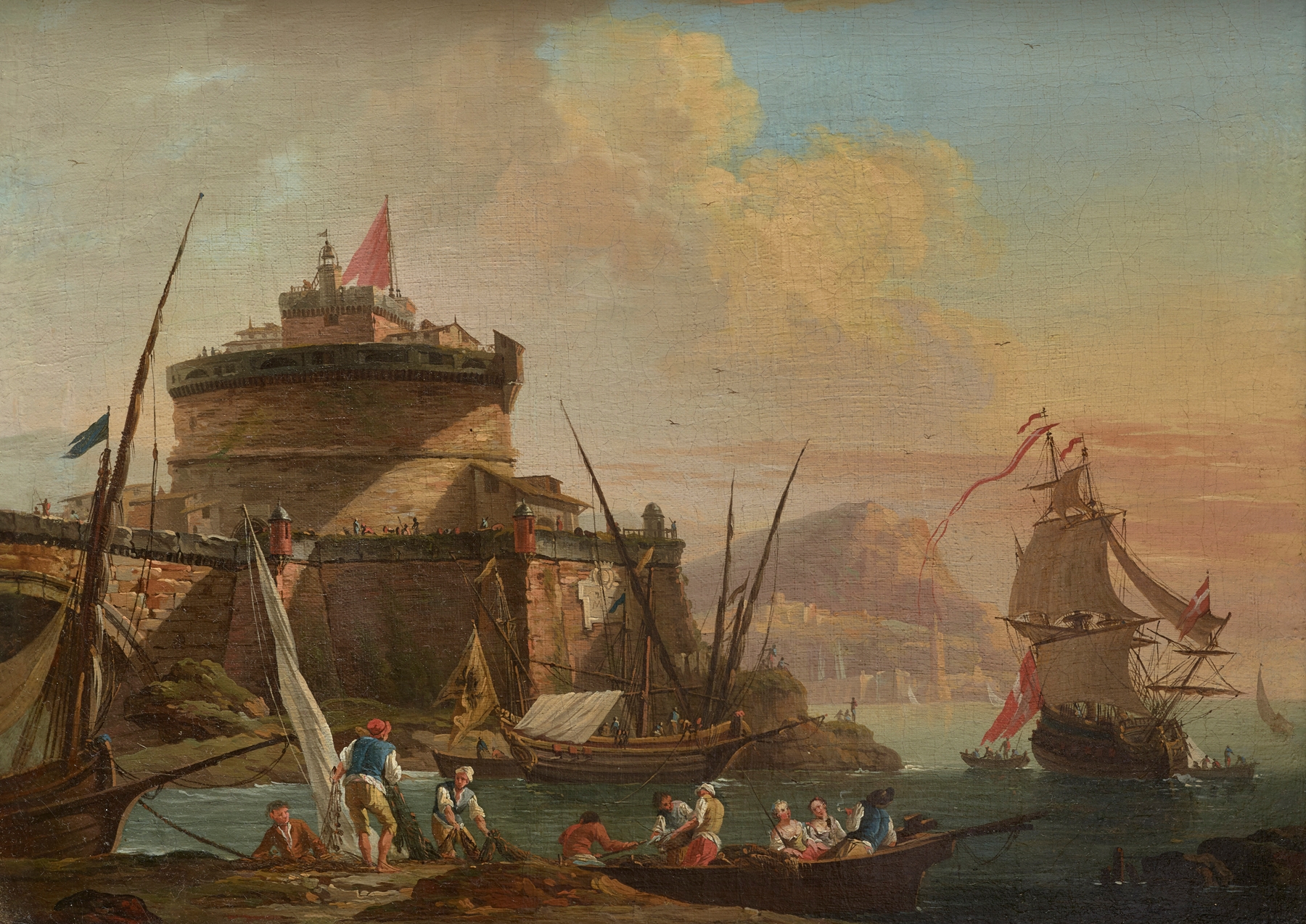
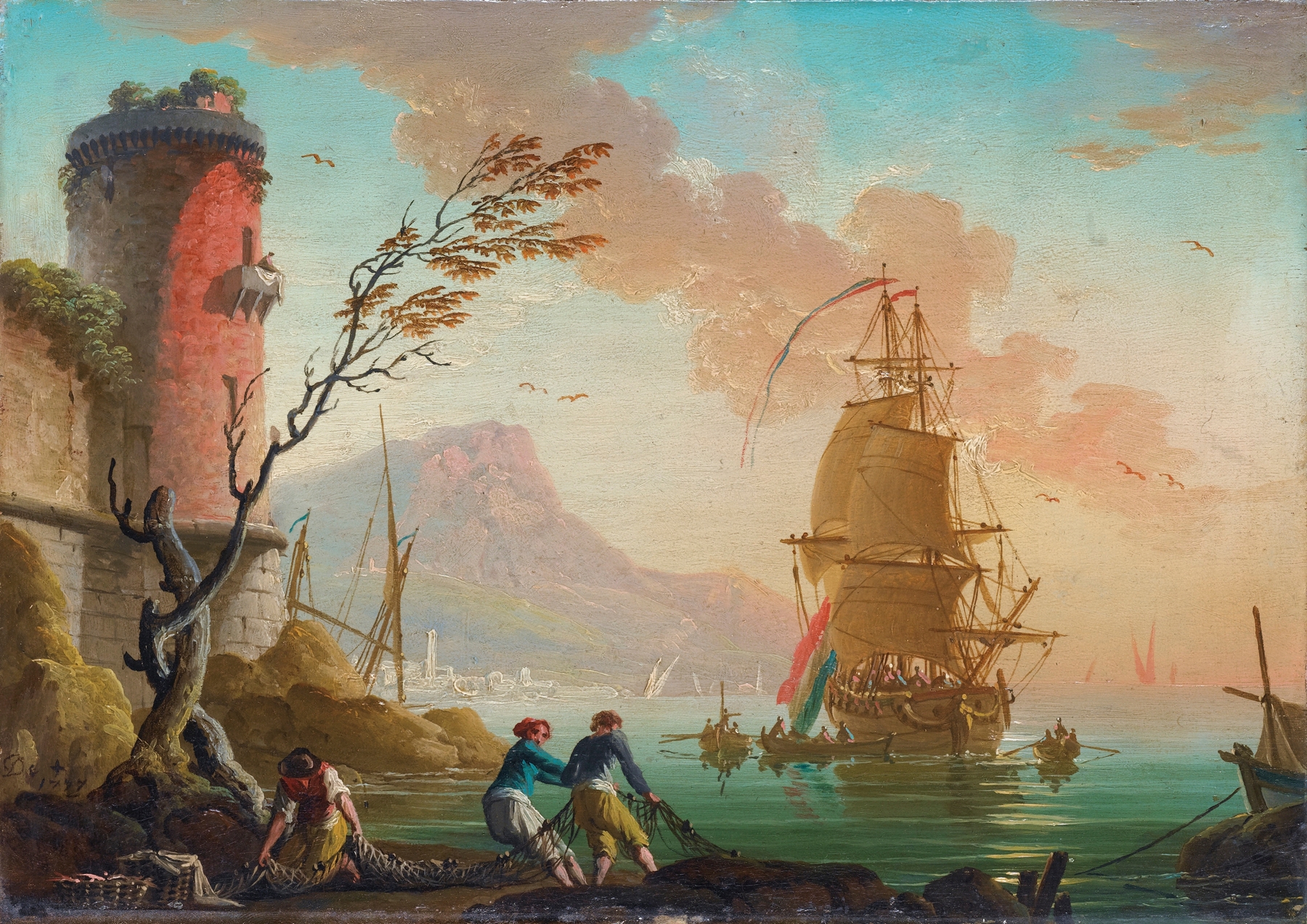
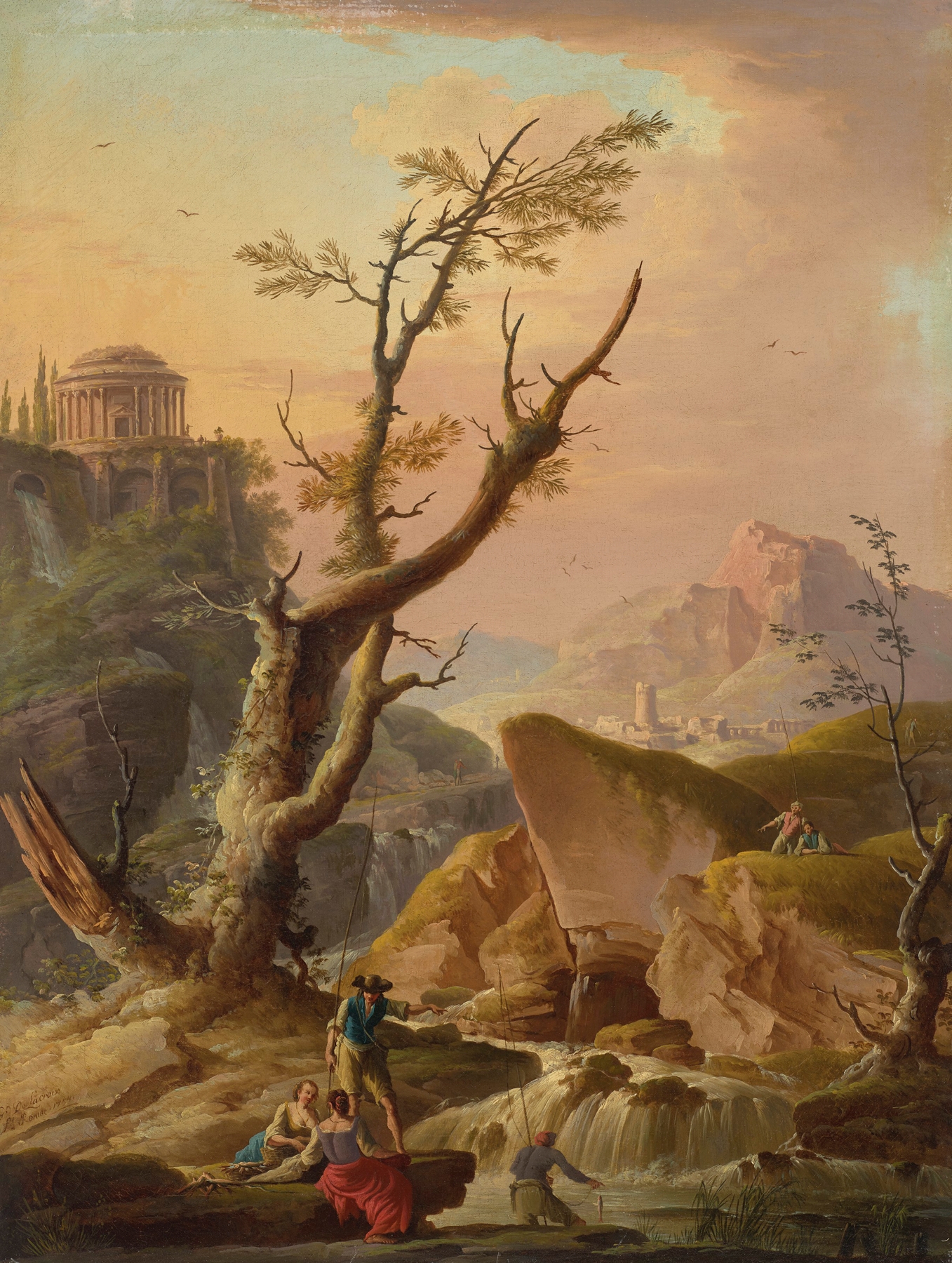
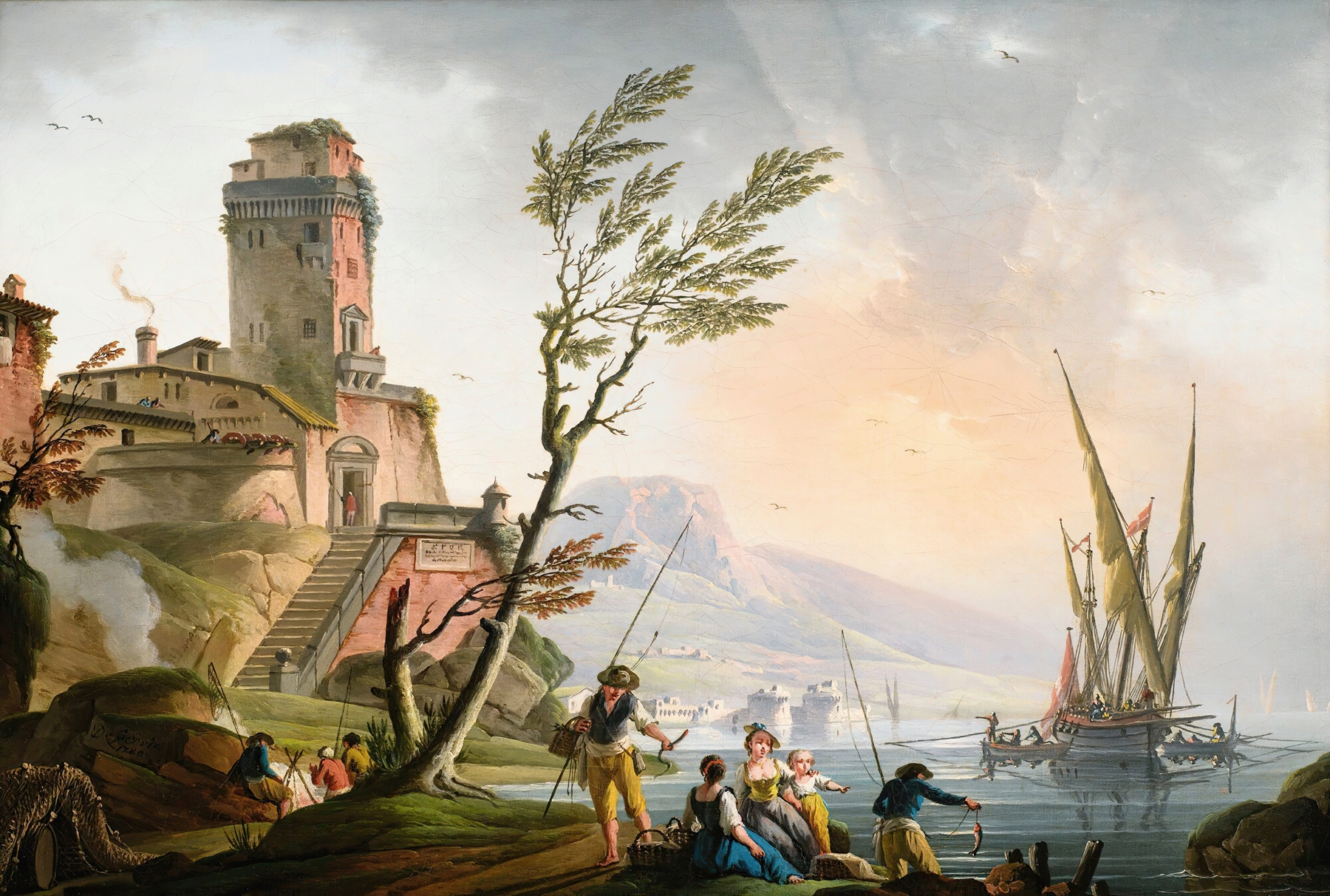
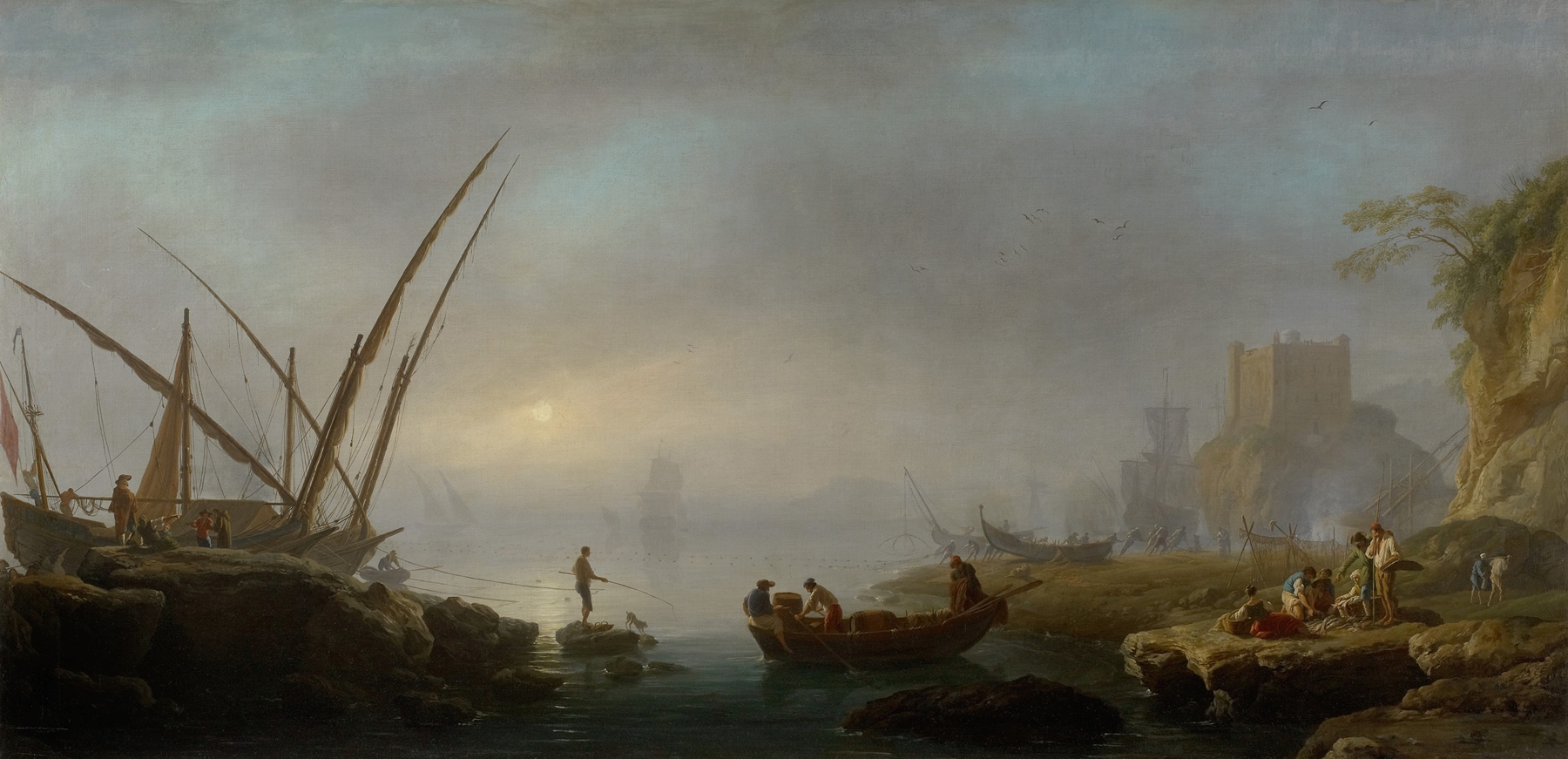
Is this a mirror — or a memory? The essence of an Italian port unfurls before us, evoking the bittersweet sensation of nostalgia intertwined with the promise of awakening. Look to the left at the gentle lapping waves, their shimmering surface capturing the golden light of the setting sun. The boats, adorned with vibrant sails, seem almost to breathe, caught in a dance of serenity and movement.
Notice how the artist balances the rich blues of the sea with warm earth tones in the buildings along the shoreline, creating a vivid contrast that draws the eye into the scene’s depth. Beneath the surface, the painting speaks of transition and the passage of time. The figures at the port — merchants and sailors — embody the dynamic exchange of life and commerce, yet their distant gazes hint at longing and dreams beyond the horizon. Each brushstroke pulsates with a sense of imminent change, as if the moment captures both the present and the fleeting nature of existence, suggesting that every arrival marks a departure.
During 1770, Charles-François Grenier De Lacroix painted this work amidst a flourishing period for French art, where the Rococo style was giving way to a neoclassical approach. Living in a climate of political and cultural upheaval, he embraced the beauty of realism, seeking to infuse his landscapes with life and emotion. This piece exemplifies his ability to transport viewers to a moment suspended in time, reflecting both personal longing and broader societal shifts.