A Royal Navy Frigate Drying Her Sails Off Calshot Castle, Southampton — History & Analysis
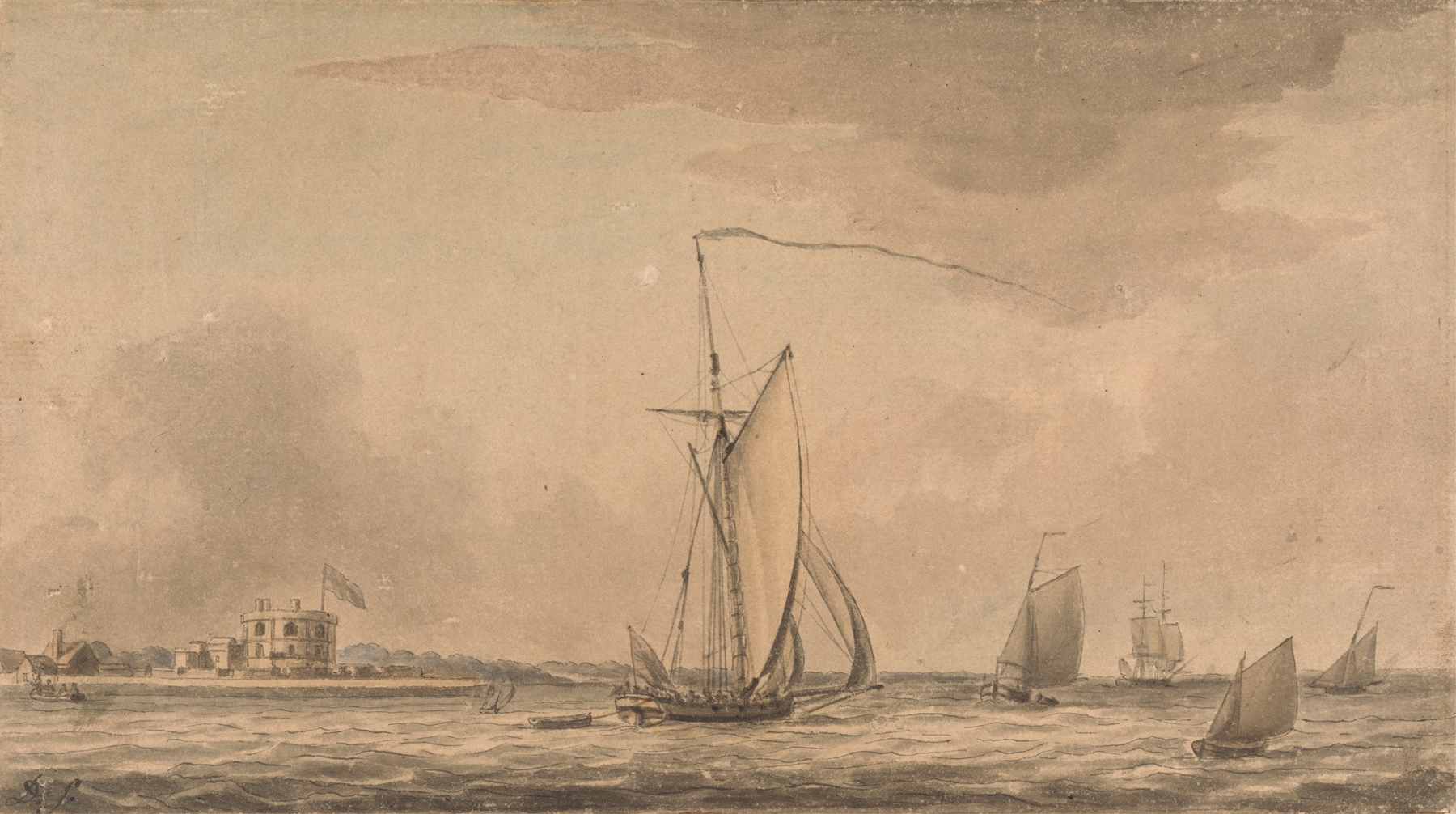
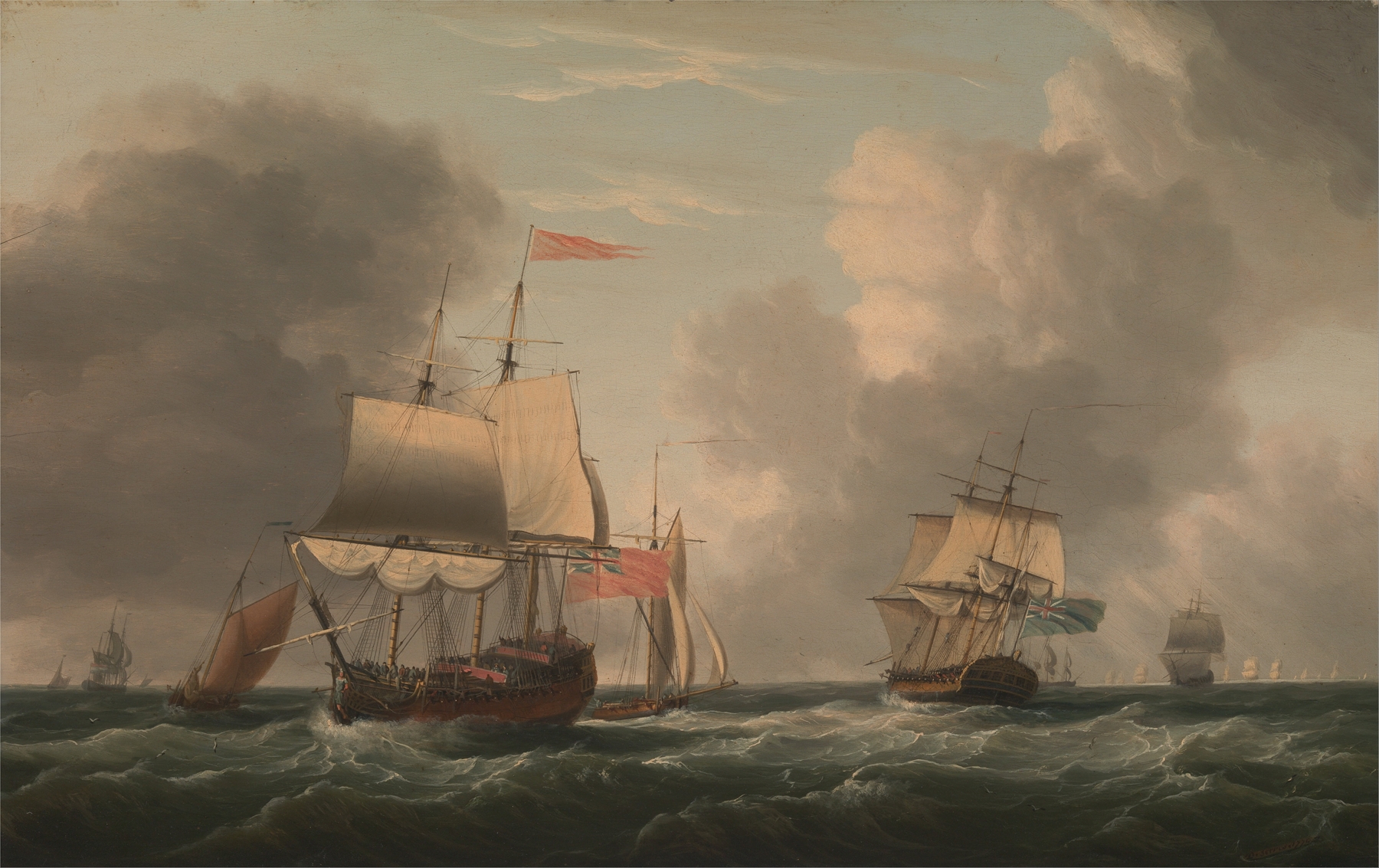
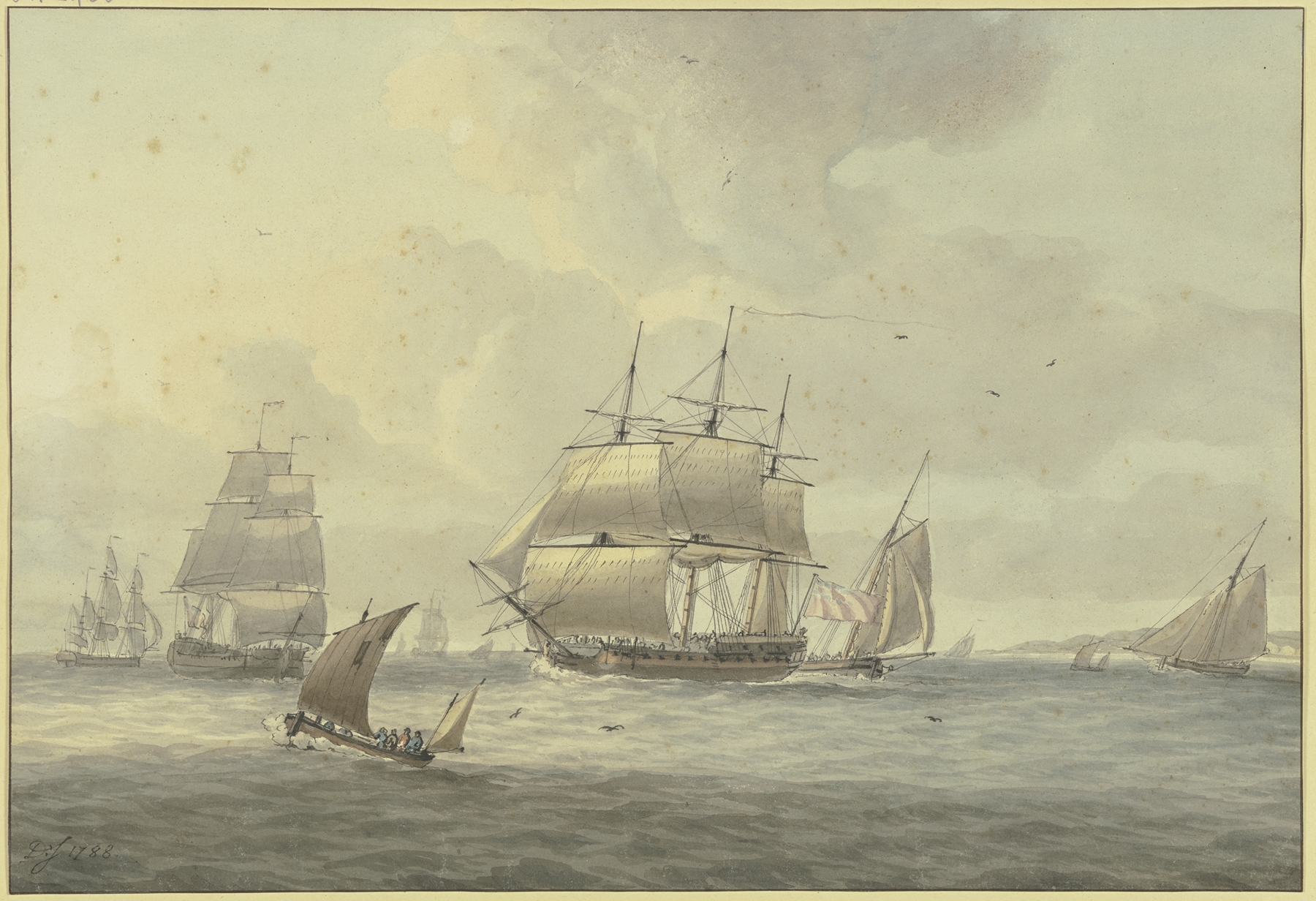
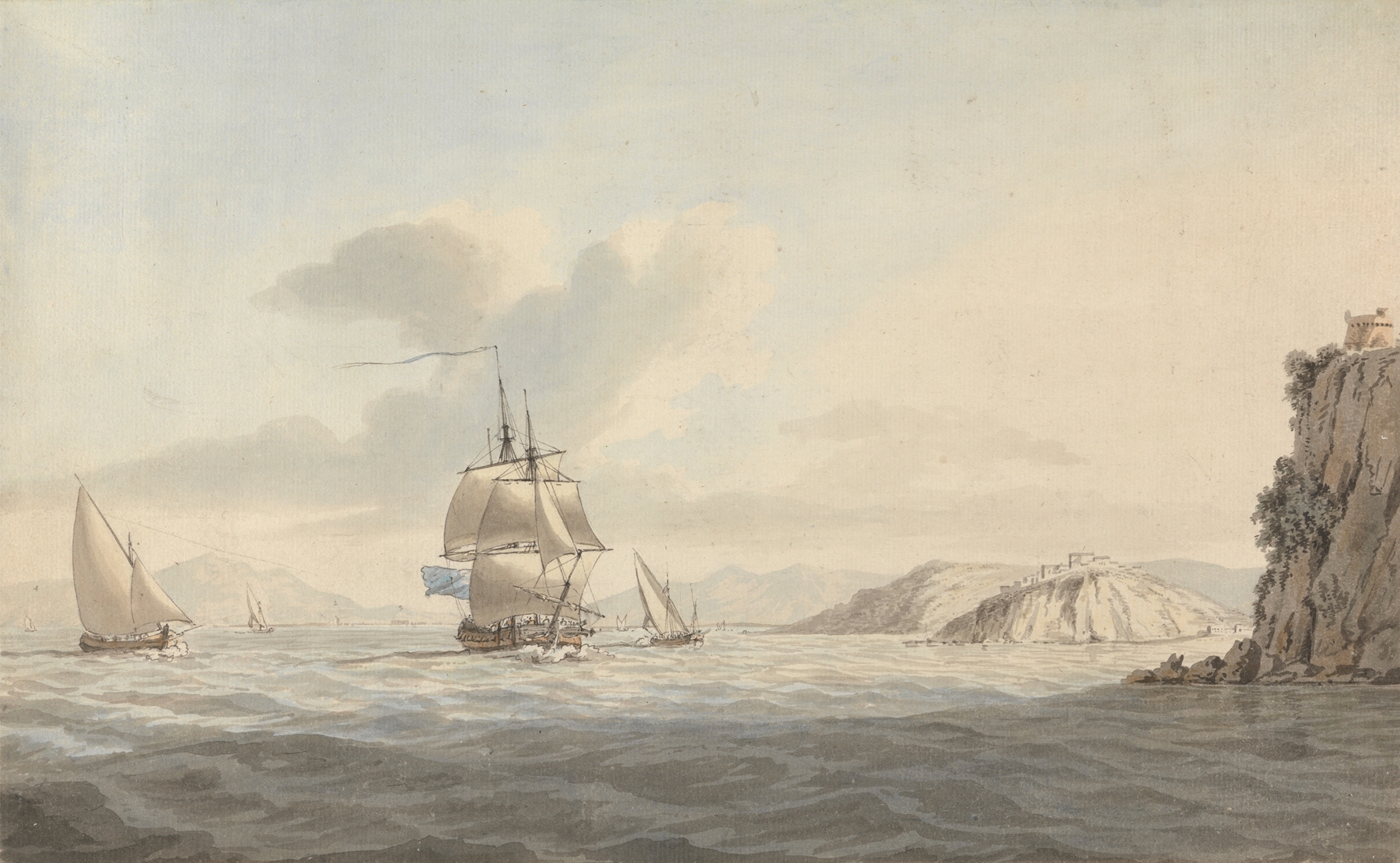
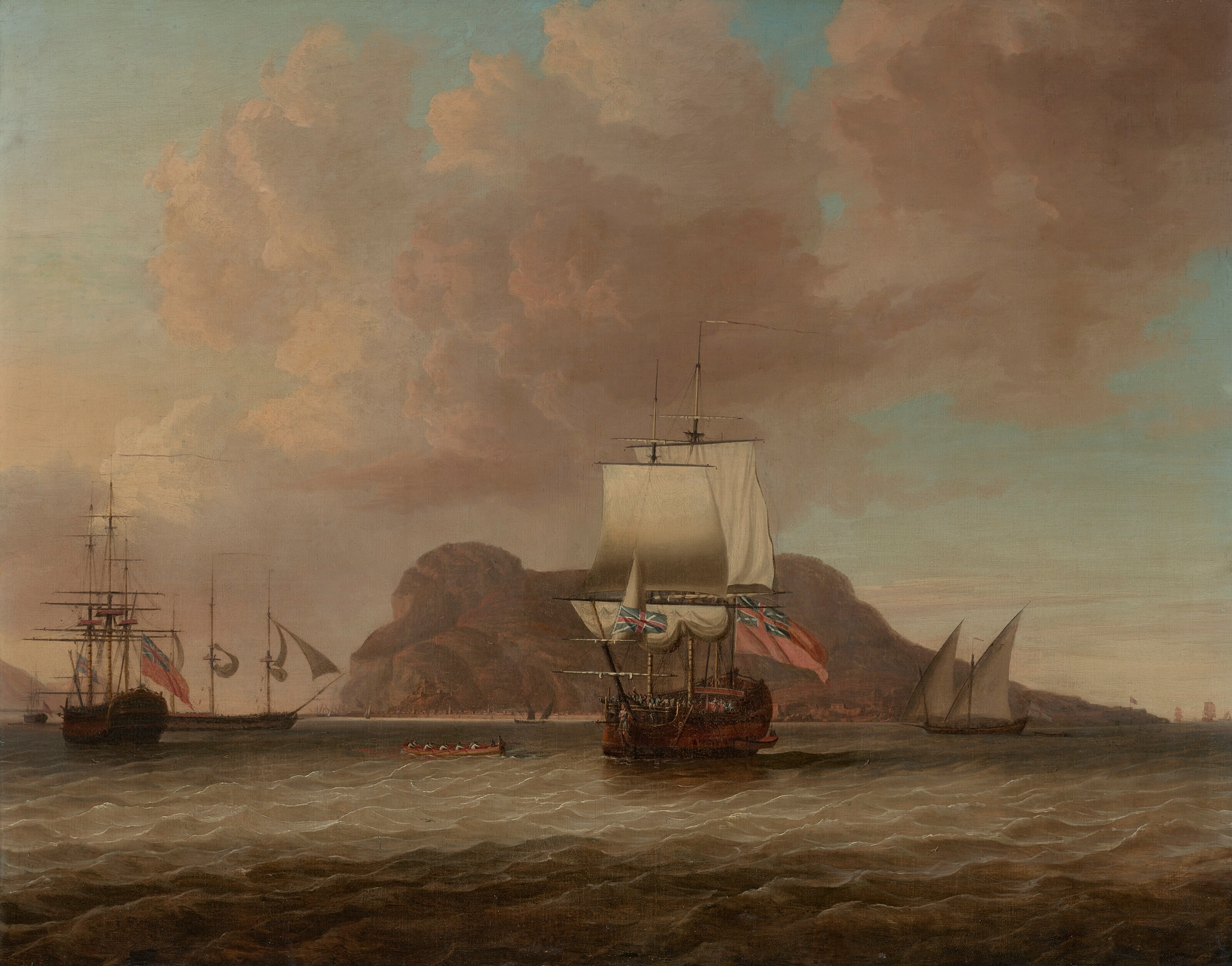
“Every silence here is a confession.” In the stillness of the moment, a vessel rests, sails unfurled, craving the caress of the sun's warmth. The grandeur of nature looms in the background, while a solitary castle stands witness, a testament to human ambition and temporal power against the vastness of the sea. Look to the left at the rigid silhouette of Calshot Castle, its stonework sharply defined against the soft watercolor sky. The frigate, seemingly alive, commands the center — its sails billowing, a dance of crisp whites and gentle blues. Notice the fluid brushwork that captures the shimmering sea, reflecting light as if it were a canvas of divine essence.
Each stroke invites contemplation, conjuring a sense of tranquility and reverence for both ship and shore. Beneath the surface of this tranquil setting lies a deeper interplay of themes. The juxtaposition of man-made structure and the natural expanse speaks to the tension between stability and freedom. The sails, drying in a moment of pause, symbolize potential and longing, evoking a sense of waiting for the next adventure or the call of the horizon.
Meanwhile, the castle's steadfast presence hints at the ephemeral nature of power, a reminder that grandeur is fleeting. In 1786, the artist captured this scene during a period of naval significance in Britain. Serres, deeply immersed in maritime culture, painted from the vantage of his own seafaring experiences, reflecting the burgeoning interest in naval prowess and exploration of the era. This work encapsulates not only the beauty of the frigate but also the spirit of an age where the sea was both a battleground and a cradle of dreams.