Agropoli, The Temples of Paestum, and the Bay of Salerno — History & Analysis
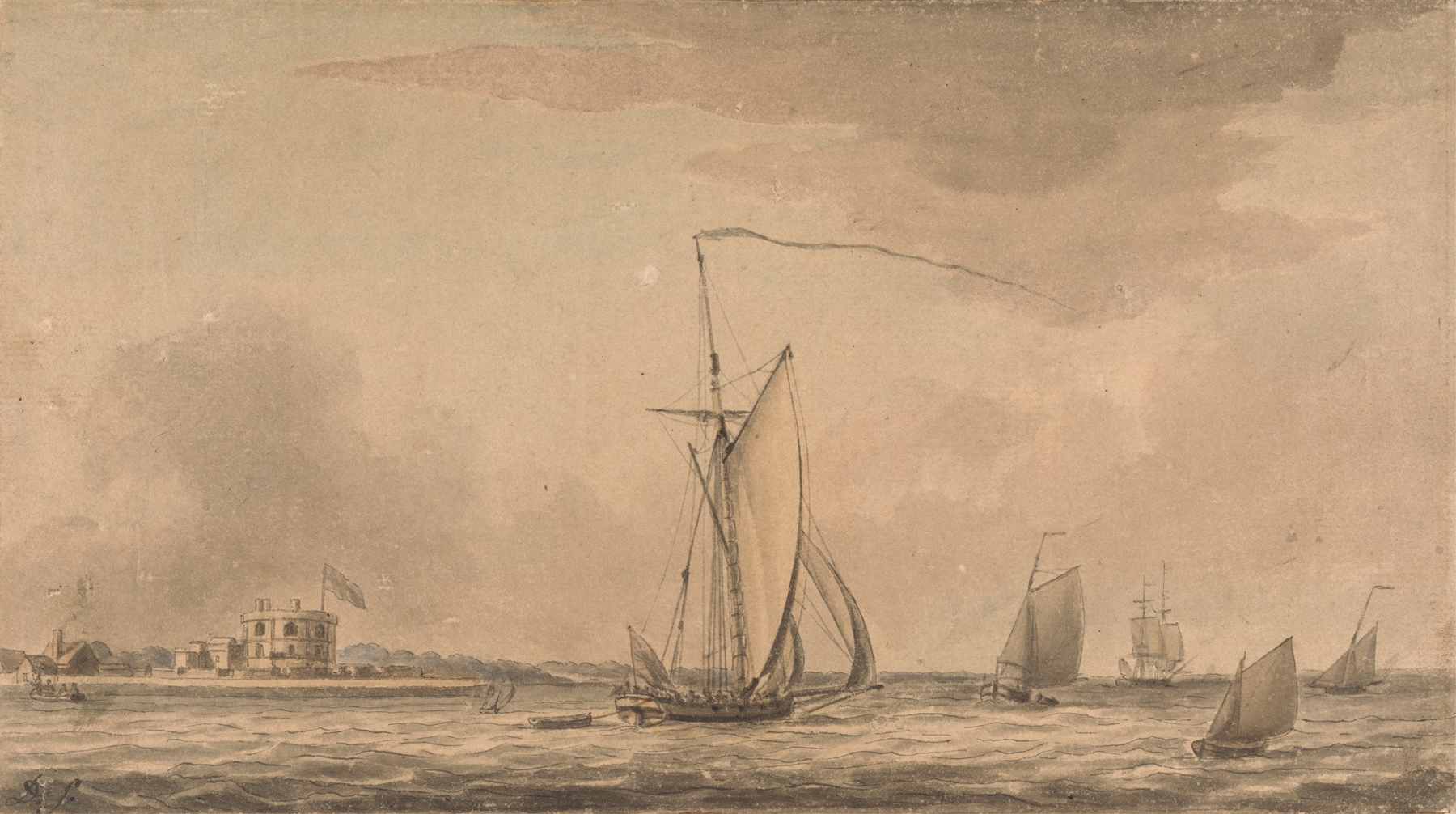
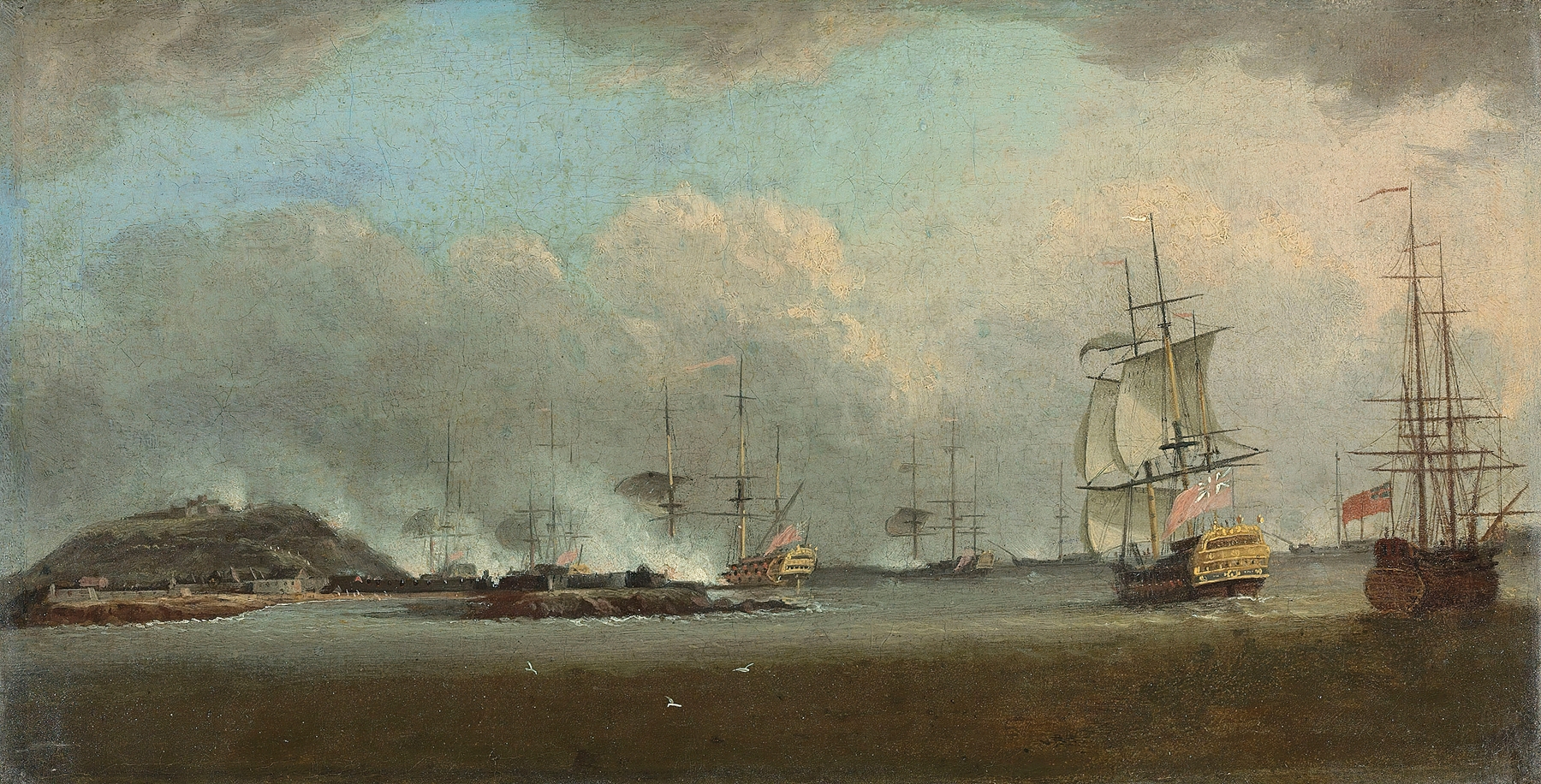
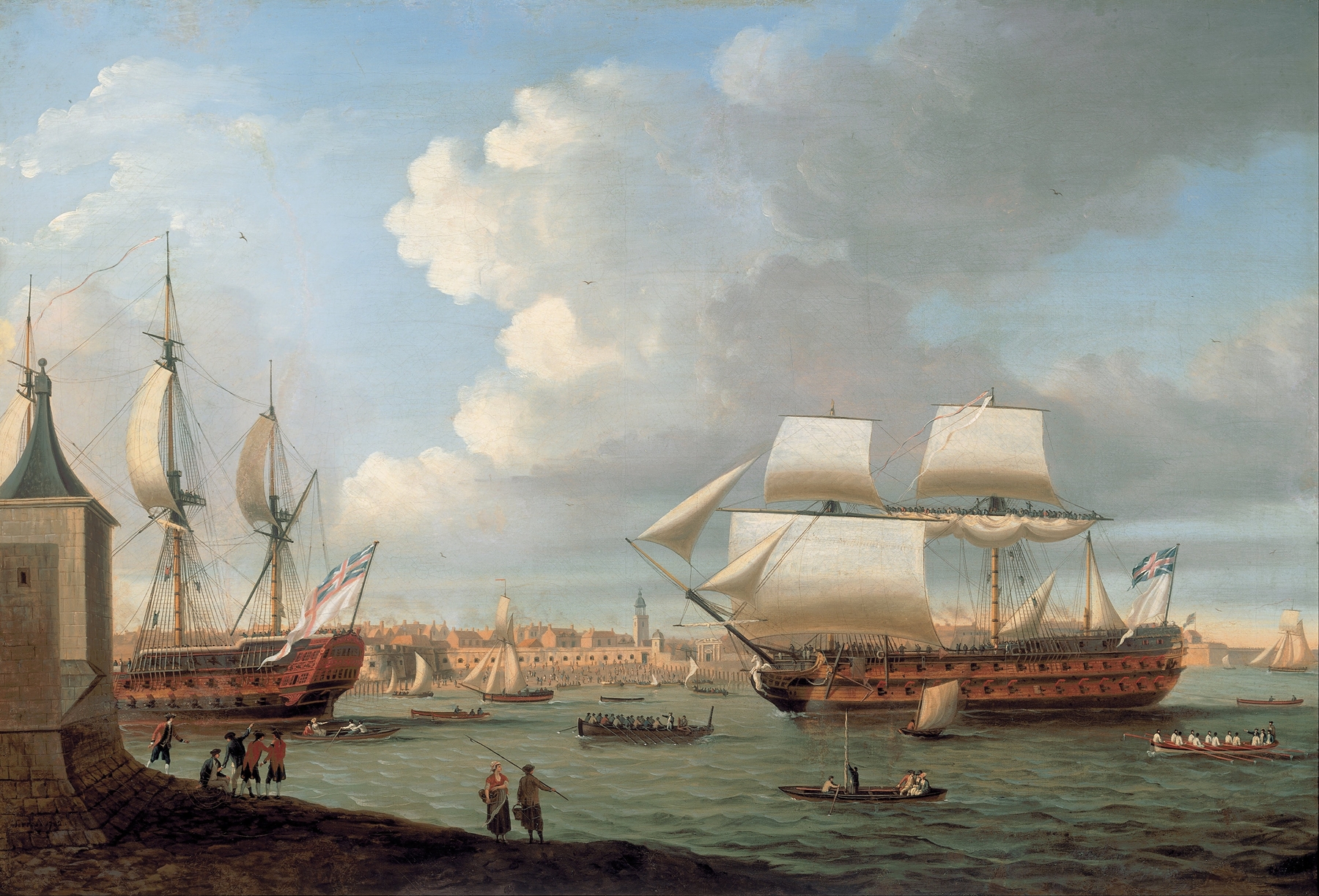
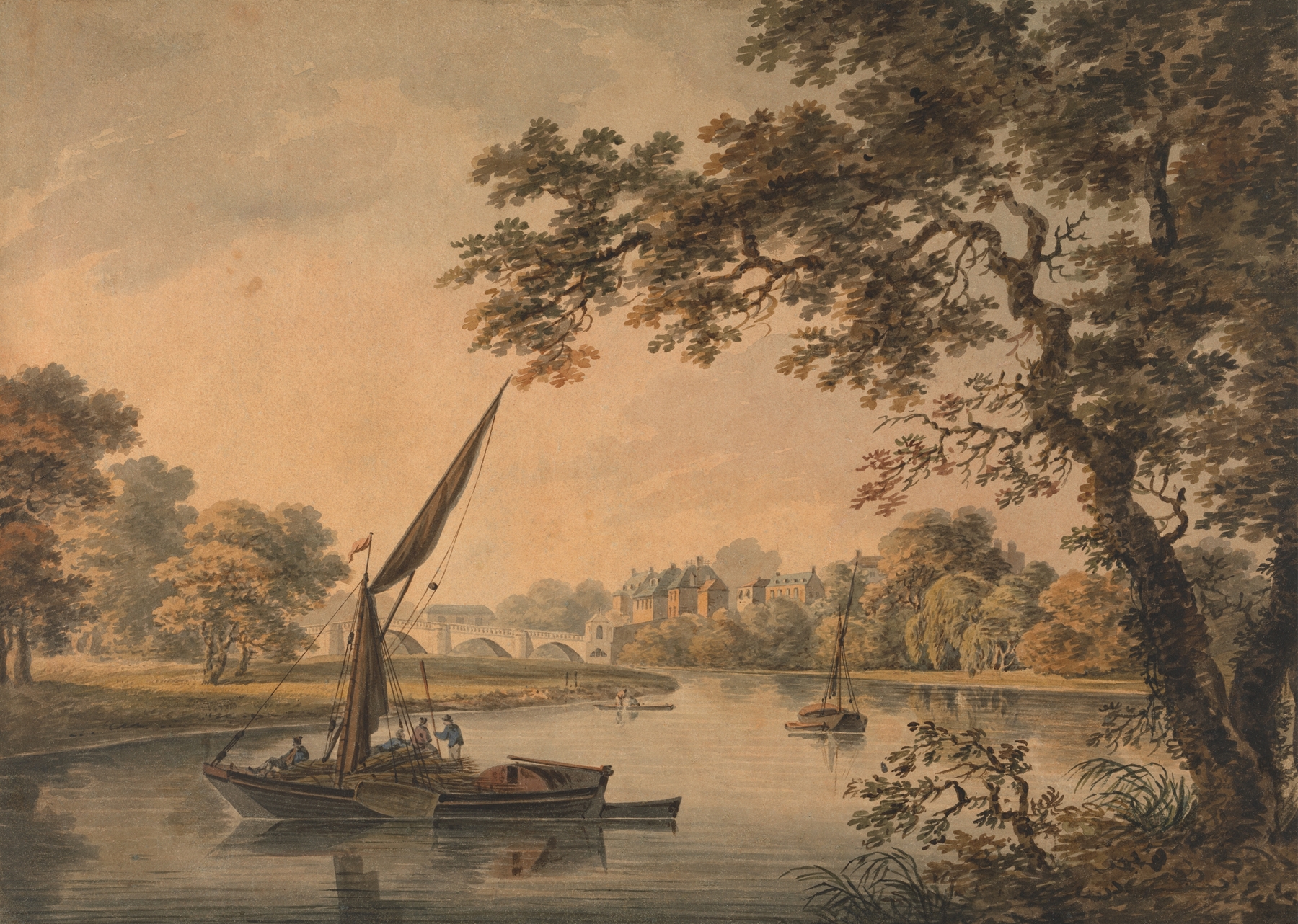
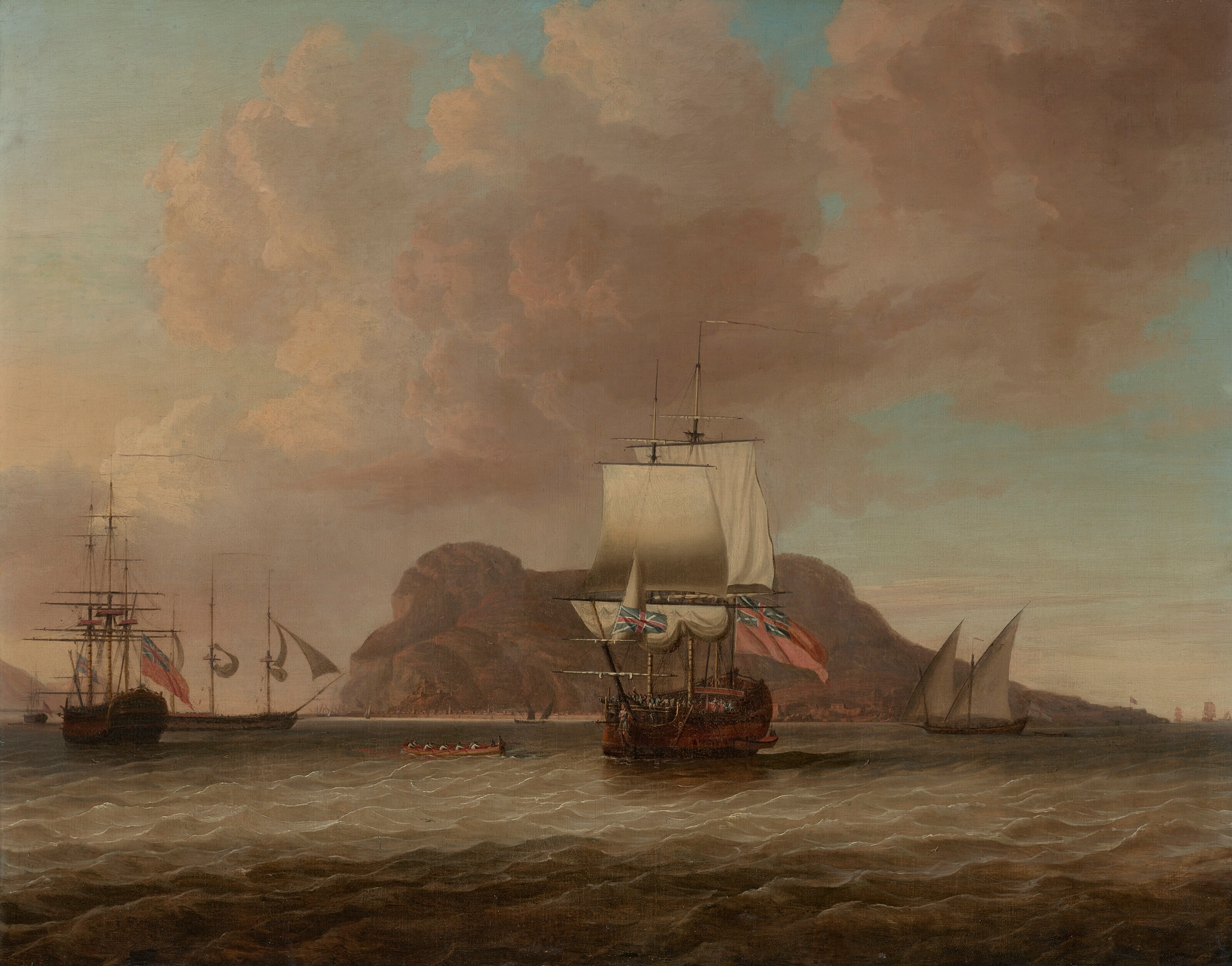
“Between color and silence, truth hides.” In a world on the brink of revolution, art becomes a silent witness to the unfolding drama of history — a canvas imbued with both beauty and tension. Look closely at the foreground, where the crumbling temples of Paestum rise majestically against the shimmering azure of the Bay of Salerno. The architectonic lines are taut, inviting the viewer’s gaze upwards, while soft brushstrokes depict the gentle caress of light on the stones. The color palette, a harmonious blend of earthy tones and vibrant blues, evokes a sense of nostalgia yet hints at the passage of time, suggesting that these ancient structures, once vibrant with life, now stand in silent reverie.
Beneath the tranquil surface lies a contrast between permanence and decay. The temples, symbols of glory and civilization, are juxtaposed against the fluidity of the sea, which represents both the passage of time and change. Each weathered stone tells a story of resilience, yet the encroaching darkness on the horizon foreshadows the impending upheaval, reminding us that even the grandest of legacies are vulnerable to the tide of history.
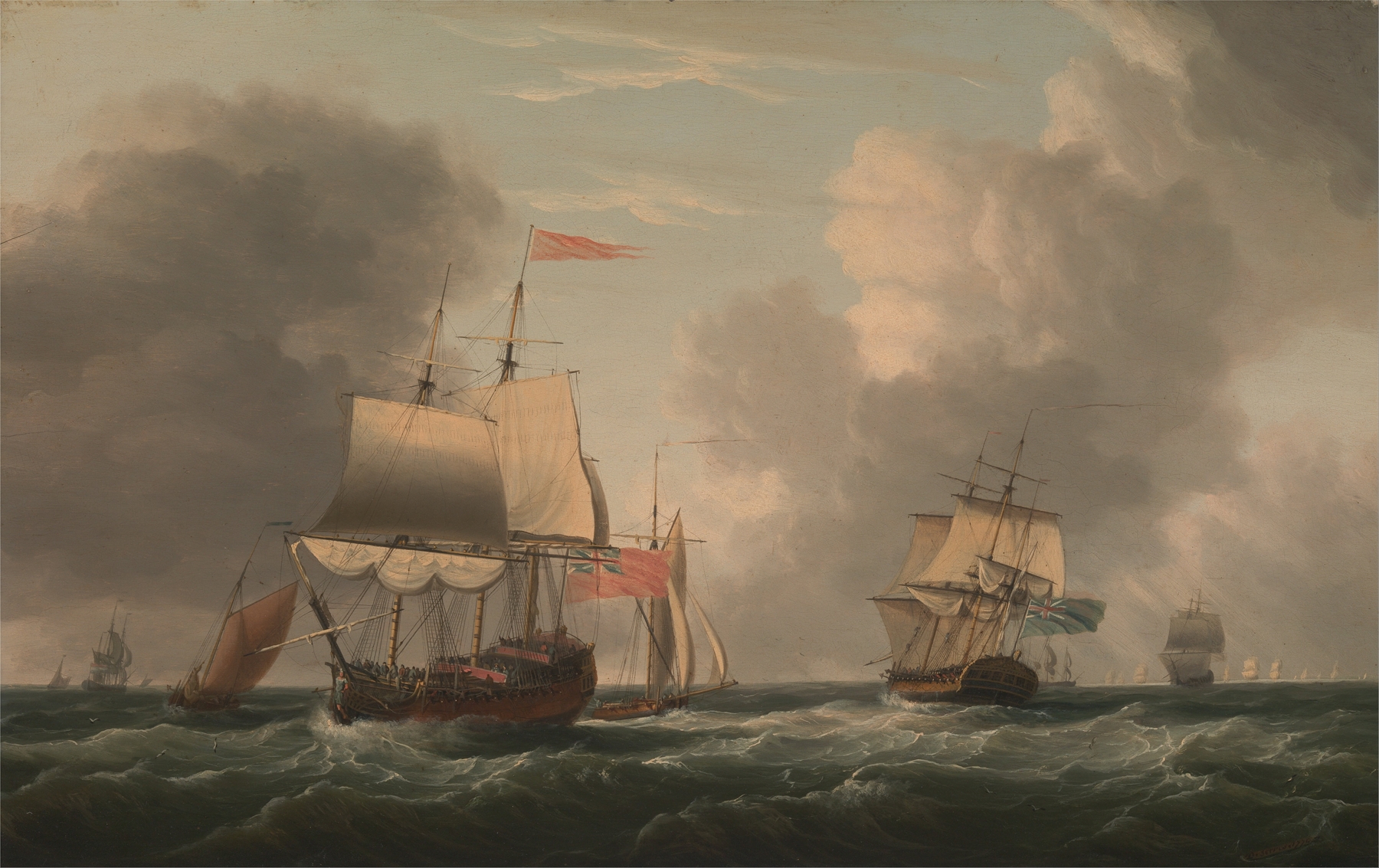
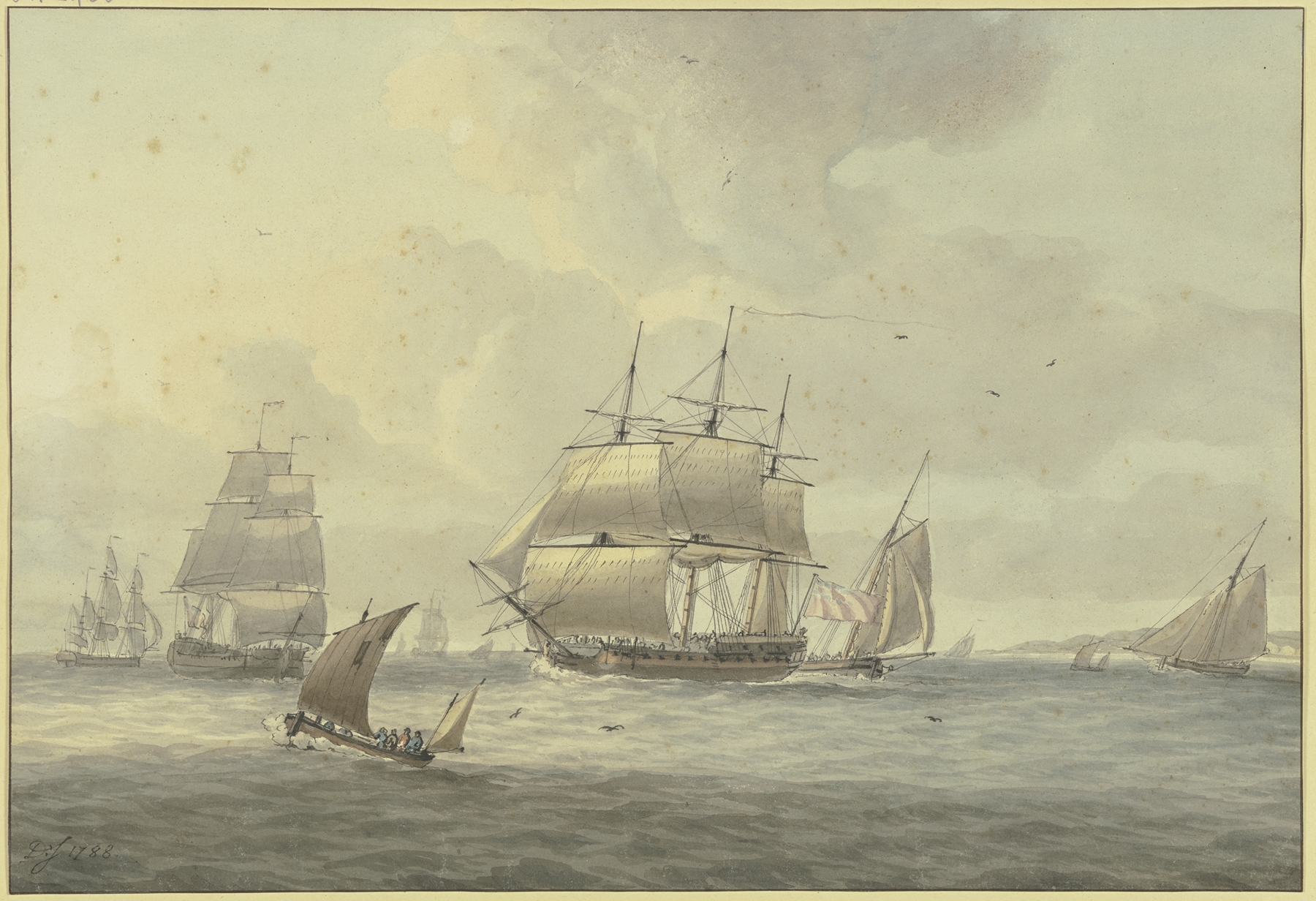
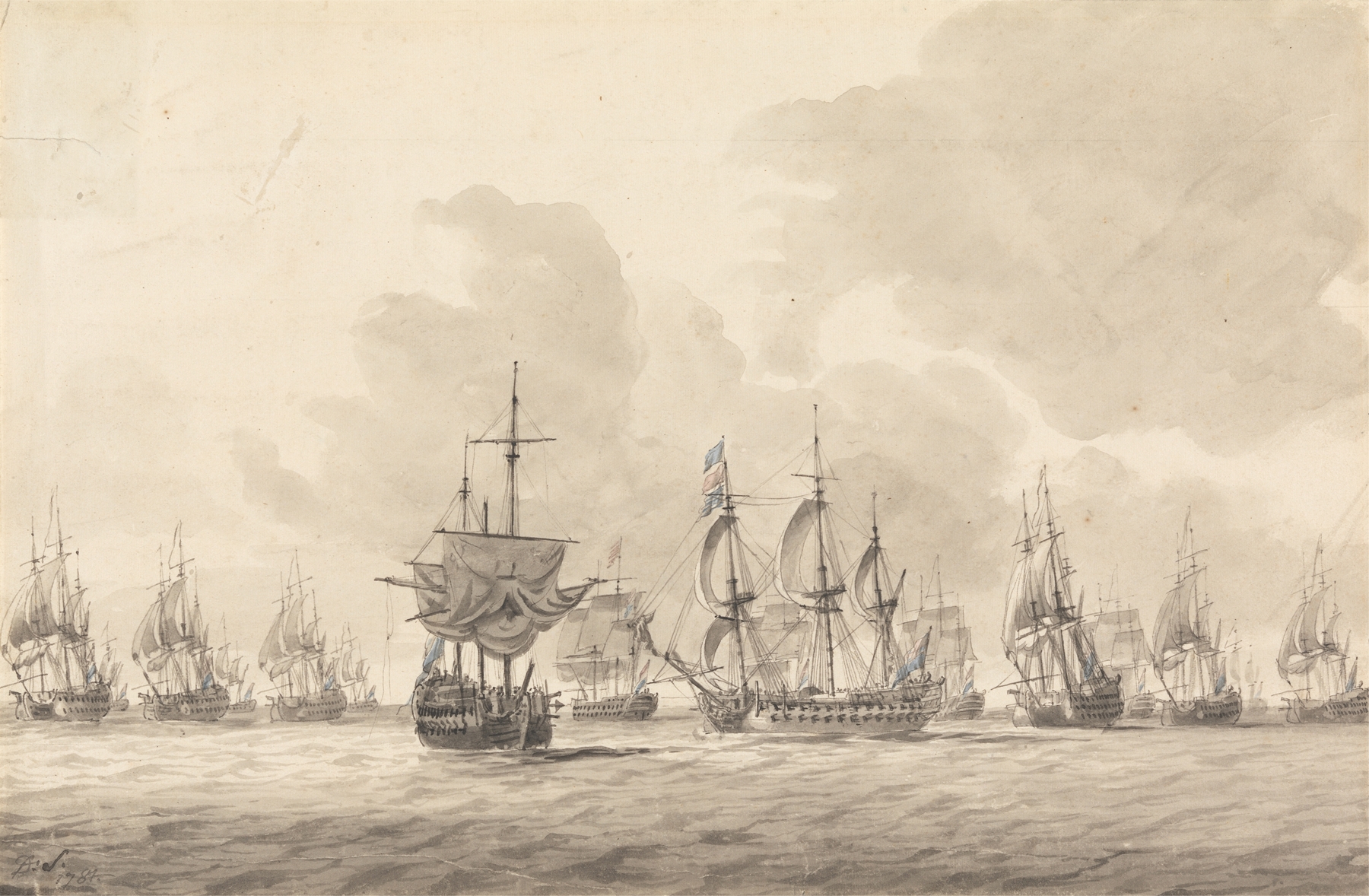
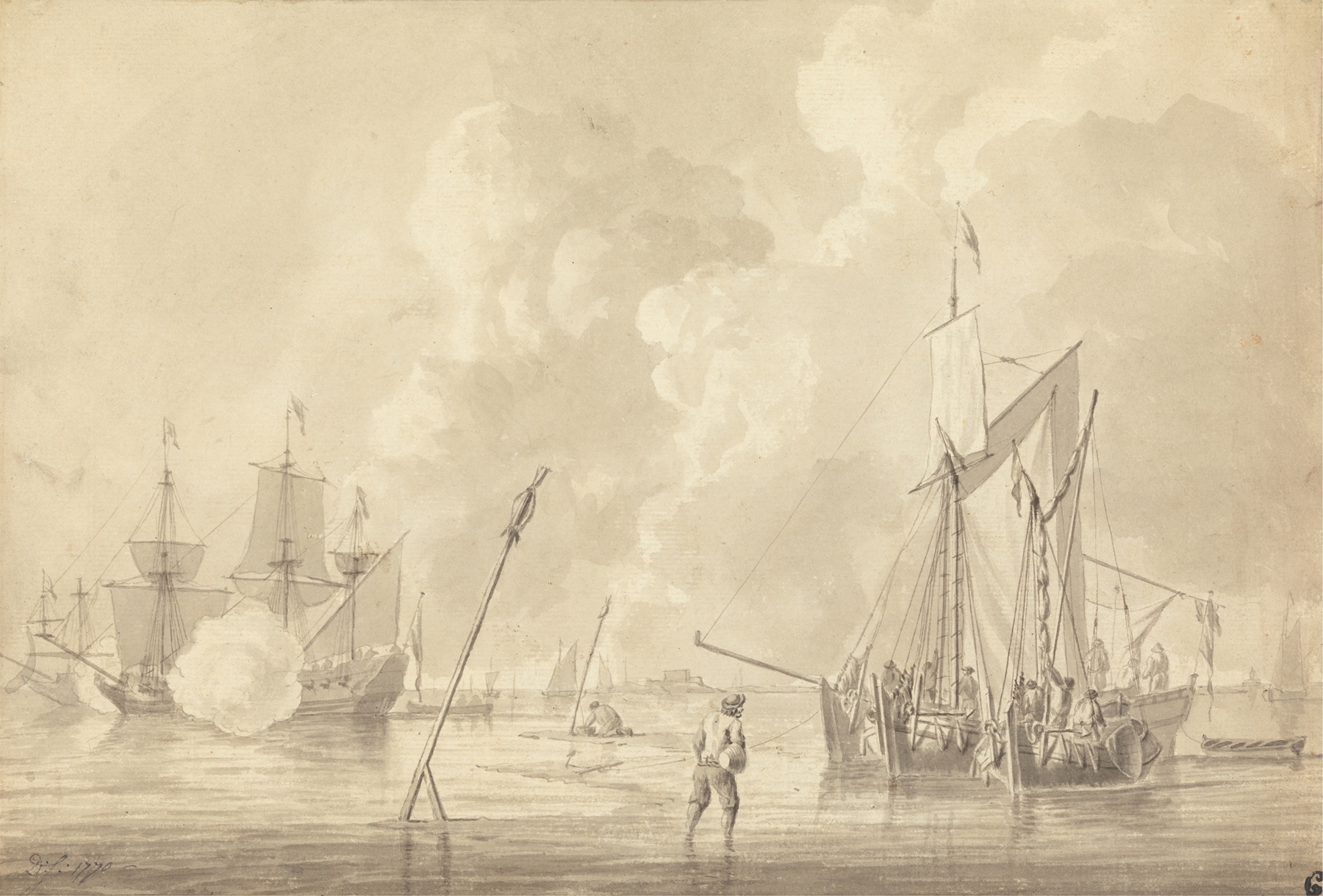
Dominic Serres painted this work between 1758 and 1793, a period rife with social and political upheaval across Europe. As revolutionary ideals began to stir, the artist found himself immersed in a dynamic art world that was responding to and reflecting these changes. He sought to capture the sublime beauty of the ancient world while hinting at the tensions that lay beneath the surface, making this piece a poignant commentary on the fragility of both art and civilization itself.