A Bridge over the Thames, with sailing barges in the foreground — History & Analysis
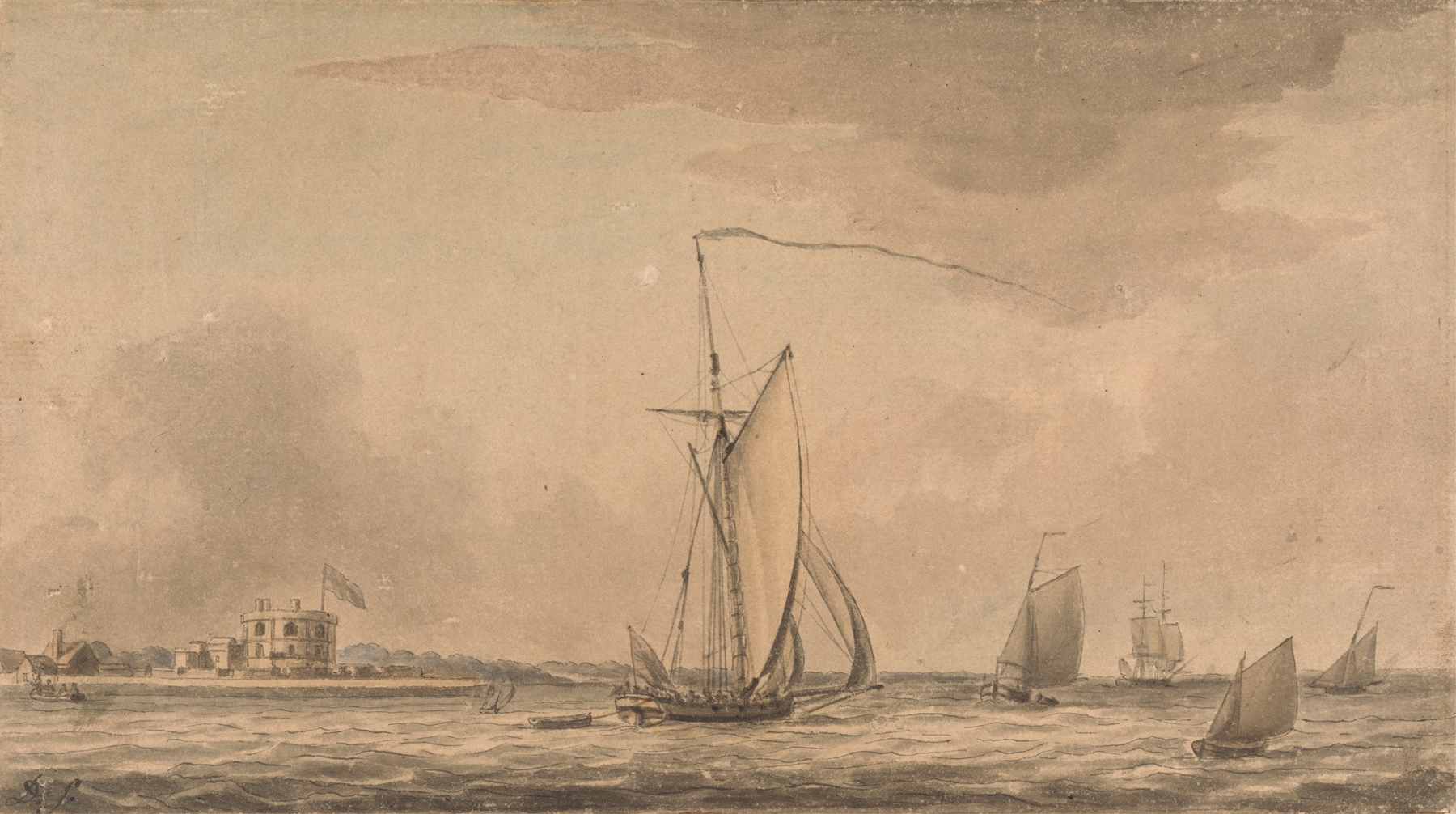
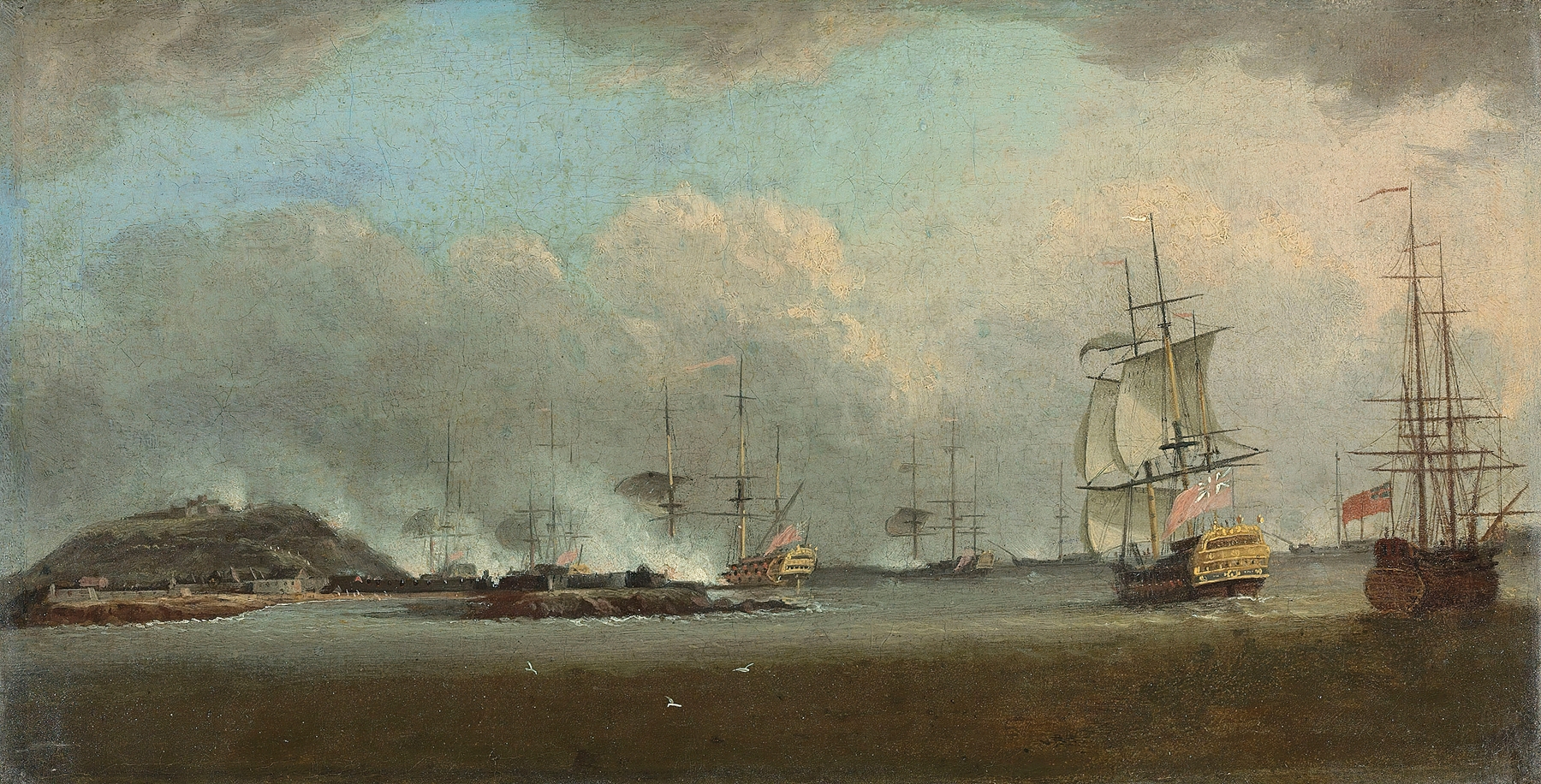
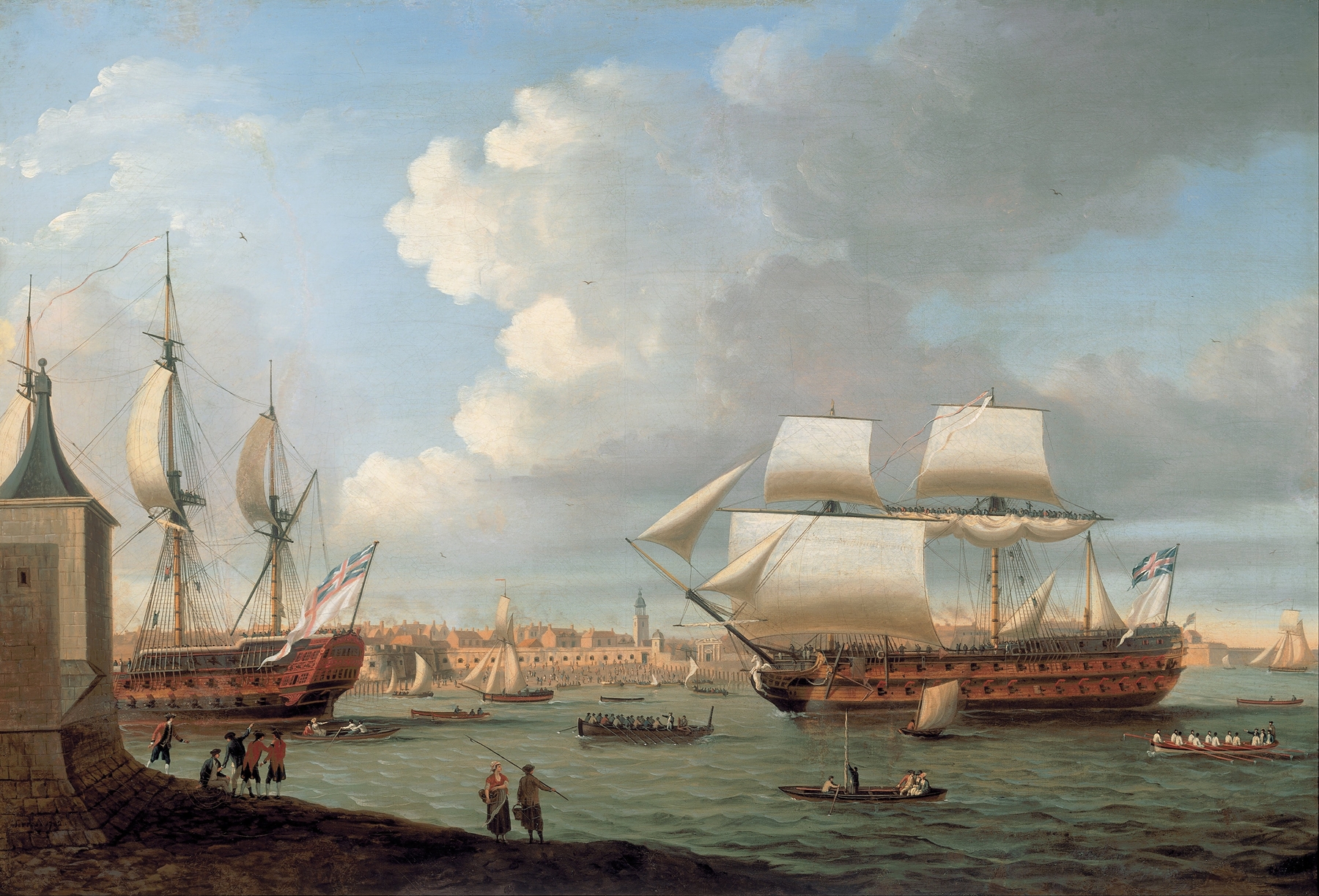
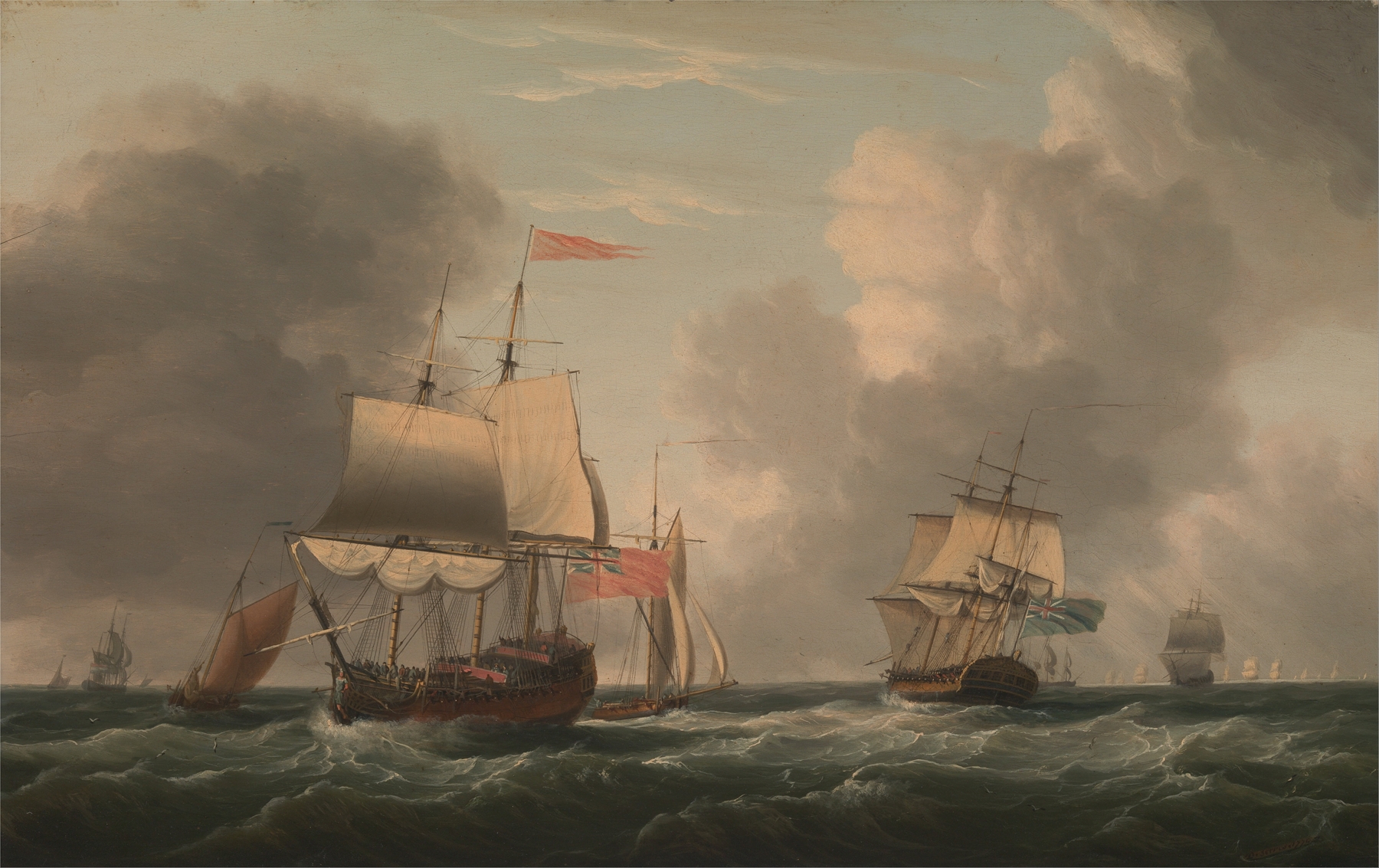
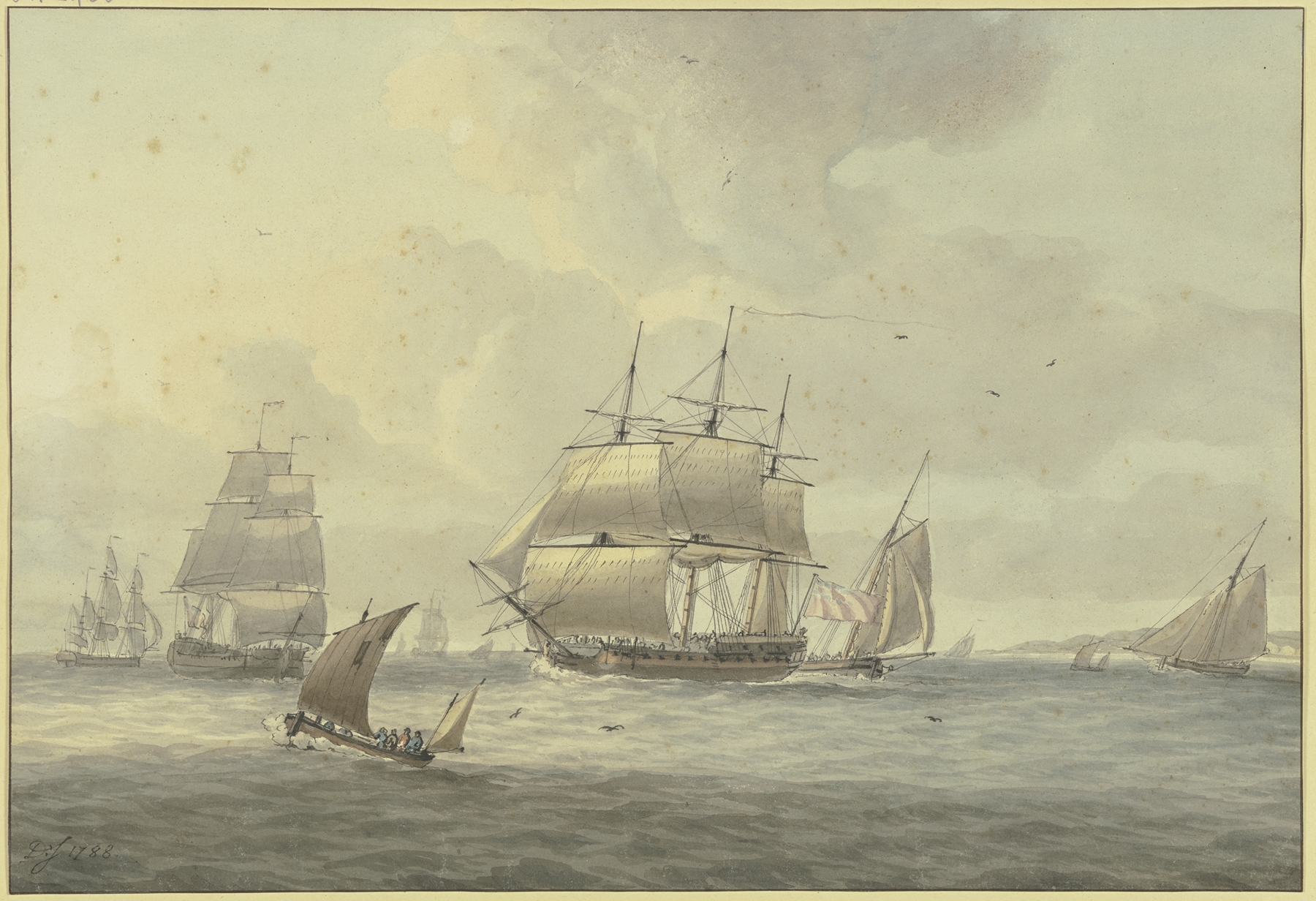
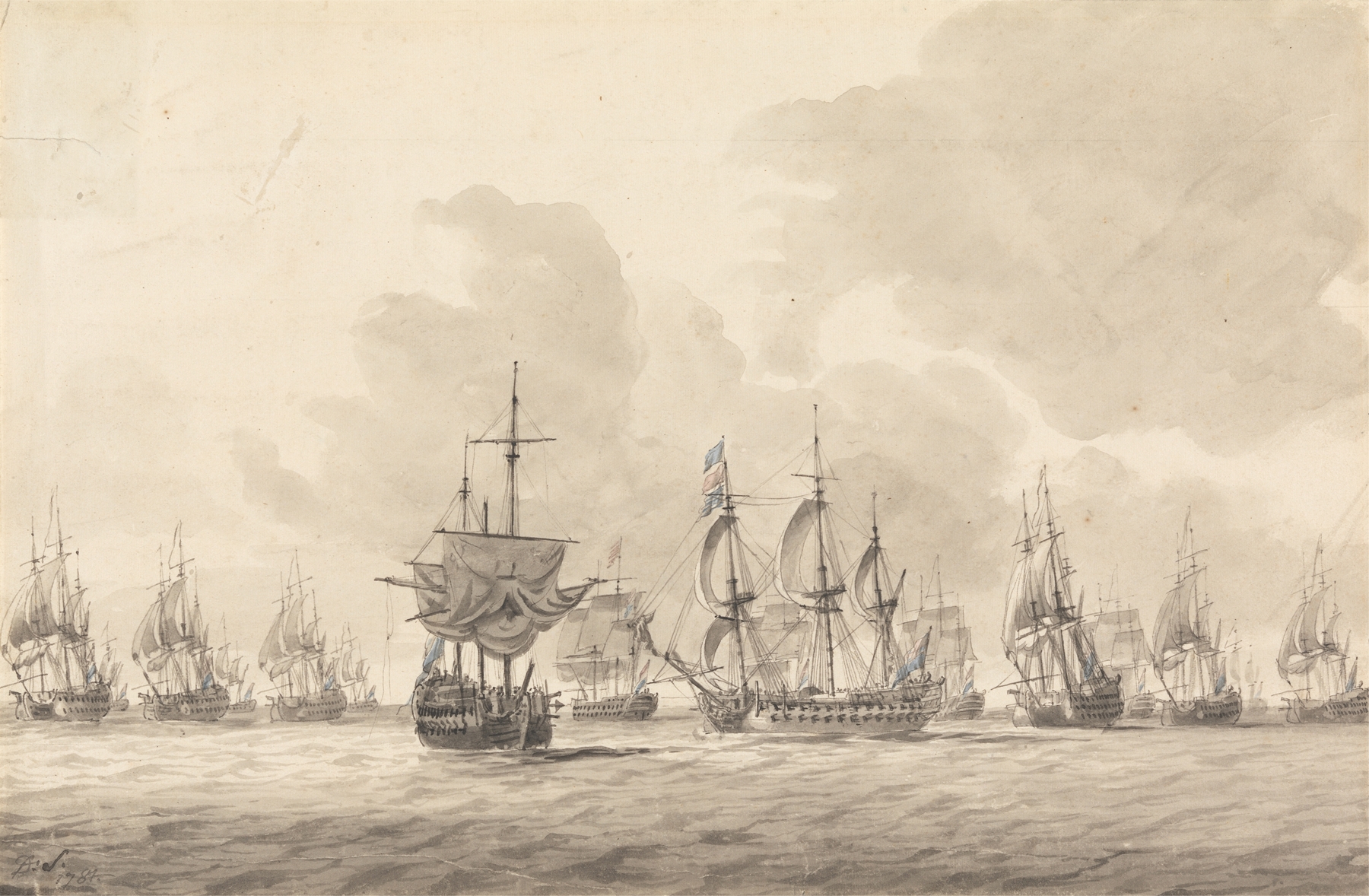
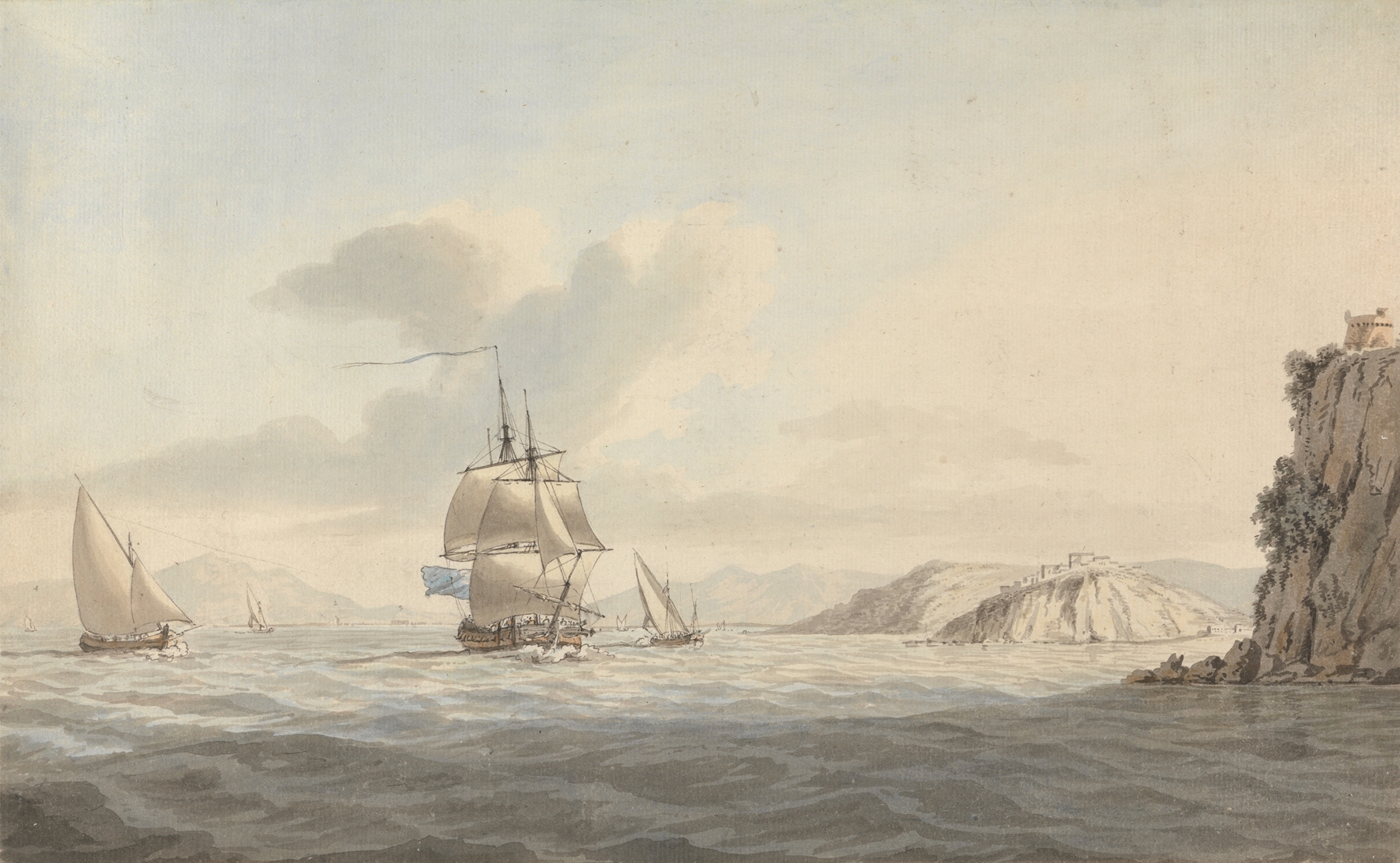
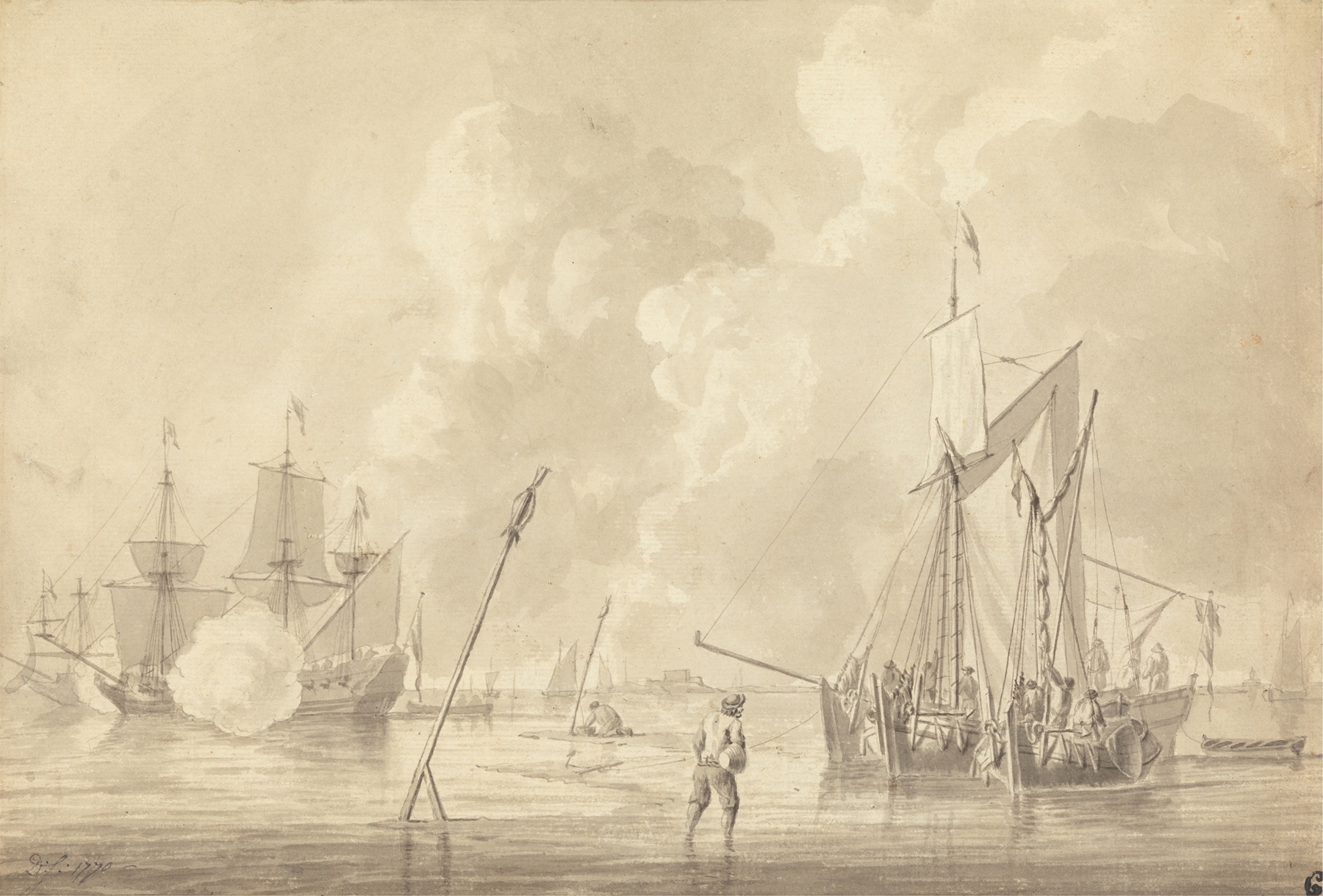
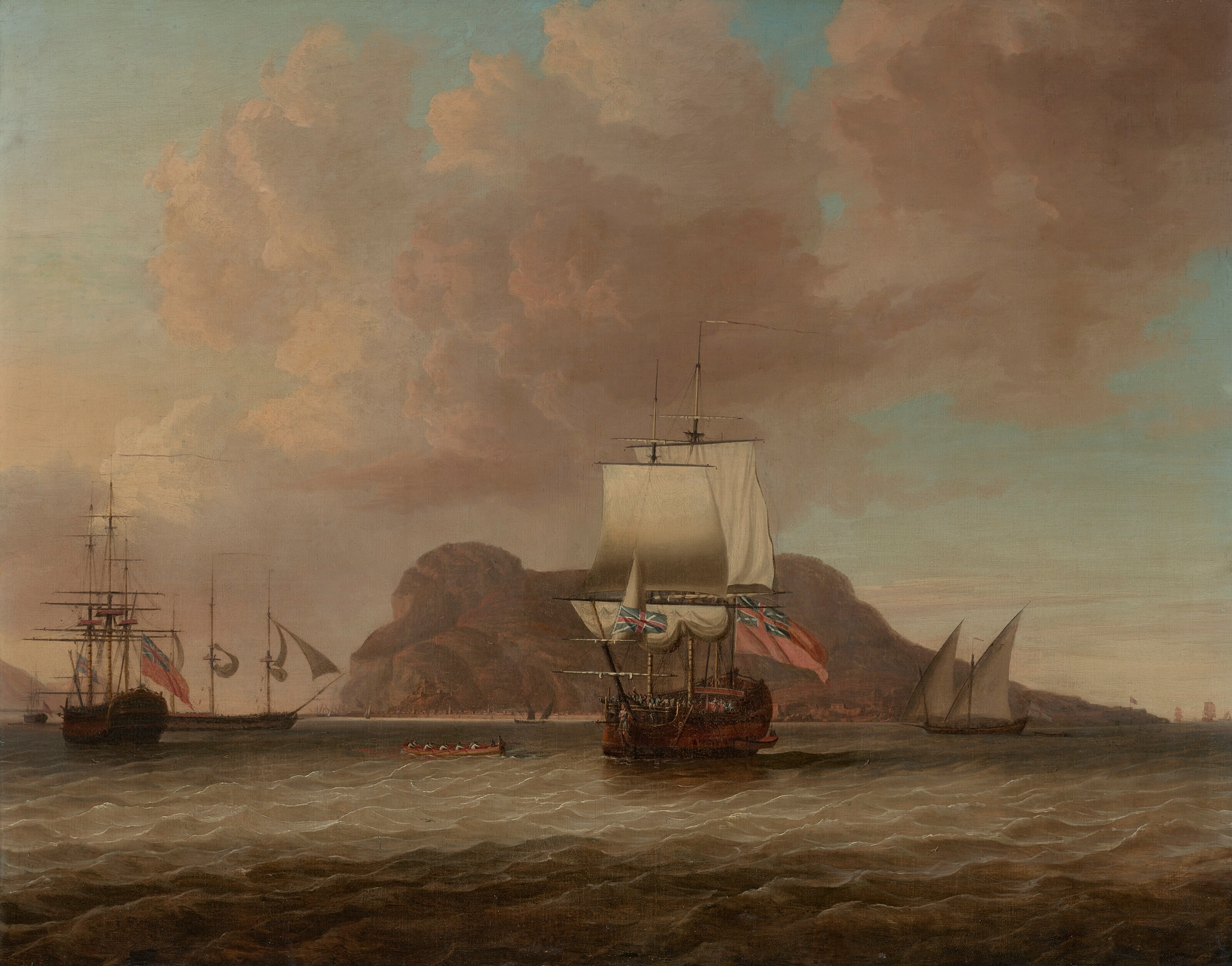
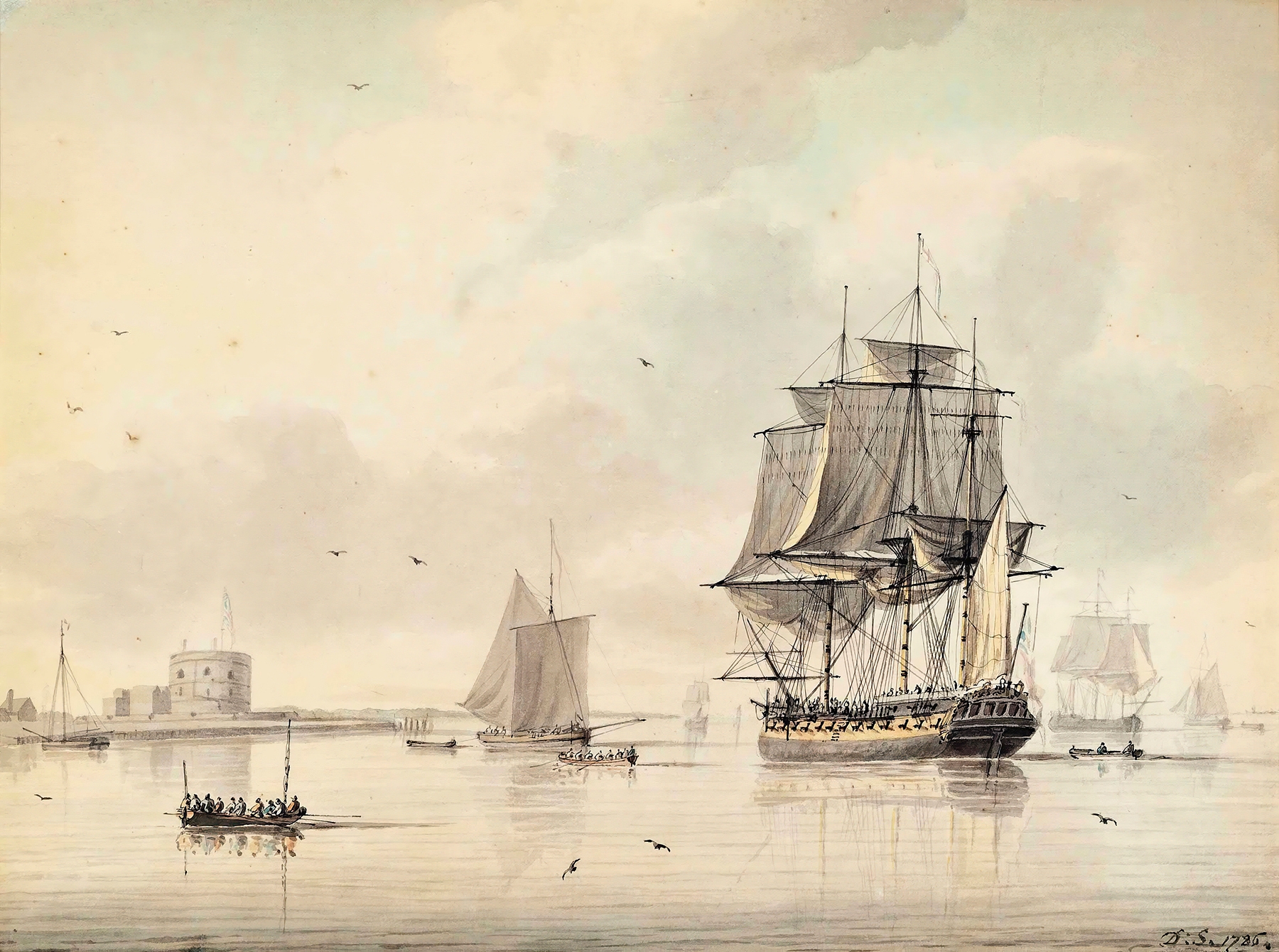
What secret hides in the quiet of the canvas? Below the surface of A Bridge over the Thames, with sailing barges in the foreground, there lies an interplay of transience and permanence, where the decay of time whispers softly through each brushstroke. Look to the left, where the graceful arches of the bridge rise majestically, their reflections shimmering in the water’s gentle embrace. Notice the muted palette—soft blues and greys, punctuated by the earthy browns of the barges—inviting you to linger on the edges of this scene.
The careful layering of paint reveals the artist's deft hand, allowing the clouds to meld seamlessly with the horizon, while the billowy sails capture a breeze that feels almost palpable. Within this serene tableau, the tension between nature and man emerges vividly. The barges, vessels of commerce, suggest a bustling existence, yet their stillness hints at a world on the verge of decay, as industry encroaches upon tranquility.
Meanwhile, the bridge stands as a symbol of progress and connection, yet its stonework shows signs of age, reminding us that even the strongest structures surrender to time. Dominic Serres created this work during a period marked by significant shifts in British art, where neoclassicism began to influence landscape painting. Painted between 1758 and 1793, he found himself at a crossroads of tradition and innovation, capturing both the beauty and the inevitable decline inherent in the natural world and human endeavor.