The Battle of the Dogger Bank, 5th August, 1781 — History & Analysis
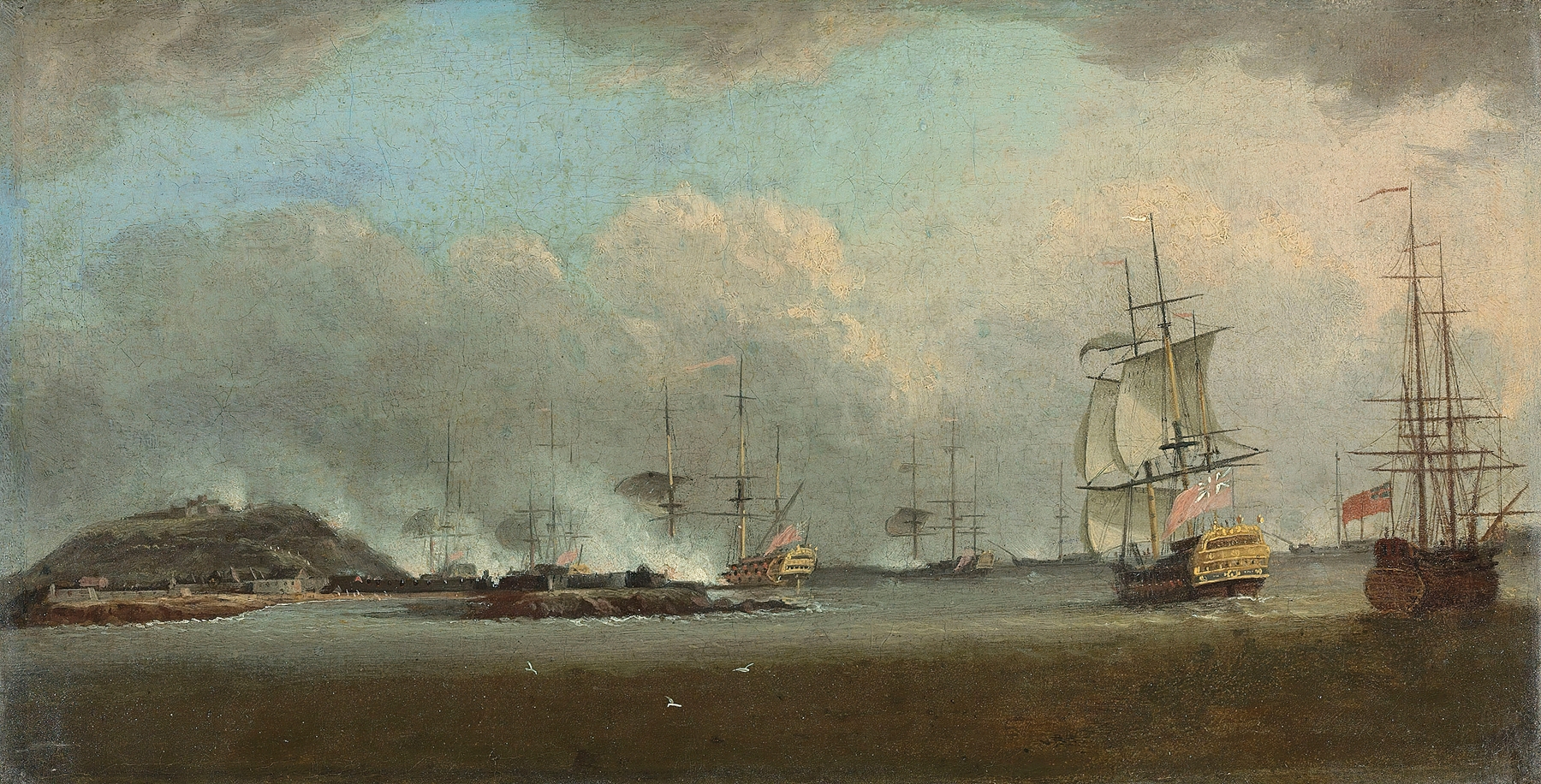
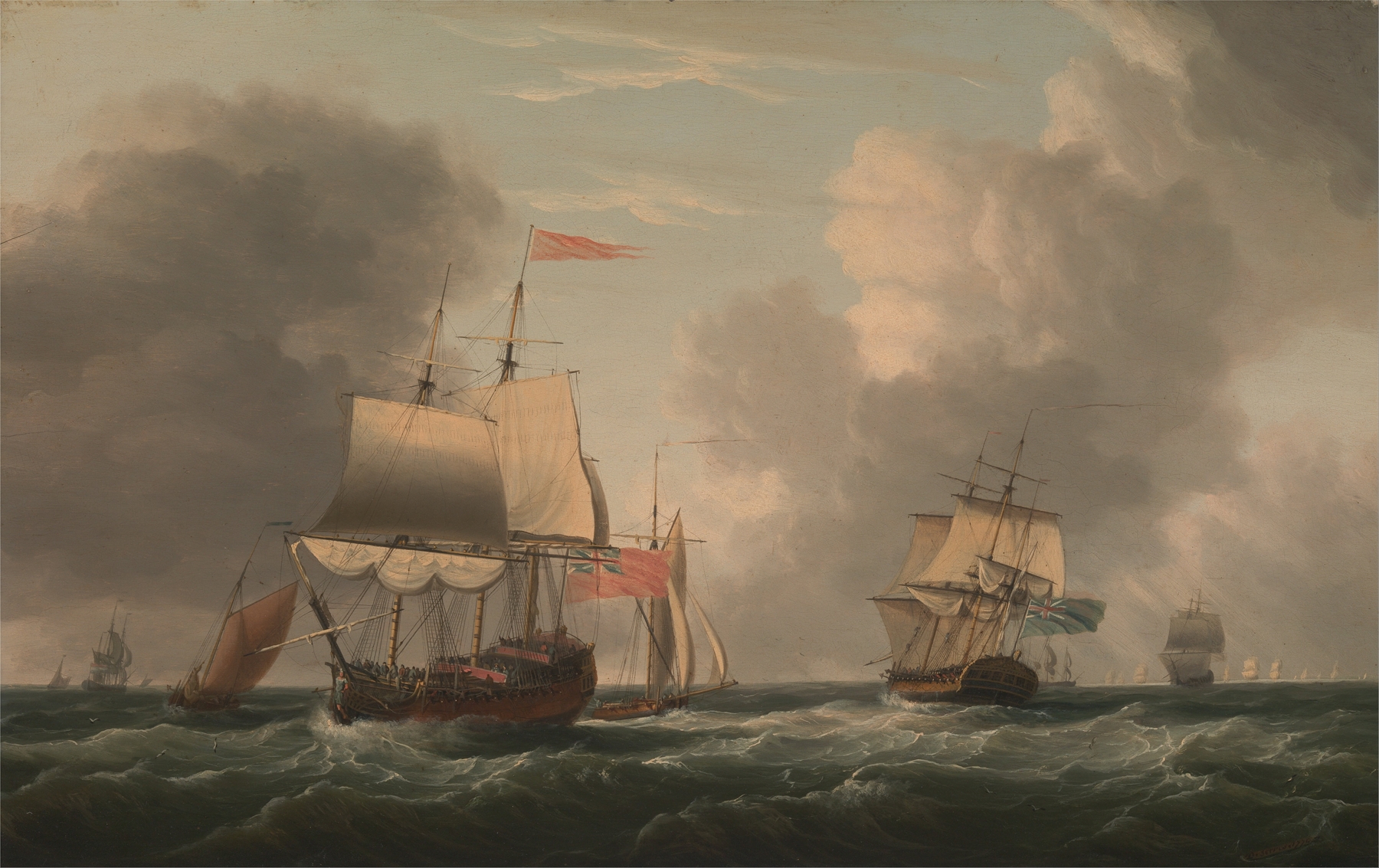
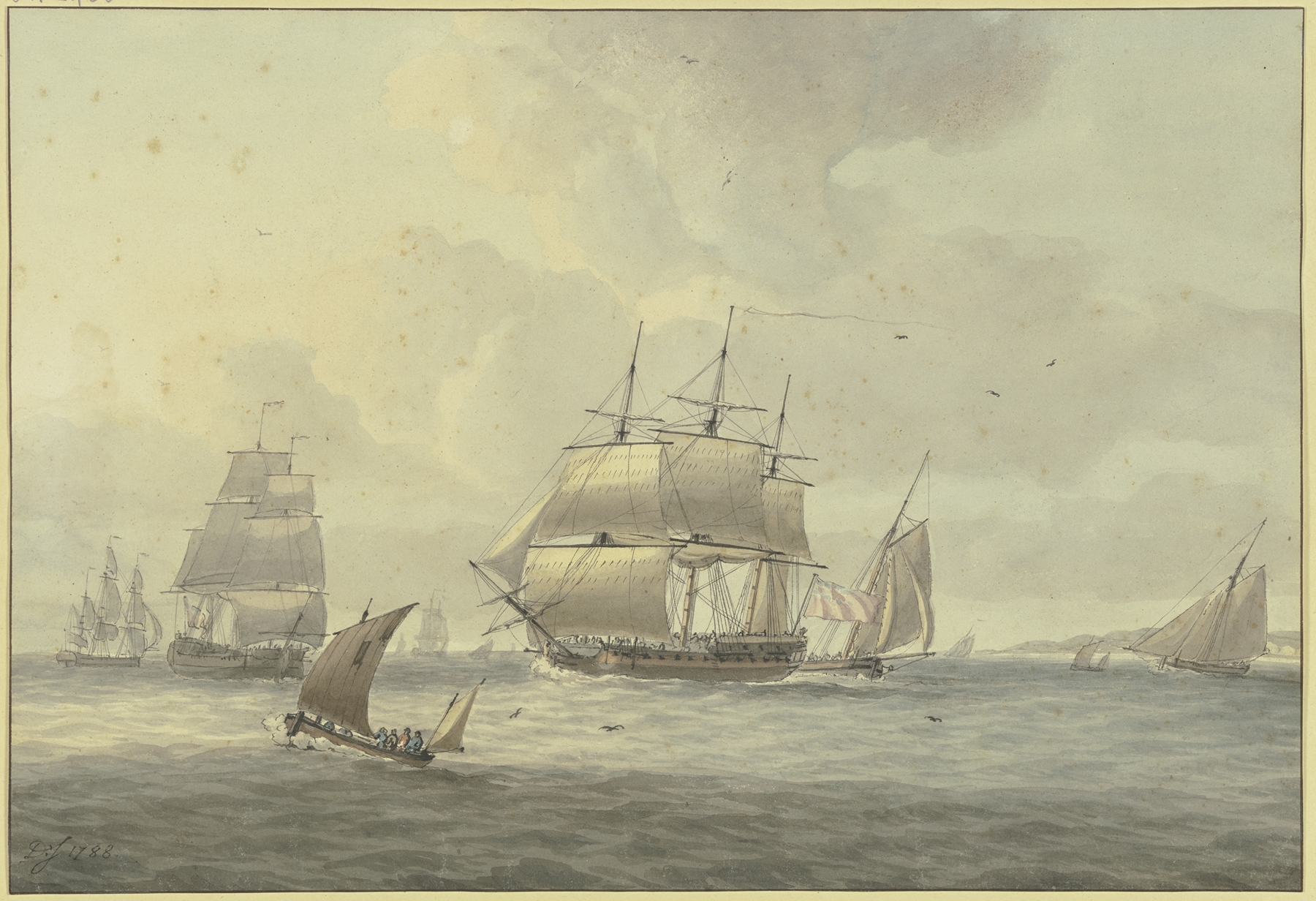
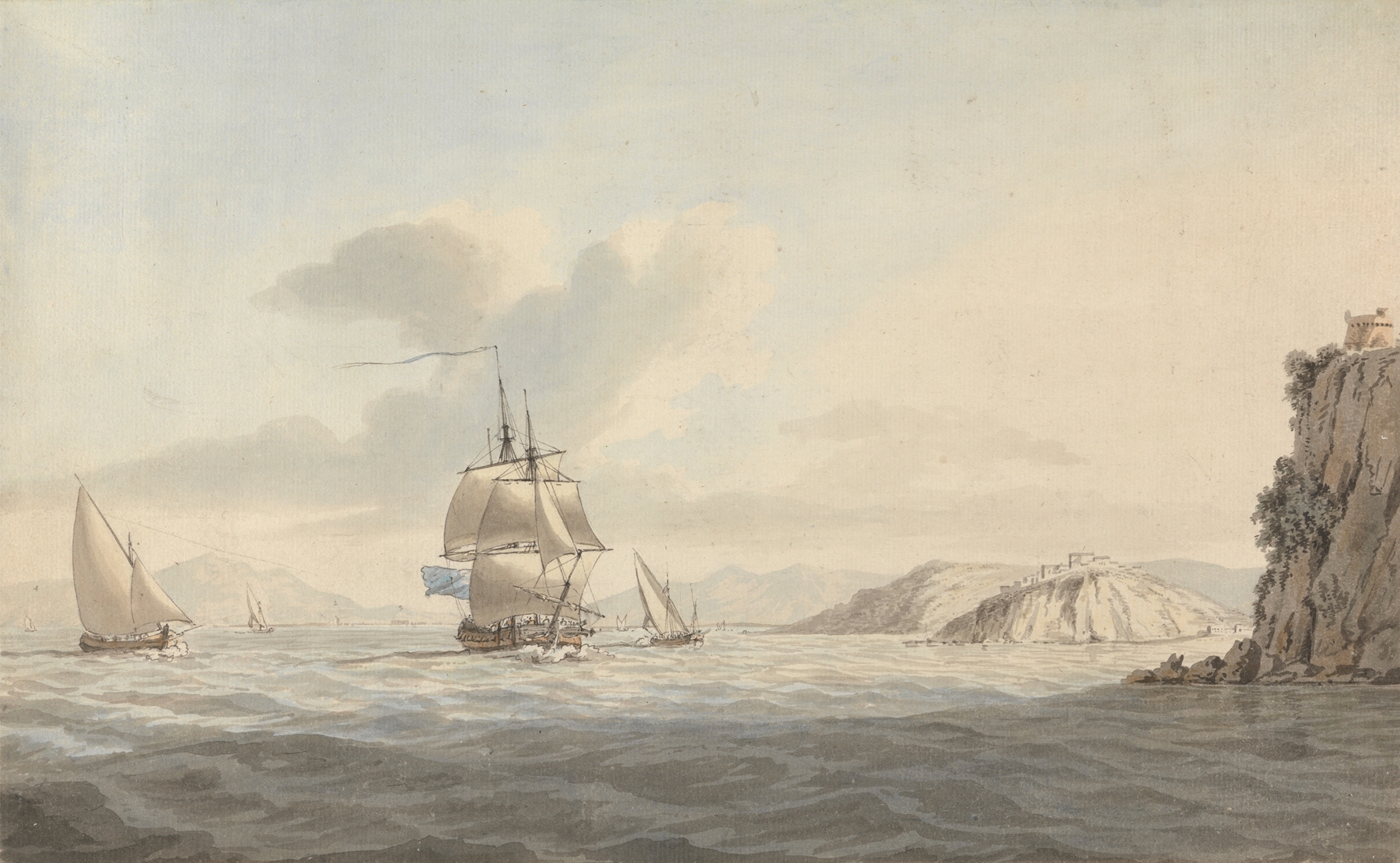
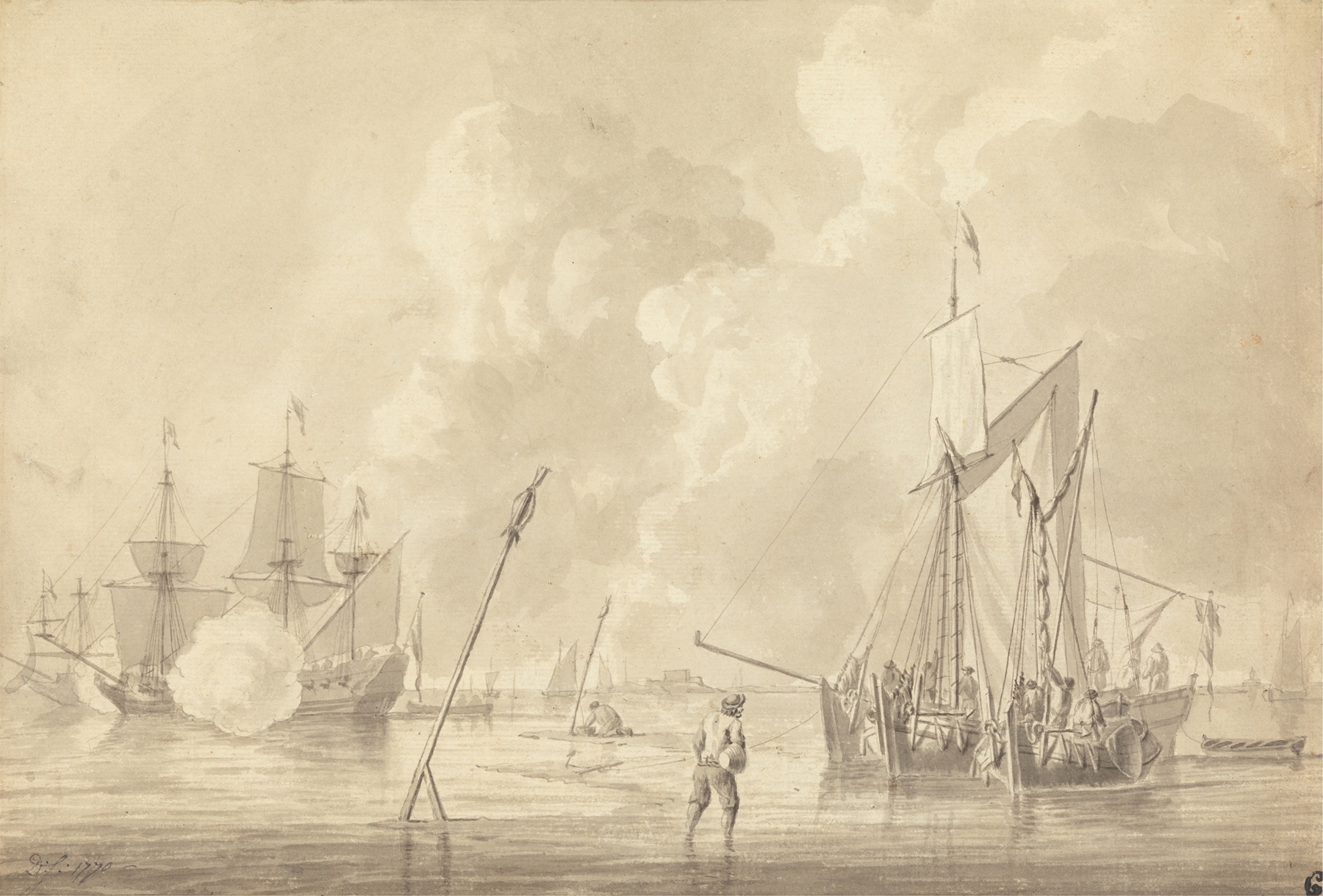
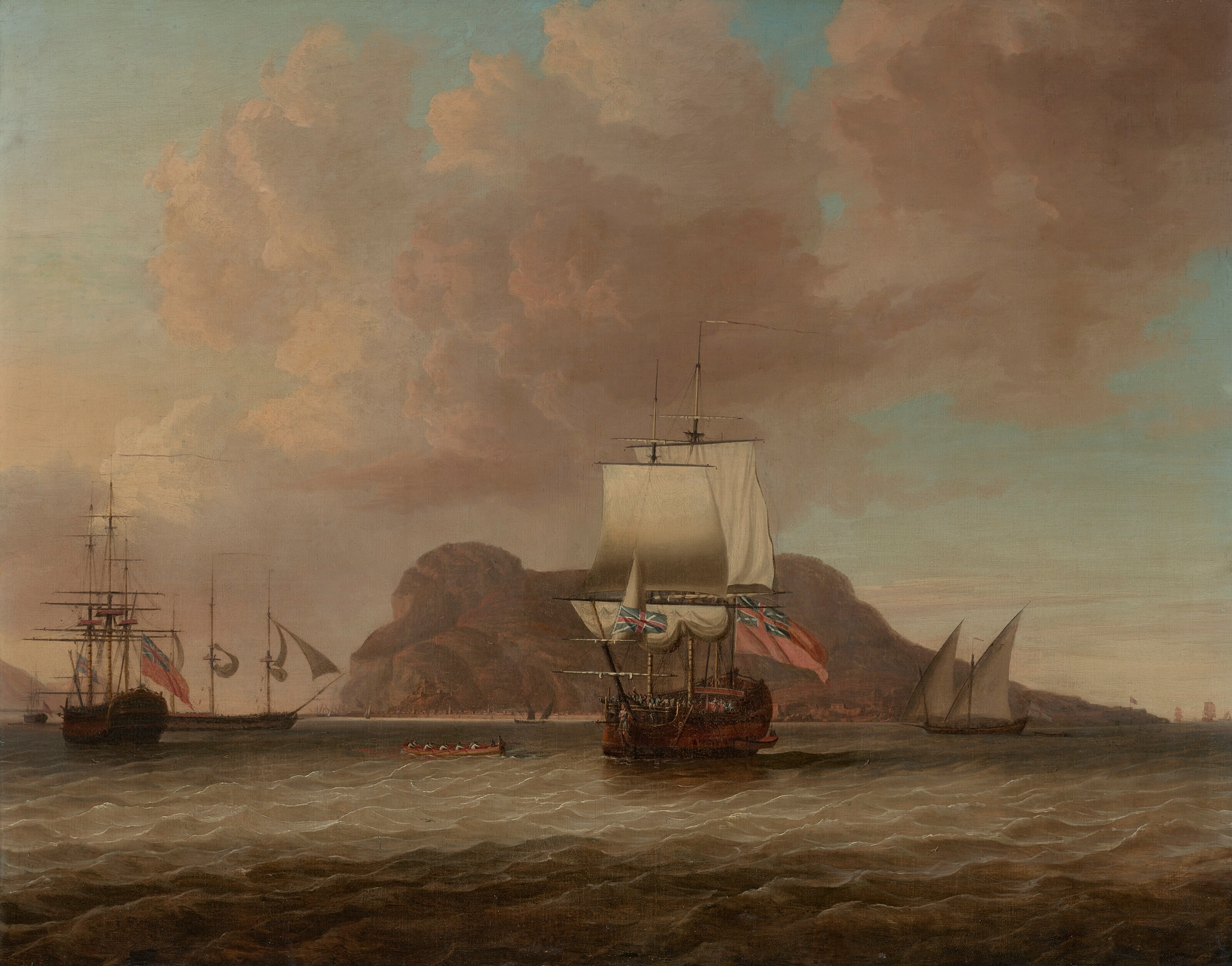
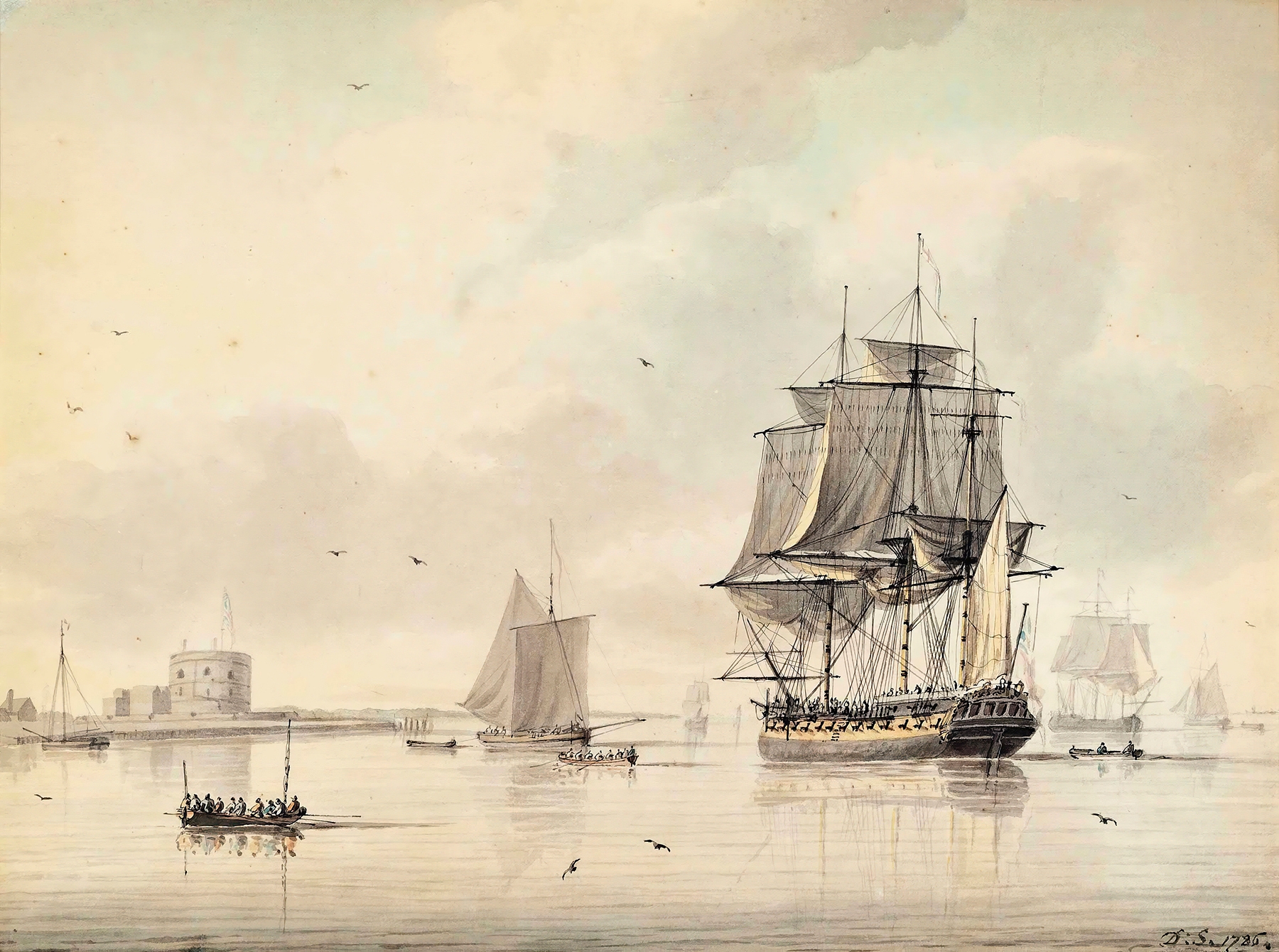
The air crackles with tension as smoke and salt swirl above the churning sea. Ships clash violently, their sails billowing under a tumultuous sky, while the cries of sailors mingle with the roar of cannon fire. Light pierces through the clouds, illuminating the chaos—a spotlight on valor and desperation amidst the fray. Look to the left at the ship caught in the throes of battle, its hull painted in deep blues and whites, contrasting with the explosive reds and oranges of burning gunpowder.
Notice how the artist’s brush captures the frothy waves, swirling and crashing with the same ferocity as the human struggle above. The vibrant color palette, dominated by stormy hues, draws the eye into the heart of the conflict, where the interplay of light and shadow reveals the urgency of the moment. Beneath the surface of this furious scene lies a complex narrative of honor and sacrifice. The contrasting light highlights the bravery of the sailors, their faces etched with a mix of determination and fear, while the chaos symbolizes the unpredictability of war.
The interaction between the ships speaks to the broader conflict of empires, subtly hinting at the larger historical forces at play—loss and glory intertwined, where victories often come at a great cost. Dominic Serres painted The Battle of the Dogger Bank in 1781 while stationed in England, having previously worked as a marine painter and engraver. At this time, Britain was embroiled in the American Revolutionary War, and military themes notably resonated within the art world. This work reflects Serres’ keen interest in naval battles, influenced by his own experiences at sea and the ever-evolving notions of heroism and national identity during a turbulent period in history.