A Scene in Dordrecht — History & Analysis
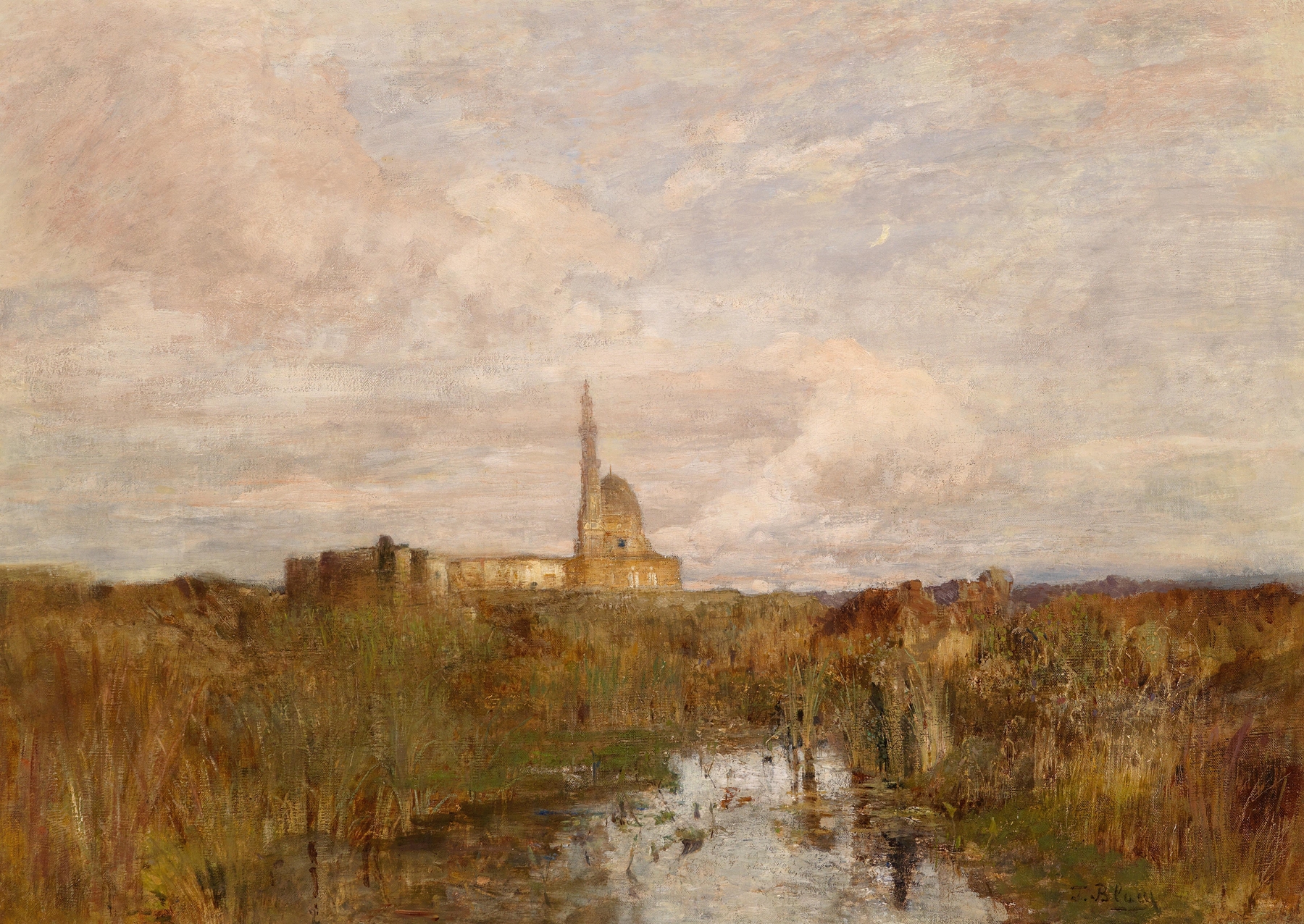
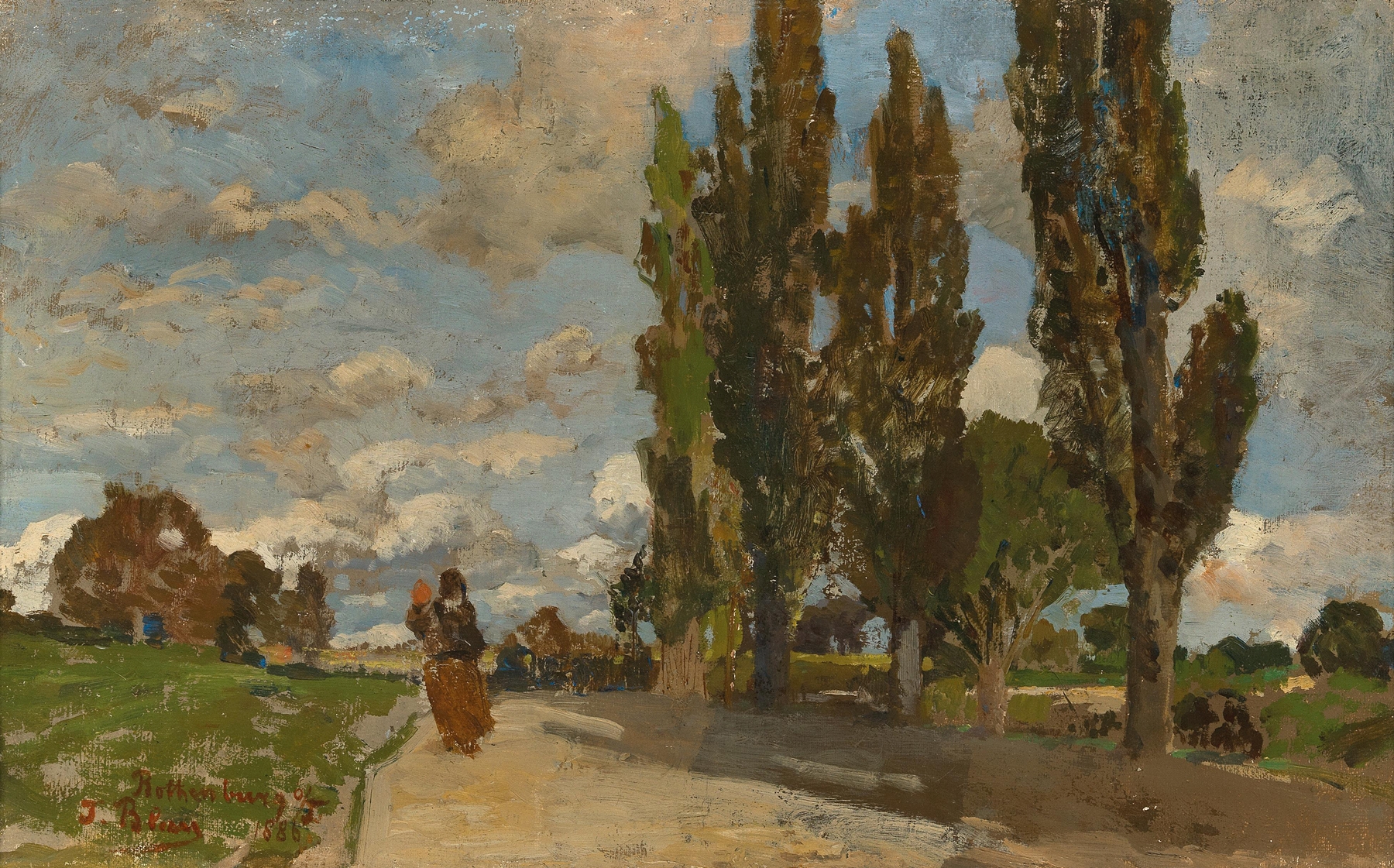
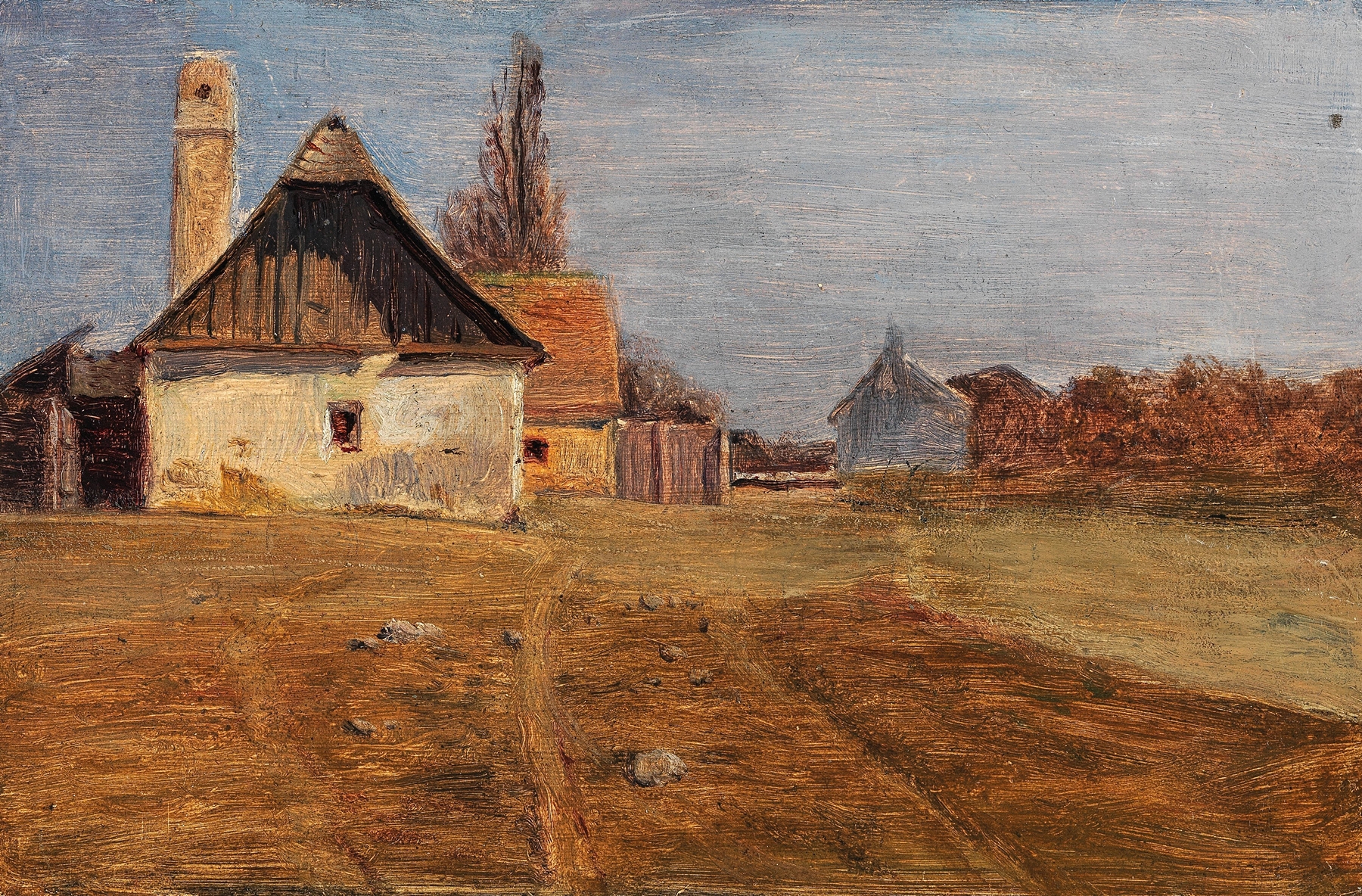
Can paint confess what words never could? In A Scene in Dordrecht, the canvas breathes life into a tranquil moment, inviting us to enter a dreamscape woven with water and sky. Look to the left at the shimmering reflections on the canal, where the soft ripples dance beneath the golden light. The buildings, rendered with delicate brushstrokes, stand resolute yet fluid, their warm hues echoing the embrace of twilight.
Notice how the artist masterfully balances the foreground and background, allowing the viewer's gaze to flow seamlessly, almost like a gentle breeze stirring the air. In this scene, the interplay of light and shadow reveals the passage of time, suggesting a world caught between the day's end and night’s arrival. The small fishing boats, moored quietly, evoke a sense of stillness and contemplation, contrasting the bustling life of the city beyond.
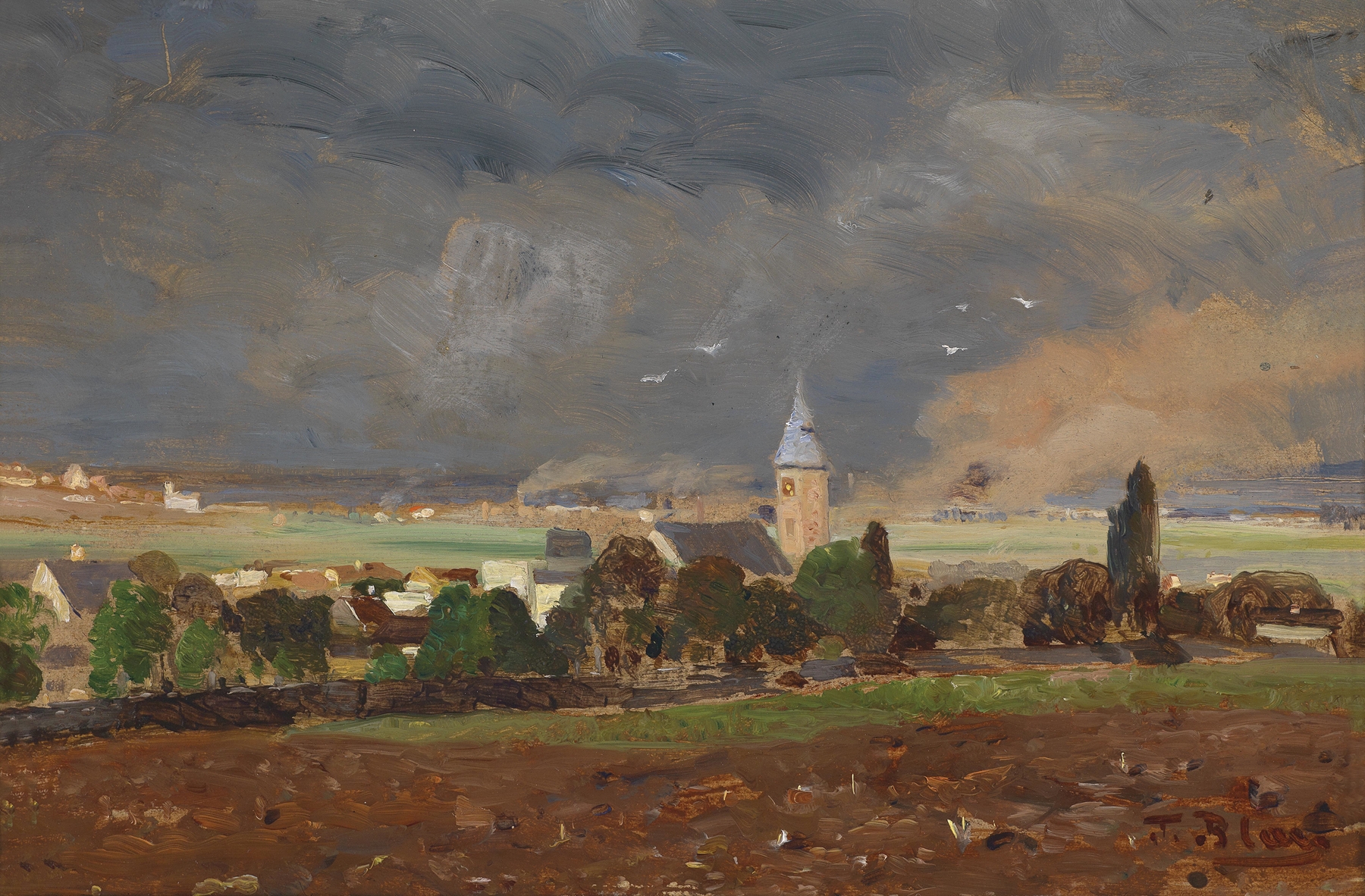
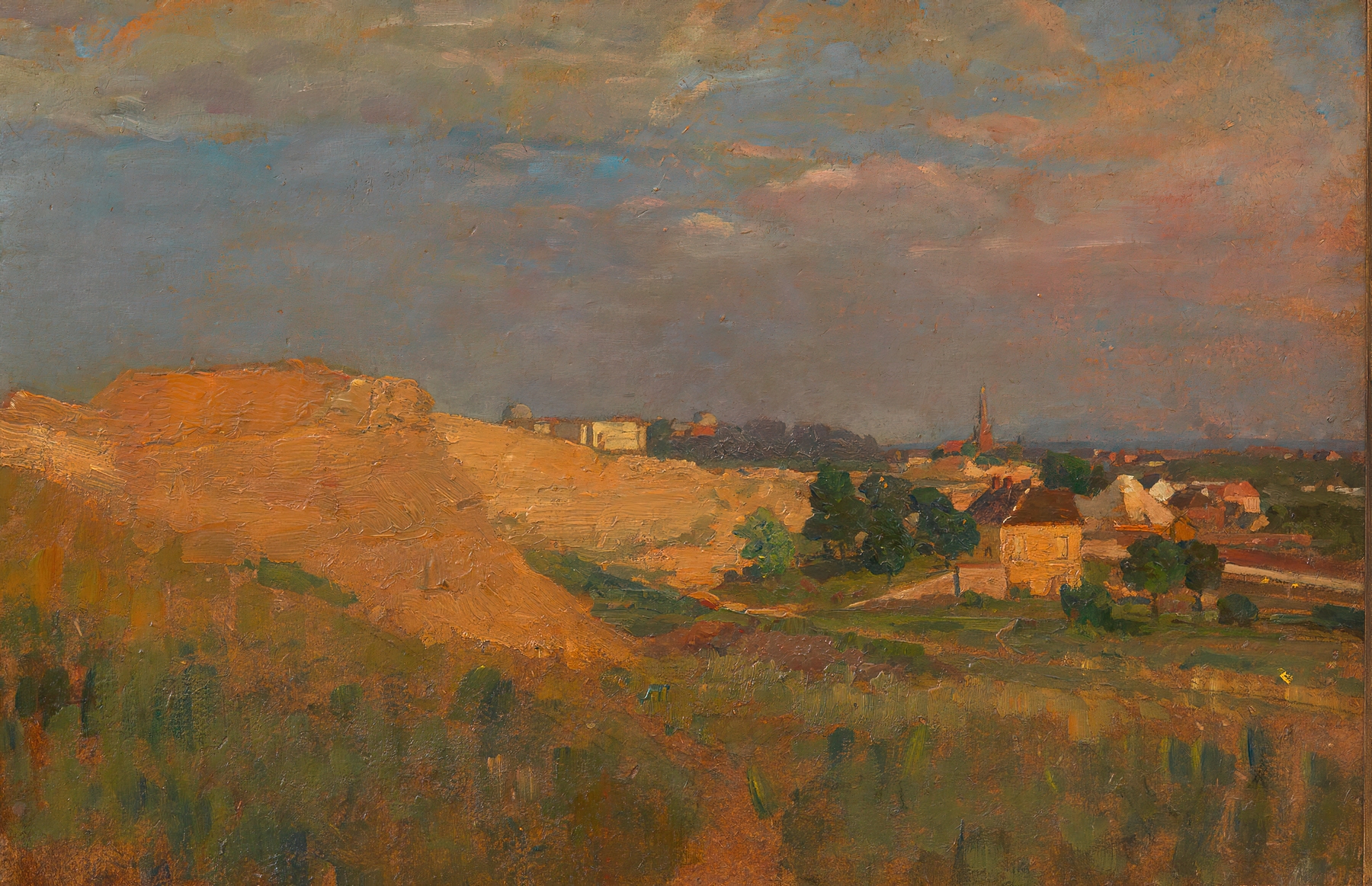
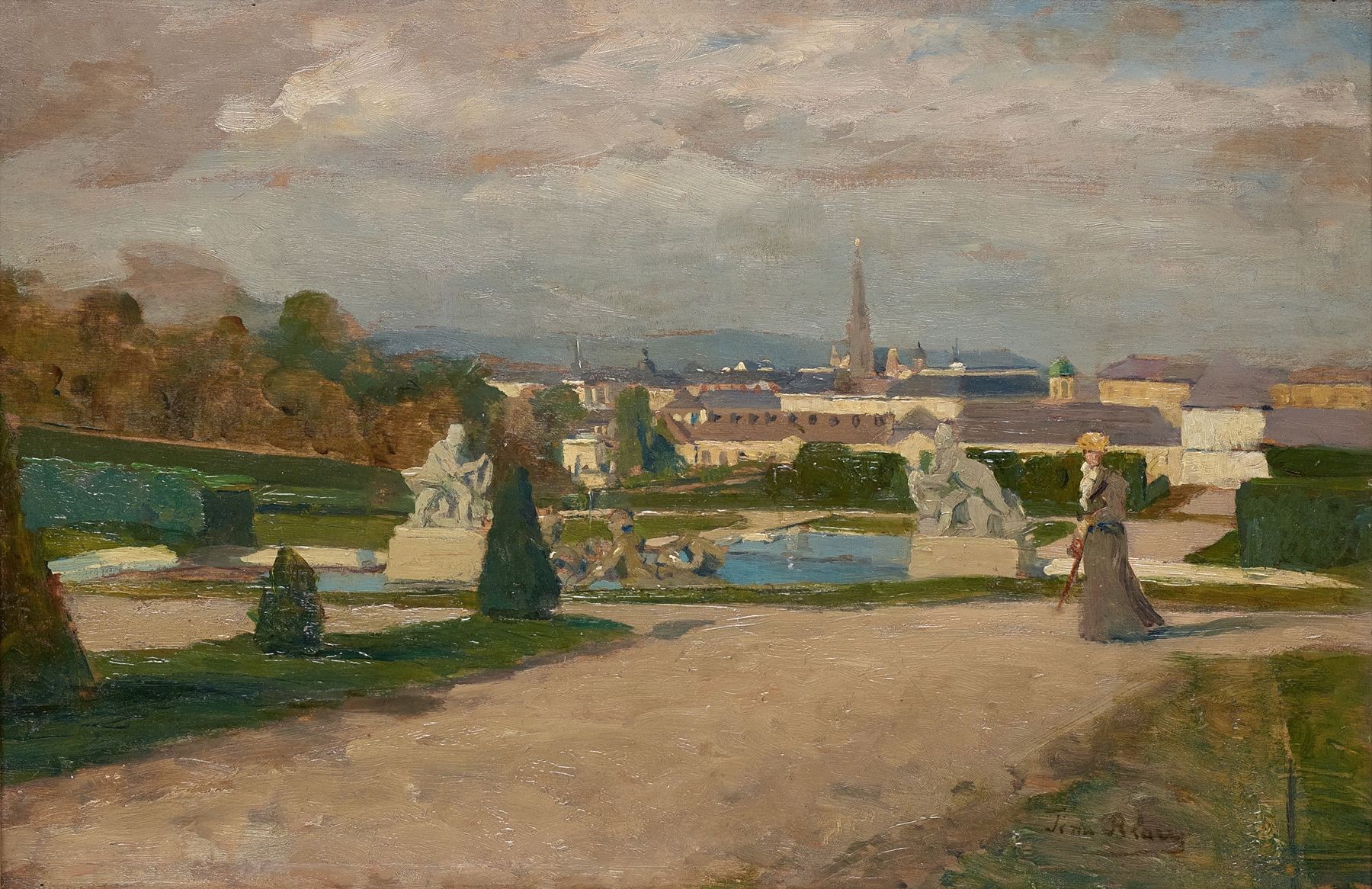
This juxtaposition creates an emotional tension: a longing for the simplicity of rural existence amidst the complexities of urban life. Tina Blau painted this work in the late 19th century, a time when she was fervently exploring her identity as a female artist in a male-dominated field. Living in Vienna but inspired by her travels in the Netherlands, she sought to capture the quiet beauty of landscapes, reflecting the burgeoning Impressionist movement that sought to convey light and atmosphere in new ways.