A Seated Man Contemplating a Sunlit Mountain Valley — History & Analysis
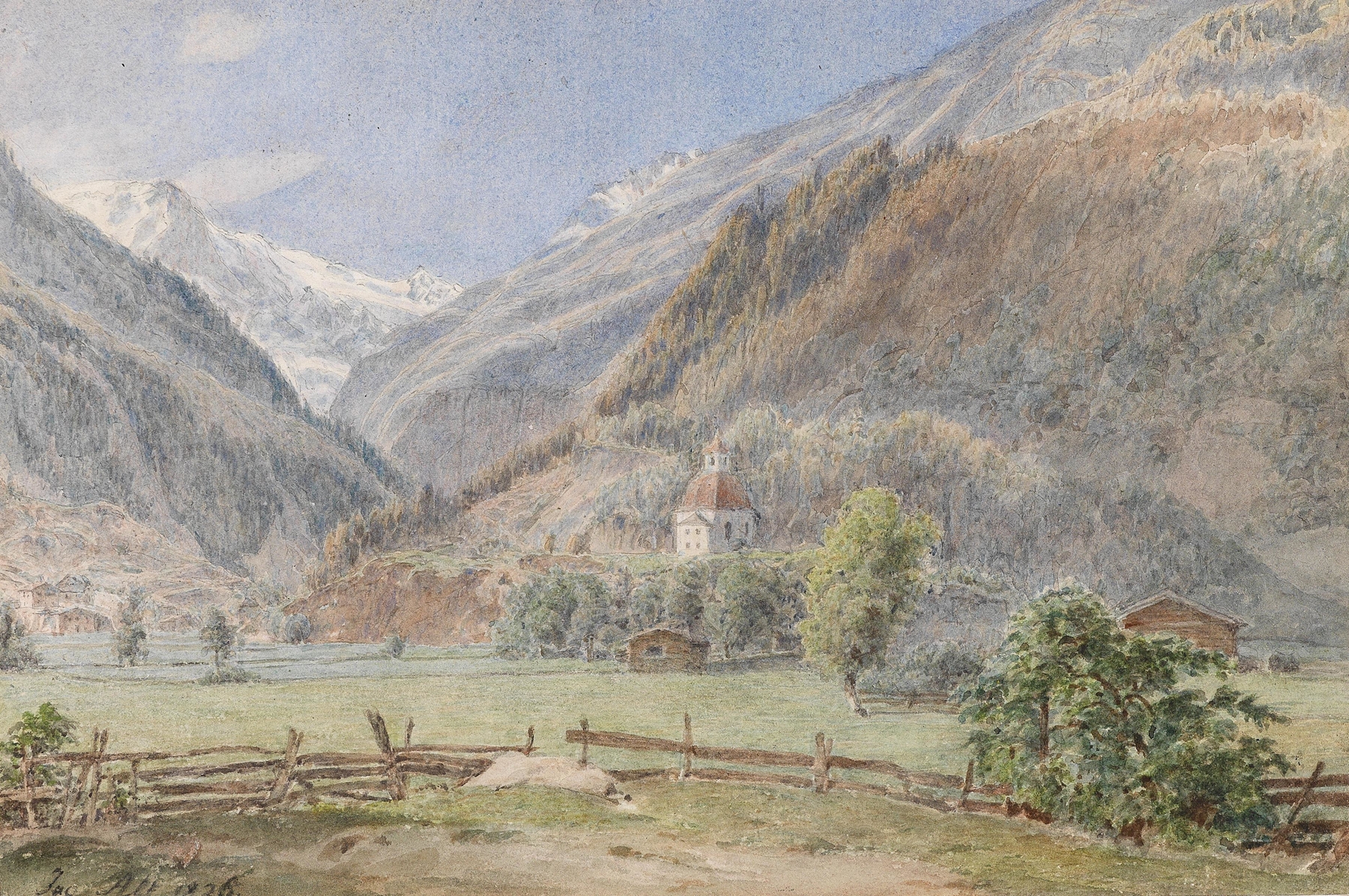
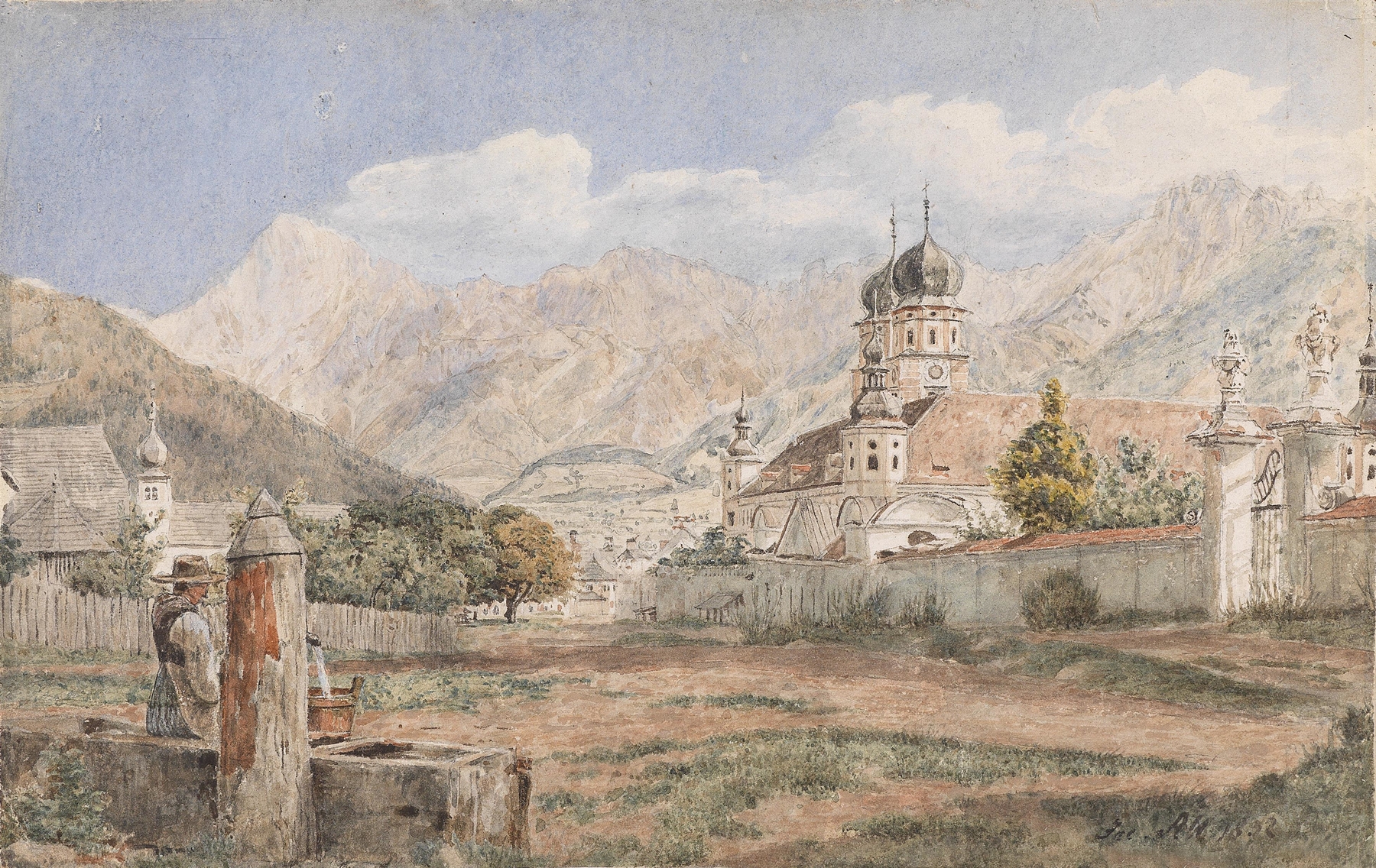
“Sometimes beauty is just pain, disguised in gold.” This sentiment echoes in the serene landscape of the early 19th century, where contemplation meets the rawness of revolution. In moments of quiet reflection, a deeper turmoil often brews beneath the surface, revealing the complexities of human experience and the world around us. Look to the center of the canvas, where a solitary figure sits, absorbed in the lush embrace of nature. The warm sunlight filters through the valley, casting a golden hue that envelops the man, emphasizing his isolation amidst the vibrancy of the mountain vista.
Notice how the interplay of light and shadow plays on his features, hinting at a mixture of tranquility and inner conflict, as if the beauty surrounding him cannot fully mask the weight of his thoughts. The juxtaposition of the serene landscape with the figure's pensive demeanor suggests a tension between external beauty and internal strife. While the valley glows with the warmth of sunlight, it simultaneously serves as a stark reminder of the societal upheaval occurring elsewhere. This contrast between peace and turmoil imbues the landscape with a sense of foreboding; the mountains, though majestic, stand as silent witnesses to the man's unvoiced suffering and the era's unrest.
Painted around 1825, this work emerged during a transformative period in Central Europe, as romanticism began to echo the desires for political and social change. Jakob Alt, navigating the art scene of that time, found himself motivated by the stirring ideas surrounding him. The revolutionary fervor and the quest for identity shaped not only his artistic vision but also the broader context of a generation yearning for freedom and expression through their art.