A View of the Valley — History & Analysis
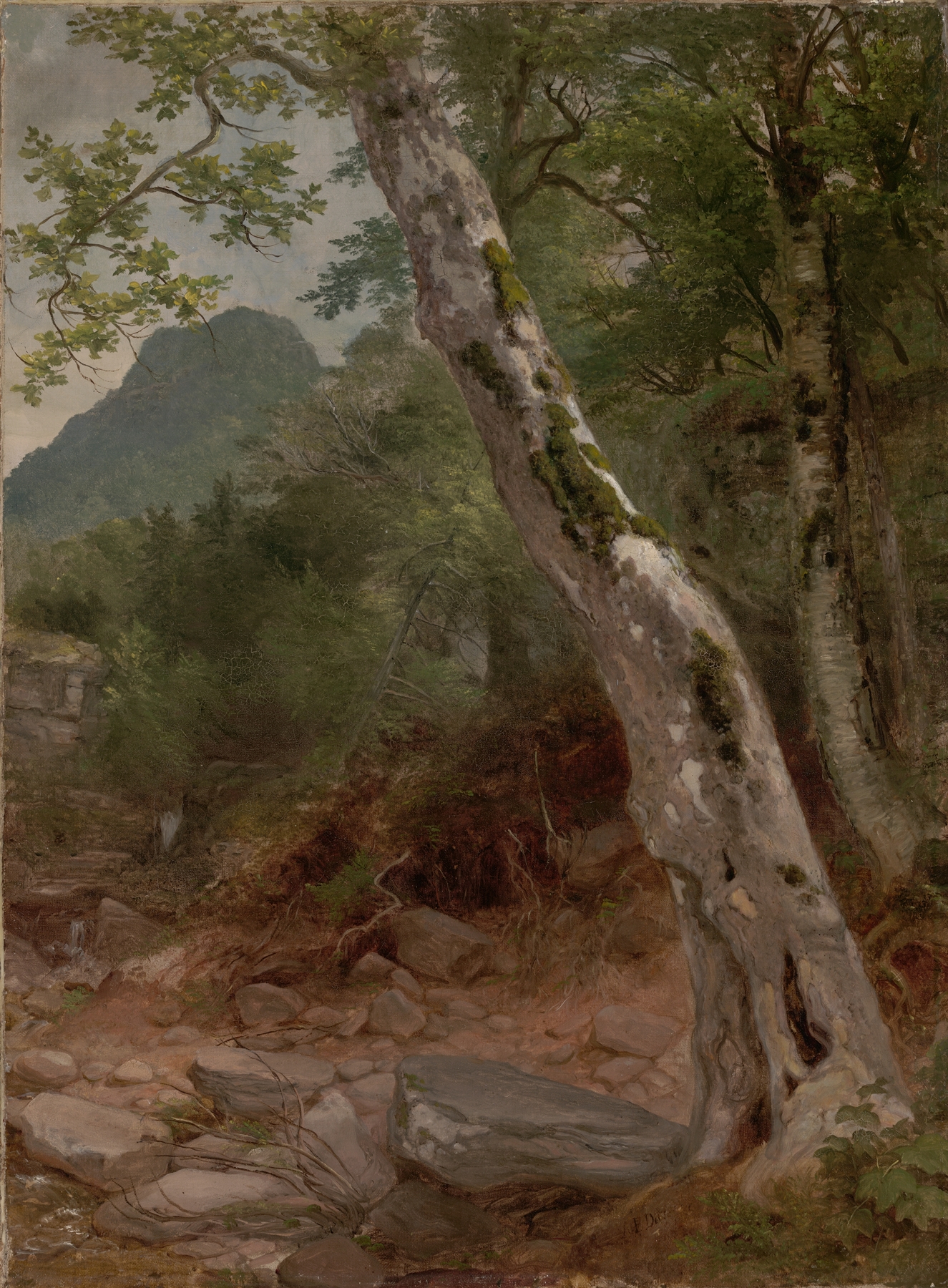
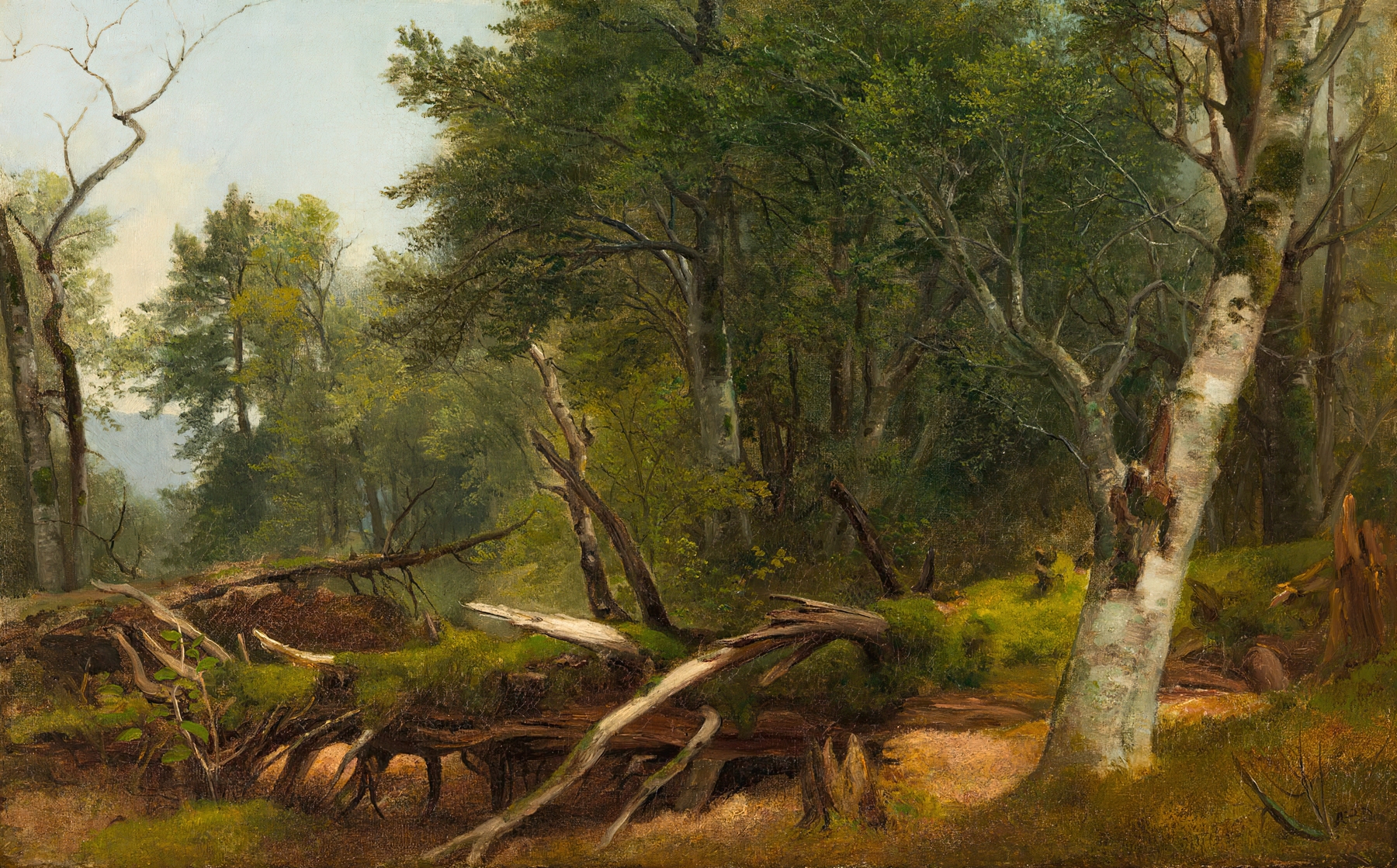
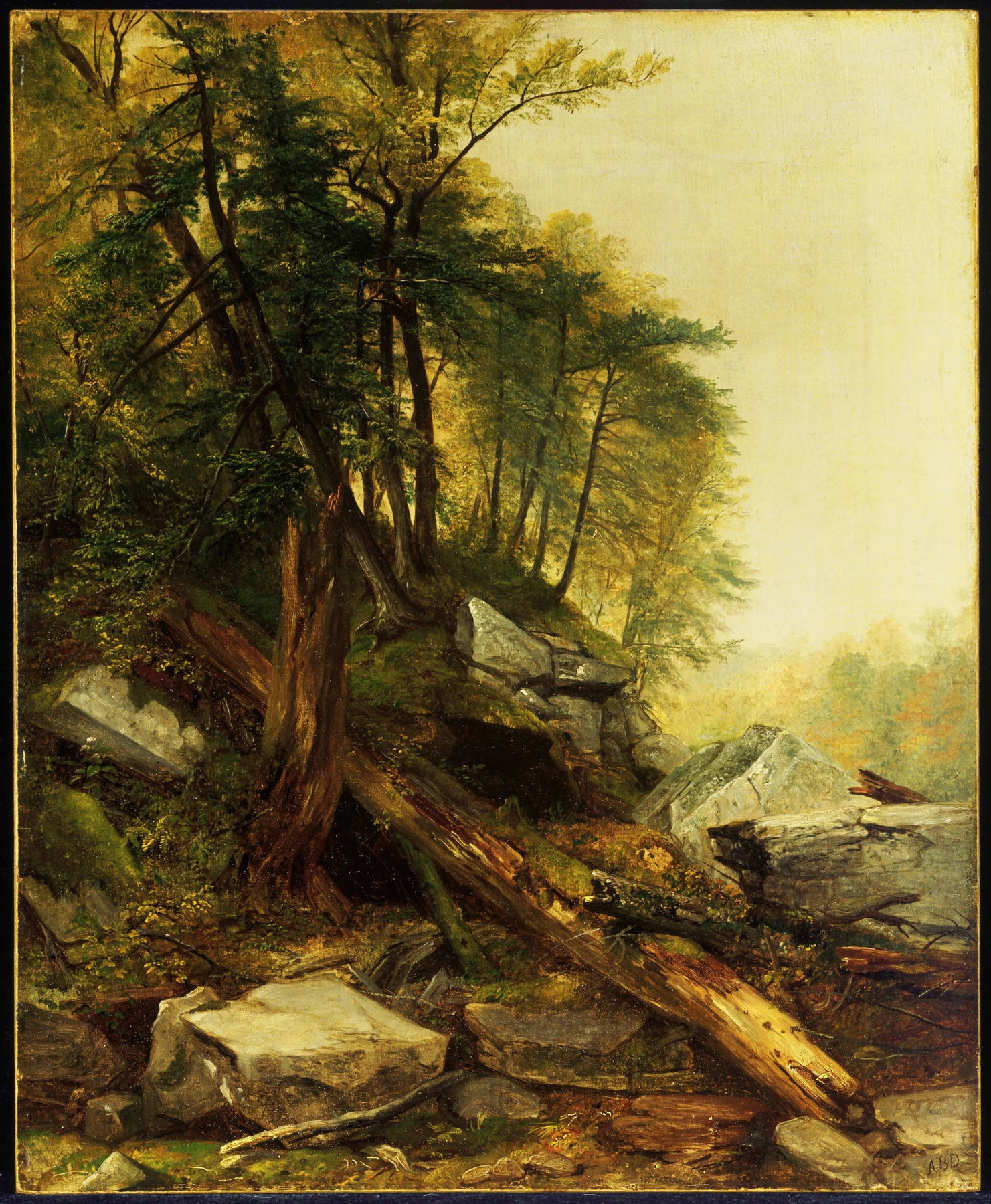
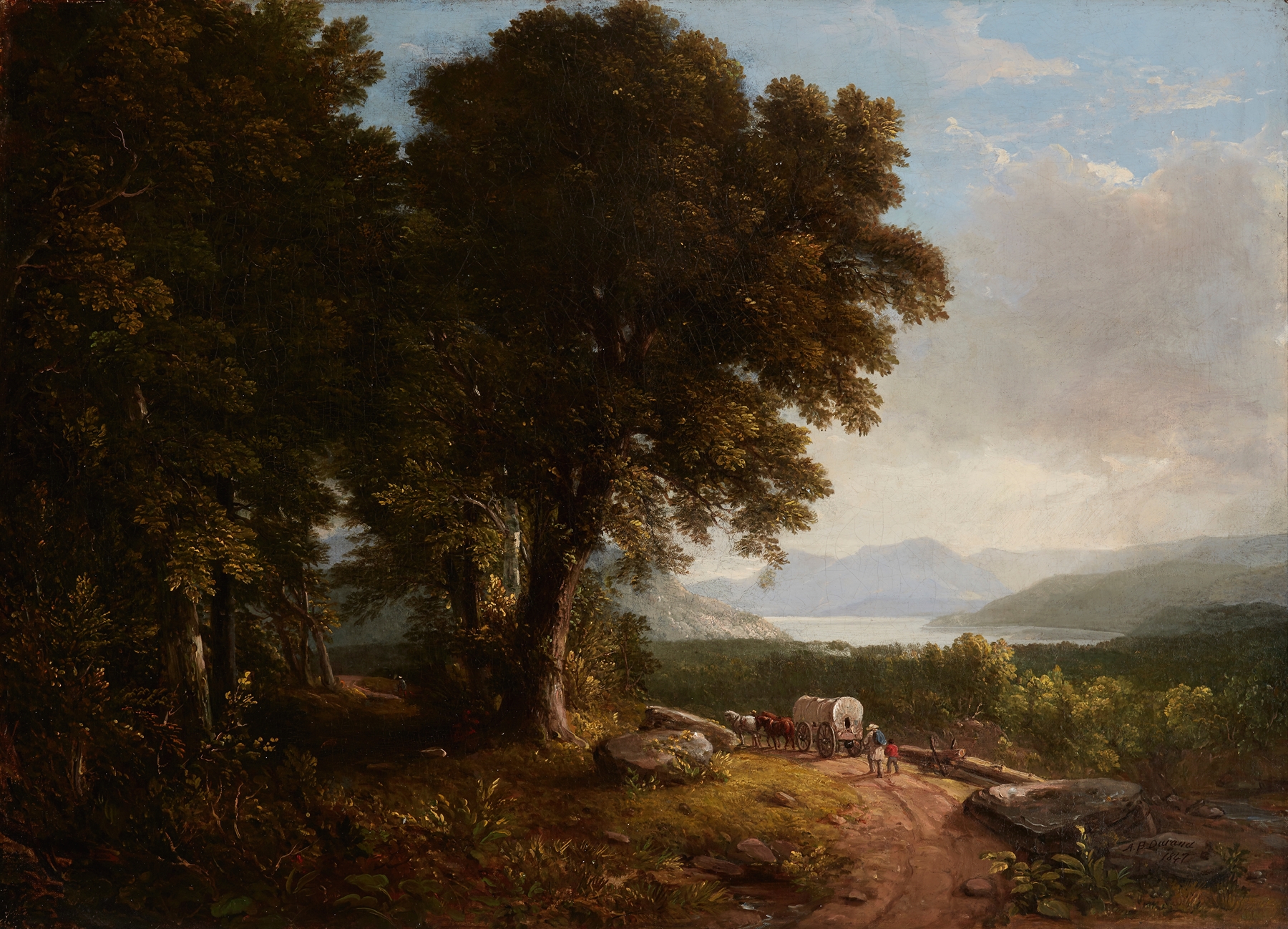
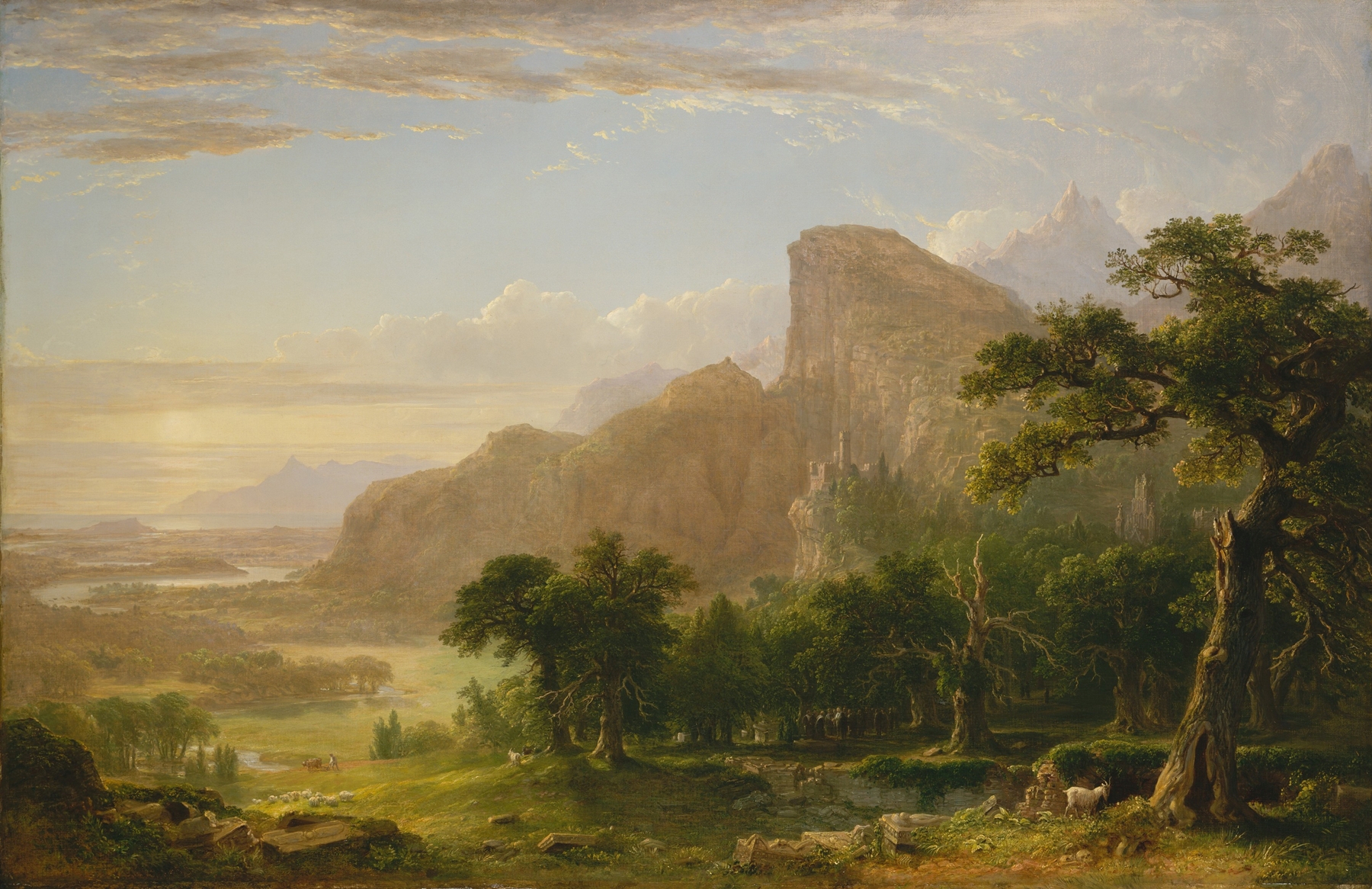
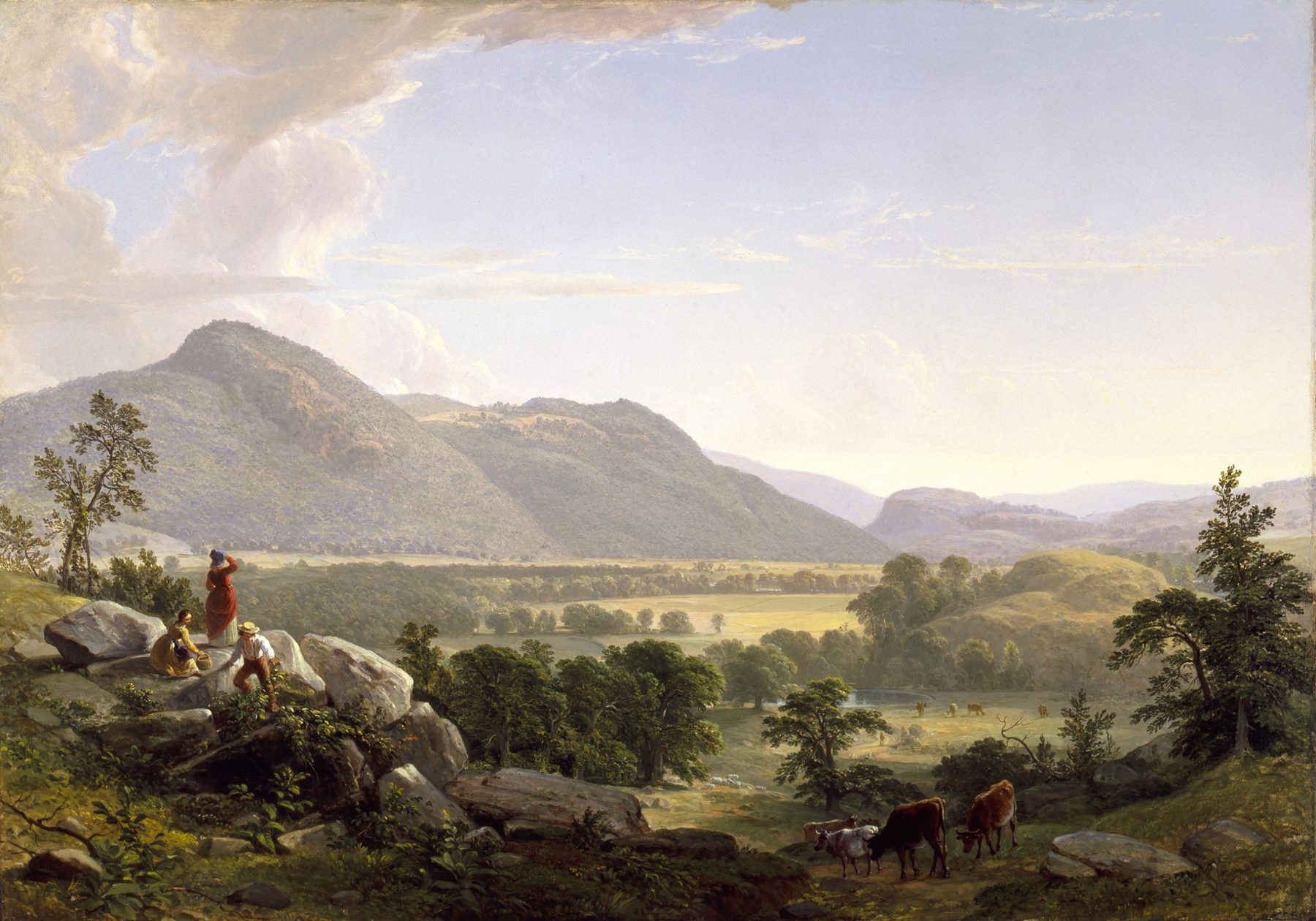
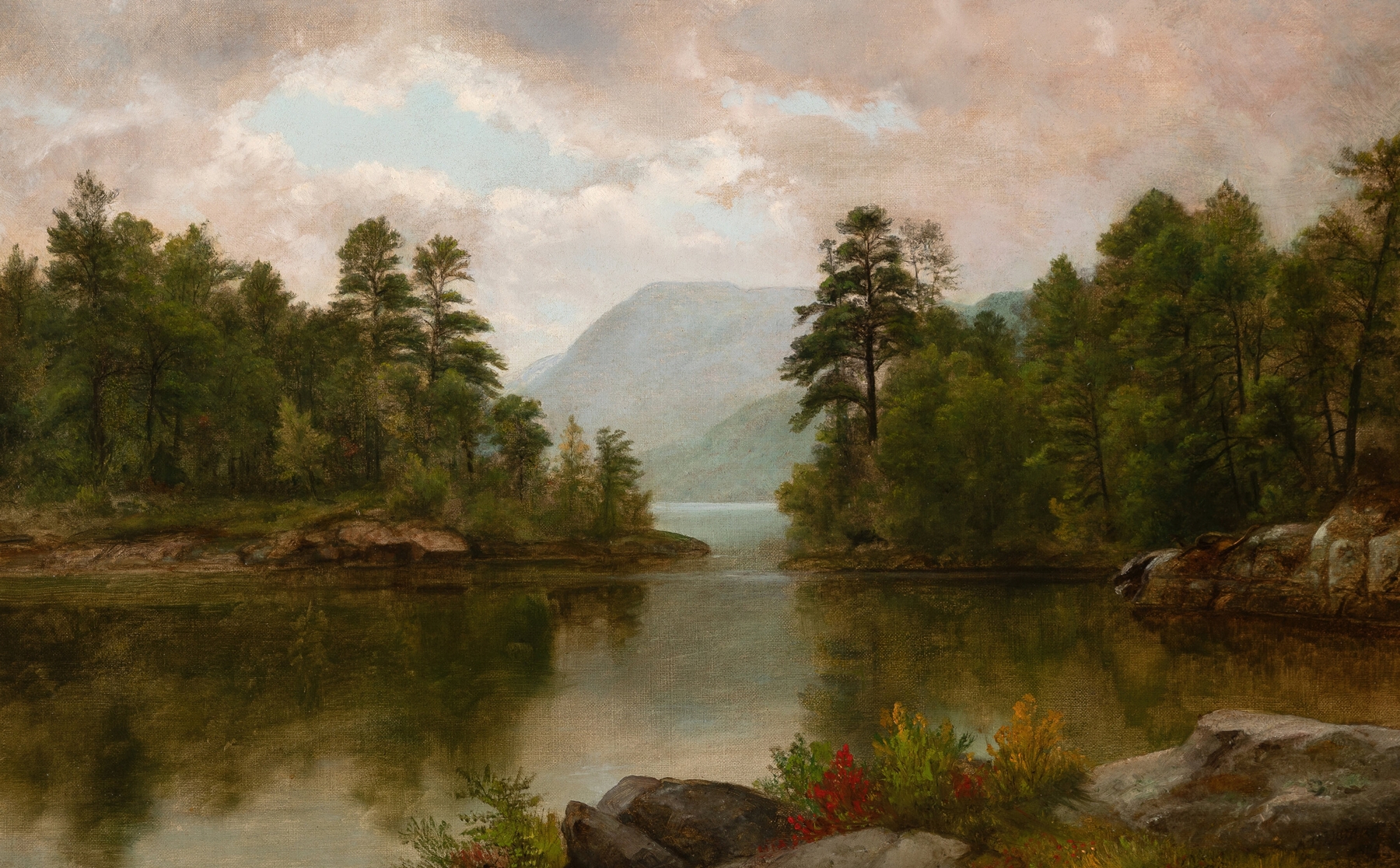
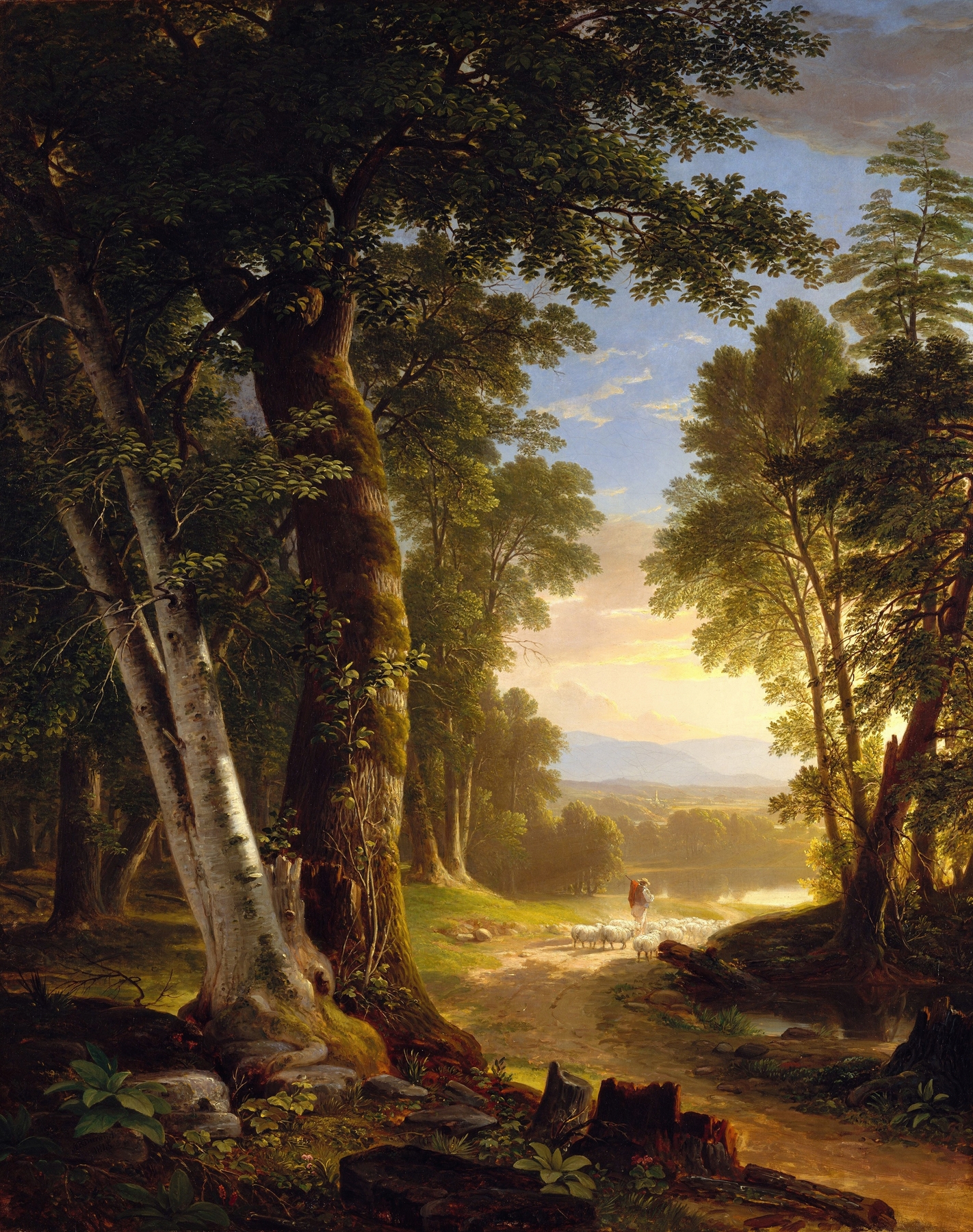
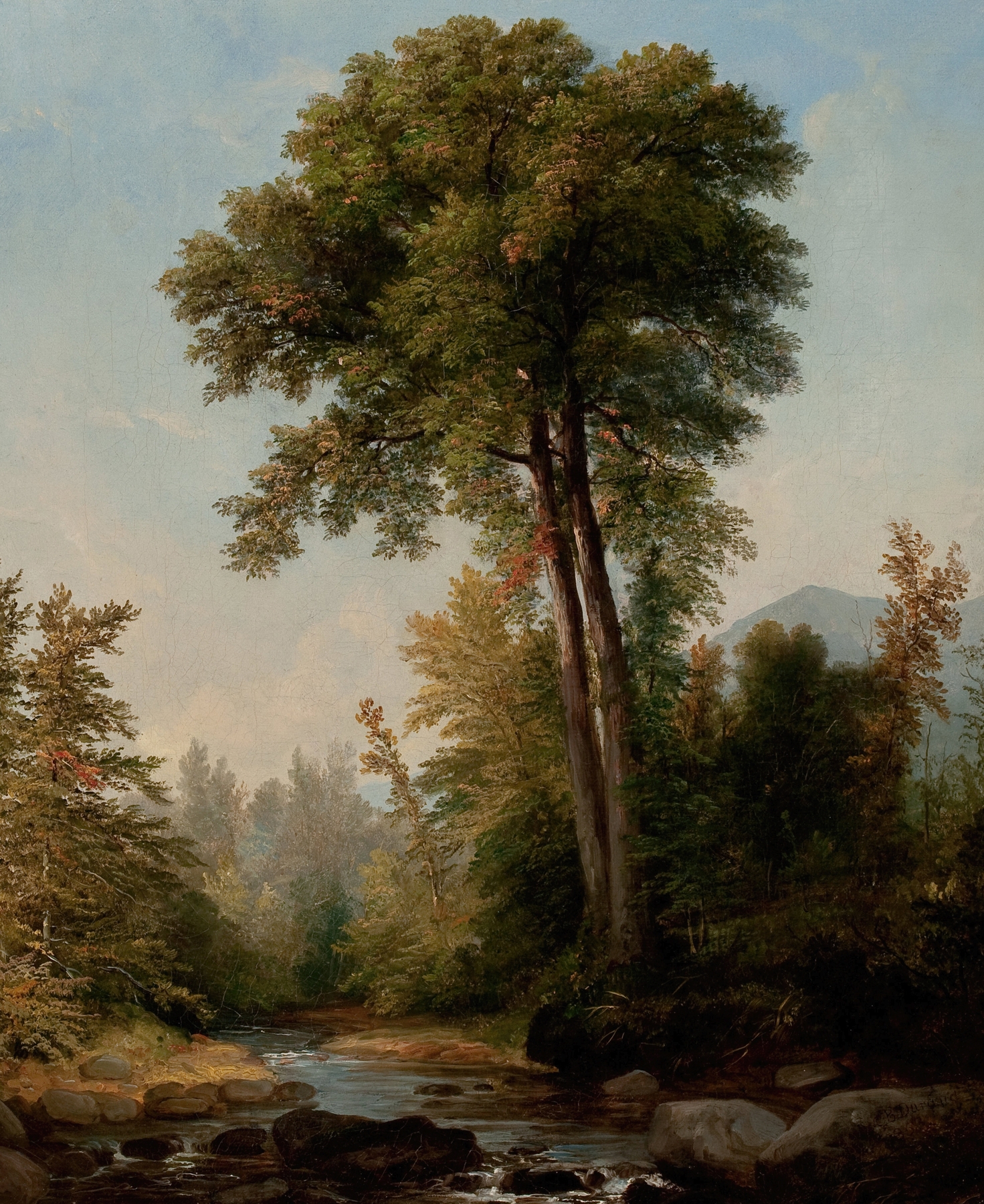
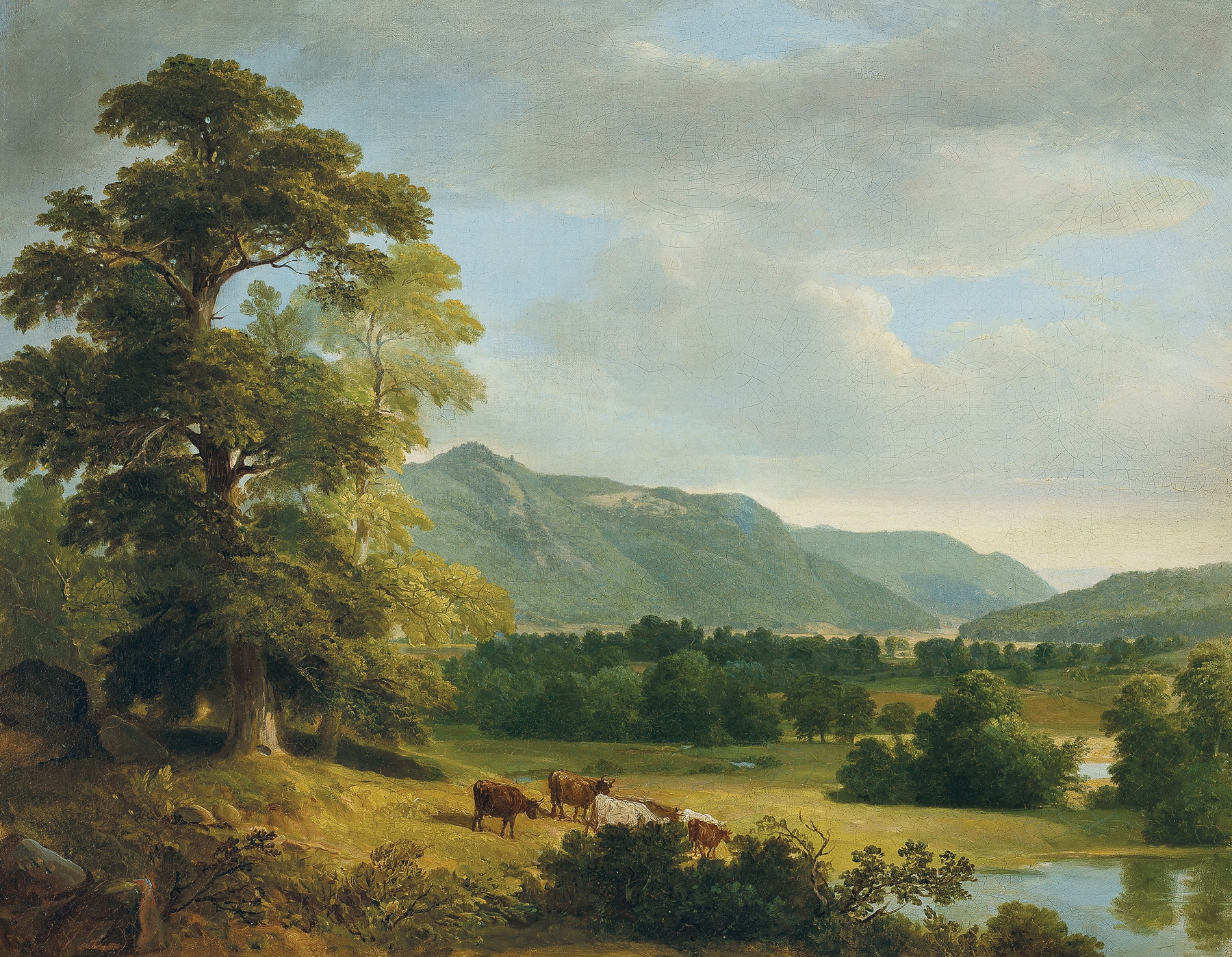
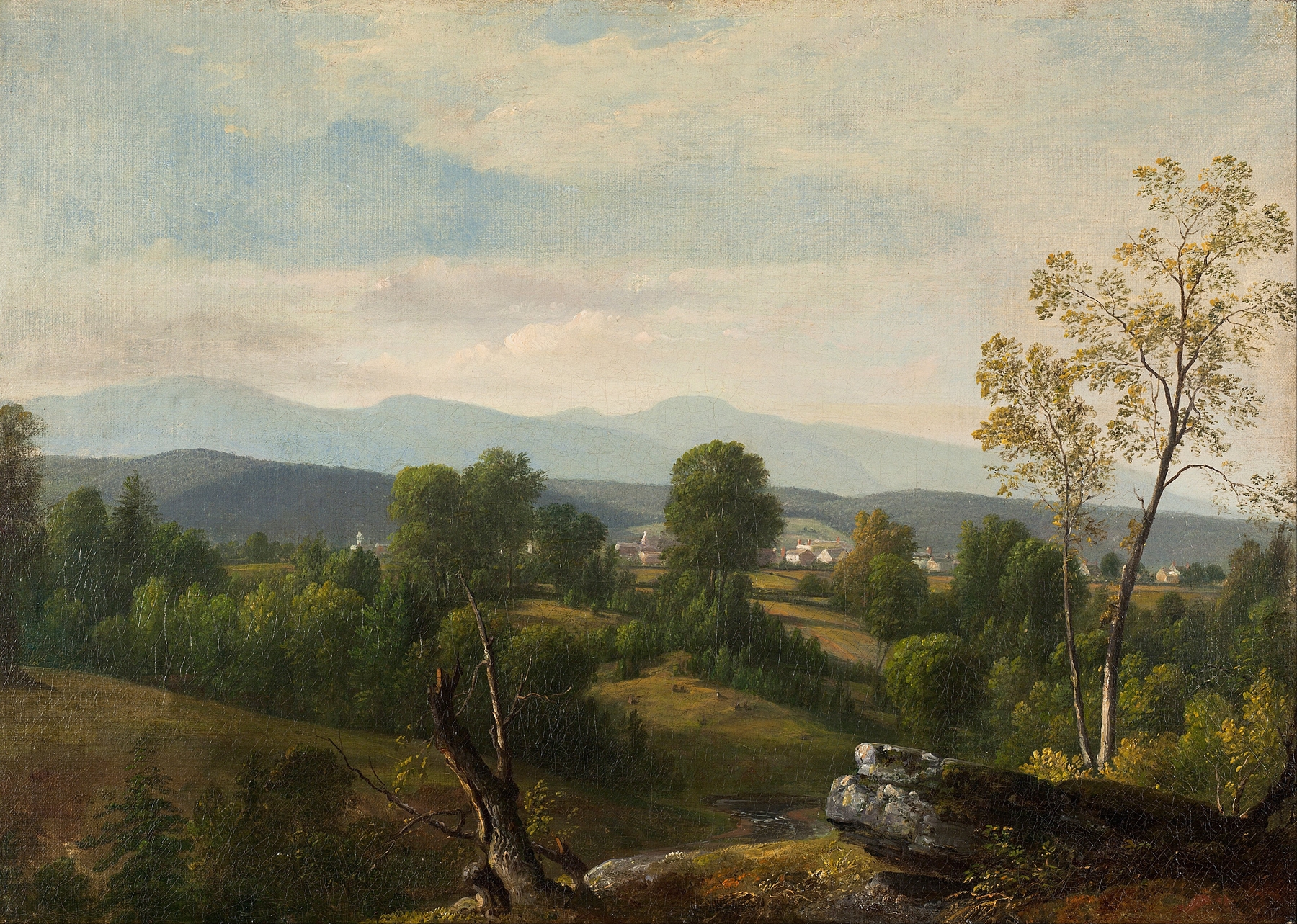
“Between color and silence, truth hides.” In the depths of nature, where light and shadow intertwine, the quiet violence of existence reveals itself. Focus on the lush greens and earthy browns, where the rolling hills and distant mountains converge into a harmonious yet tumultuous landscape. The soft, golden light breaks through the canopy of trees, illuminating the valley below and guiding your eyes across the gentle undulations of the terrain. Notice how the peaks, with their sharp edges, juxtapose the softness of the valley, hinting at the unseen struggles that lie beneath the serene surface.
The contrast between the vibrant foliage and the looming mountains speaks of both beauty and tension. The interplay of light creates a sense of movement, as if the landscape itself breathes in quiet anticipation. Hidden within the serene vista is an undercurrent — the raw power of nature, capable of creating and destroying in equal measure. Each brushstroke captures the duality of life, whispering of the violence that exists beneath the tranquil surface.
Asher Brown Durand created this piece during the mid-19th century, a period of immense change in the American art scene, marked by the rise of the Hudson River School. At this time, he was deeply engaged in the exploration of natural landscapes, reflecting the transcendentalist ideals of the era. The painting emerged as he sought to connect viewers with the sublime qualities of nature, amidst a backdrop of societal upheaval and a growing appreciation for the American wilderness.