A View of the Wien River and the Church of St. Charles — History & Analysis
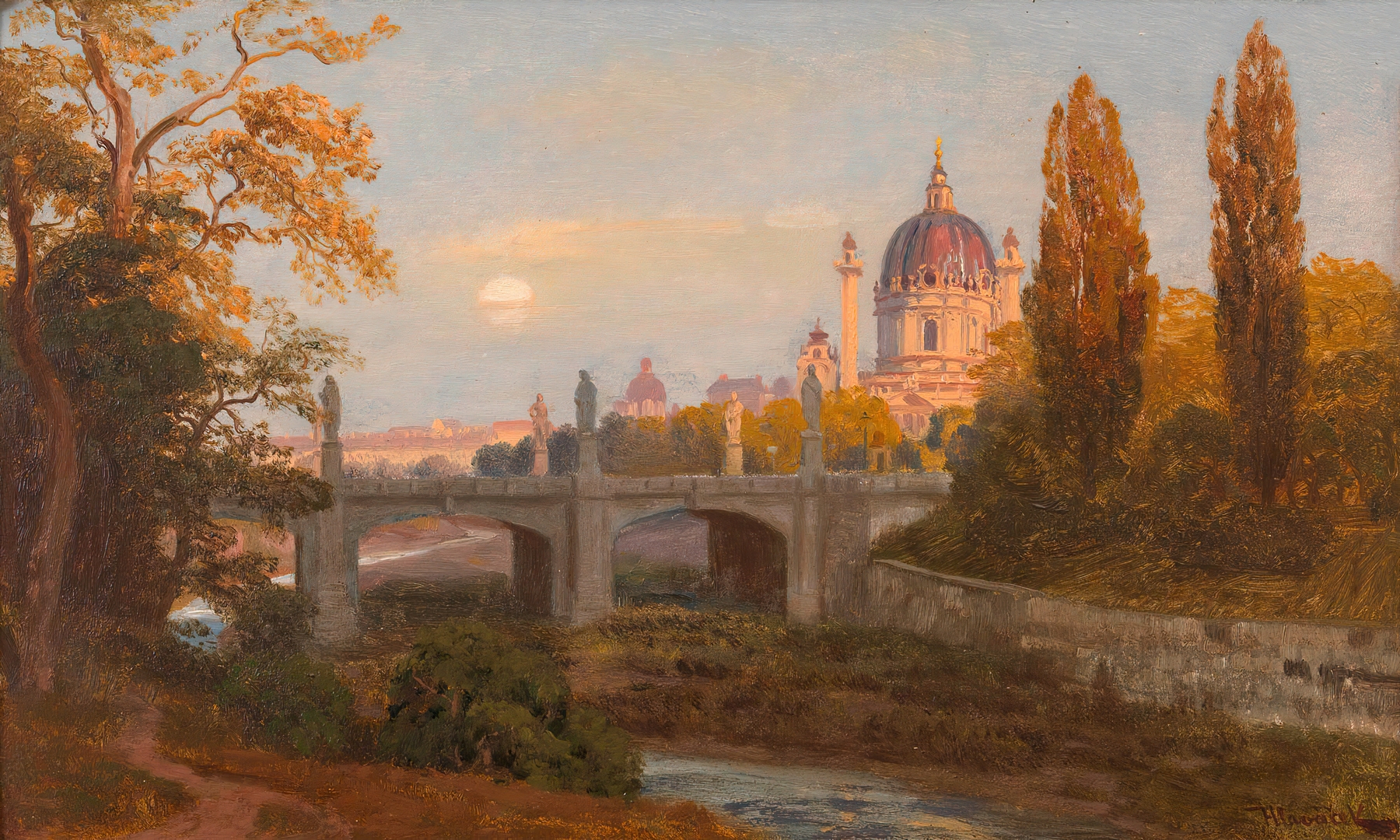
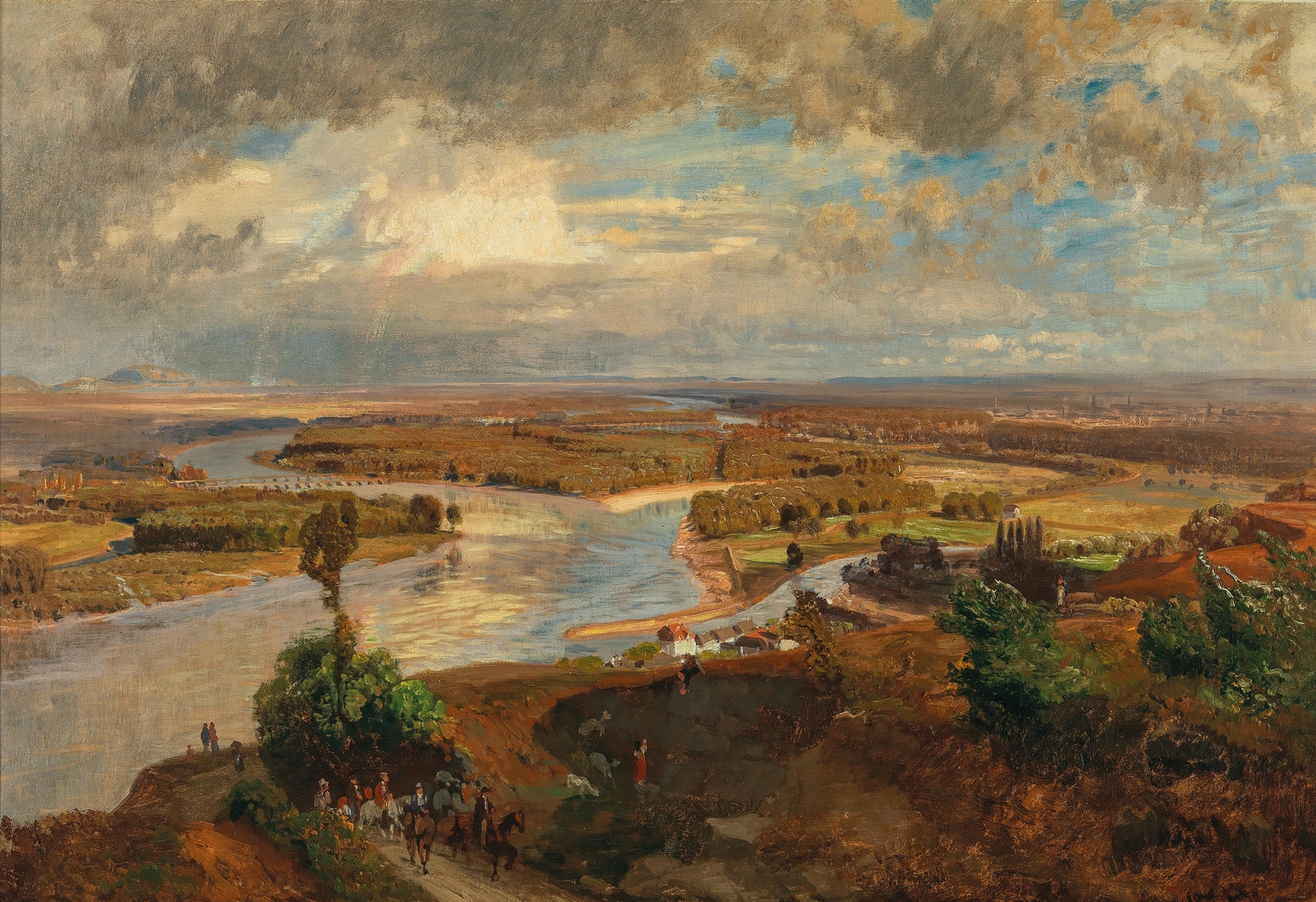
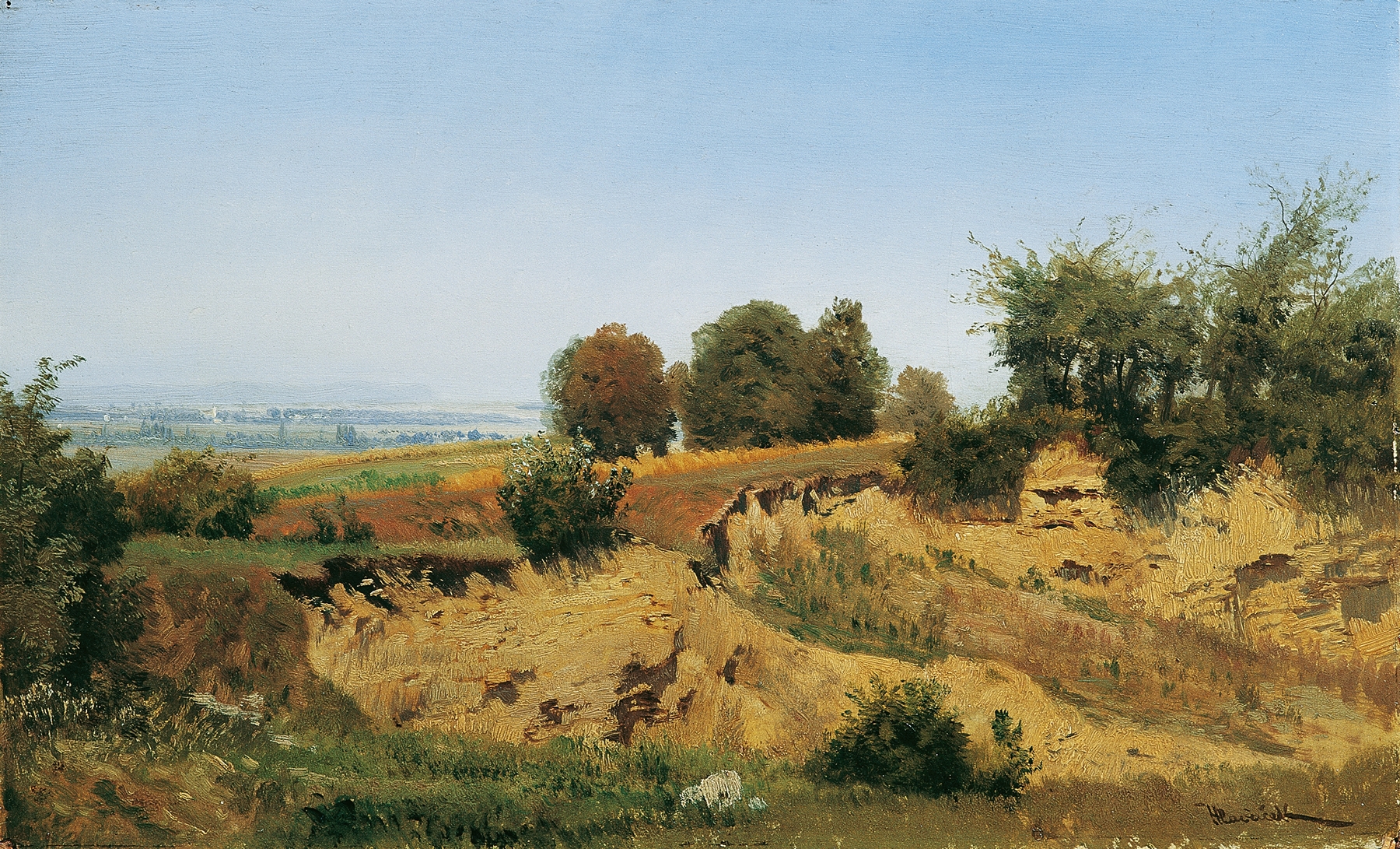
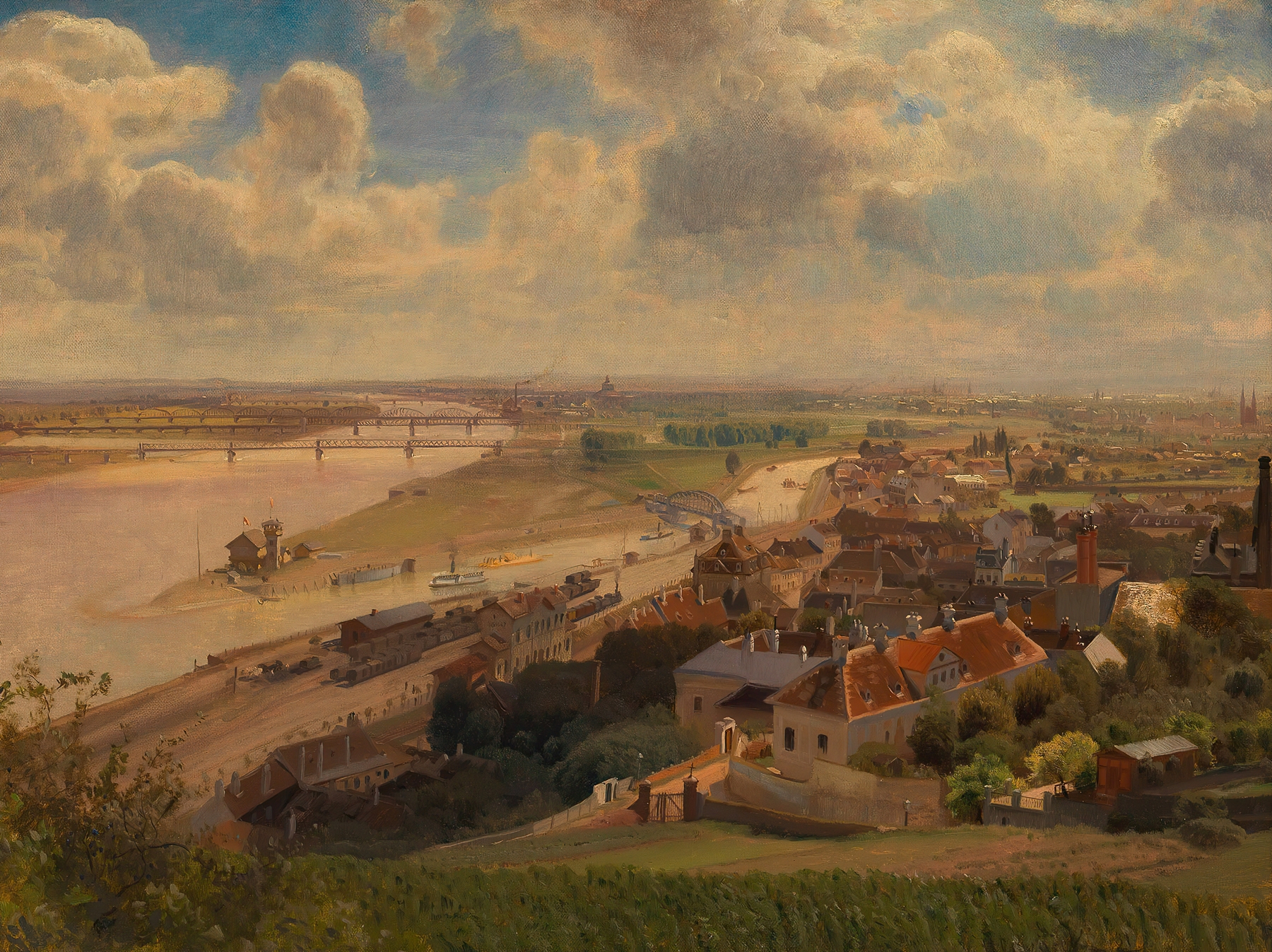
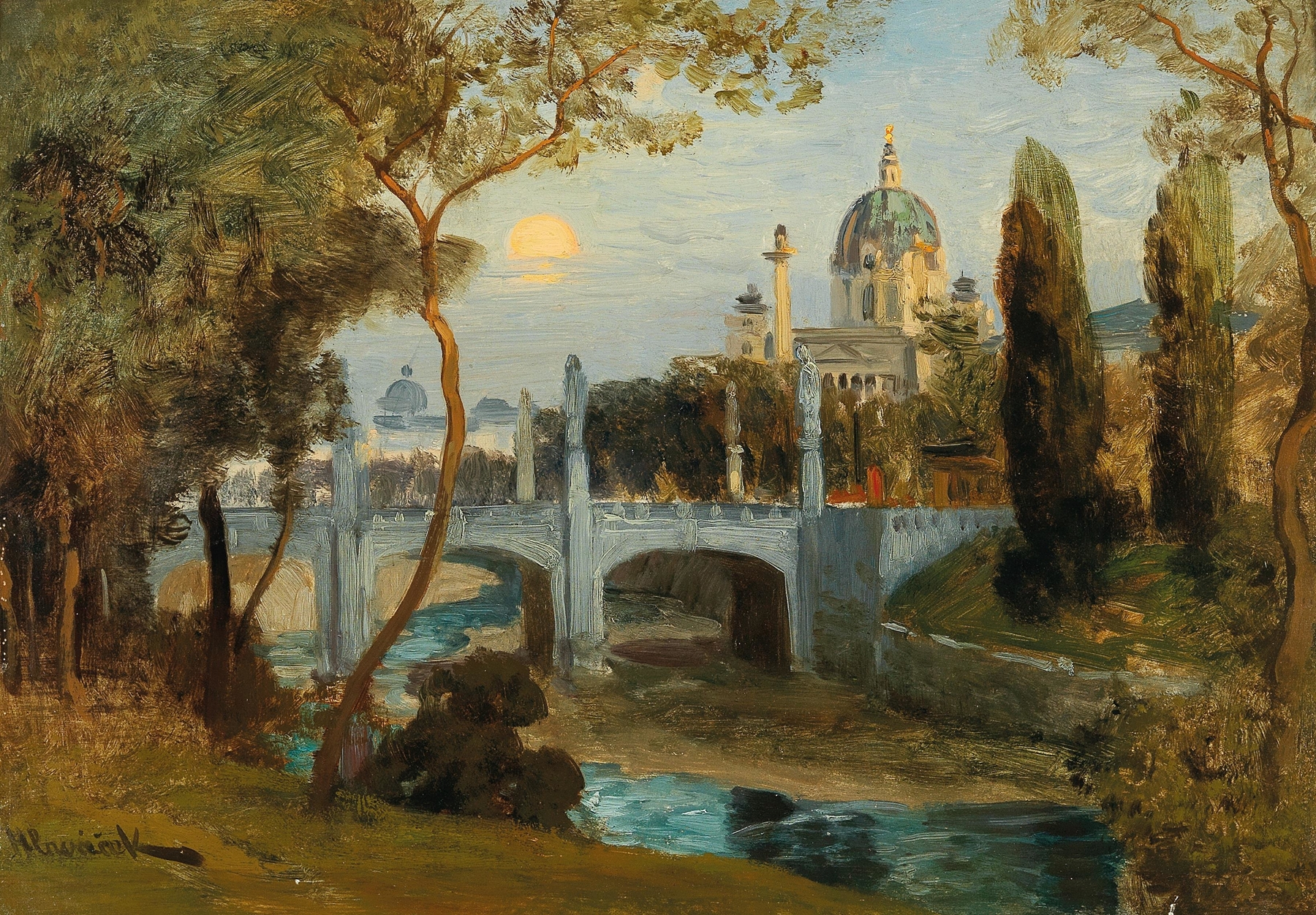
Who listens when art speaks of silence? In an age filled with noise, the gentle embrace of divinity whispers through the serene landscape captured in this painting. Look to the left at the soft curve of the Wien River, where shimmering reflections dance upon the water, echoing the ethereal quality of the church steeple rising majestically in the background. The artist employs a muted color palette, blending soft blues and greens with warm earth tones, creating a tranquil harmony that draws the viewer into a moment of peace. Each brushstroke is deliberate, as if Hlavacek invites us to pause and absorb the stillness, the way light caresses the scene, highlighting the sacredness of both nature and architecture. Beneath the serene surface lies a complex interplay of faith and the human experience. The church stands as a testament to spiritual aspiration, while the gently flowing river symbolizes the passage of time and the continuity of life. The composition’s balance between the earthly and the divine suggests an intimate dialogue, one that reflects the artist's contemplation of existence and the metaphysical. Each element holds significance, as the viewer is subtly reminded of the fragility of life amidst the permanence of faith. In 1896, amidst the shifting tides of the art world, Anton Hlavacek painted this piece while living in Vienna, a city alive with artistic fervor and innovation. Influenced by the burgeoning movement of Impressionism, he was exploring how light and color could evoke emotion and atmosphere. This period marked a significant moment in his career as he sought to connect the spiritual with the natural, crafting a visual narrative that speaks to the divine in everyday life.