Blick vom Wienfluss gegen Elisabethbrücke und Karlskirche — History & Analysis
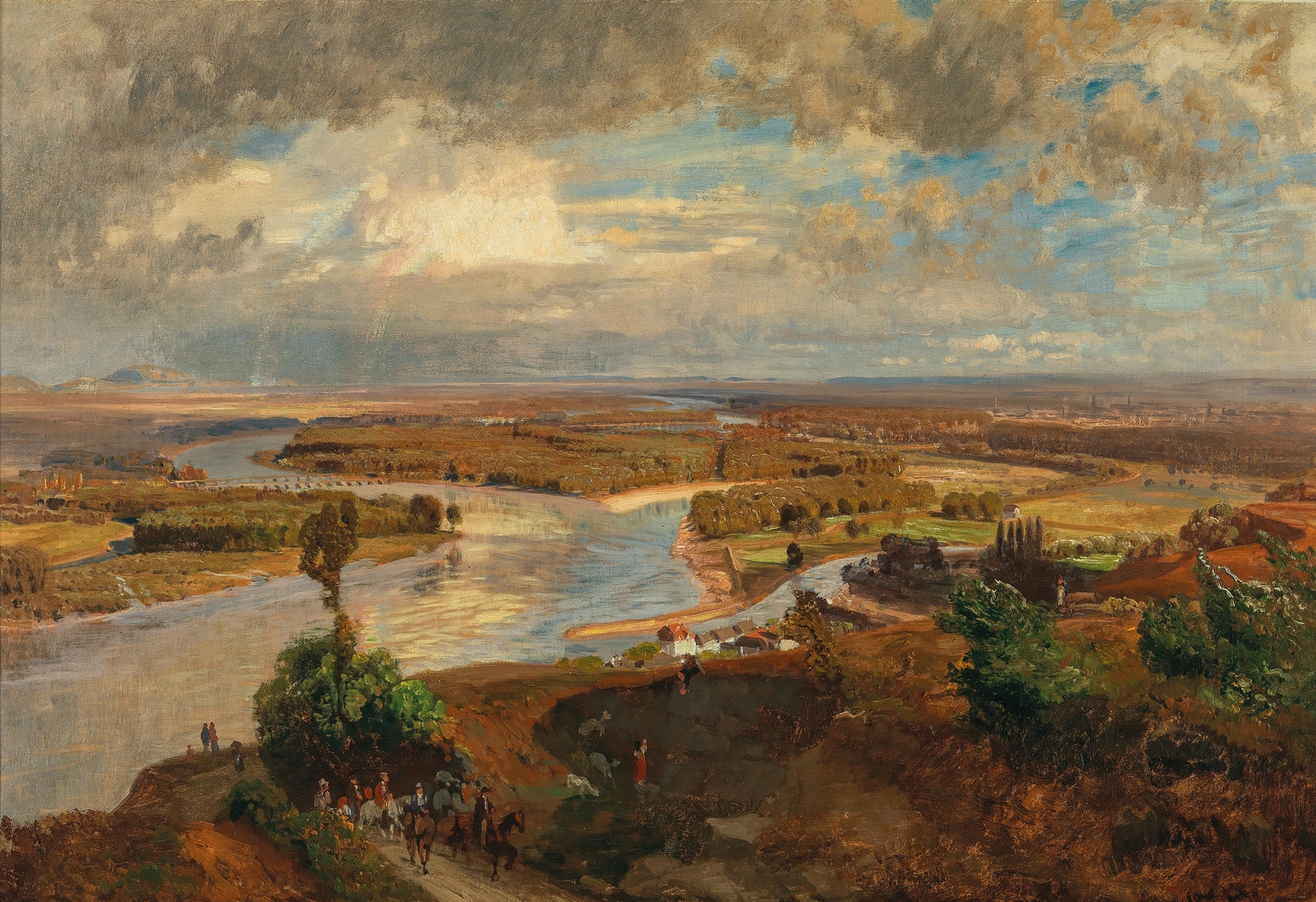
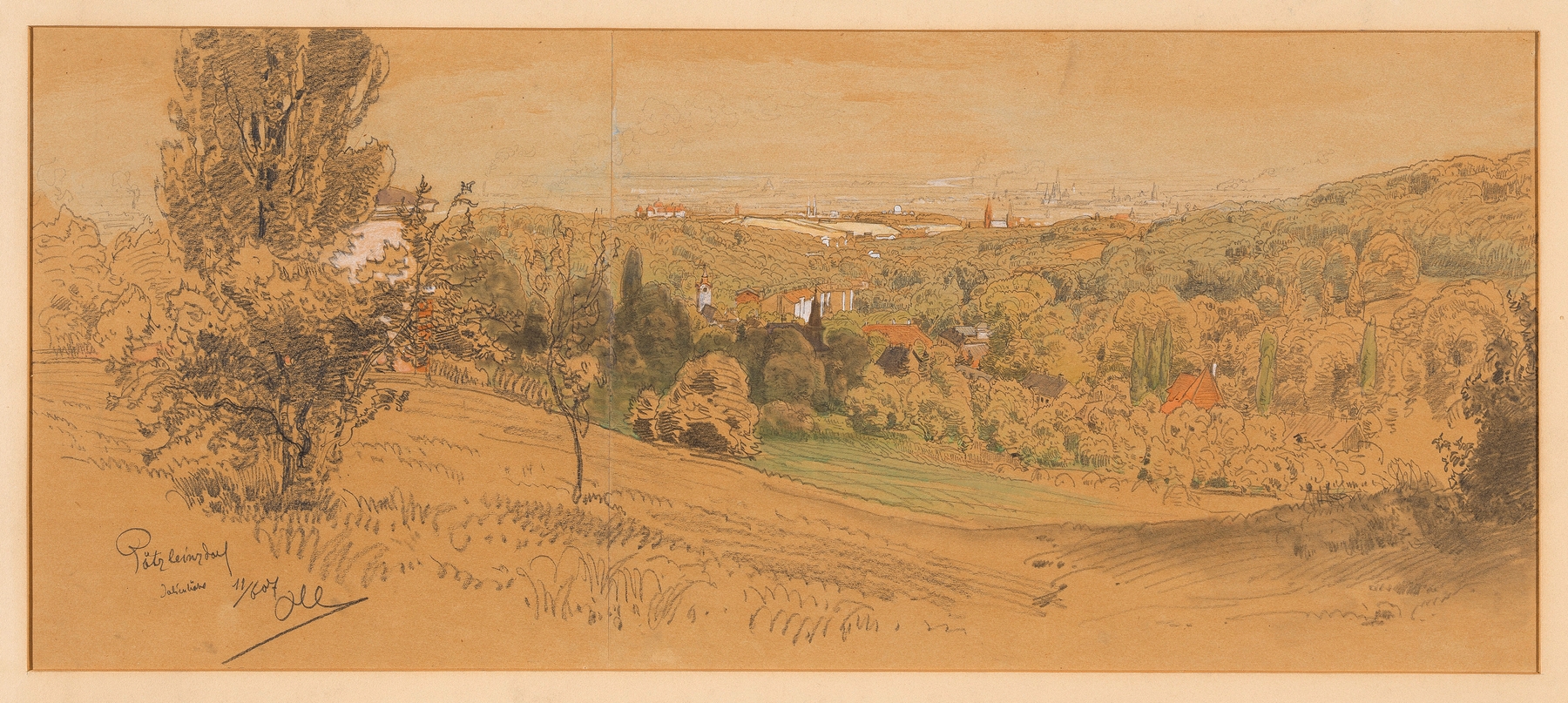
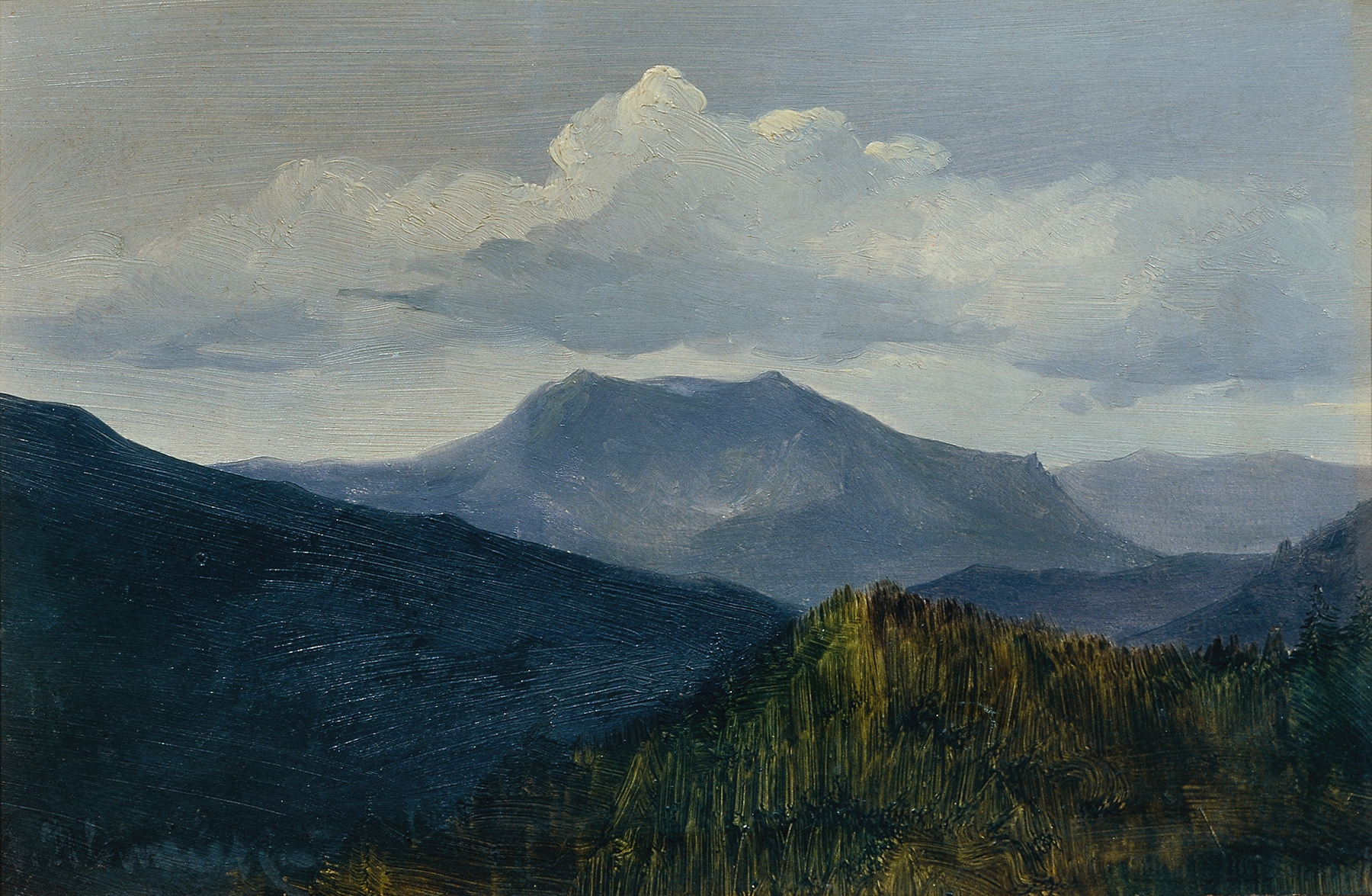
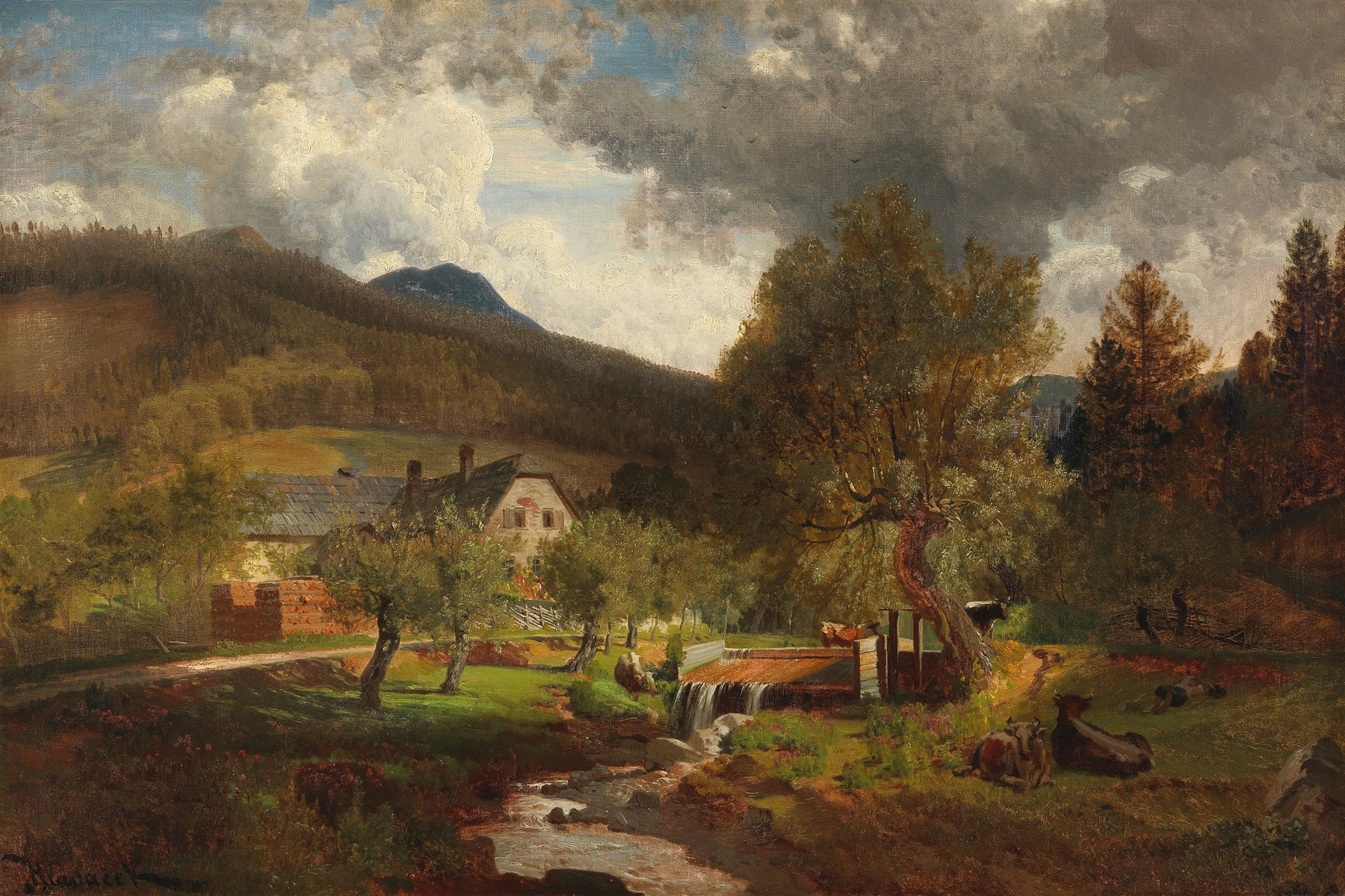
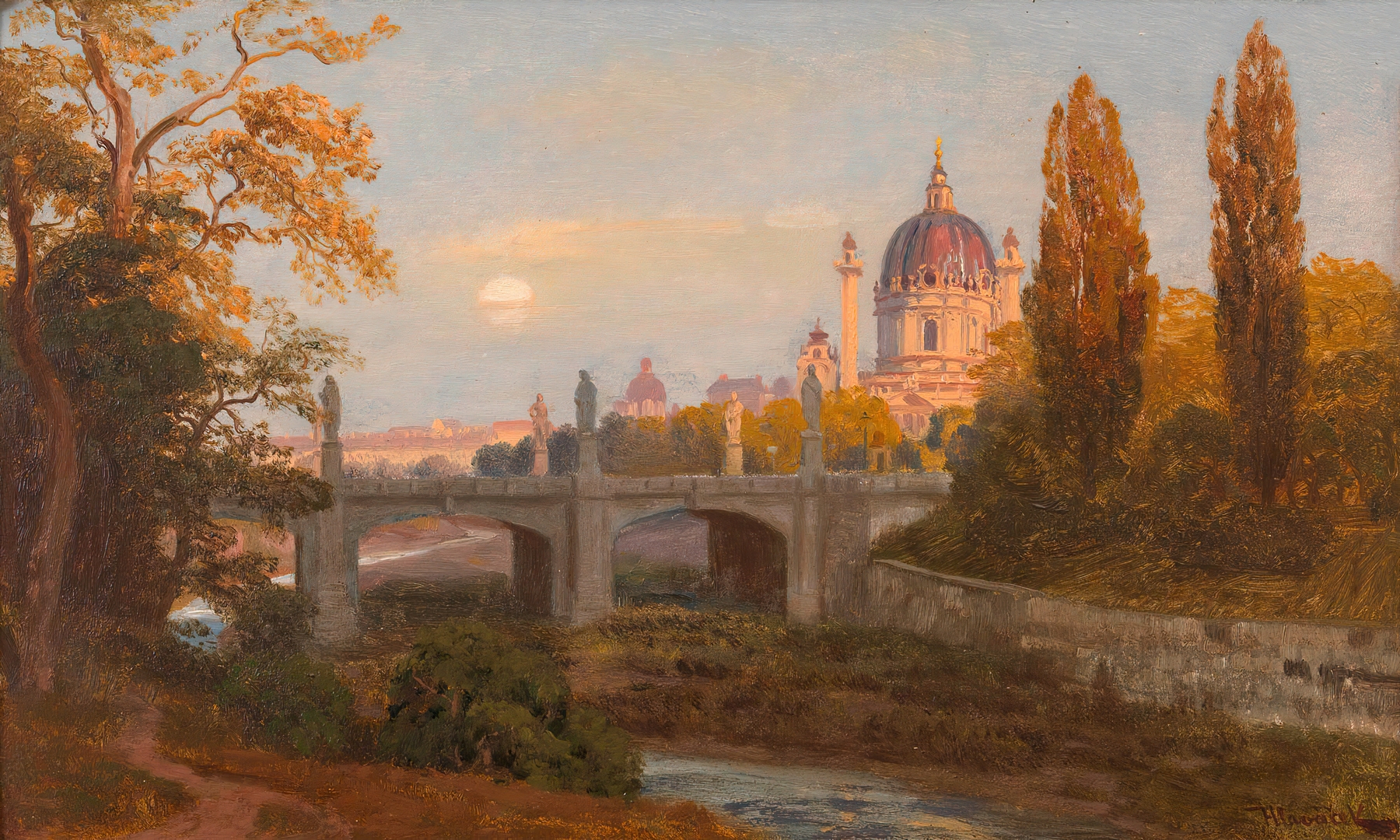
Could a single brushstroke hold eternity? In *Blick vom Wienfluss gegen Elisabethbrücke und Karlskirche*, the stillness of the scene invites contemplation, as if time itself has paused to listen. Look to the left at the delicate arch of the Elisabethbrücke, its elegant lines suggesting both strength and grace. The soft hues of blue and green wash over the water, reflecting the serenity of the moment, while the strokes that form the Karlskirche rise majestically in the background. Notice how the shadows intertwine with light, creating a dance that pulls the viewer's eye toward the church’s dome, which looms like a guardian over the cityscape. The painting carries an emotional tension in its contrasts. The tranquil river, mirrored in soft pastel tones, stands in stark opposition to the imposing architectural forms of the bridge and church. This duality speaks to the dialogue between nature and human creation, evoking a sense of peace amidst the structured chaos of urban life. Each brushstroke seems to whisper secrets of the past, creating a bridge between the viewer and the silent stories of Vienna. In 1895, Anton Hlavacek painted this piece during a time marked by rapid change in Vienna. The city was flourishing with modernity, yet artists like Hlavacek were exploring the ethereal beauty of their surroundings. This reflection on the familiar scenery of the Wienfluss captures not just a landscape, but a moment of stillness in a world on the brink of transformation.