Der Schneeberg bei Gutenstein — History & Analysis
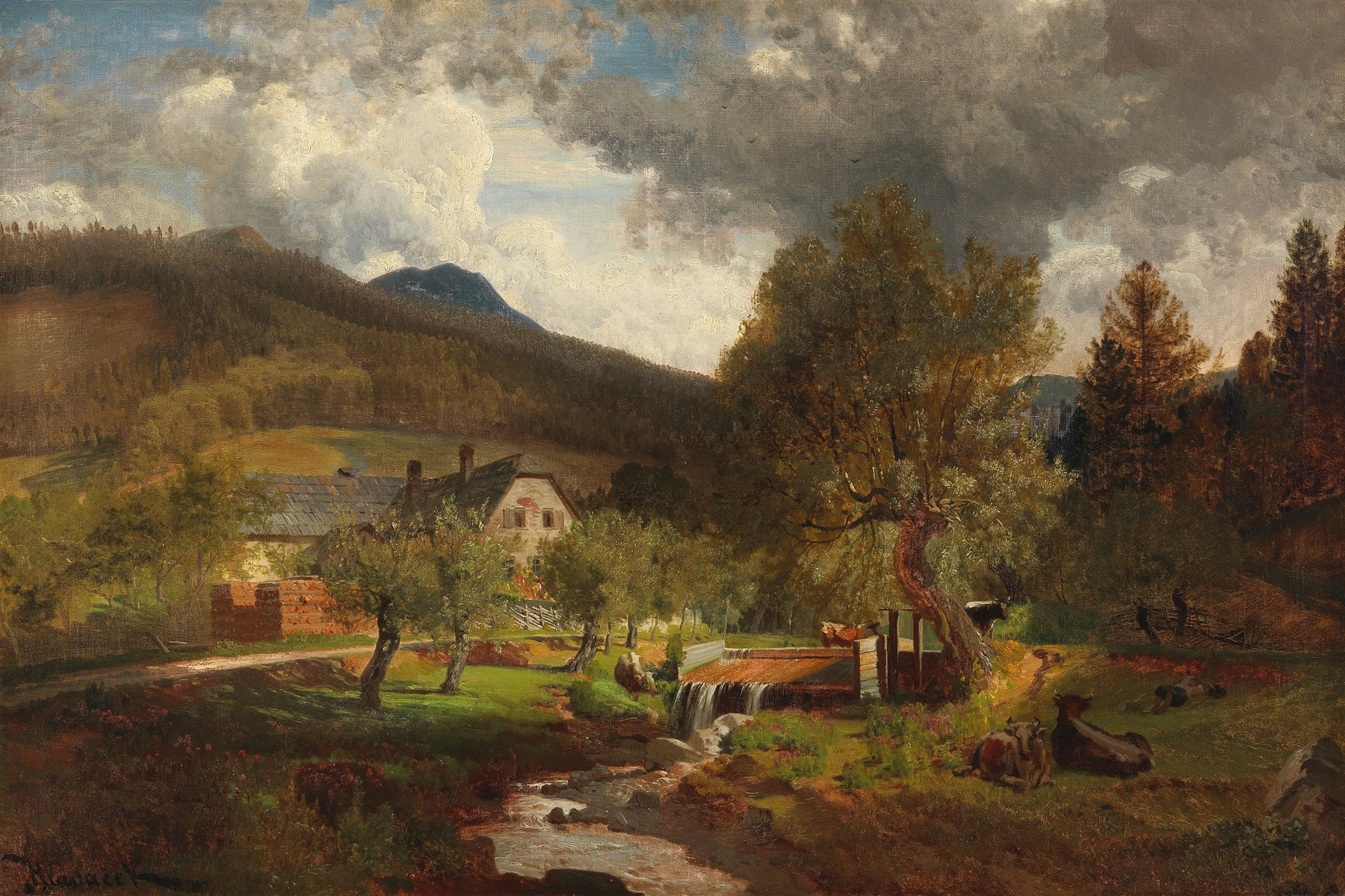
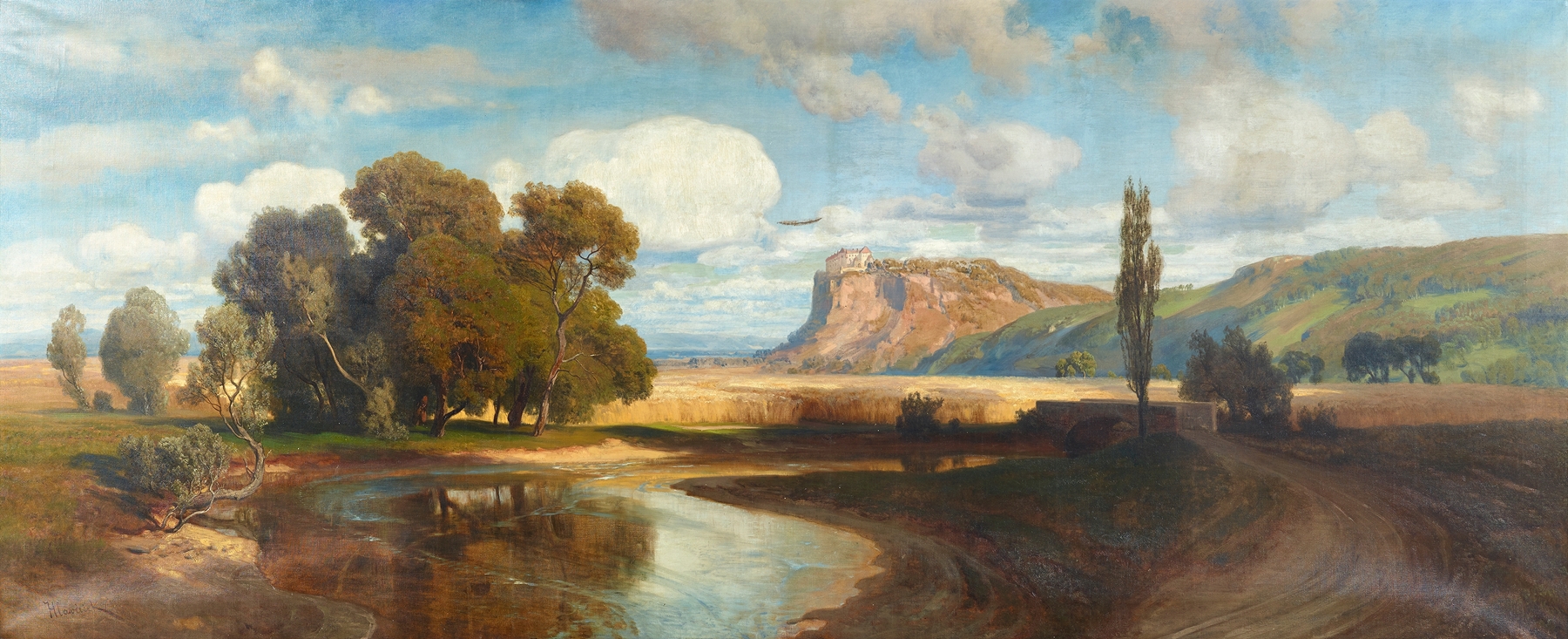
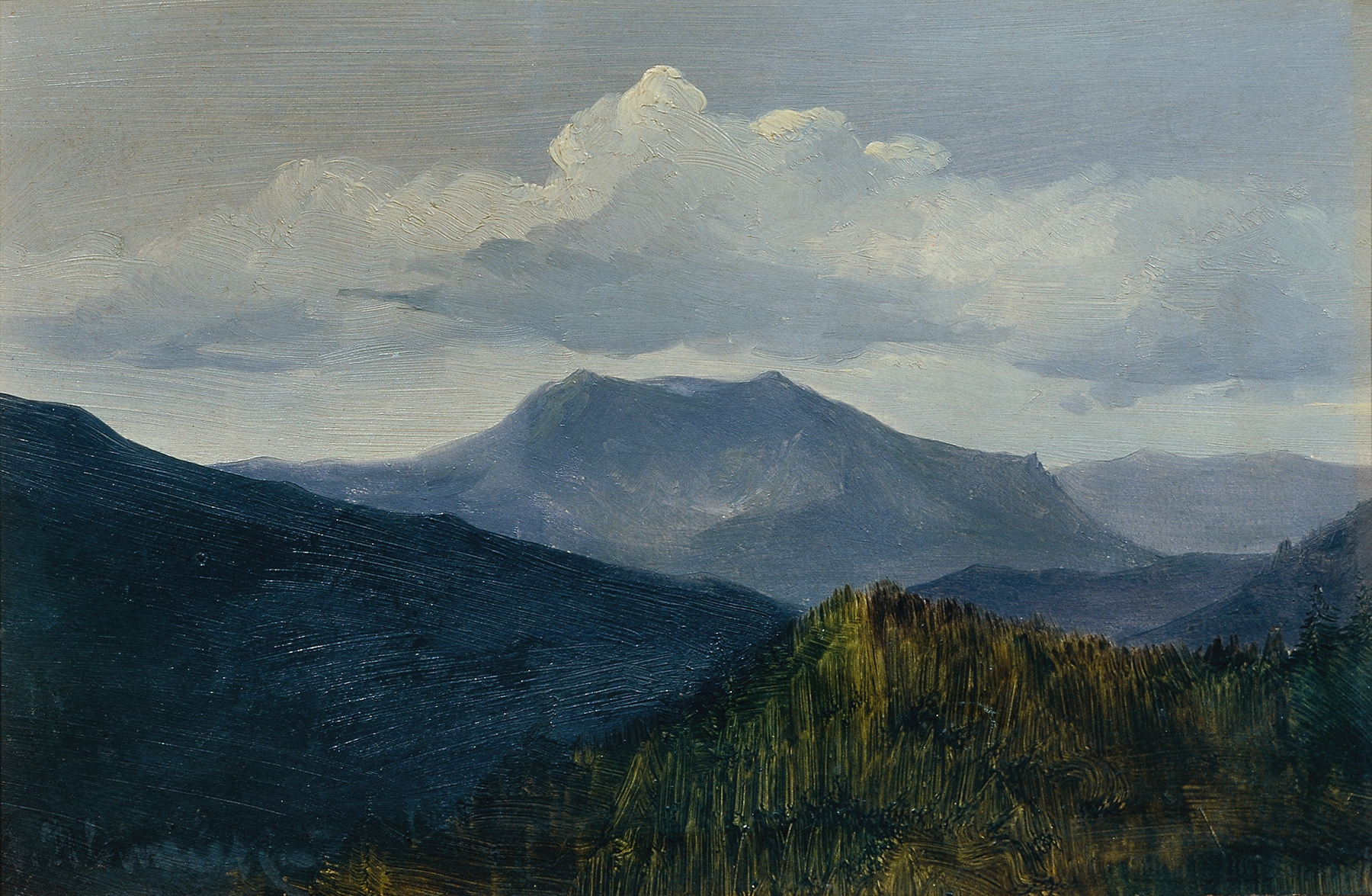
Could beauty survive in a century of chaos? In *Der Schneeberg bei Gutenstein*, nature stands resilient, a silent guardian amidst the shifting tides of time. Look to the center of the canvas, where the majestic Schneeberg rises, crowned with a dusting of white snow. The artist captures the mountain's contours with meticulous brushwork, rendering the rugged terrain alive against a backdrop of a deep azure sky. Notice how the sunlight spills across the landscape, illuminating patches of green and gold, creating an interplay of light and shadow that defines the scene's tranquility. Delve deeper into the artwork's emotional layers — the stark contrast between the serene mountain and the shadowed valleys hints at both isolation and refuge. The play of light evokes a sense of fleeting beauty, suggesting an ephemeral quality amidst the permanence of the mountain. Hidden within the craggy peaks are echoes of resilience, capturing an untouched elegance that stands defiantly against nature's whims. This painting emerged during a period when Anton Hlavacek was establishing his voice in the Austrian landscape genre, around the turn of the 20th century. Living in Vienna, he was influenced by the burgeoning modernist movements that sought to redefine artistic boundaries. As Europe teetered on the brink of social upheaval, his work remains a testament to the enduring power of natural beauty, even as the world around it began to tremble.