Abendlicher Wolkenhimmel — History & Analysis
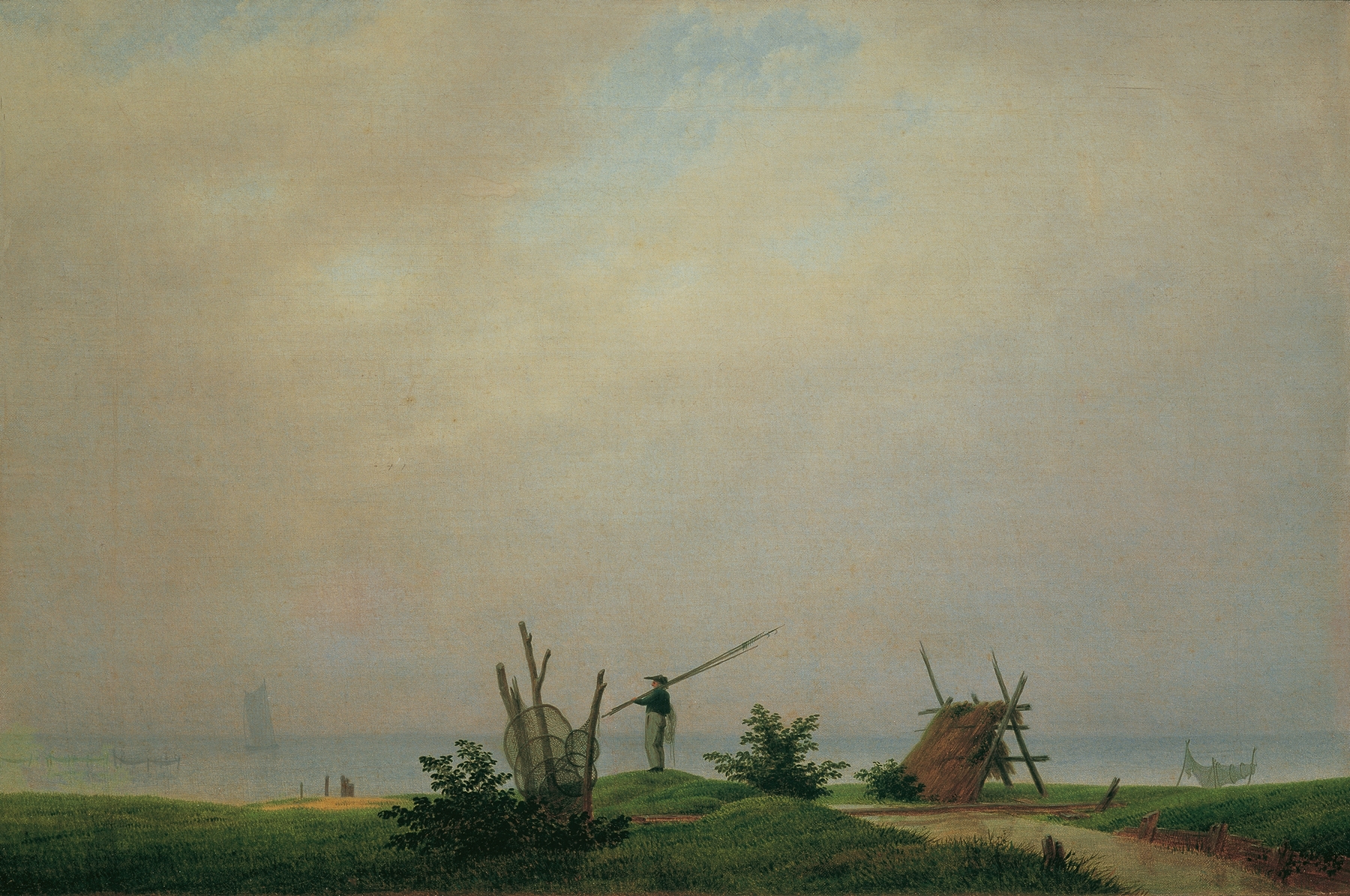
“The canvas doesn’t lie — it simply waits.” In the stillness of twilight, clouds gather, swirling with a sense of impending change. They echo the tumult of a world on the brink of revolution, where nature bears witness to the struggles of humanity and the restless spirit that stirs within. Look to the center of the canvas, where soft hues of orange and deep blue collide, illuminating the delicate texture of the billowing clouds. The interplay of light creates a dramatic contrast, almost as if the sky is holding its breath, waiting for the moment of transformation.
The meticulous brushstrokes reveal the artist's reverence for the sublime, each stroke inviting the viewer to immerse themselves in the vastness above. Yet within this serene beauty lies tension, a juxtaposition between calm and chaos. The vibrant colors suggest fervor while the wispy forms convey fragility, mirroring the delicate balance of the era — a time ripe with upheaval. The vast expanse speaks of freedom and possibility, inviting contemplation on the forces of change that ripple through the fabric of life, reflecting deep emotional currents that transcend mere aesthetics.
In 1824, the artist painted this work in Germany, a period steeped in romanticism and burgeoning nationalistic sentiment. Amidst a backdrop of political unrest and calls for reform, he sought to express the emotional landscape of his time through the language of nature. It was a pivotal moment, as artists like him navigated the shifting tides of societal change, capturing the essence of a world teetering on the brink of transformation.