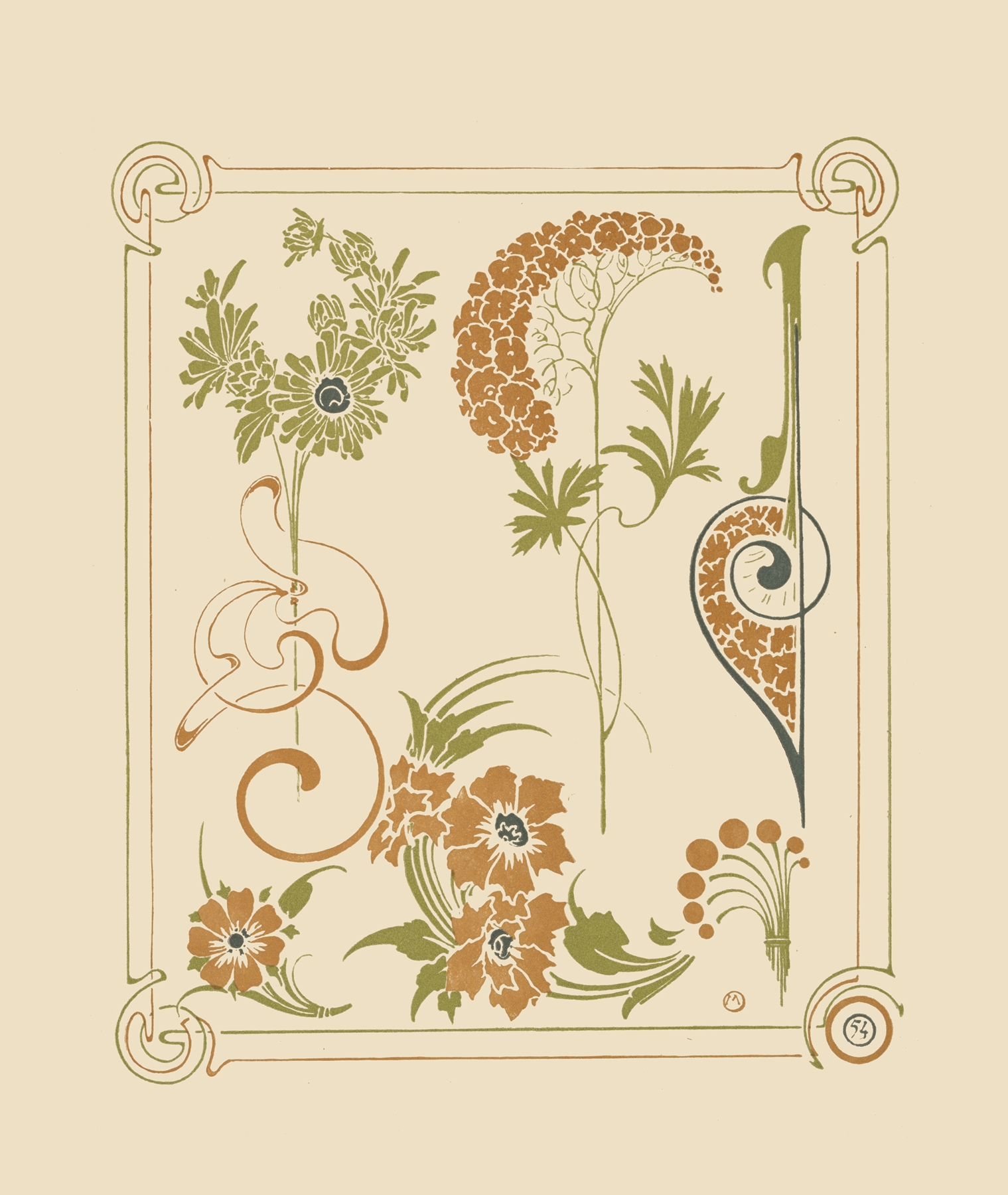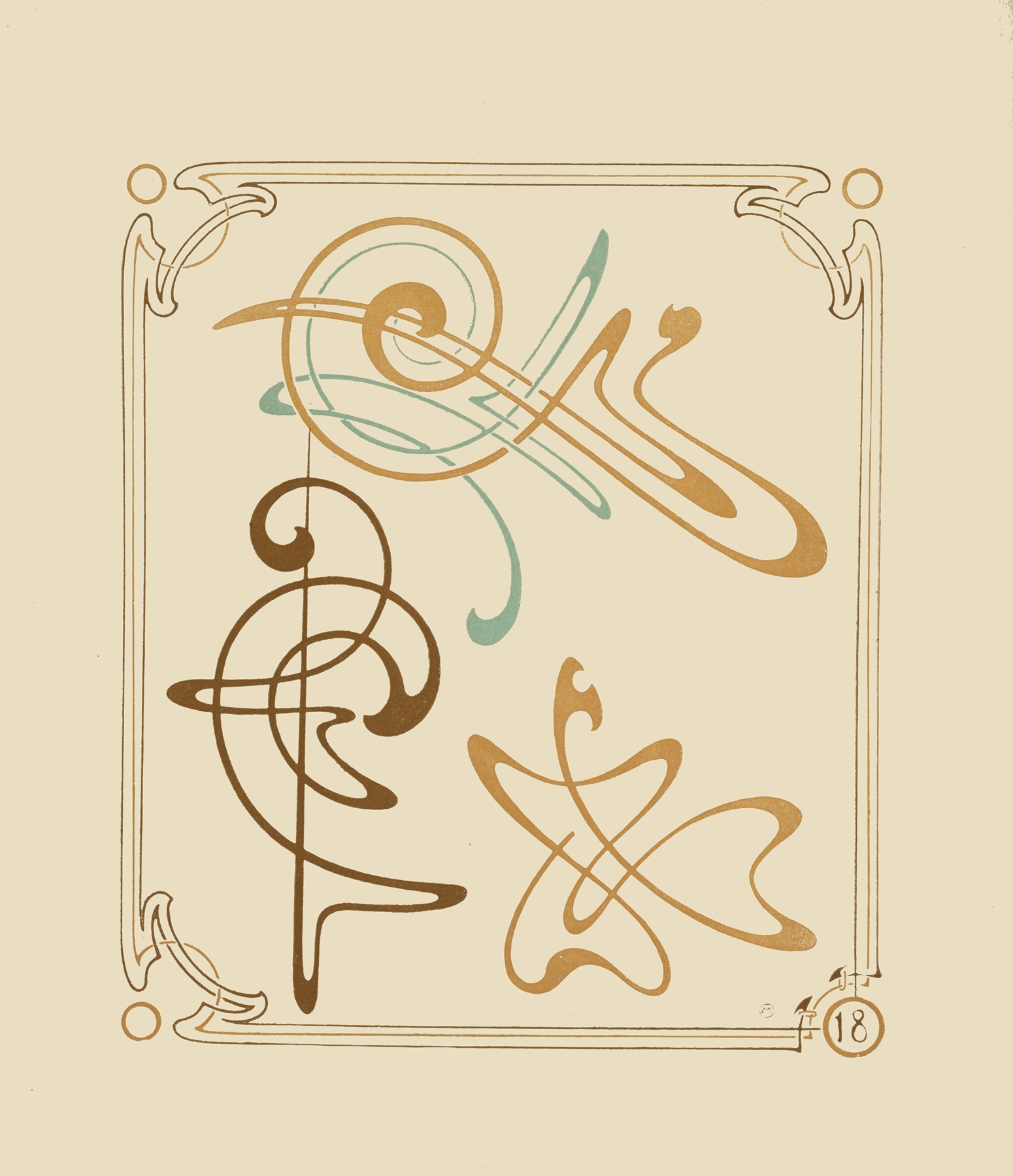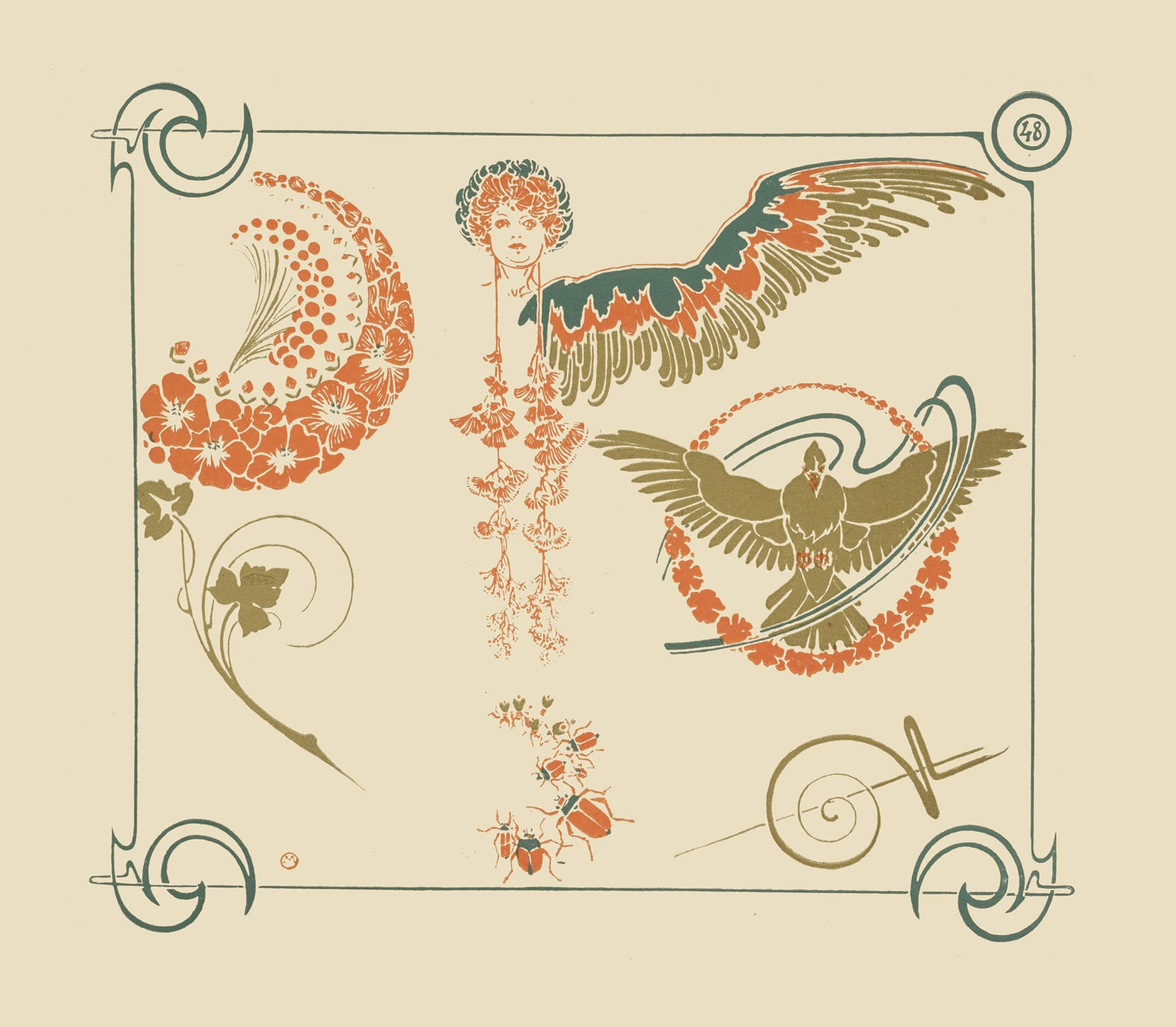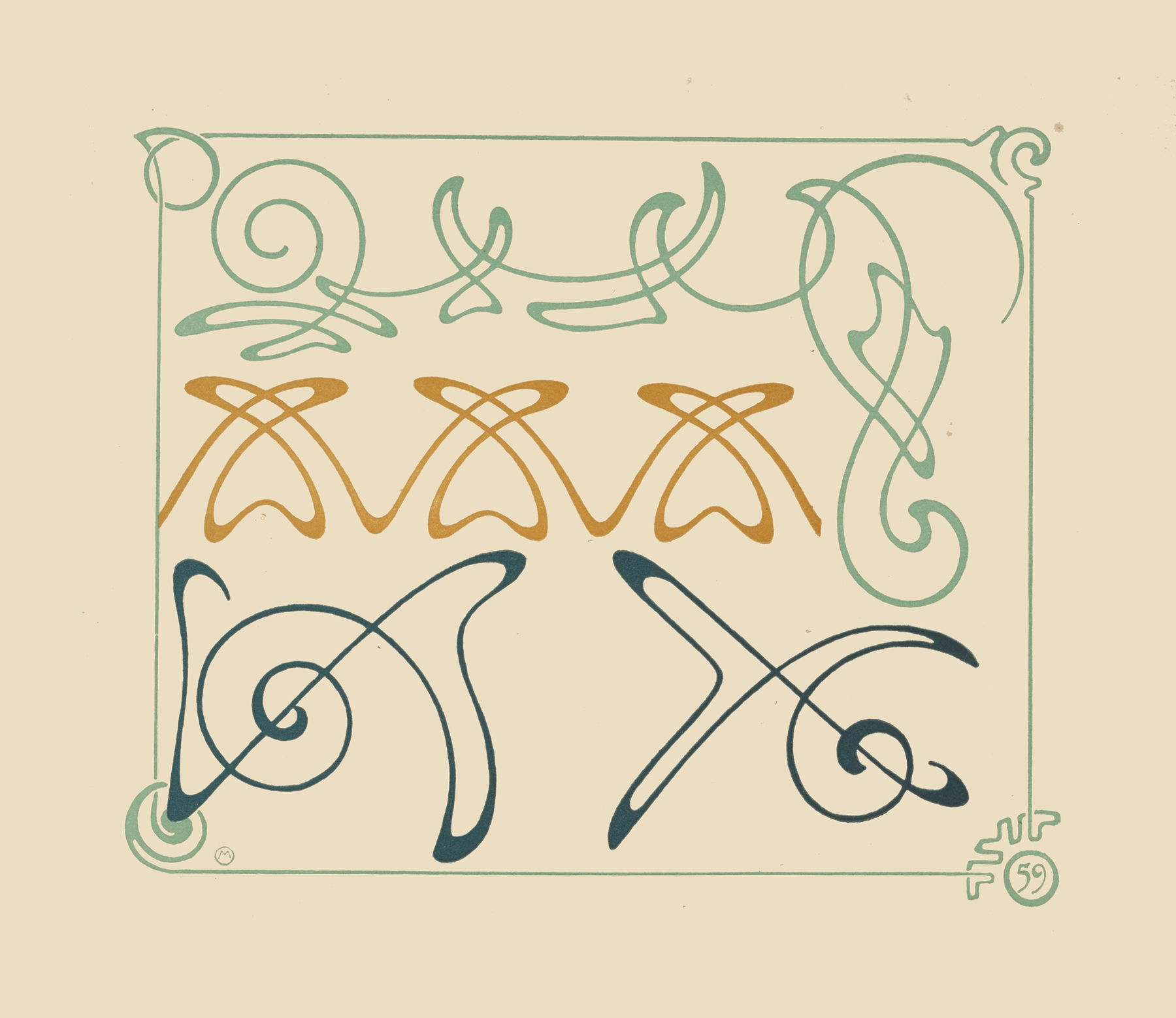
Abstract design based on flowers and curvilinear shapes. — History & Analysis
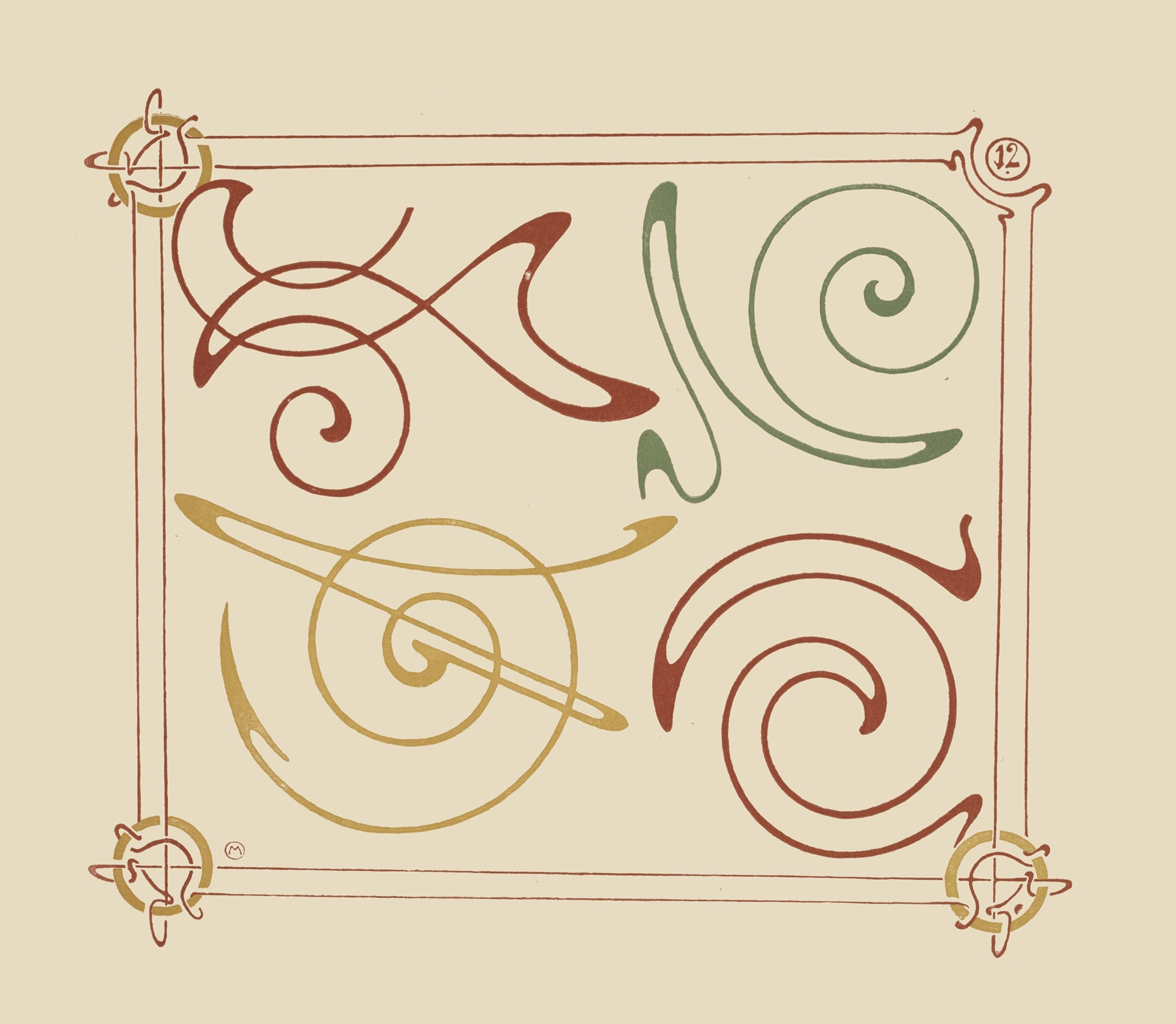
“The canvas doesn’t lie — it simply waits.” In the realm of art, decay whispers not only of endings but of the beauty found in transformation. Can we embrace the ephemeral without fear, or does it elude our grasp, much like a petal caught in the wind? Look to the center of the composition, where swirling curvilinear shapes entwine like vines embracing an unseen trellis. The vibrant colors bleed into one another, reminiscent of blossoms at their peak yet also hinting at their inevitable wilting.
The delicate balance between boldness and fragility captures a moment suspended between life and decay, inviting the viewer to linger on the interplay of light and shadow. Hidden within this design lies an emotional tension; the organic forms suggest growth while the fading hues evoke a sense of loss. This duality reflects the cycle of life itself, where beauty is often intertwined with vulnerability. Notice how the spirals draw your gaze outward, creating a dynamic movement that simultaneously suggests escape and confinement, a dance between flourishing and fading.
Alphonse Mucha created this evocative piece in 1900, during a period marked by the rise of Art Nouveau. Living in Paris, Mucha was at the zenith of his career, engaging with themes that celebrated both nature and femininity. His work during this time was characterized by a harmonious blend of intricate designs and an appreciation for the transient beauty surrounding him, encapsulating the essence of a world on the brink of modernity yet deeply rooted in organic forms.