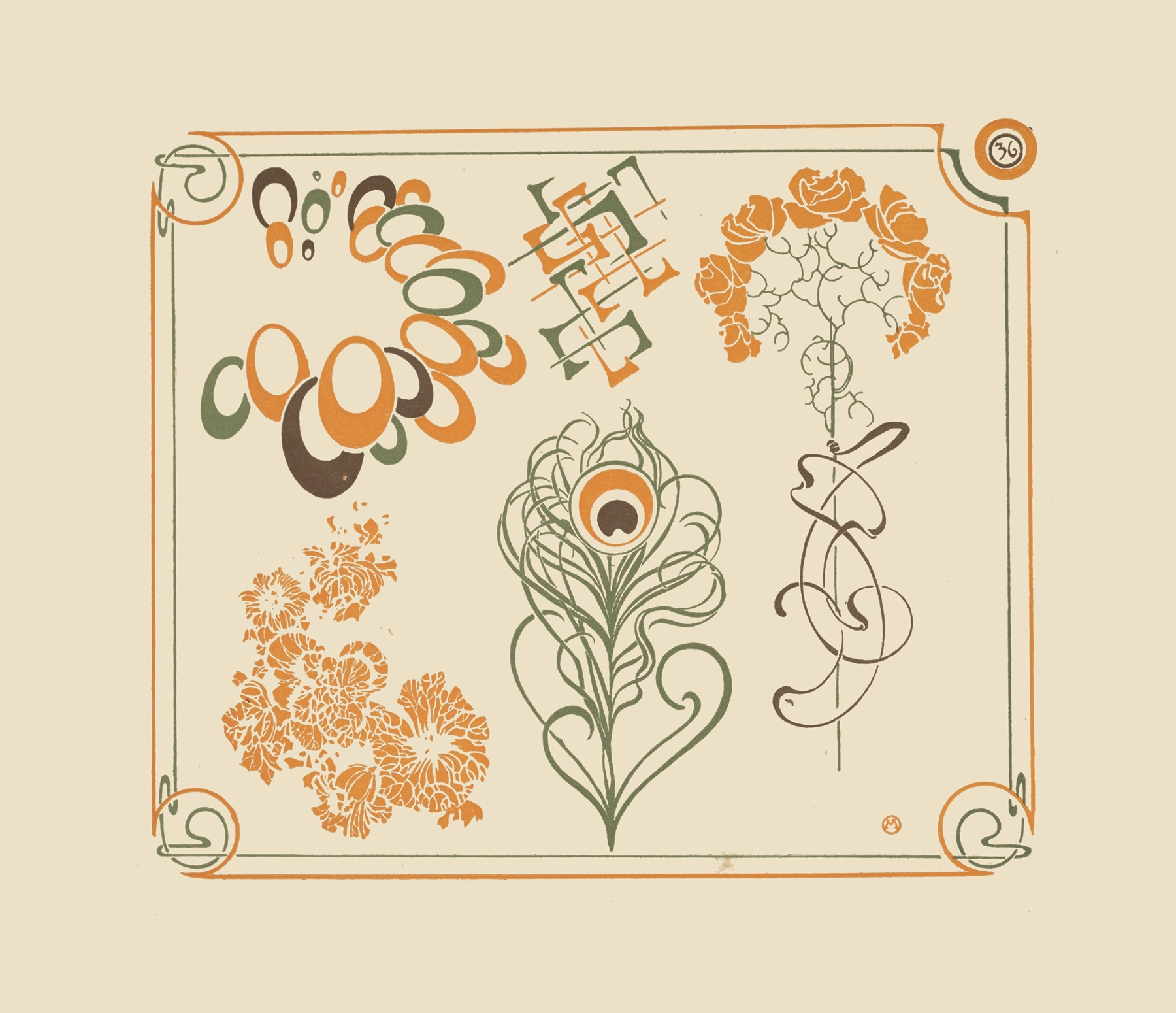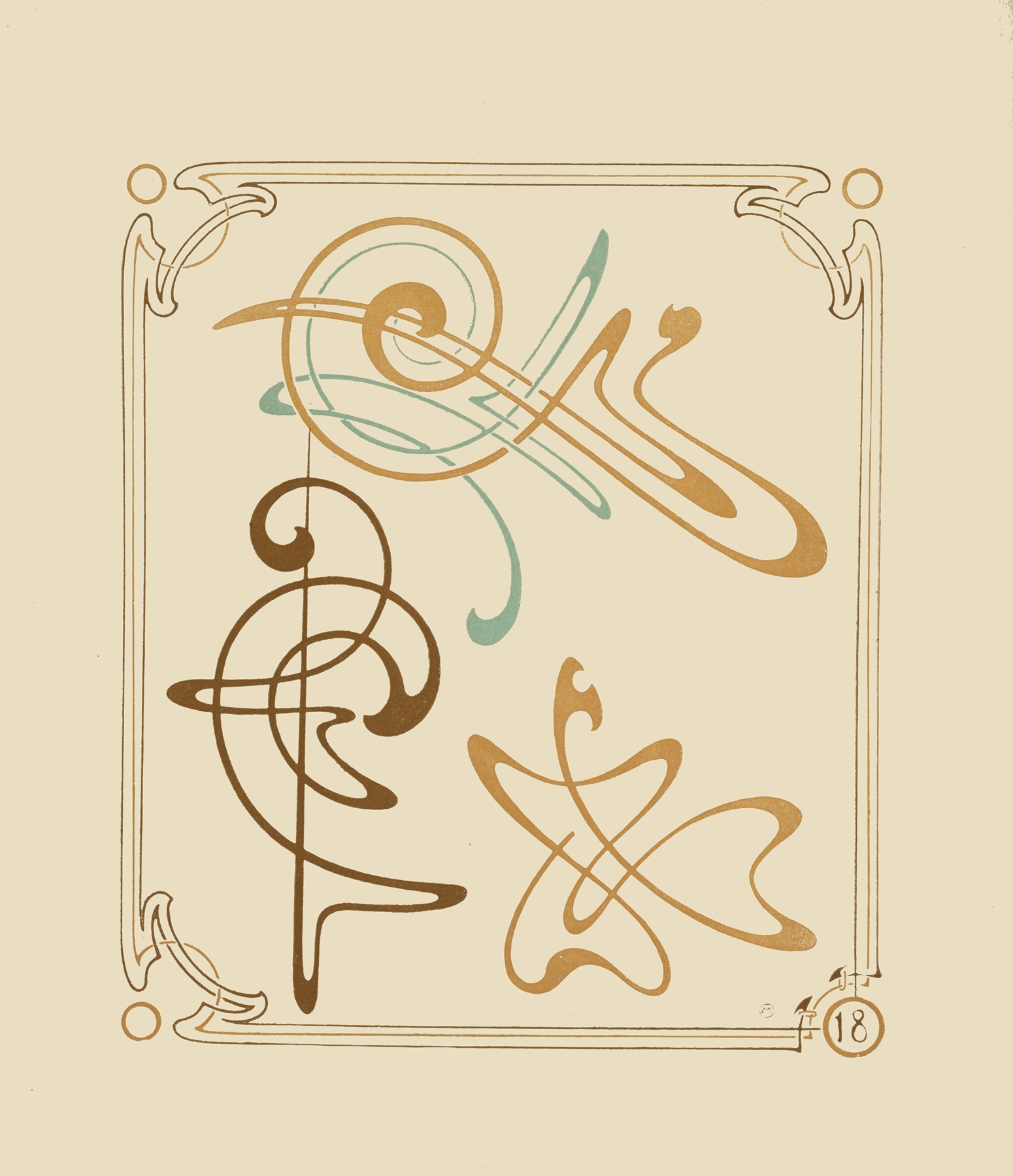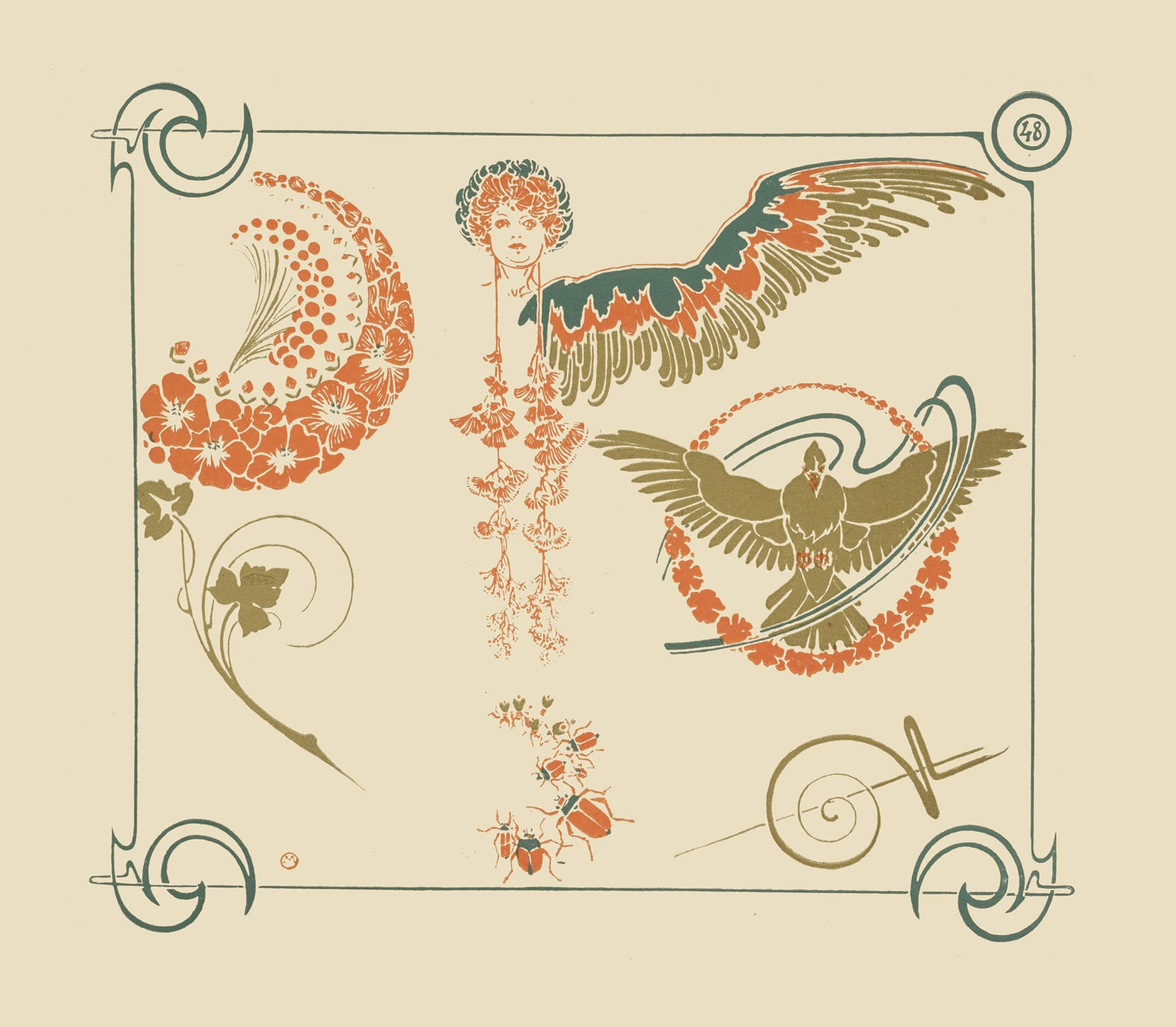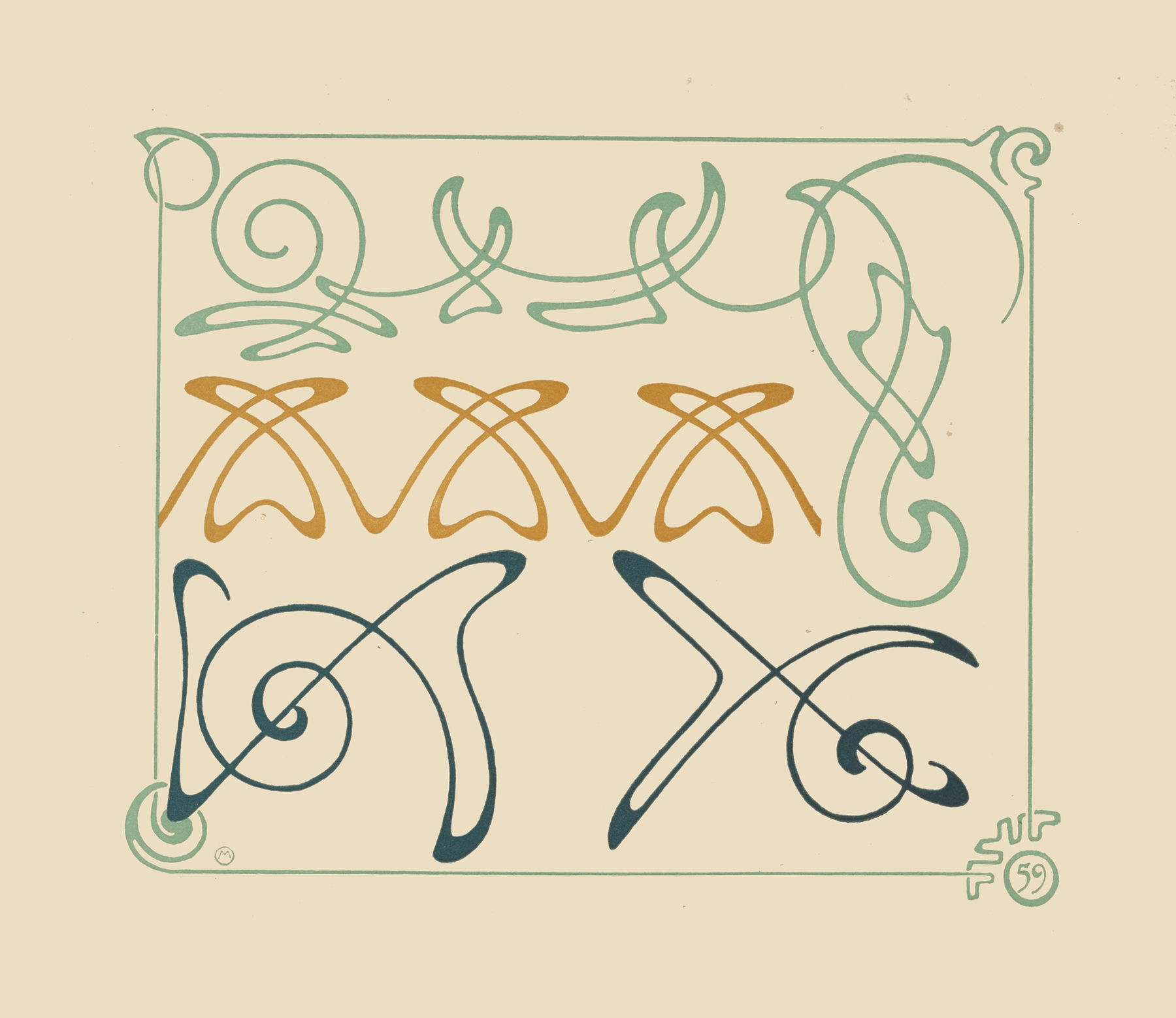
Abstract design based on flowers and arabesques. — History & Analysis
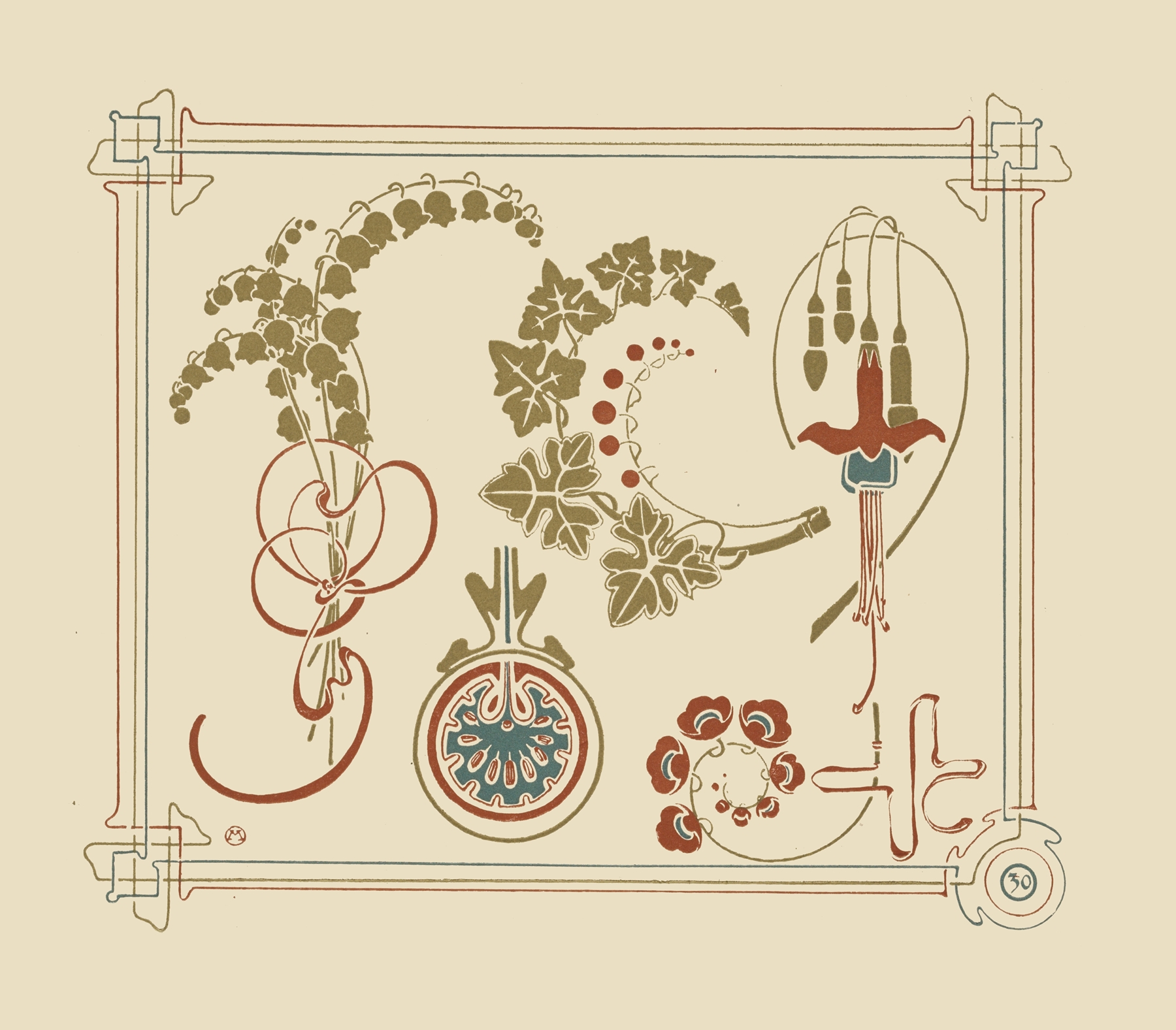
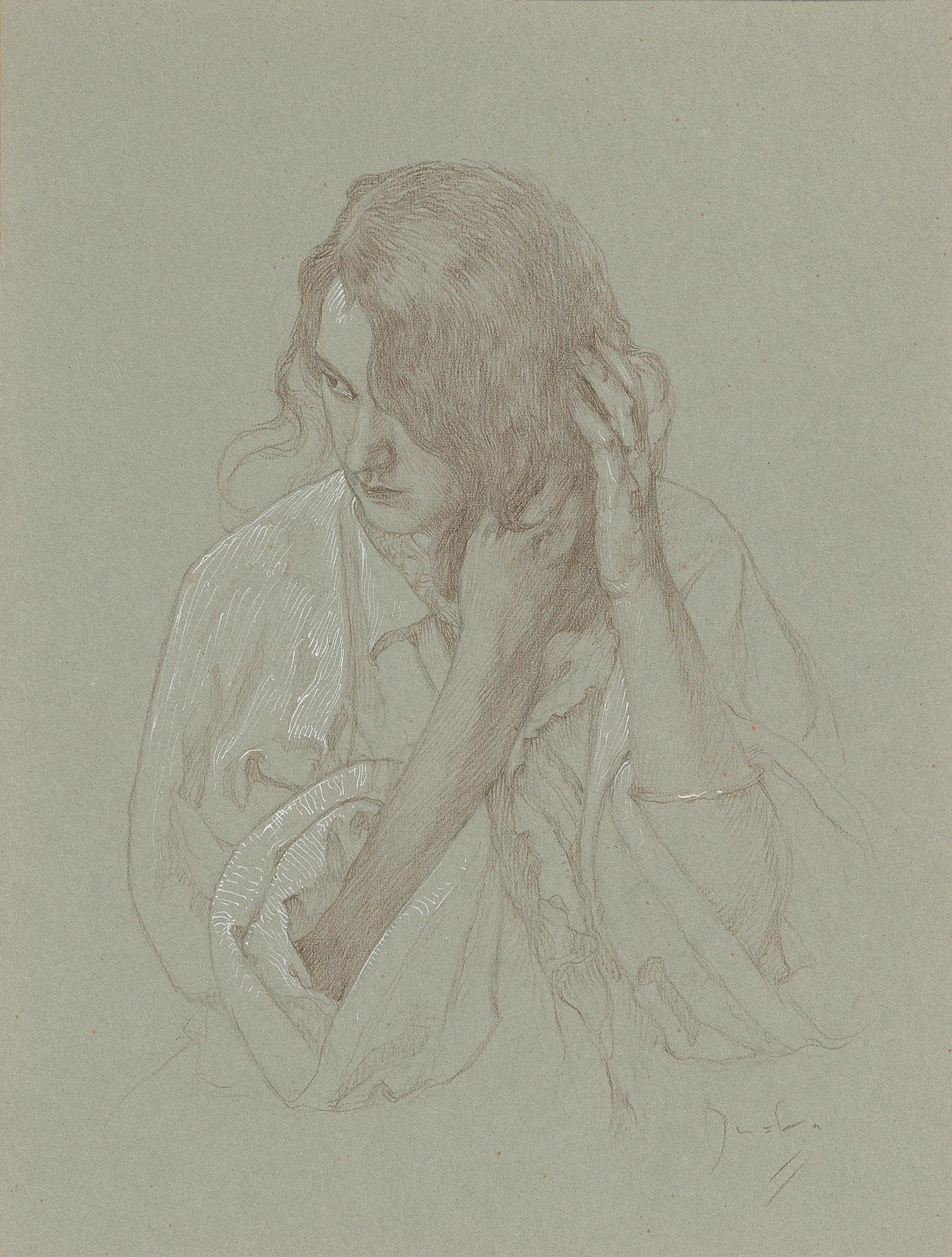
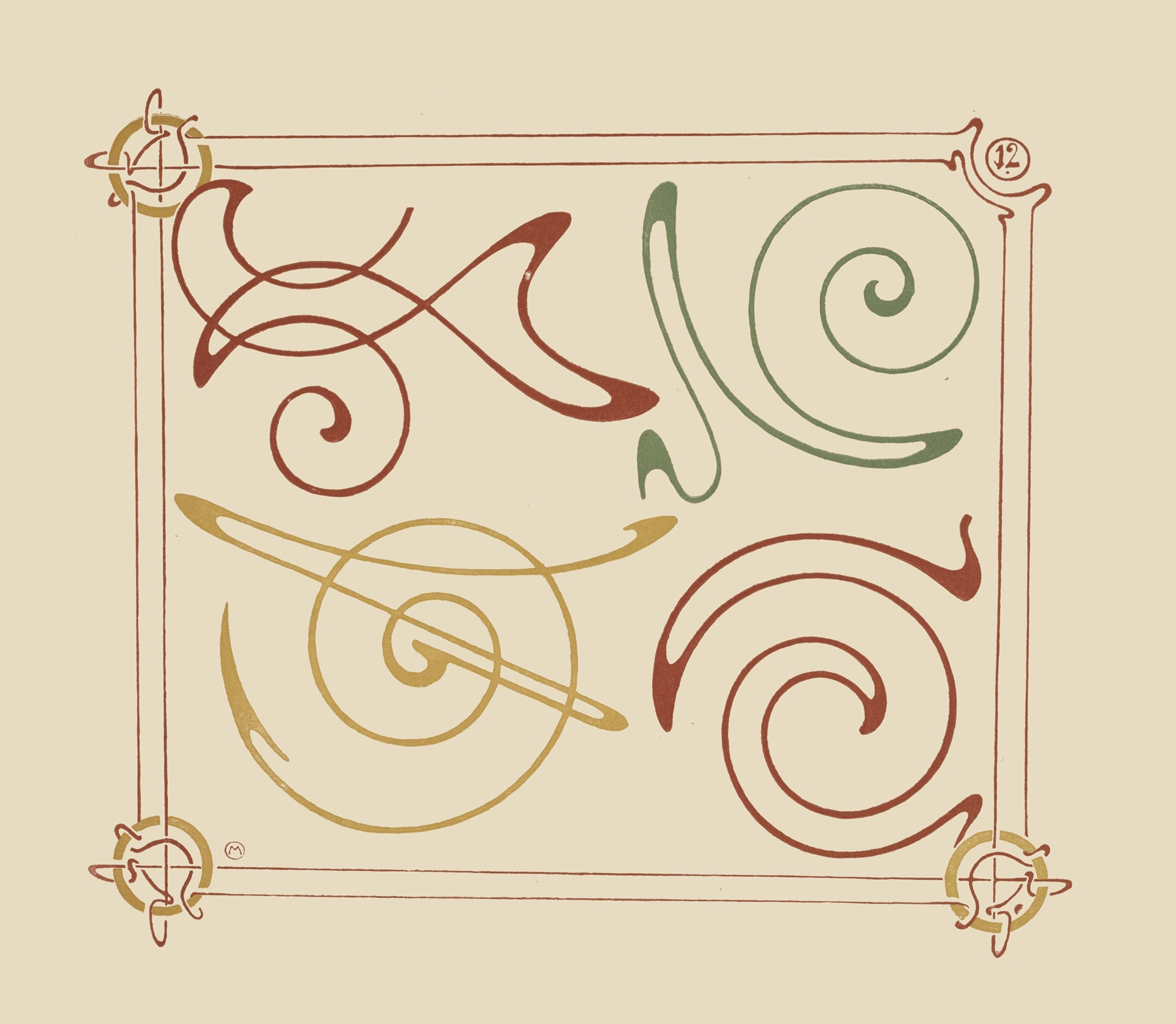
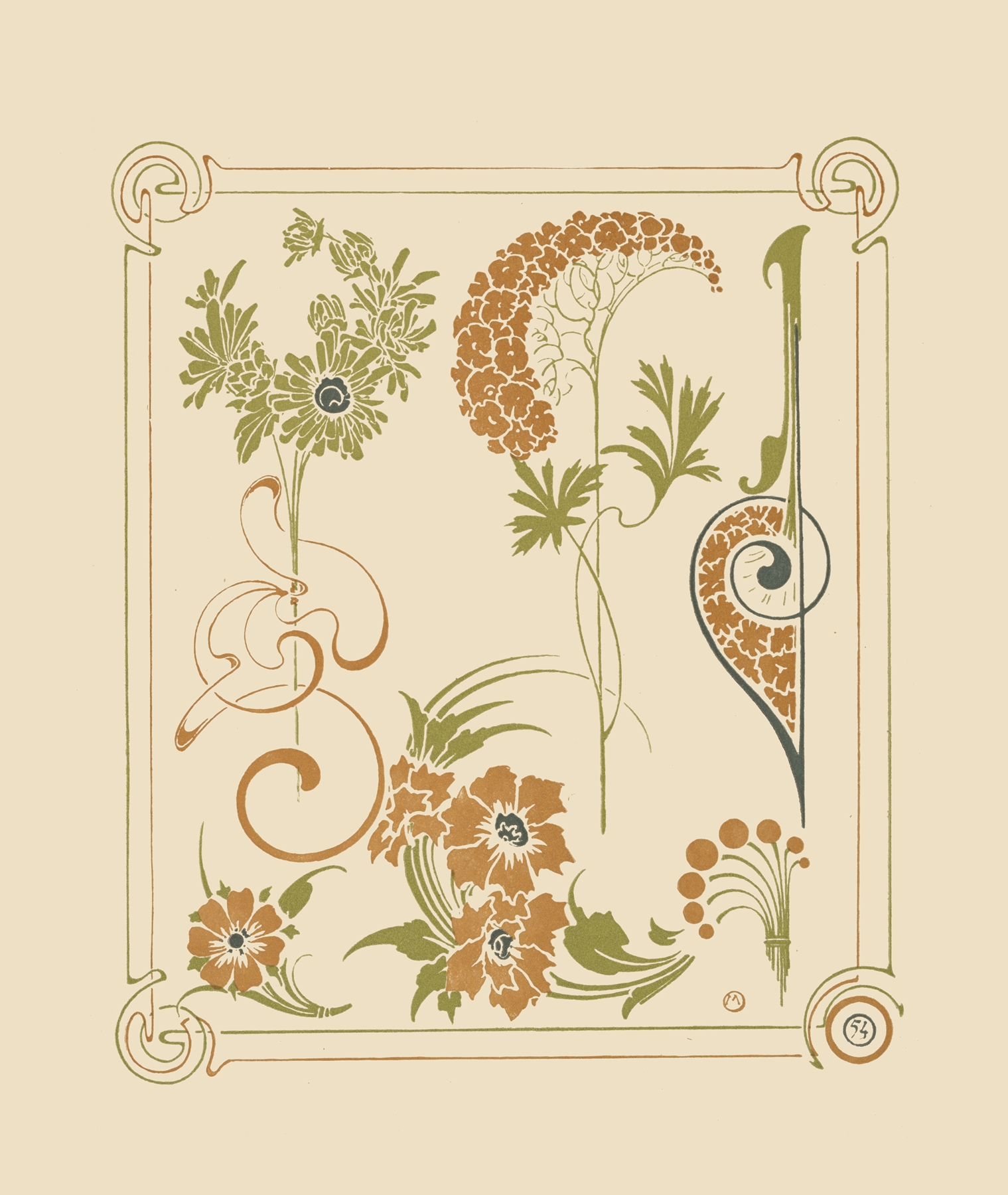
What if silence could speak through light? In Alphonse Mucha's abstract design, it is the delicate interplay of color and form that whispers profound truths, inviting the observer into a world where nature and art intertwine seamlessly. Focus first on the vibrant, swirling arabesques that dominate the canvas, drawing the eye into their intricate dance. Notice how the soft pastels blend harmoniously, creating a sense of movement that mimics the natural grace of flowers in bloom. The composition is a rhythmic flow, with each curve and line leading your gaze toward the gentle interplay of light, where the subtle highlights reveal texture and depth.
Mucha's mastery of color elevates the piece, giving life to an otherwise abstract representation, while the floral motifs breathe a sense of organic vitality into the design. Yet, it is the tension between chaos and harmony that offers a deeper resonance. The complex layering of arabesques evokes feelings of both serenity and complexity, suggesting that beauty often arises from the intricate weave of life’s experiences. Hidden within the floral patterns lies a sense of truth — a quiet assertion that nature's beauty can be both overwhelming and soothing, just as silence can be filled with unspoken emotions.
Each element, while visually captivating, speaks to the larger narratives of existence and the ephemeral nature of life. Created in 1900, this piece represents a pivotal moment for Mucha, who was immersed in the Art Nouveau movement, characterized by its embrace of organic forms and intricate designs. At this time, he was establishing himself as a key figure in decorative arts, influenced by his desire to elevate graphic design to an art form. The world was witnessing a shift toward modernity, yet Mucha’s work remained anchored in the timeless beauty of nature, reflecting his commitment to capturing the essence of truth through artistic expression.