Adoration of the Magi — History & Analysis
A hushed reverence envelops the stable as three regal figures kneel, their rich robes shimmering in the soft glow of an unseen light. The air is thick with anticipation as the Magi, each adorned with sumptuous fabrics, present their gifts towards the humble child cradled in a mother’s embrace. The serene expressions speak of a profound moment, a convergence of the divine and the mortal, where simplicity meets grandeur. Focus on the central figures, specifically the way the golden hue of the gifts contrasts with the earthy tones of the structure surrounding them. Notice how the artist cleverly frames the scene: the stable recedes into shadow, allowing the figures to emerge vibrantly against a backdrop that suggests both depth and intimacy.
The delicate brushwork highlights textures, from the soft folds of the robes to the roughness of the wooden beams, creating a palpable sense of presence. Hidden within this tableau lies a delicate balance between wealth and humility. The ornate gifts symbolize worldly power, yet the setting emphasizes a greater truth—the arrival of spiritual wealth through the child. The emotional tension unfolds in the gestures; the Magi bowing low while the mother gazes protectively, merging vulnerability with reverence.
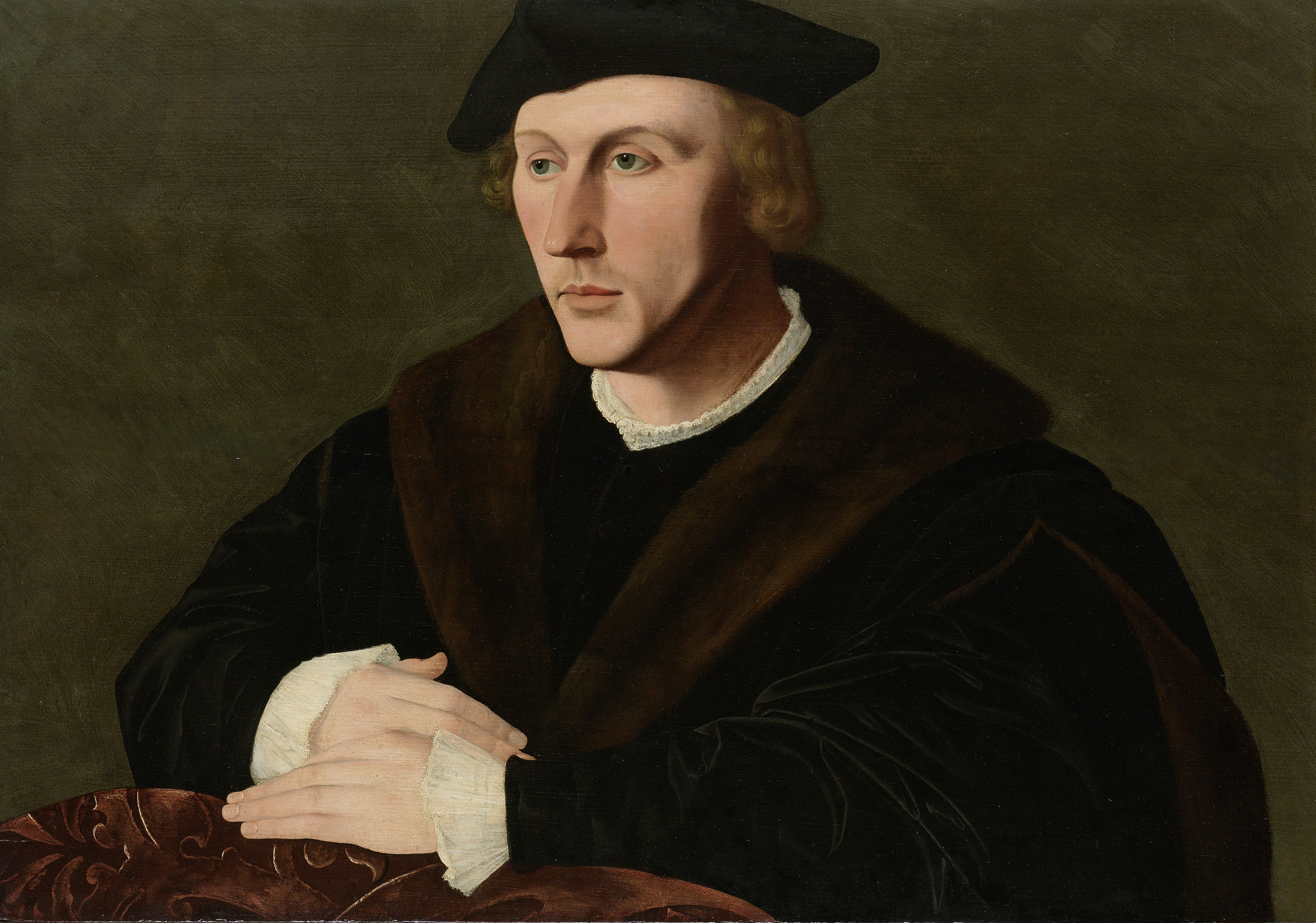
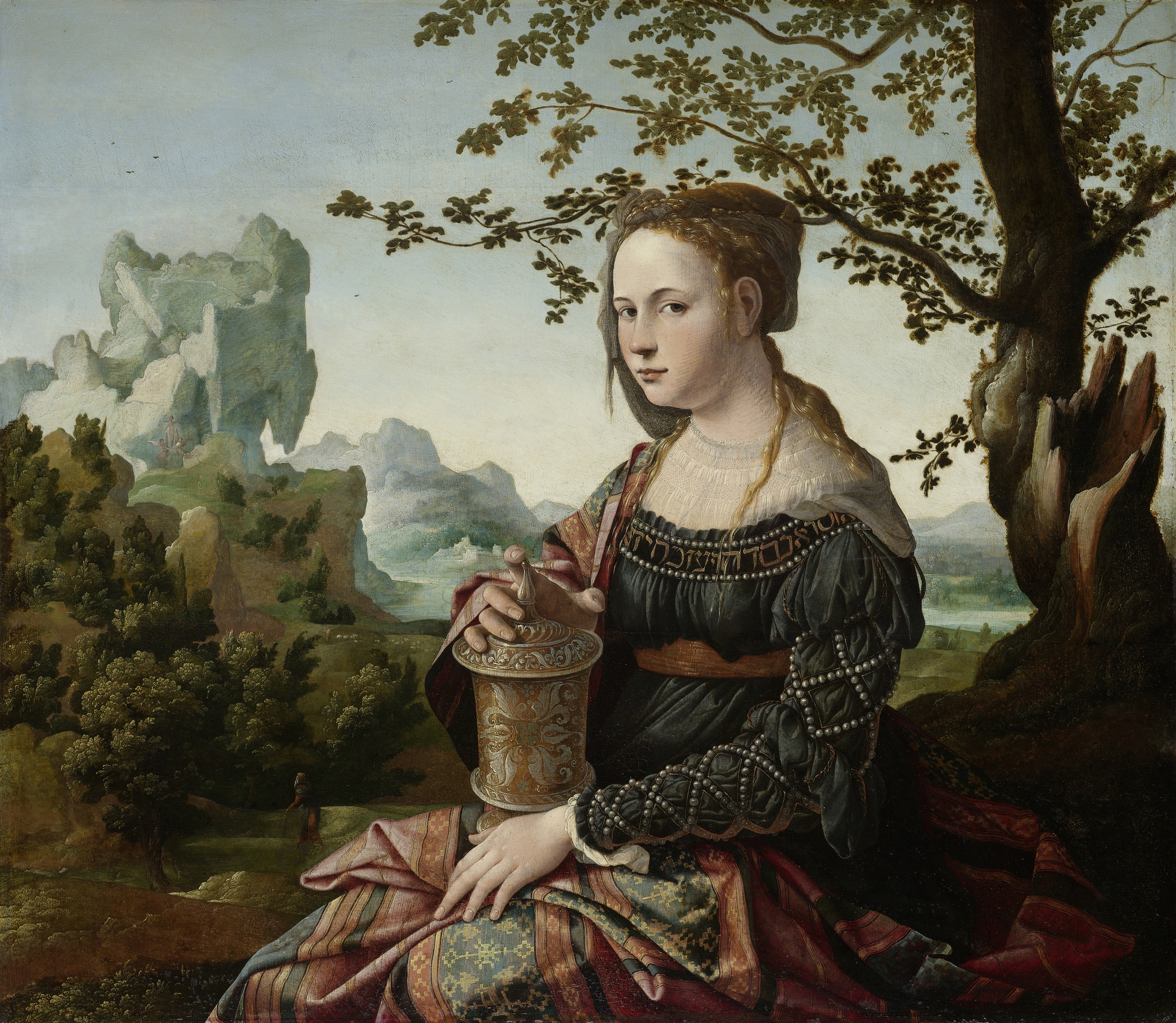
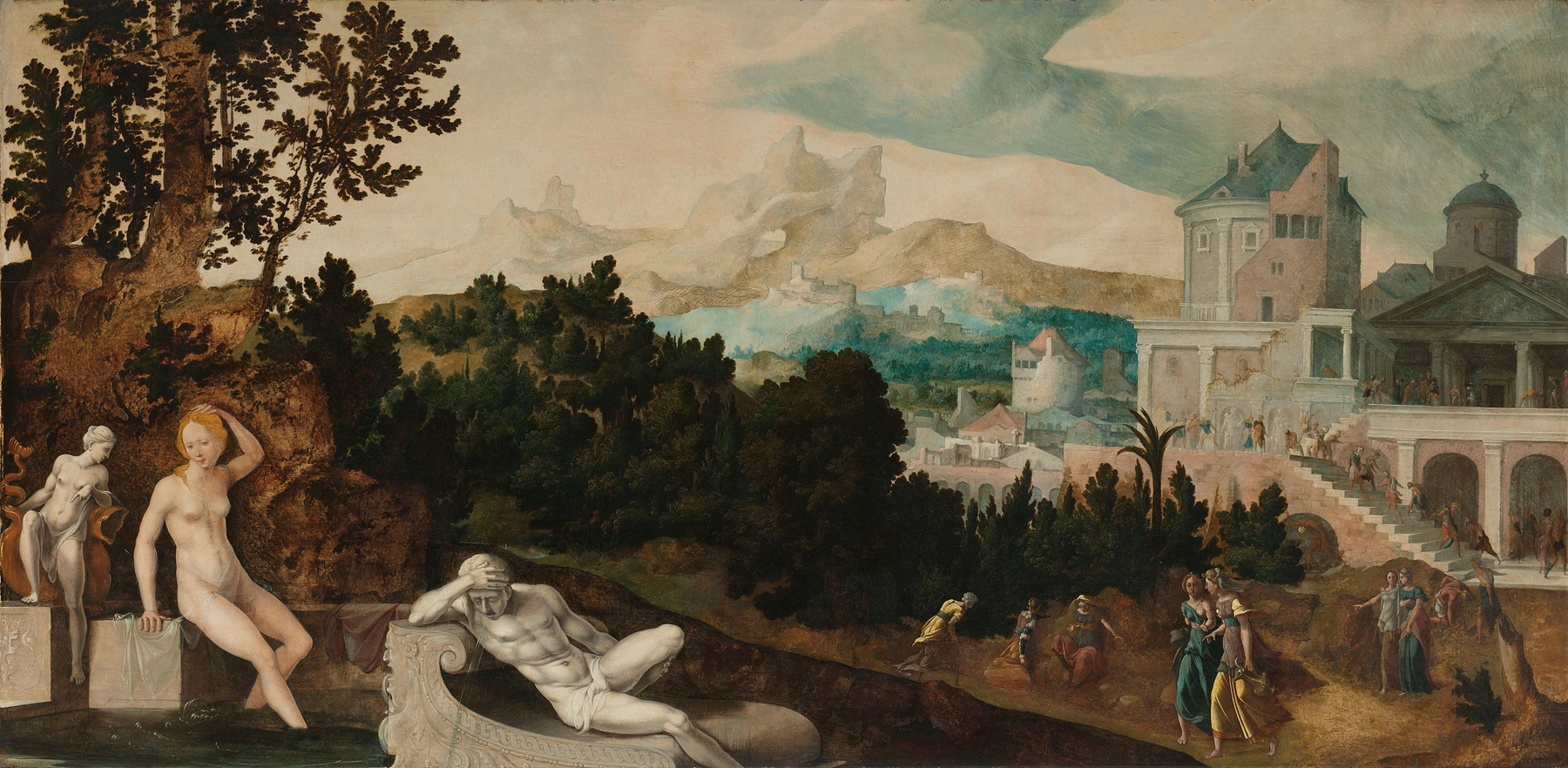
Each element weaves a narrative of devotion, echoing themes of faith and the journey toward enlightenment. In 1519, Jan van Scorel painted this masterpiece during a period marked by the Renaissance’s flourishing of humanism and a renewed interest in classical subjects. Working in the Netherlands, he was influenced by the changing currents of art that embraced both religious and secular themes. This piece stands as a testament to his ability to blend traditional iconography with the emerging styles of the era, inviting viewers into a moment of quiet reflection and connection.