
De terugkeer van de verloren zoon — History & Facts
In the quiet recesses of the heart, grief dances in the shadows, waiting for recognition. It lingers in the spaces between vibrant hues, longing for understanding and connection. Look to the left, where the figure of the father stands, enveloped in rich, warm tones that mirror the complexities of his emotion. Notice how the soft light falls upon his weary face, illuminating the deep lines etched by sorrow and joy alike.
The son's posture, awkward and tentative, contrasts sharply with his father's outstretched arms, creating a poignant tension that draws you into their fractured reunion. The background fades into muted earth tones, framing the emotional encounter and emphasizing the weight of their experience. The juxtaposition of the father’s welcoming embrace against the son’s hesitant stance reveals a profound emotional conflict. The vibrant colors of the father’s garments symbolize hope and forgiveness, while the duller palette of the son hints at remorse and the burden of past choices.
This duality encapsulates the complexity of familial relationships, where love and grief coexist in delicate balance, waiting to be reconciled. Jan van Scorel painted this piece between 1540 and 1560 during a period marked by significant shifts in art and spirituality. Working in Haarlem, he was influenced by the burgeoning Northern Renaissance, which emphasized humanism and emotional depth. At this time, many artists were exploring themes of redemption and moral struggle, reflecting a society grappling with religious upheaval and personal loss.
More Artworks by Jan van Scorel

Adoration of the Magi
Jan van Scorel
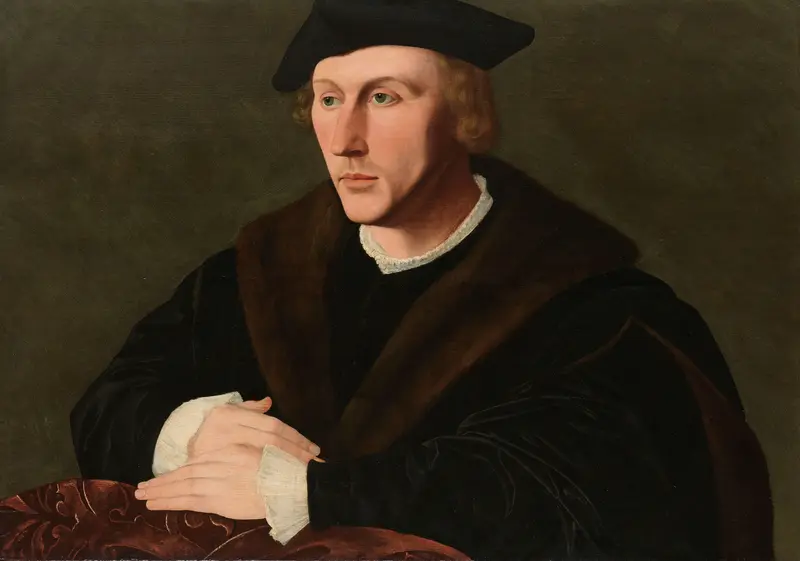
Portrait of Joris van Egmond
Jan van Scorel
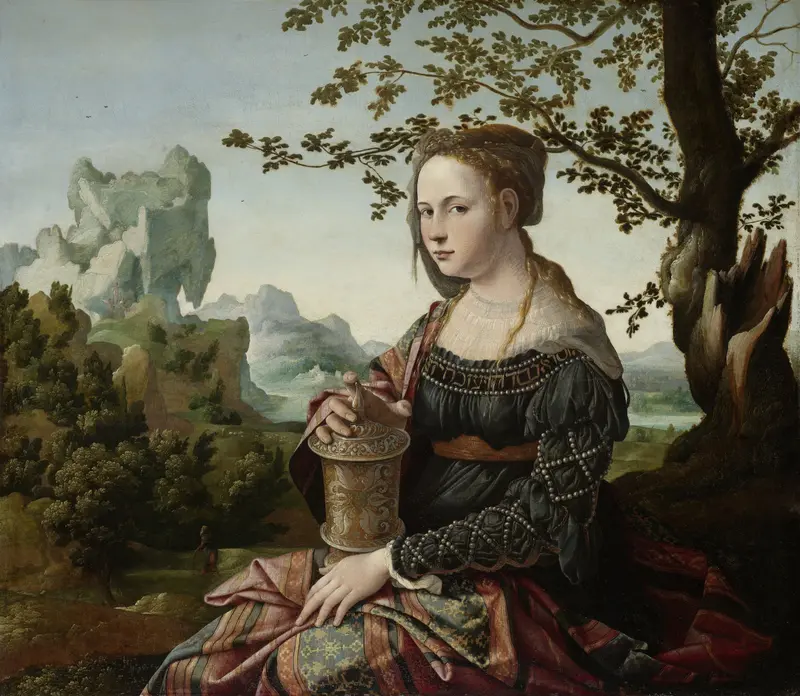
Mary Magdalene
Jan van Scorel
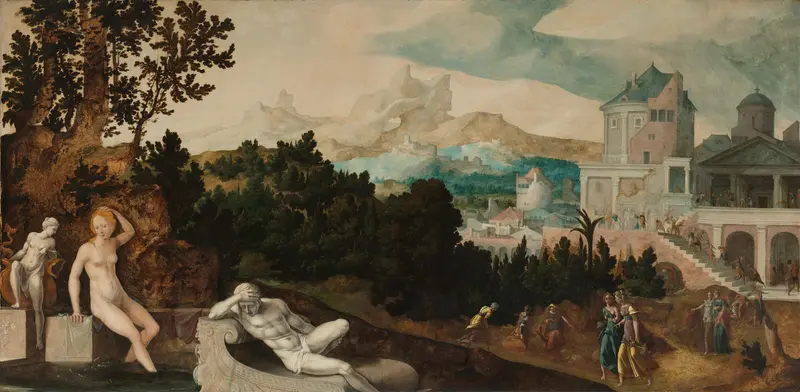
Landscape with Bathsheba
Jan van Scorel

Portrait of René de Chalon (c. 1519-1544), Prince of Orange
Jan van Scorel
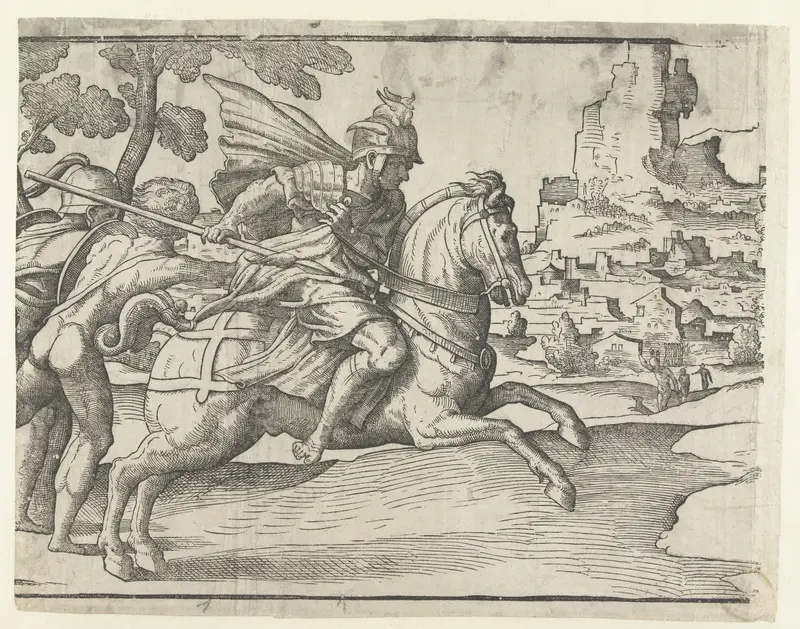
Jager te paard
Jan van Scorel
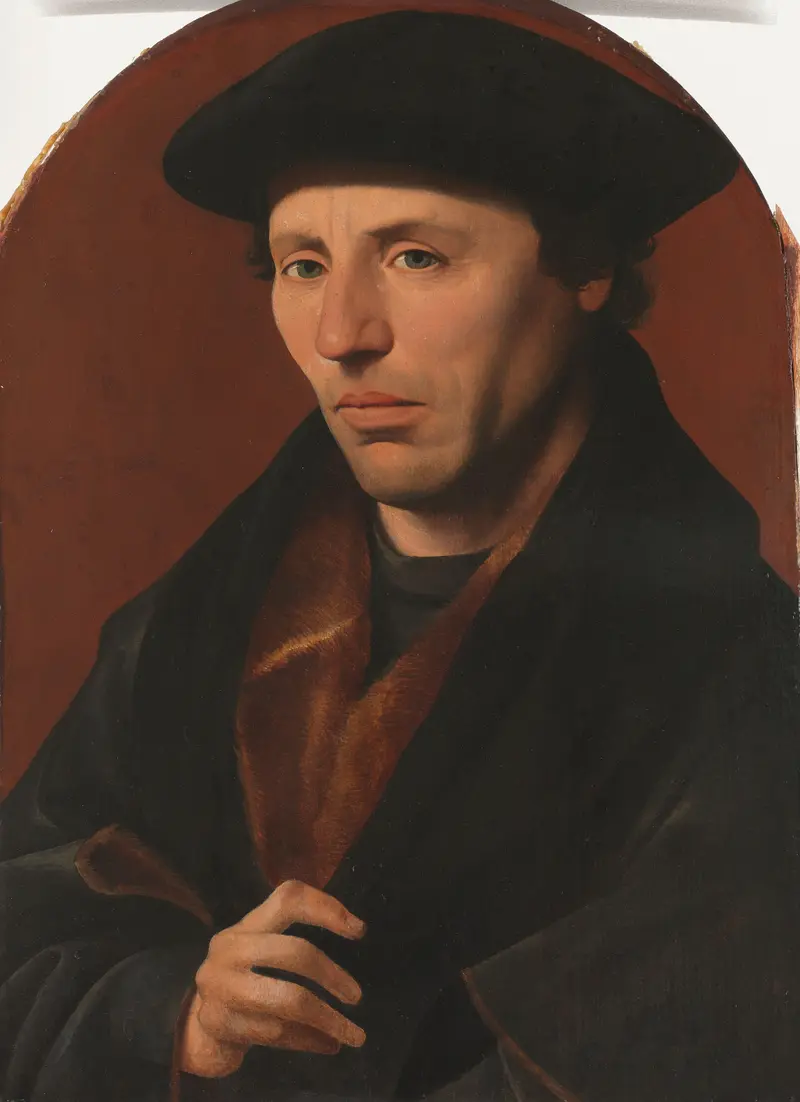
Haarlem Citizen
Jan van Scorel
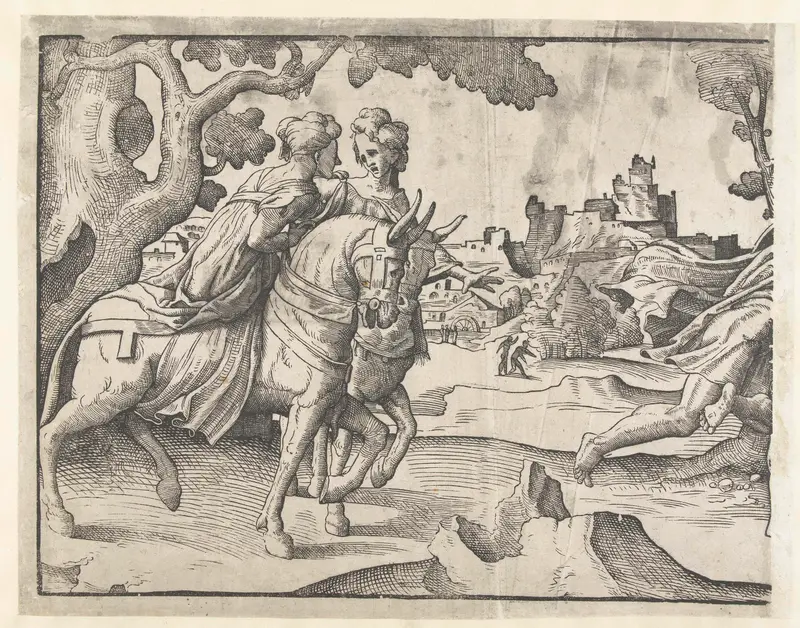
Twee vrouwen op muildieren
Jan van Scorel
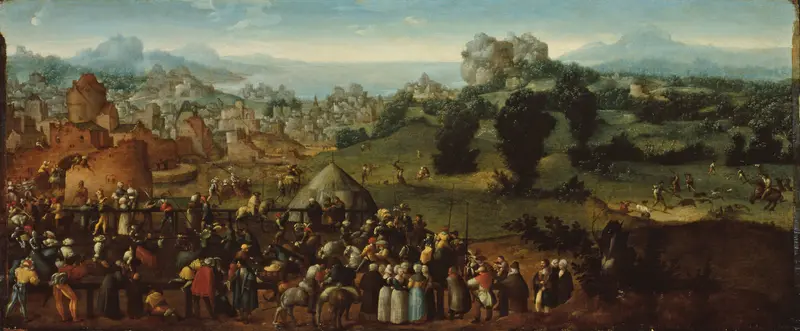
Landscape with Tournament and Hunters
Jan van Scorel
Landscape with Bathsheba
Jan van Scorel





