Portrait of René de Chalon (c. 1519-1544), Prince of Orange — History & Analysis
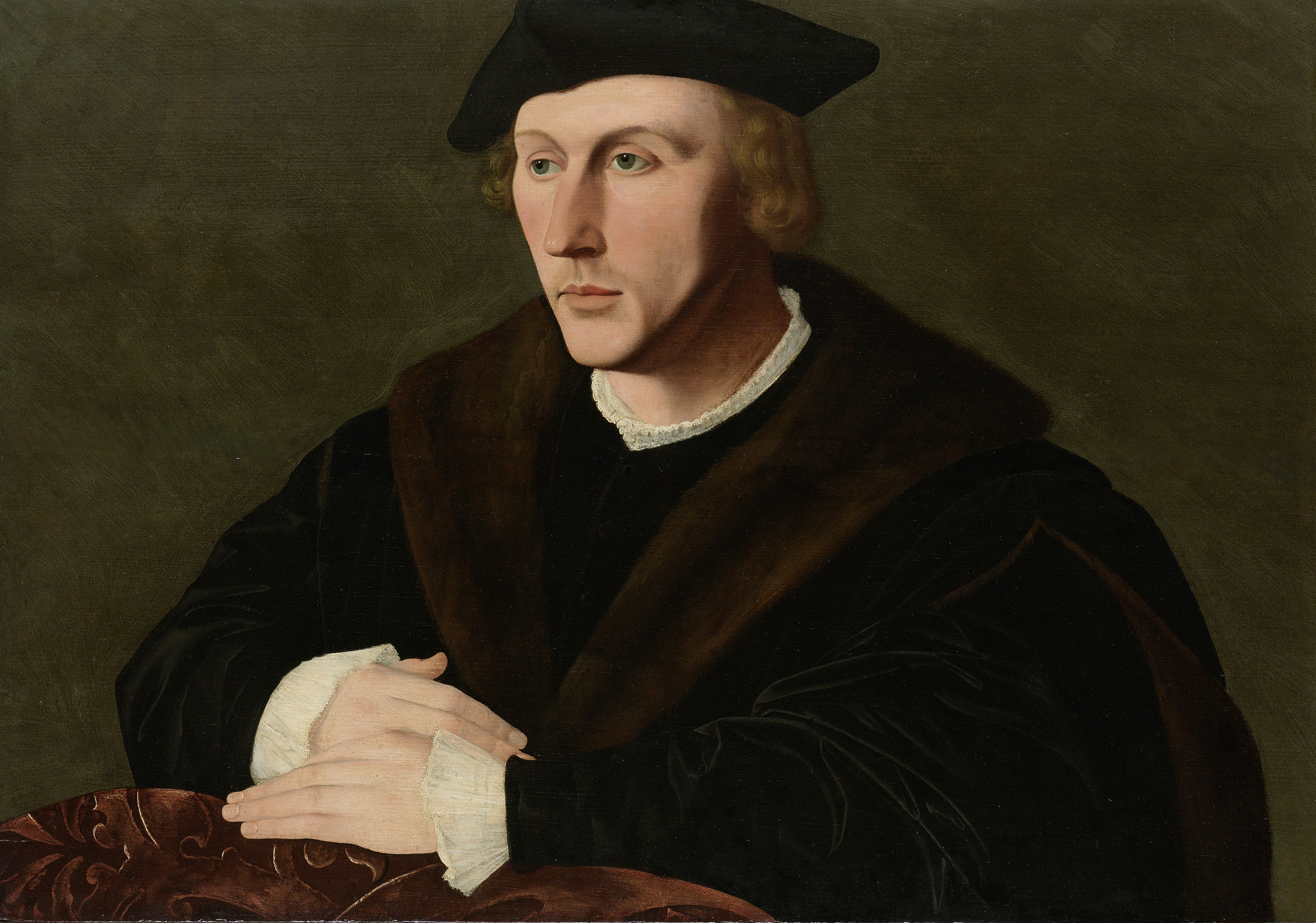
“The canvas doesn’t lie — it simply waits.” In the stillness of time, a moment captured in paint whispers of grandeur and inevitable decay, urging us to confront the passage of life. Look closely at the center of the canvas, where the solemn figure of René de Chalon stands draped in rich, dark fabrics that evoke both nobility and melancholy. The delicate brushwork brings texture to his attire, while the muted color palette underscores the weight of his presence.
Notice how the light gently illuminates his features, casting shadows that seem to reach for the past, reminding us of the transience of power and beauty. In the background, the interplay of light and dark hints at the duality of existence. The vibrant heraldry in the upper corner contrasts sharply with the darker hues enveloping him, signifying not just status but the fleeting nature of life.
Each detail—the slight furrow of his brow, the tension in his grip—reveals a deeper narrative of loss and remembrance, echoing the inevitability of decay that looms over even the mightiest. Jan van Scorel painted this portrait in the years following 1542, a time marked by artistic innovation amidst political uncertainty in the Netherlands. As the Reformation unfolded and questions of authority emerged, the artist sought to illuminate the human condition through his work, capturing not just likenesses but the very essence of his subjects, entwined with the shadows of their mortality.