Landscape with Bathsheba — History & Analysis
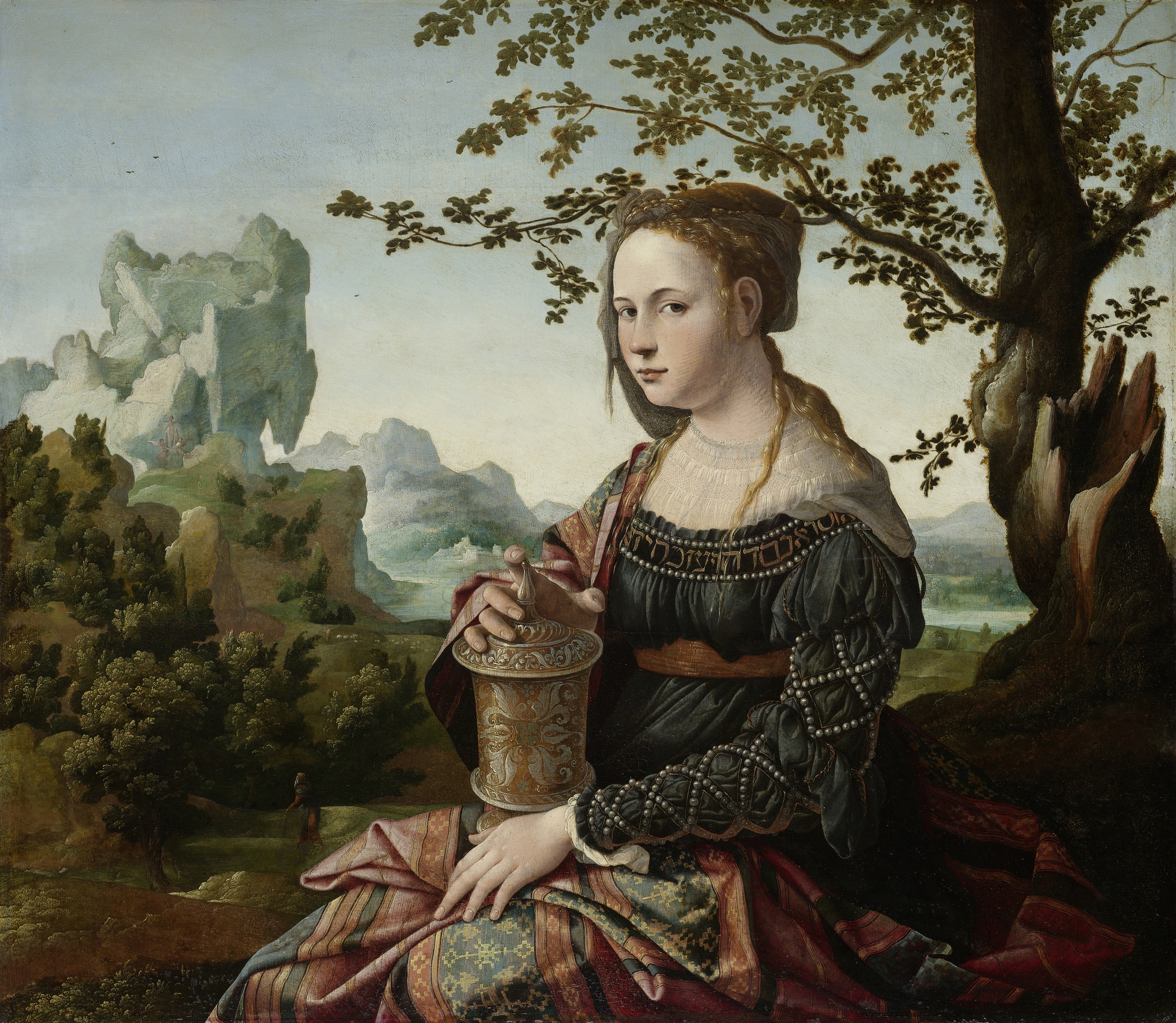
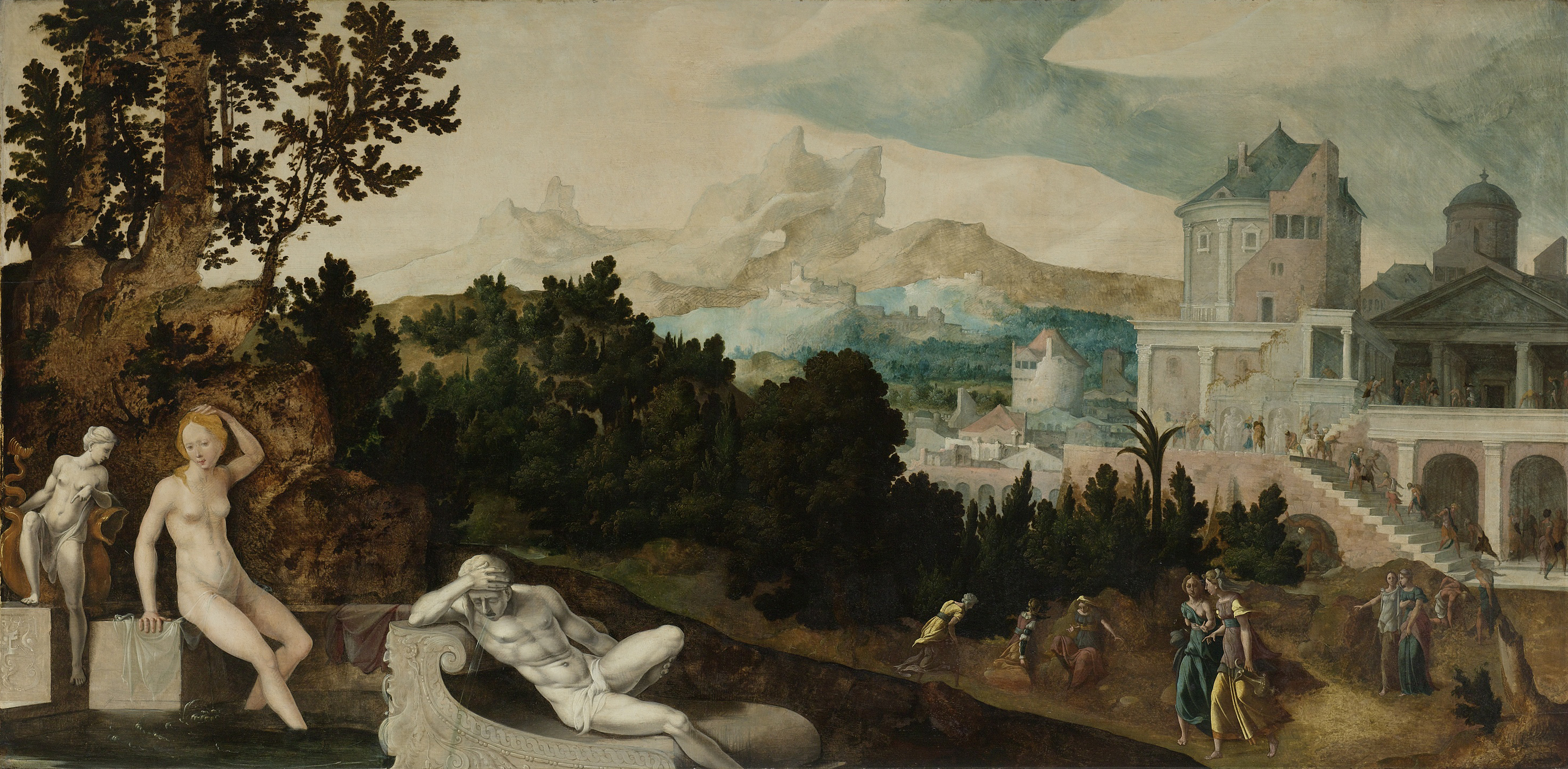
When did color learn to lie? The allure of reflected light conceals as much as it reveals, inviting viewers to question the truth behind the surface. Focus on the serene expanse of the landscape, where lush greens and earthy browns create a harmonious background for the figure of Bathsheba. Look to the center of the canvas, where she reclines, her soft silhouette illuminated by gentle sunlight that dances through the leaves overhead.
Notice how the fabric of her gown catches the light, drawing your eye and emphasizing her graceful posture, while the shimmering water beside her mirrors nature’s vibrancy. Hidden within this tranquil setting is a tension between innocence and vulnerability. The juxtaposition of Bathsheba’s exposed beauty against the backdrop of the landscape evokes a sense of fragility, suggesting the complex emotions tied to her story. The reflections in the water not only echo her image but also hint at the duality of perception—what is seen and what lies beneath the surface.
Such contrasts prompt contemplation on the nature of desire, fate, and the consequences of beauty. In the early 1540s, Jan van Scorel found himself in a transitional period, blending the influences of Northern Renaissance art with emerging Mannerist styles. Painted during his time in the Netherlands, the work reflects the artist's exploration of human emotion, beauty, and the sacred narratives that intertwined with daily life. Scorel was increasingly engaged with themes of morality and the human condition, grounding his figures within richly colored landscapes that both captivated and provoked thought.