After the Storm — History & Analysis
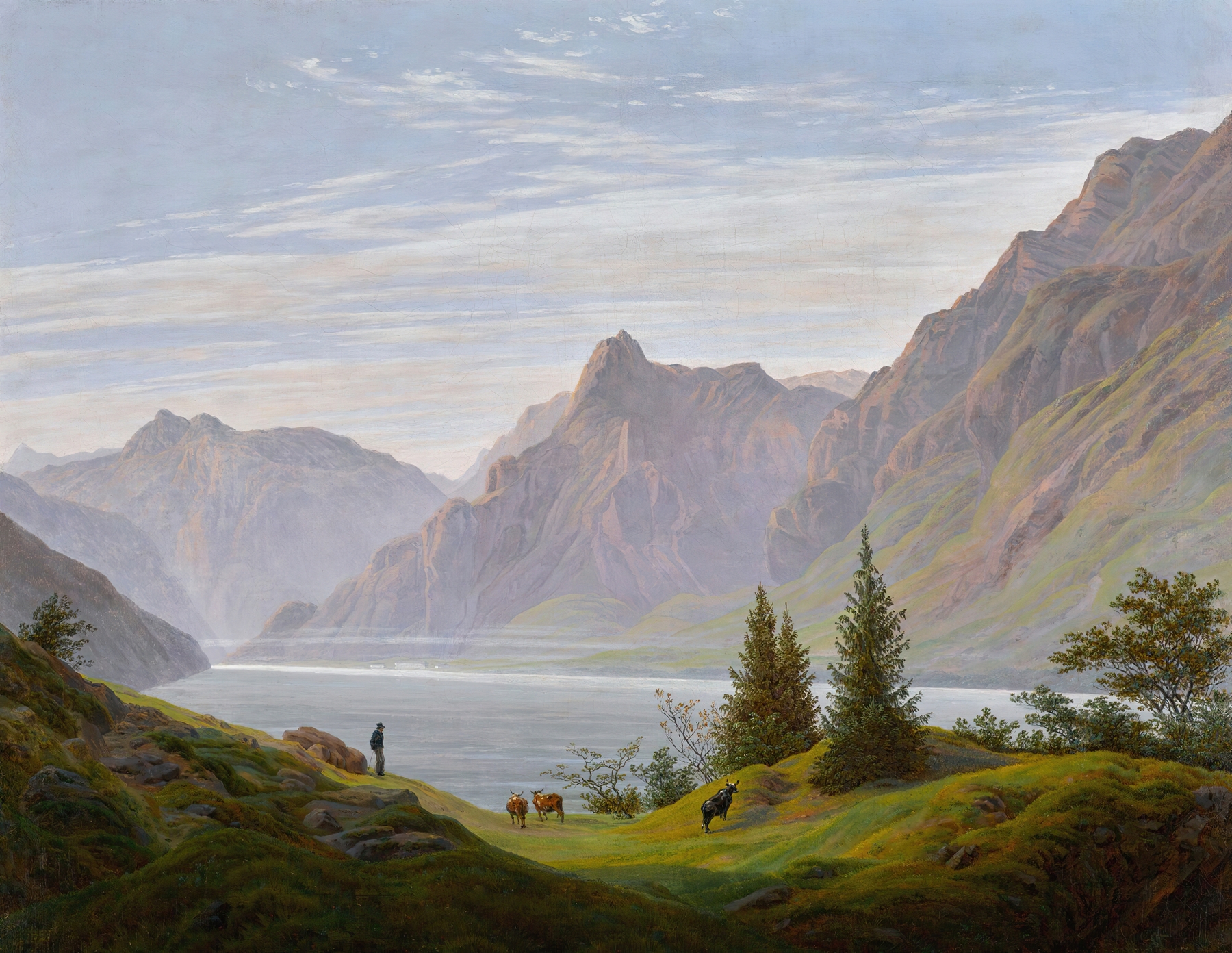
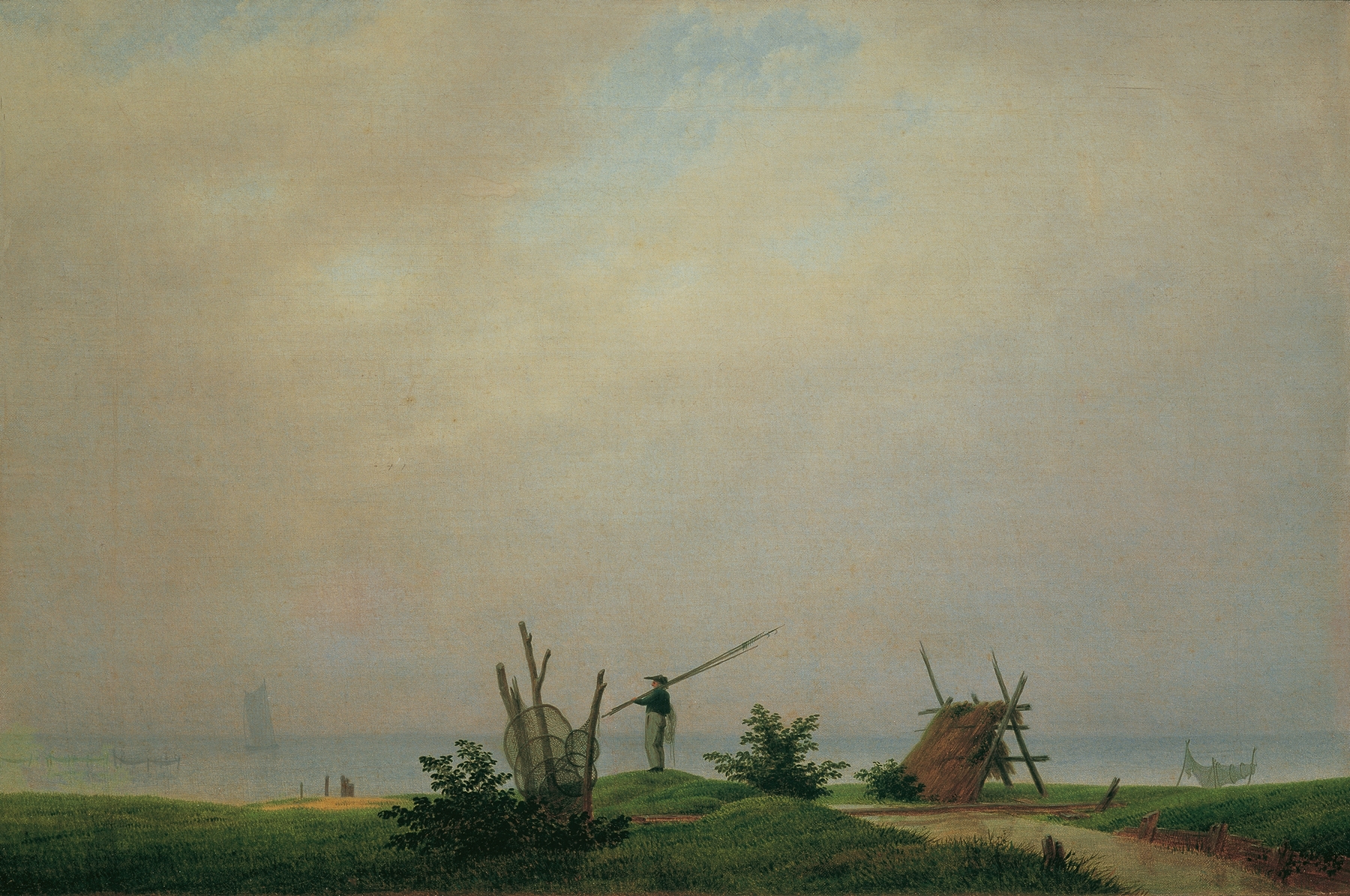
Can beauty exist without sorrow? In Friedrich's After the Storm, a breathtaking interplay of light and shadow invites us to ponder the delicate balance between nature's wrath and its serene aftermath. Look to the horizon where golden rays break through the storm clouds, casting a warm glow over the rugged landscape. The heavy, dark clouds recede, revealing a tranquil sky.
Notice how the light falls upon the jagged cliffs, illuminating the greenery below while leaving some areas in shadow, suggesting both the sublime power of nature and its capacity for peace. The central figure of a solitary wanderer stands atop a precipice, gazing into the distance, embodying a sense of introspection and solitude. This stark contrast—the expansive calm of the valley below and the tumultuous past represented by the lingering clouds—creates a tension that resonates deeply. The juxtaposition of dark and light serves as a metaphor for resilience, allowing viewers to reflect on their own experiences of turmoil and recovery.
Between 1816 and 1817, Friedrich painted this work during a time of personal and societal reflection in Germany. The Romantic movement was flourishing, emphasizing emotion and nature as themes. Friedrich was navigating his own losses while engaging with the shifting artistic landscape that sought to express the sublime—a powerful element in his oeuvre, and After the Storm captures this beautifully, depicting the quiet revelry found in the aftermath of chaos.