After the Storm — History & Analysis
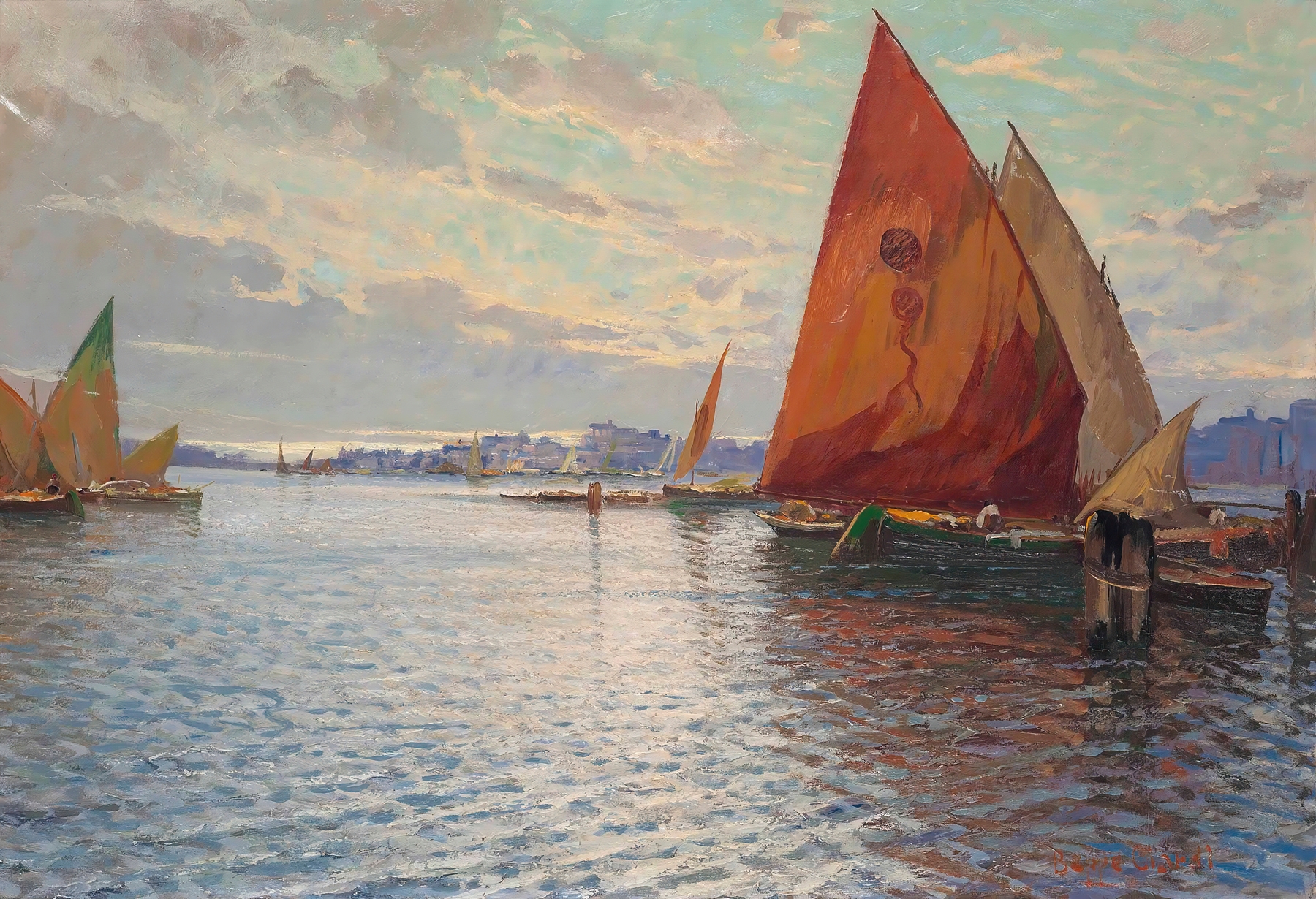
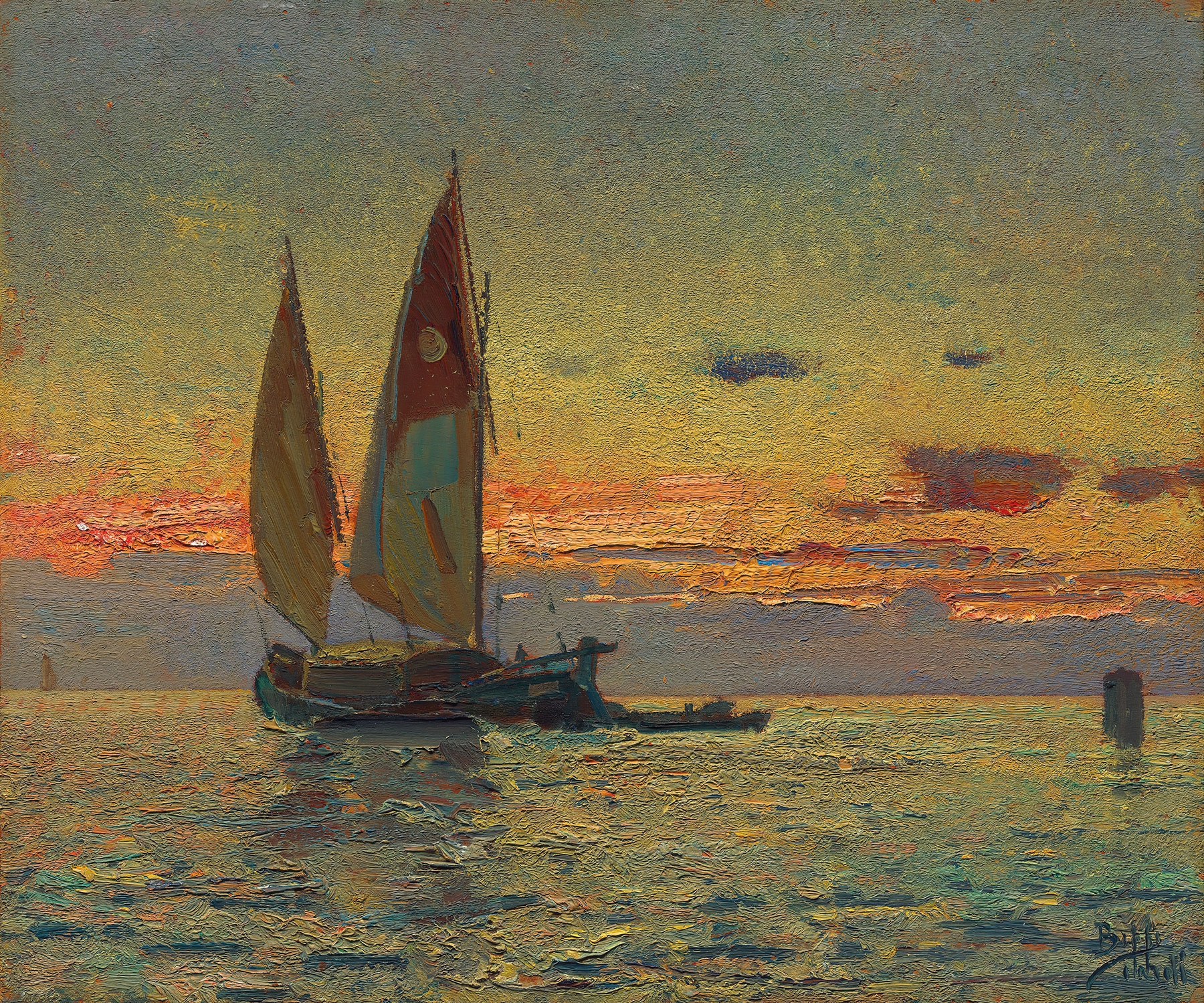
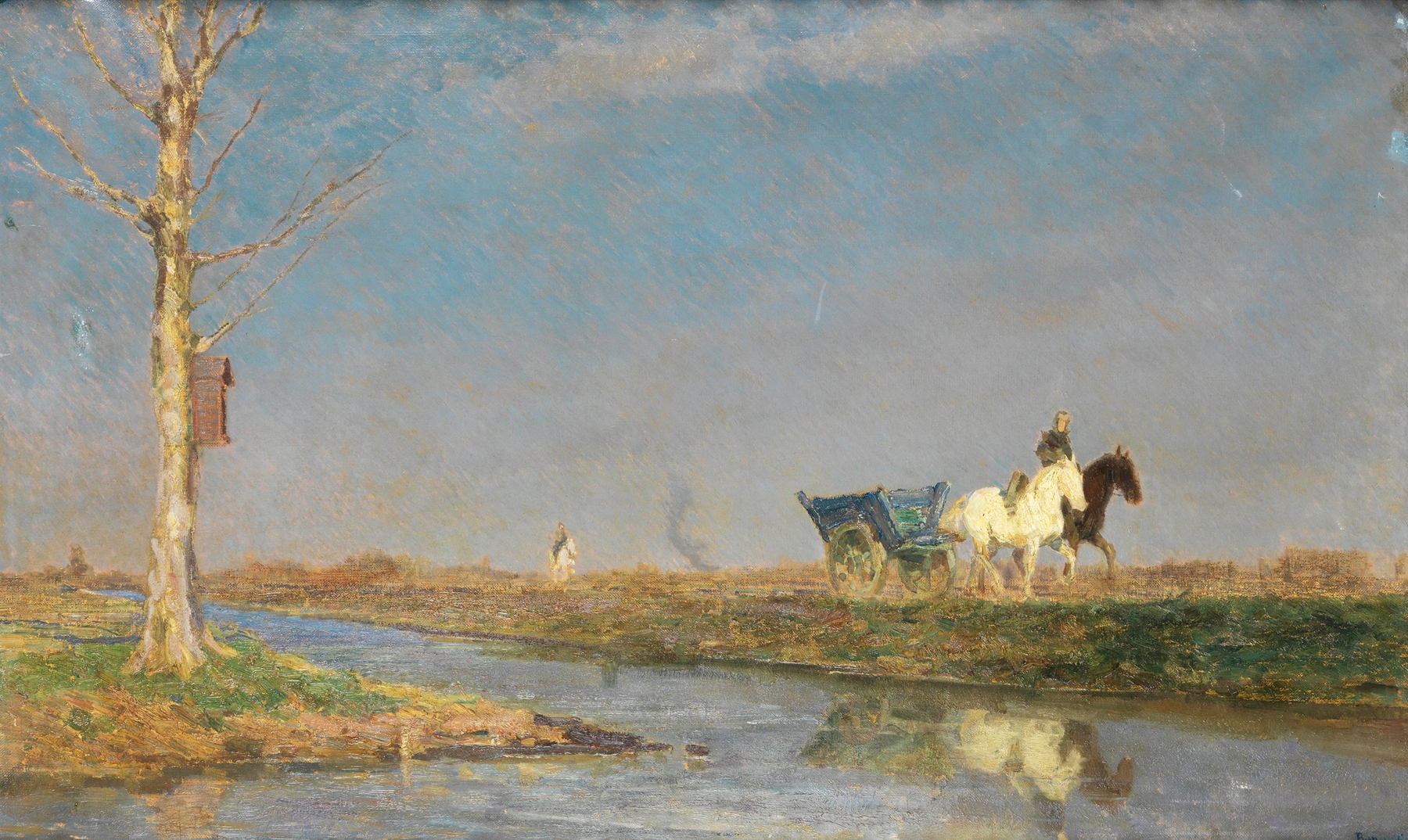
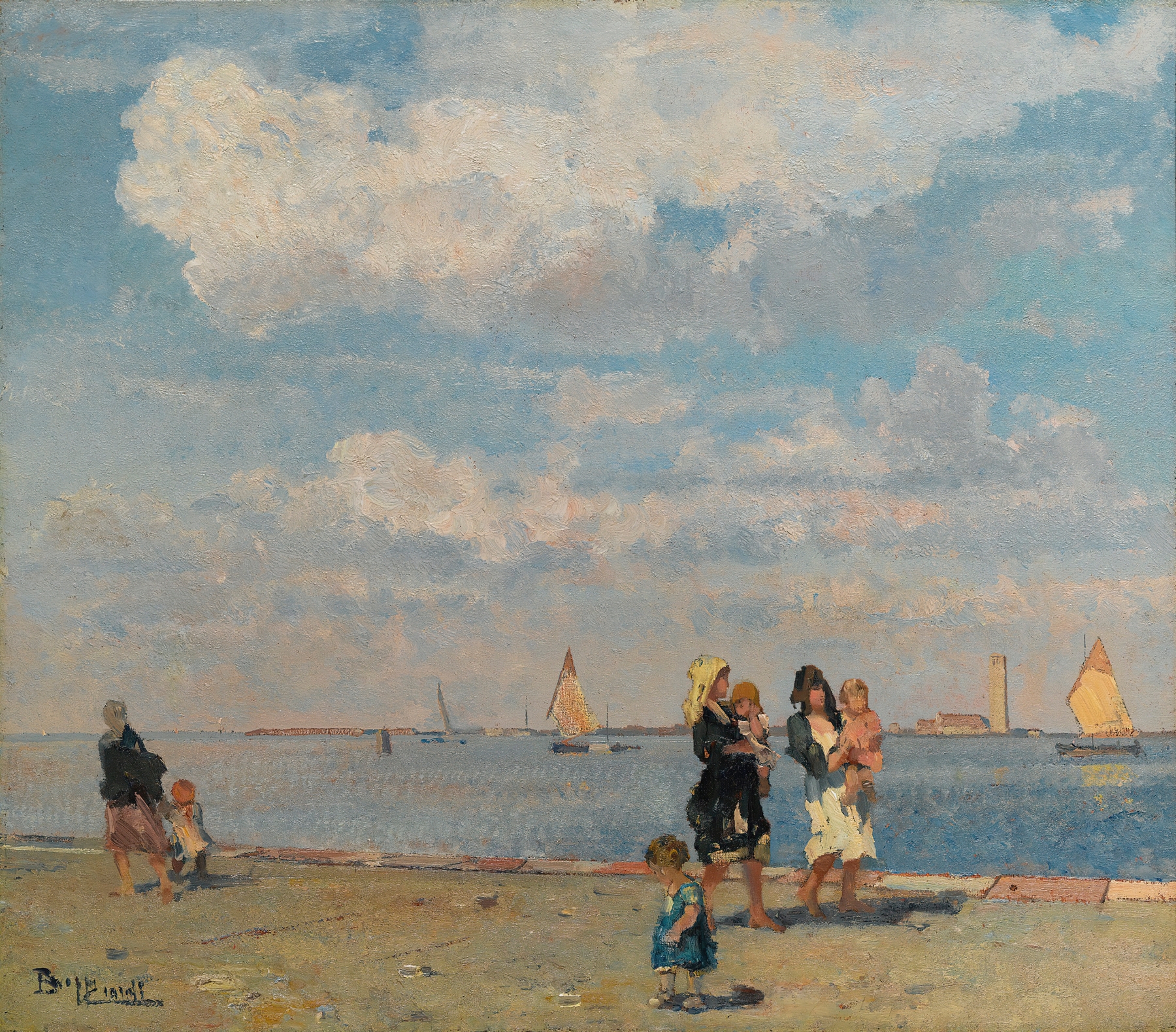
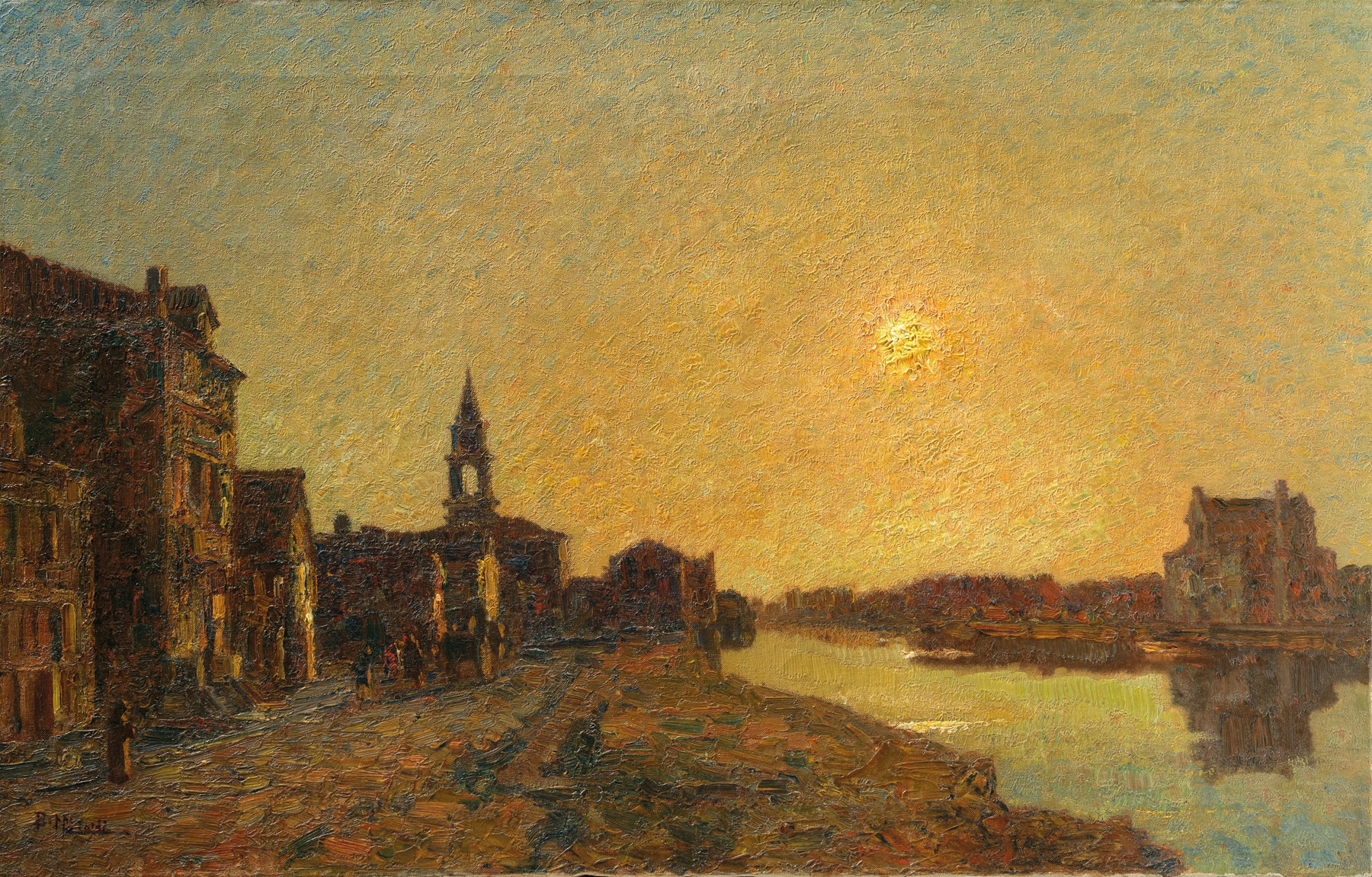
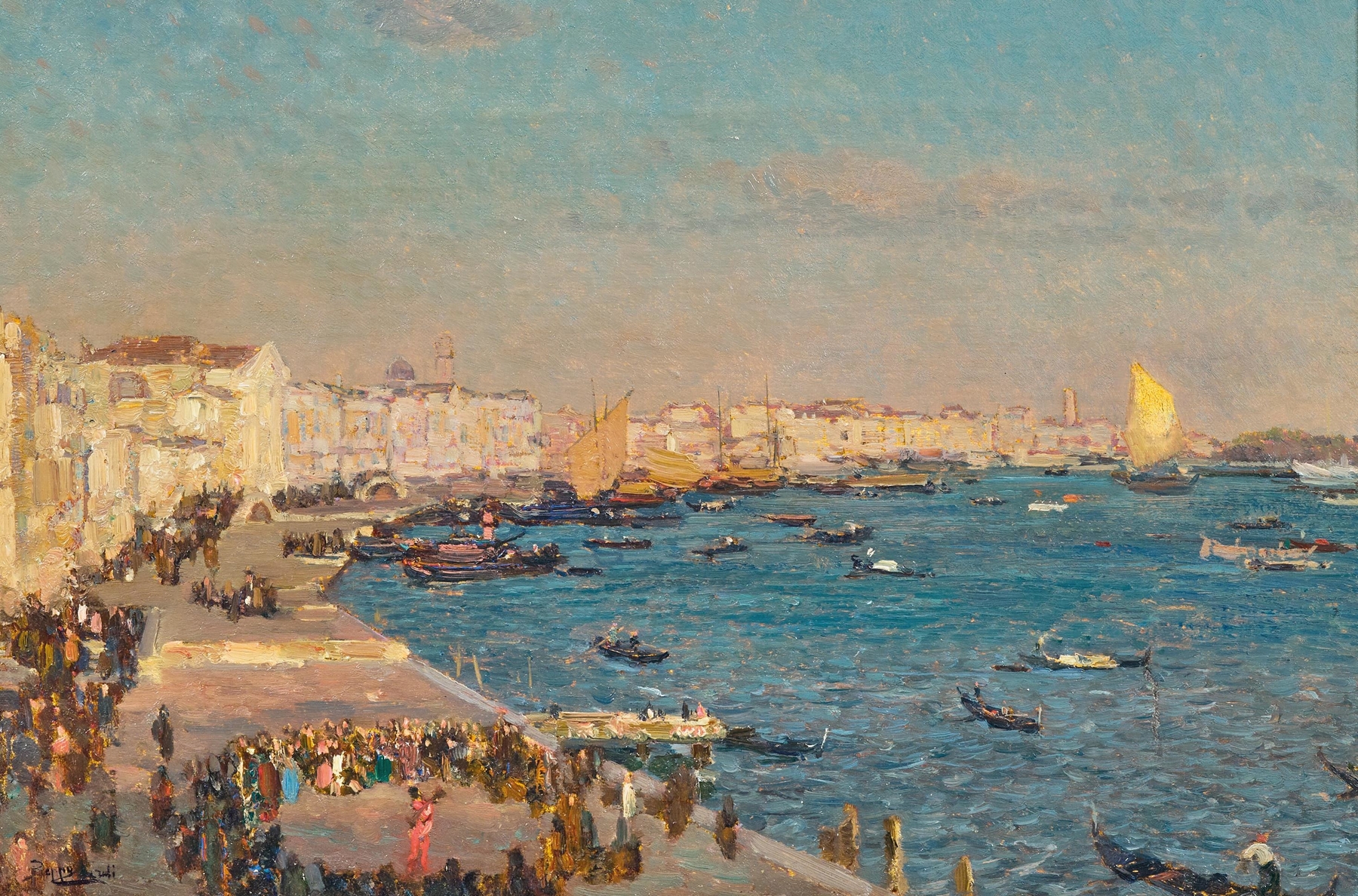
Where does light end, and longing begin? In the ethereal aftermath of a storm, the landscape breathes a sigh, revealing the fragile balance between turmoil and tranquility. Look to the horizon, where soft, golden rays break through the dissipating clouds, illuminating the remnants of rain-soaked earth. Notice how the gentle strokes of blues and grays give way to the warm embrace of ochres and soft whites, creating a harmonious contrast that speaks to the duality of chaos and serenity.
The composition draws the eye toward the distant mountains, their silhouettes softened by mist, as if they harbor untold secrets from the storm’s fury. Amidst this picturesque scene, hidden meanings unfold—perhaps a sense of renewal after hardship or the quiet longing for clarity that follows emotional turmoil. The delicate interplay of light and shadow evokes introspection, inviting viewers to reflect on their own experiences of waiting for calm after life’s tempests. Each brushstroke carries the weight of hope, revealing how beauty can emerge from uncertainty.
Created during a period marked by personal challenges and artistic evolution, the painter crafted this work amid the backdrop of early 20th-century Italy. Beppe Ciardi was navigating the transition from traditional forms to evocative modernism, and this piece exemplifies his exploration of light and atmosphere as emotional conduits. The world of art was beginning to embrace new ideas, and Ciardi’s mastery in capturing elusive moments would soon solidify his place among the notable artists of his time.