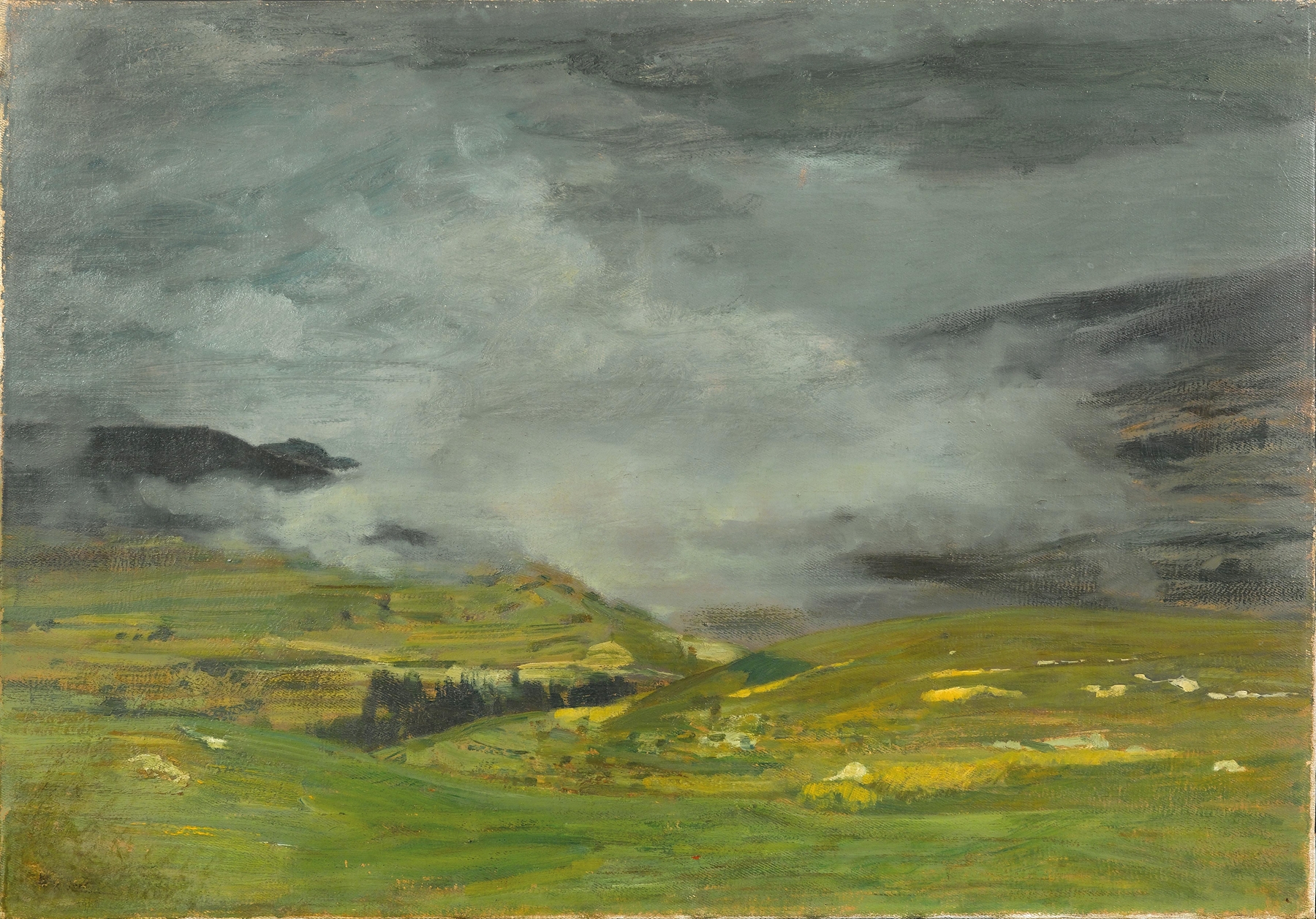
Venice, in the background with Santa Maria della Salute — History & Analysis
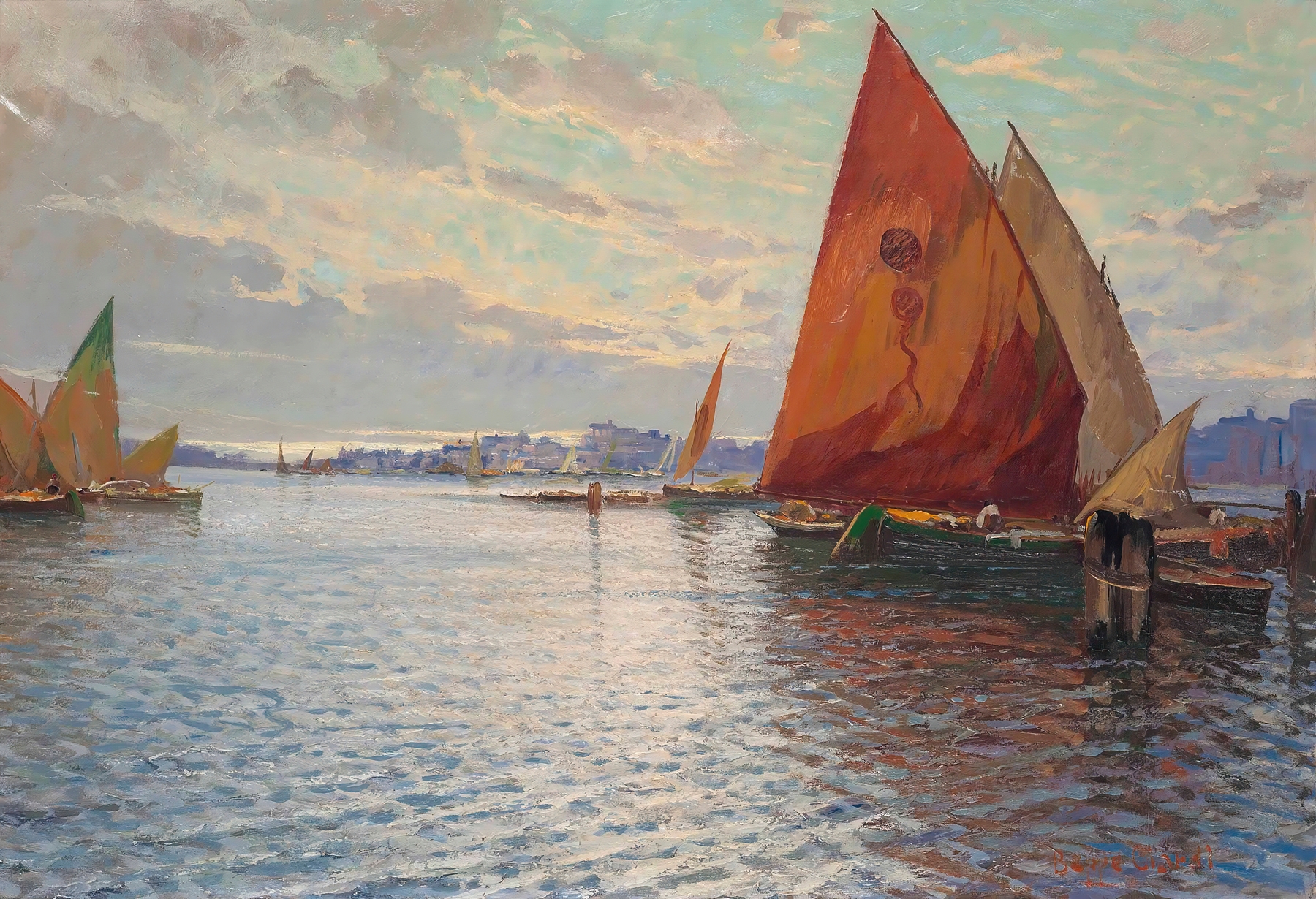
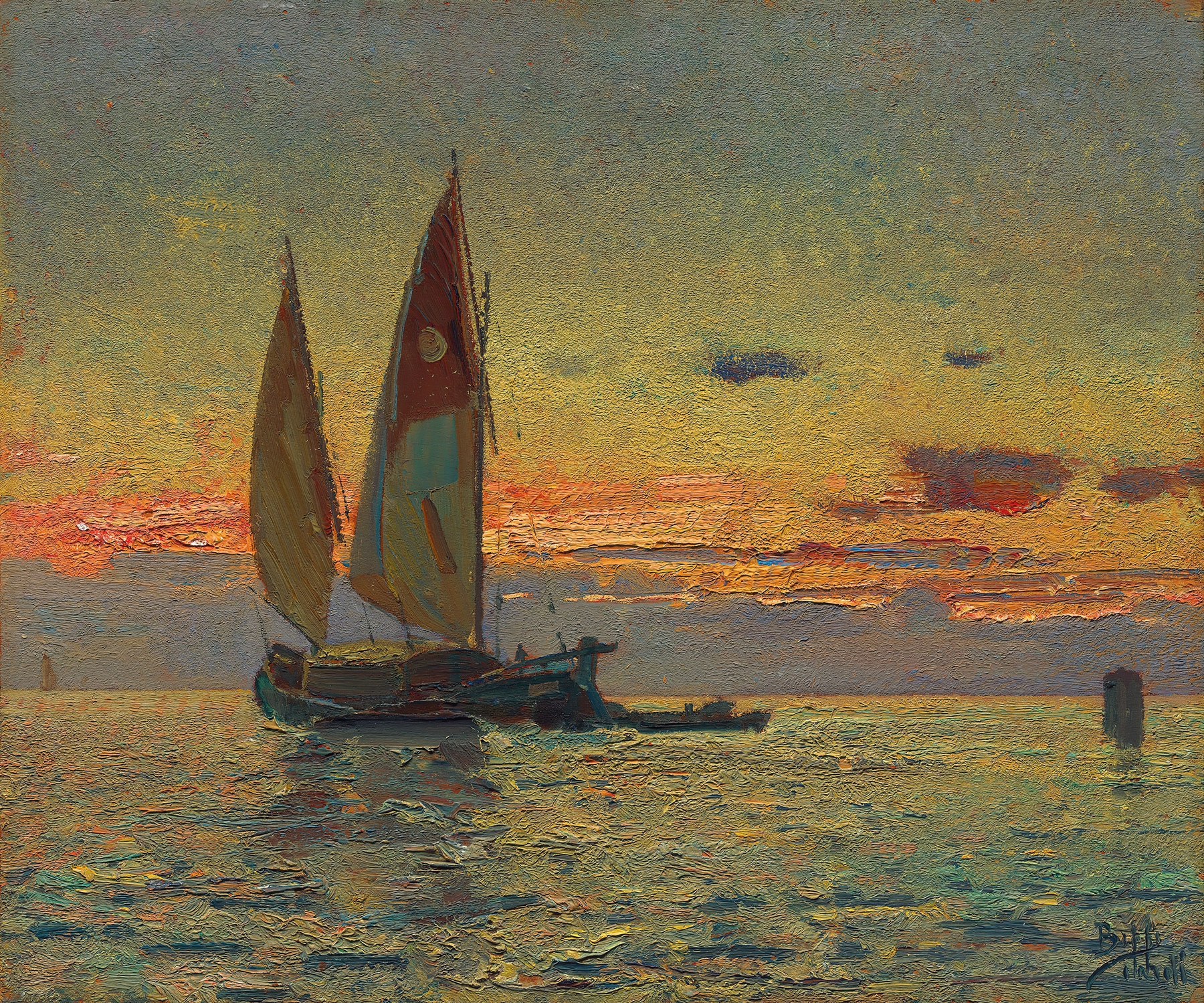
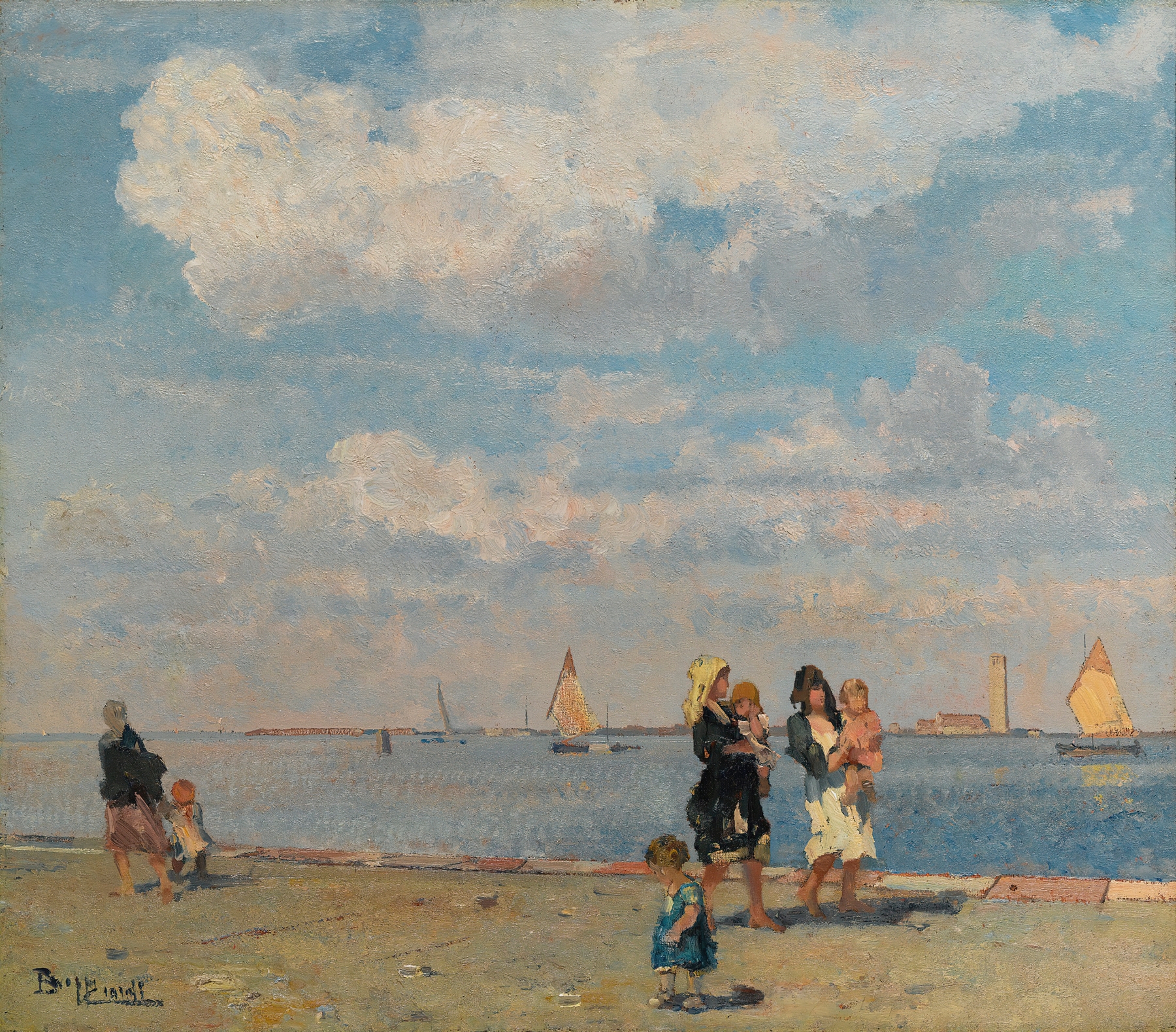
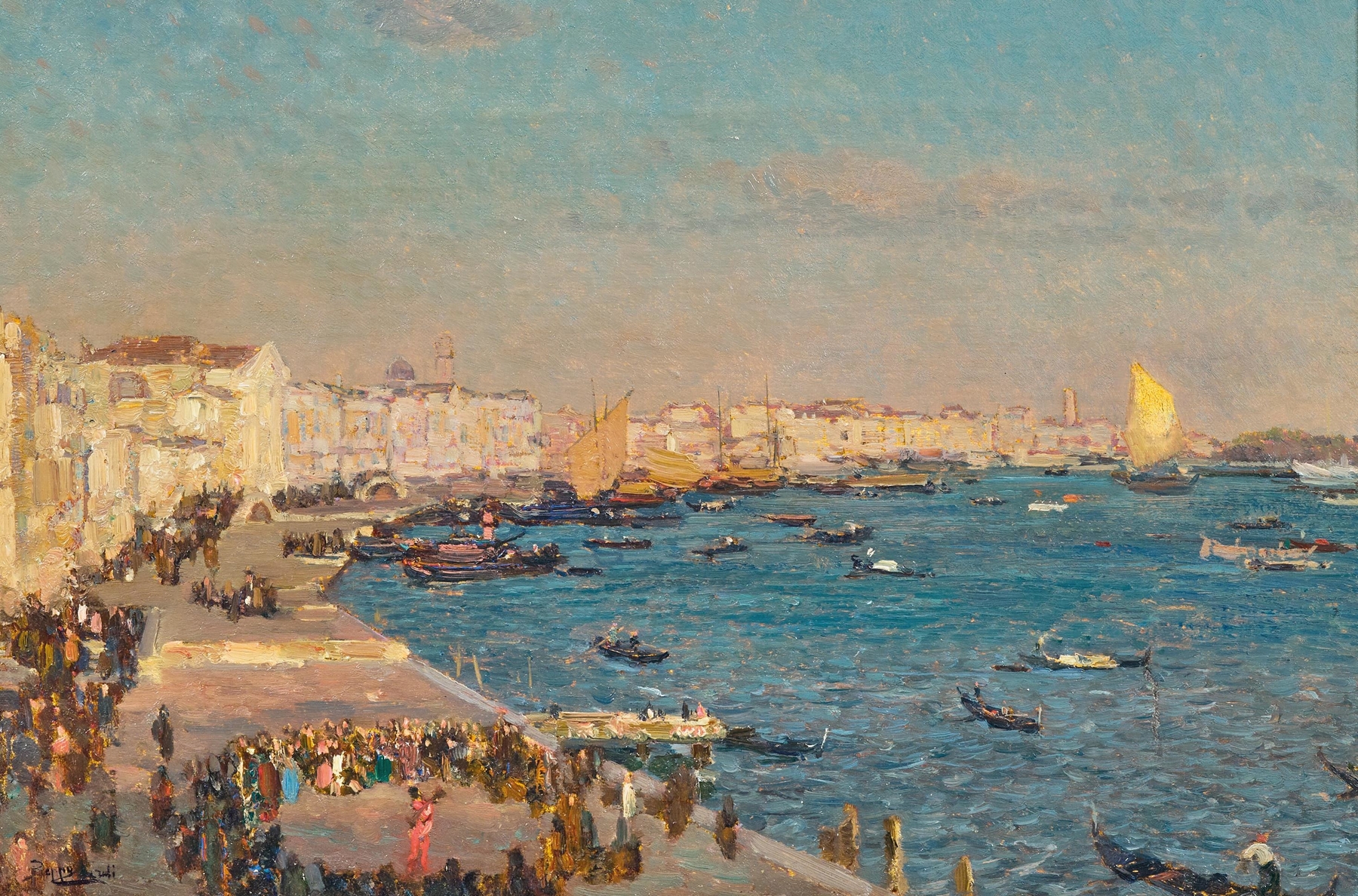
“The canvas doesn’t lie — it simply waits.” Every brushstroke becomes a whisper of chaos, beckoning us into a world where serenity and tumult coexist in vivid harmony. In this arresting work, a panorama unfolds, merging the tranquility of Venice with the underlying turmoil of human existence. Look to the left and let your eyes trace the intricate reflections dancing across the water's surface, shimmering like shattered glass under the soft light. Notice how the muted earth tones of the buildings rise against the striking blue sky, a delicate balance of color that evokes both nostalgia and longing.
The bold strokes that outline Santa Maria della Salute capture its grandeur, yet there’s an undercurrent of frenetic energy in the swirling clouds, hinting at the chaos that lies just beneath the surface. Delve deeper into the details: the small boats bobbing anxiously, as if caught in the throes of a sudden storm; the shadows that cling to the corners, suggesting fleeting moments of doubt amidst the glow of the city’s vibrancy. Each element speaks to the juxtaposition of calm and chaos, inviting the viewer to contemplate not only the beauty of Venice but also the tumultuous emotions it can evoke in our hearts.
During the early 20th century, when this piece was likely painted, Beppe Ciardi found himself amidst a transformative period in the art world. The advent of modernism was reshaping artistic expression, and Ciardi, working in Venice, was deeply influenced by the city’s lush landscapes and tumultuous history. His work reflects not just the physical beauty of his surroundings but also the emotional complexities of living in a world marked by both serenity and chaos.