Oriago sul Brenta — History & Analysis
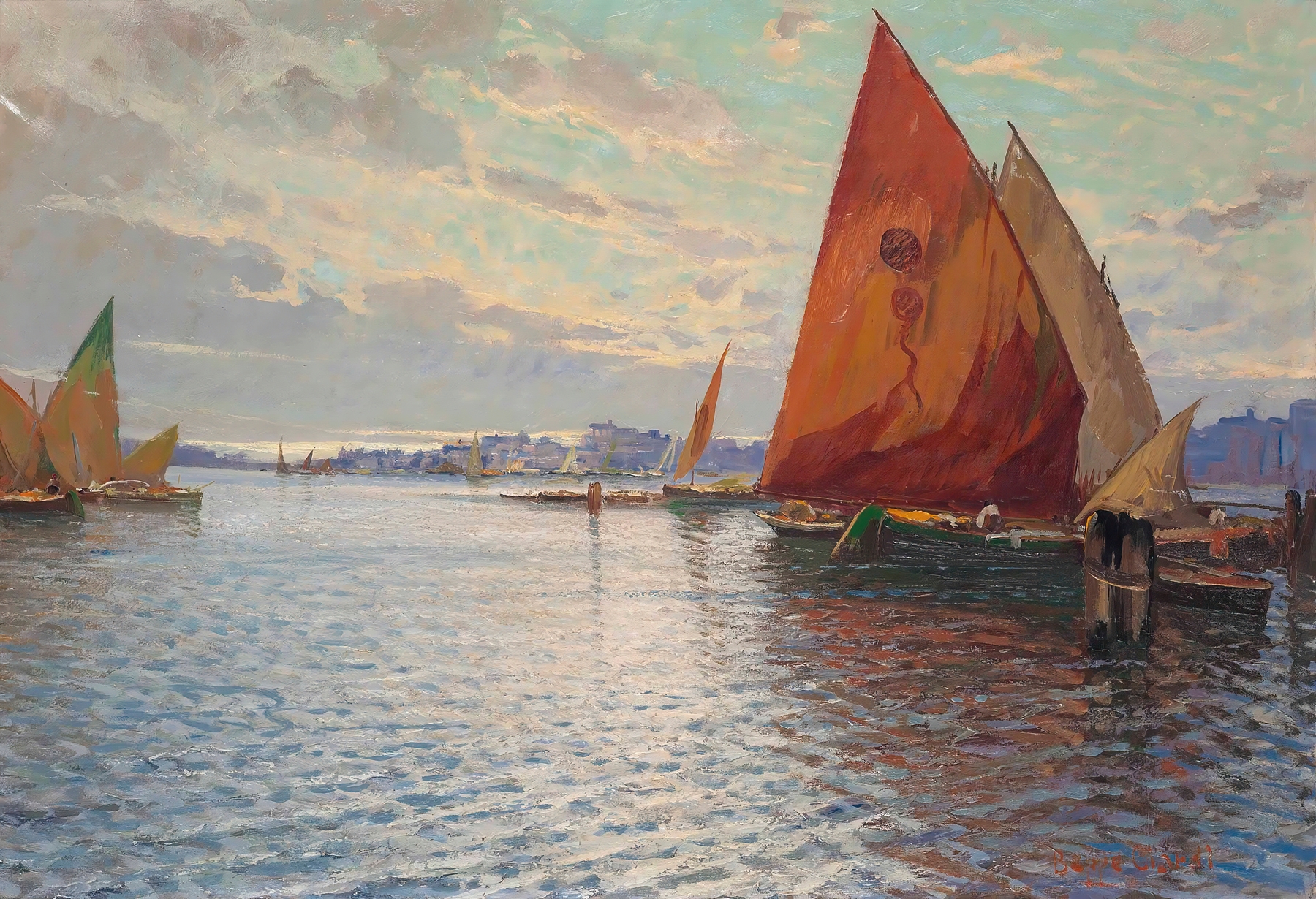
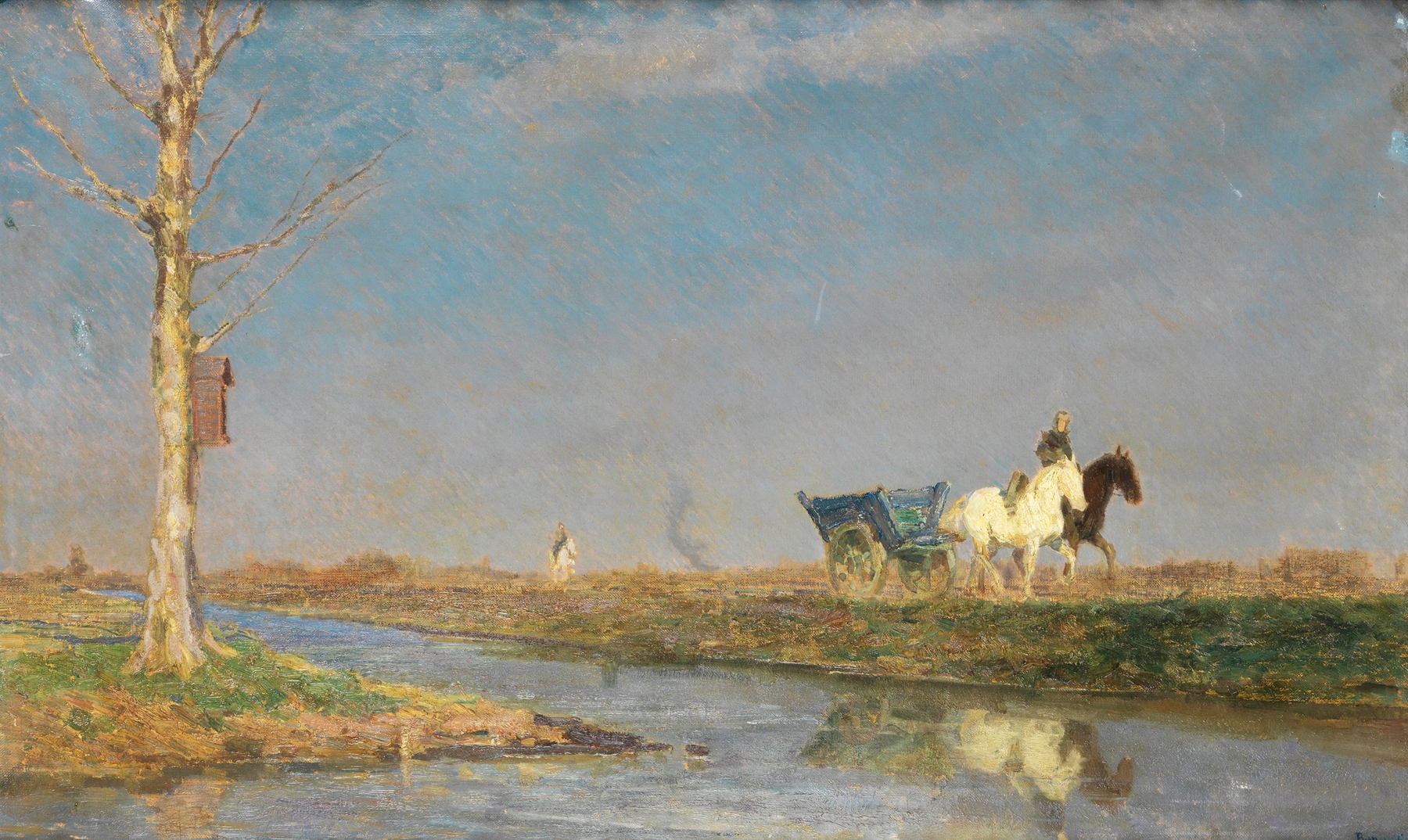
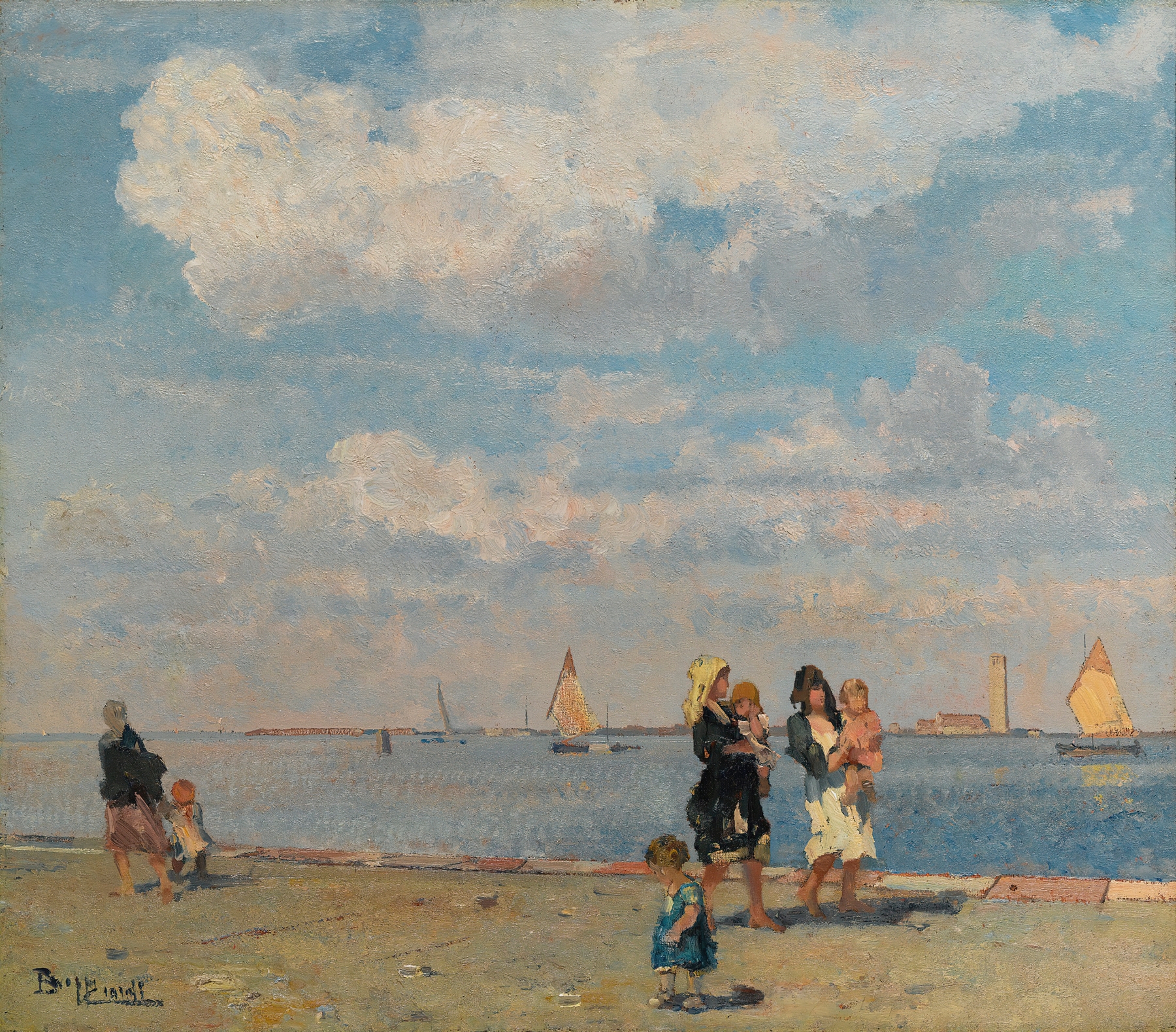
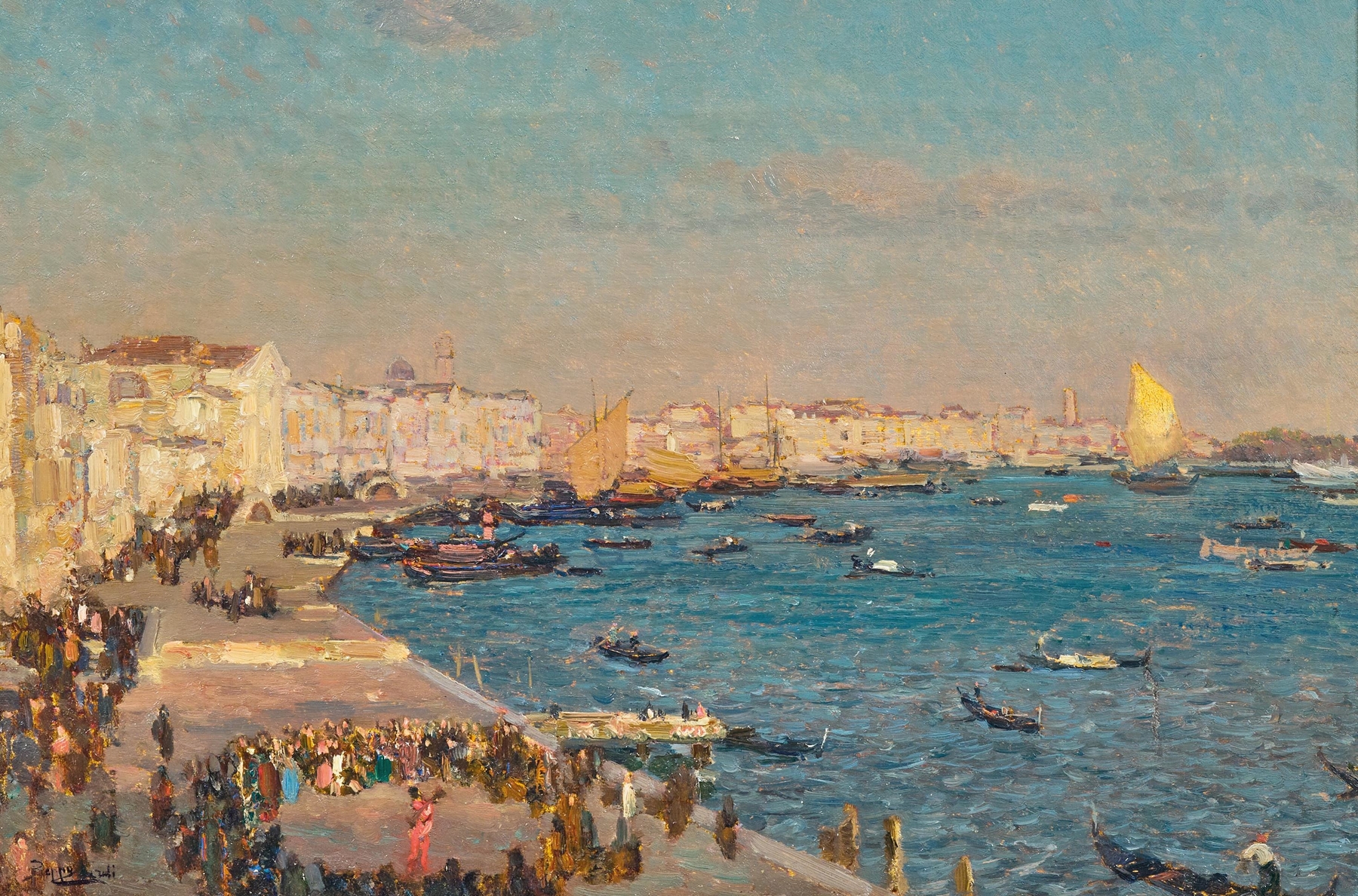
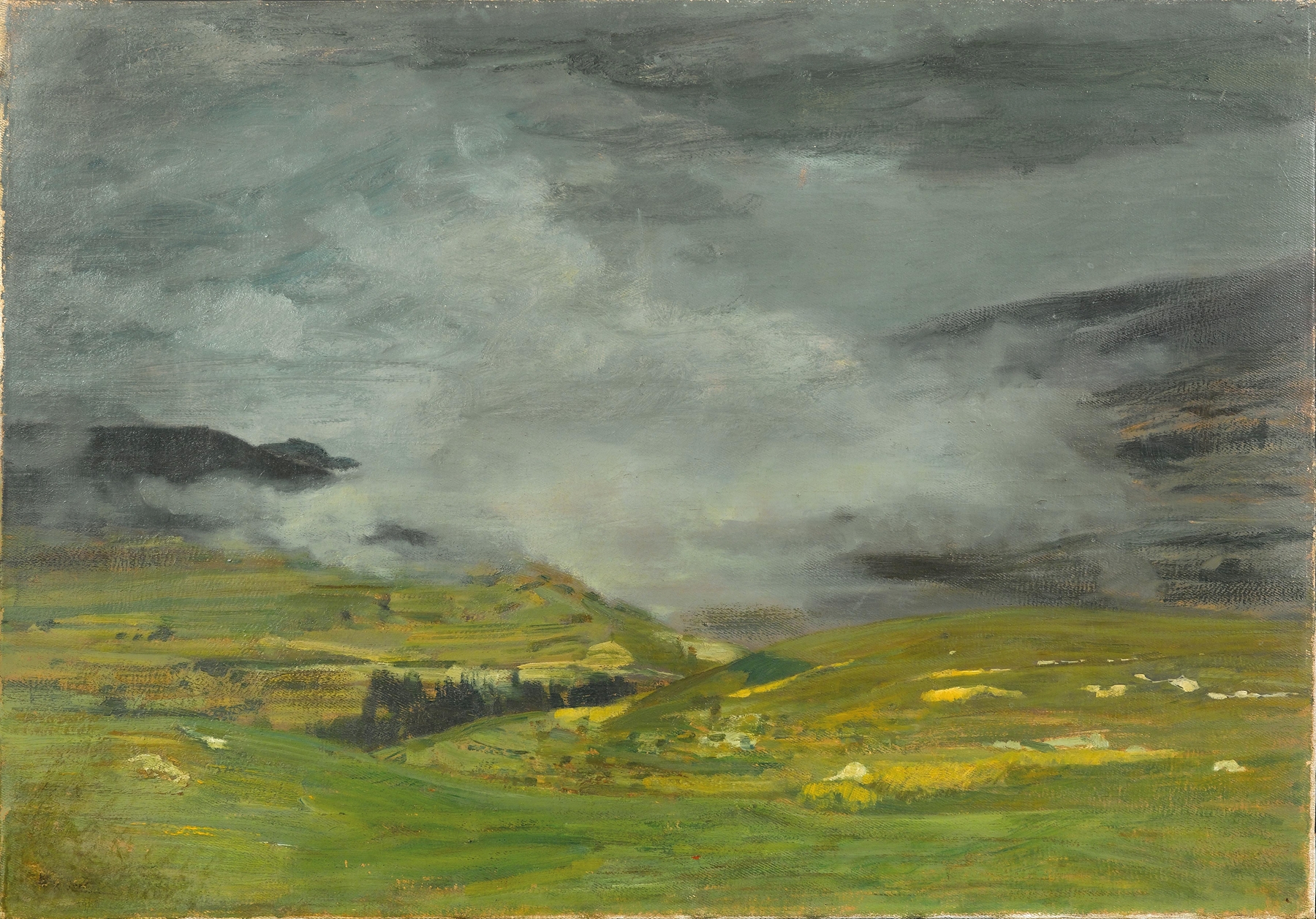
When did color learn to lie? As brushstrokes dance across the canvas, they whisper the secrets of destiny, beckoning us to question reality itself. Look to the left at the shimmering waters of the Brenta, where tones of deep azure and reflective silver intertwine. The artist’s deft technique invites you to explore the gentle ripples that cradle the mirrored landscape.
Notice how the palette shifts from serene greens to golden yellows, illuminating the foliage and casting a warm glow over the scene. This interplay of light and shadow reveals a world teetering on the edge of the visible and the imagined, where nature’s beauty feels both tangible and elusive. Deeper still, subtle contrasts emerge: the solidity of the architecture against the ephemeral beauty of the water creates a dialogue between permanence and transience. The interplay of warm and cool hues suggests a duality of emotion—contentment intertwines with solitude, echoing the quiet whispers of fate.
These elements coalesce, urging us to reflect on our own journeys, as the painting seems to behold time itself—capturing an essence that is both fleeting and eternal. In 1921, Ciardi found himself amidst a flourishing art scene in Venice, a city where tradition and modernity converged. It was a time of personal exploration for him, as he sought to capture the poetic atmosphere of his surroundings through his unique lens. Influenced by the Impressionists, he painted Oriago sul Brenta to convey not just a landscape, but a moment suspended in the fabric of destiny, charting the intricate connection between humanity and nature.