Allée — History & Analysis
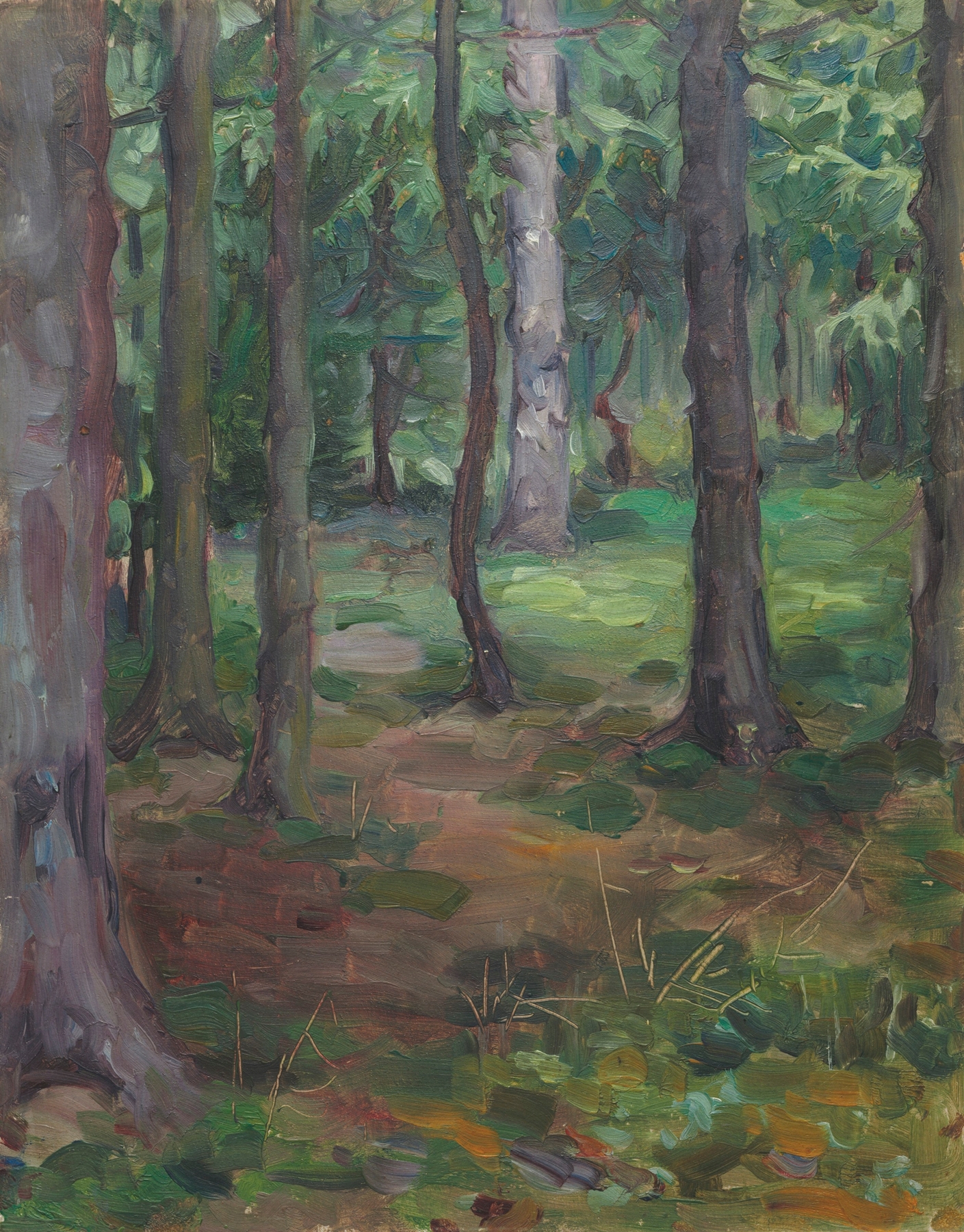
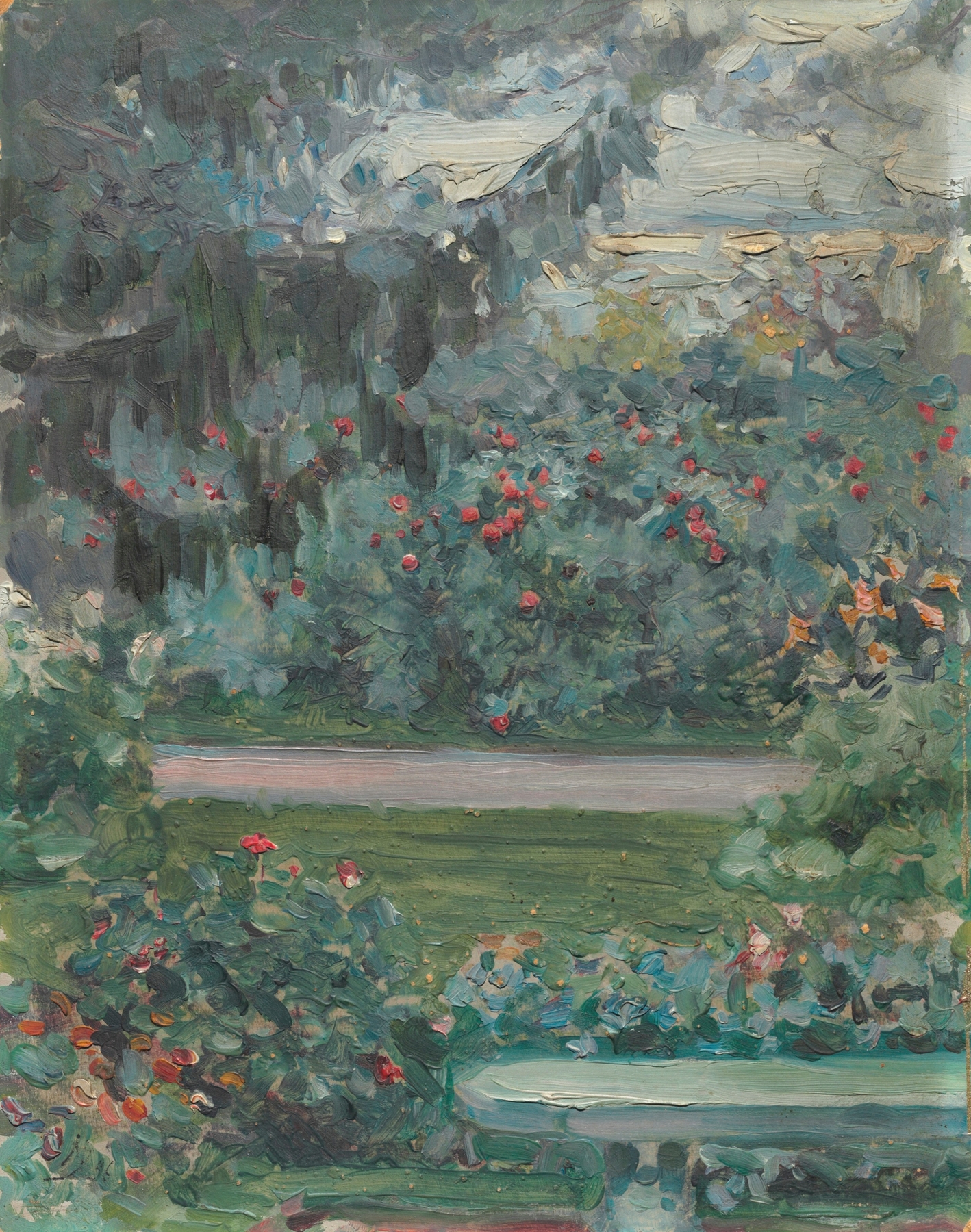
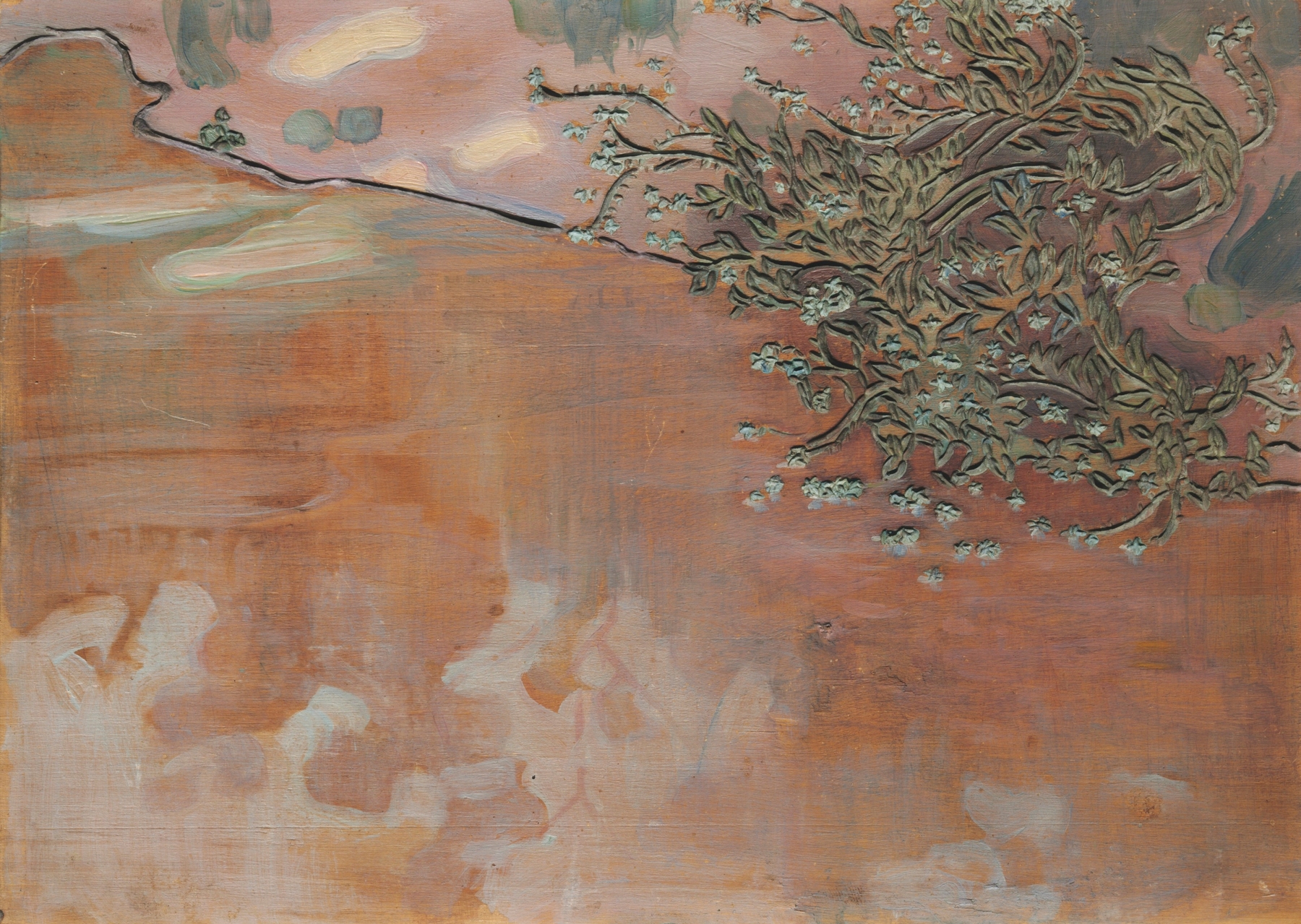
Who listens when art speaks of silence? In Allée, the essence of solitude transforms into a visual hymn of hope, inviting viewers to linger in the quiet embrace of nature. Look to the lower center of the canvas, where light dapples through an archway of trees, casting an intricate lace of shadows upon the pathway. The soft greens and browns evoke a sense of tranquility, while the sunlight filters delicately, illuminating glimpses of wildflowers that dance along the path.
Notice how the gentle curves of the path draw the eye deeper into the scene, suggesting a journey not just through nature, but through the self. Within this serene setting, an underlying tension emerges between the grandeur of the arching trees and the intimacy of the solitary figure, poised in contemplation at the far right. The figure’s stillness contrasts sharply with the vibrant life of the surrounding flora, evoking feelings of both isolation and connection. The interplay of light and shadow further enhances this narrative, as warmth spills from the sunlit path while the deeper, darker greens suggest the mysteries that lie ahead.
Maria Yakunchikova painted Allée in 1893 while residing in Moscow, amidst the burgeoning Symbolist movement that sought to express deeper emotional truths. This was a time of significant change in her life, as she navigated both personal challenges and her role as a pioneering female artist in a predominantly male-dominated field. The painting reflects not only her artistic mastery but also the broader cultural shift towards introspection and the exploration of the unseen.