Forest — History & Analysis
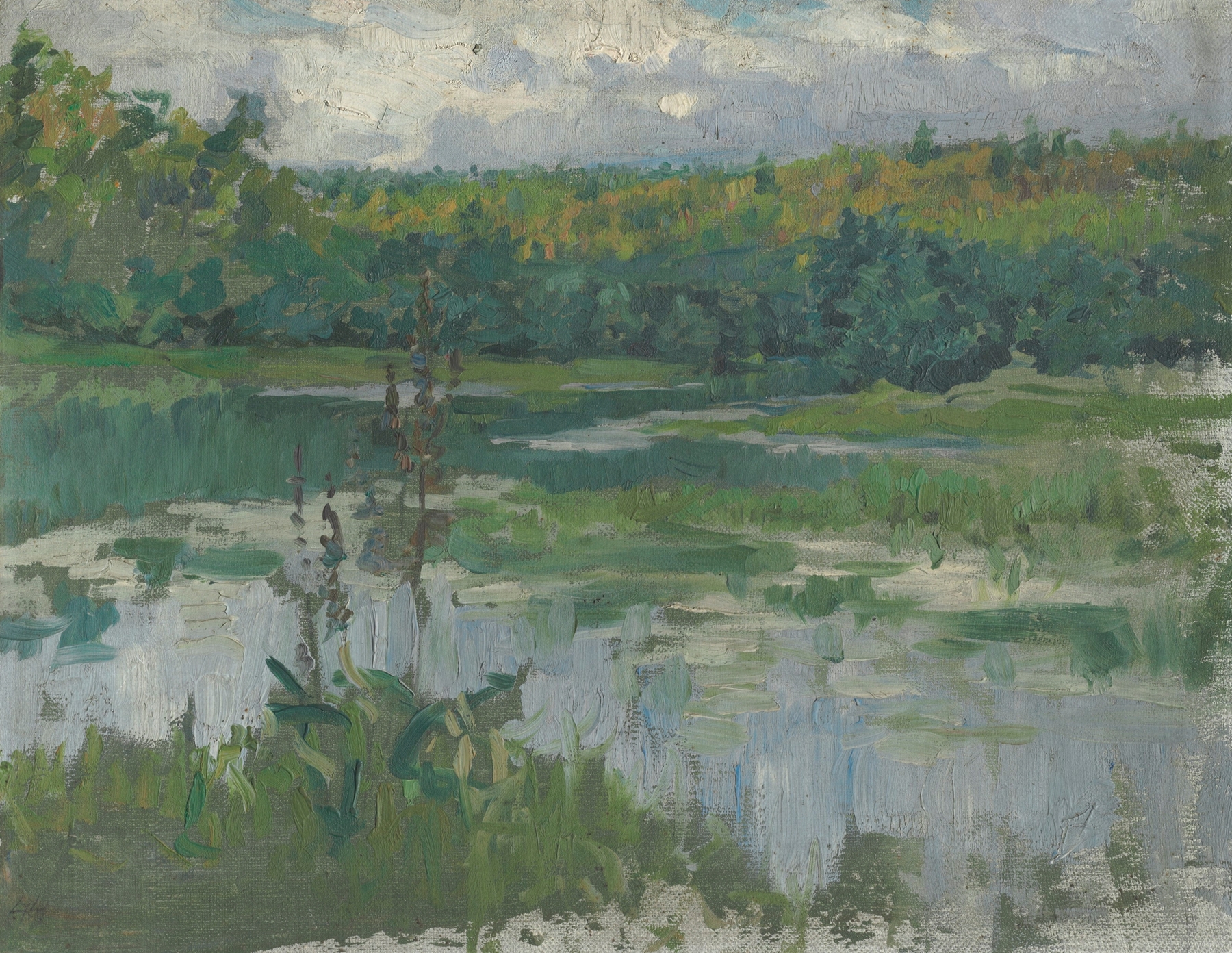
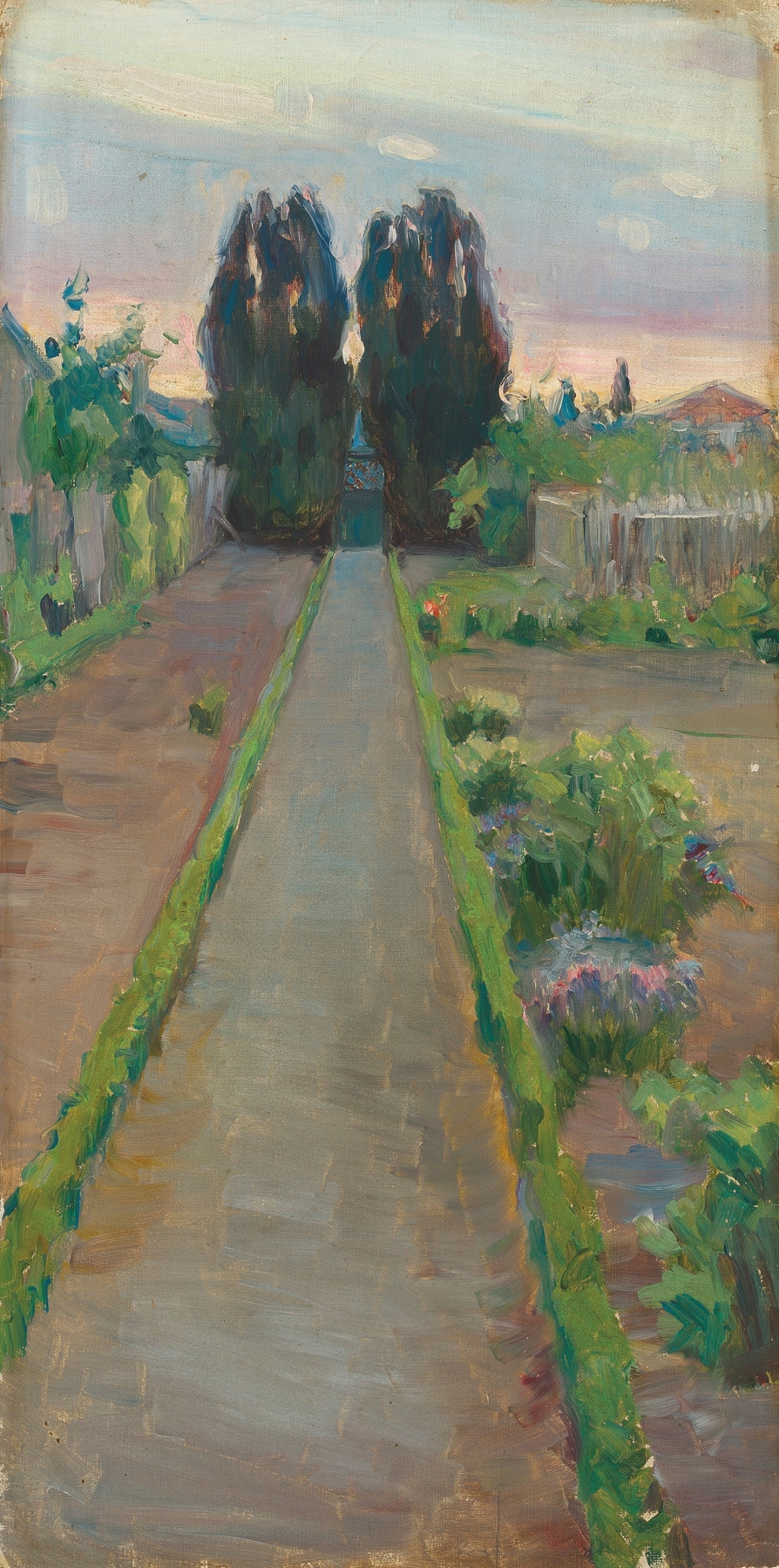
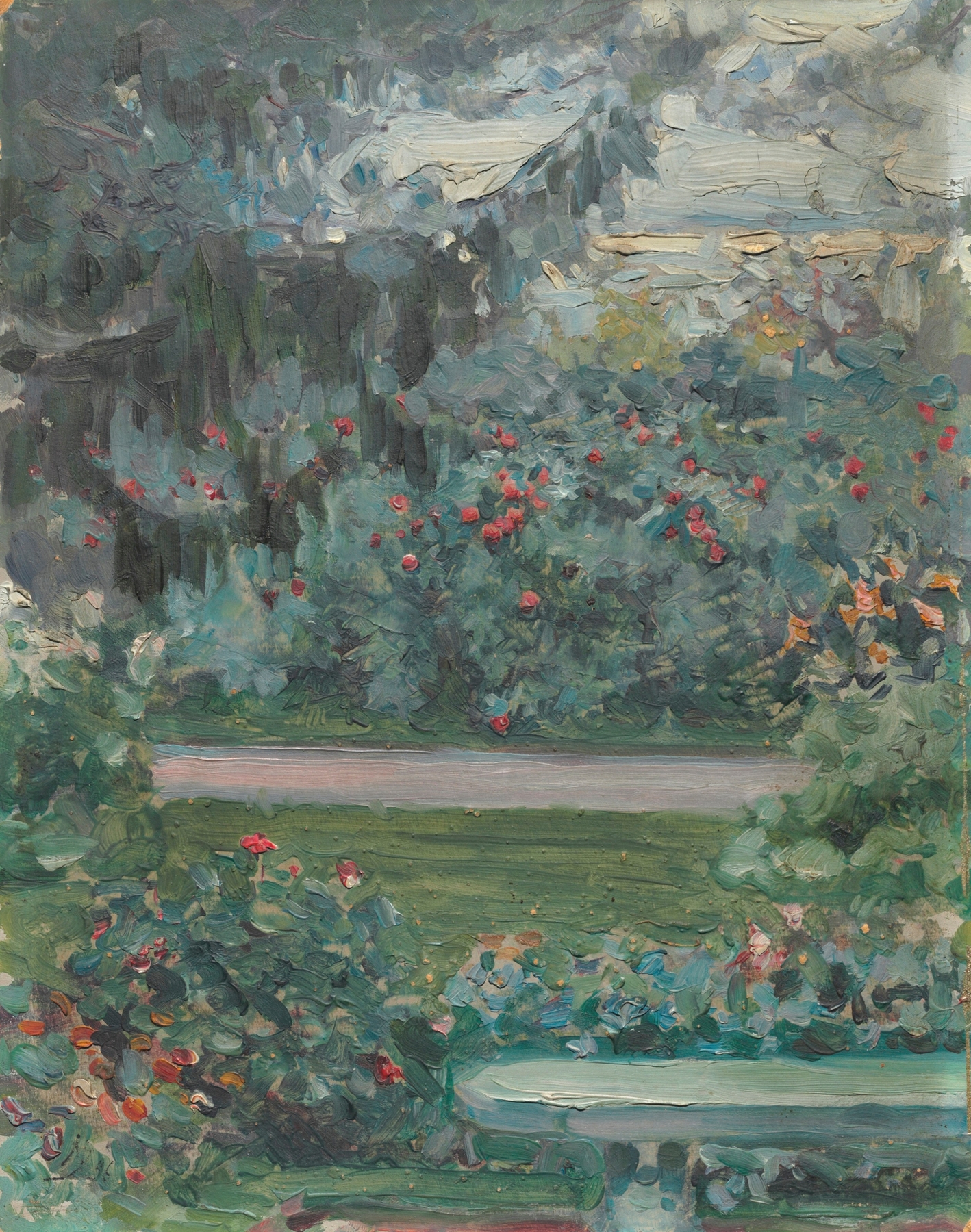
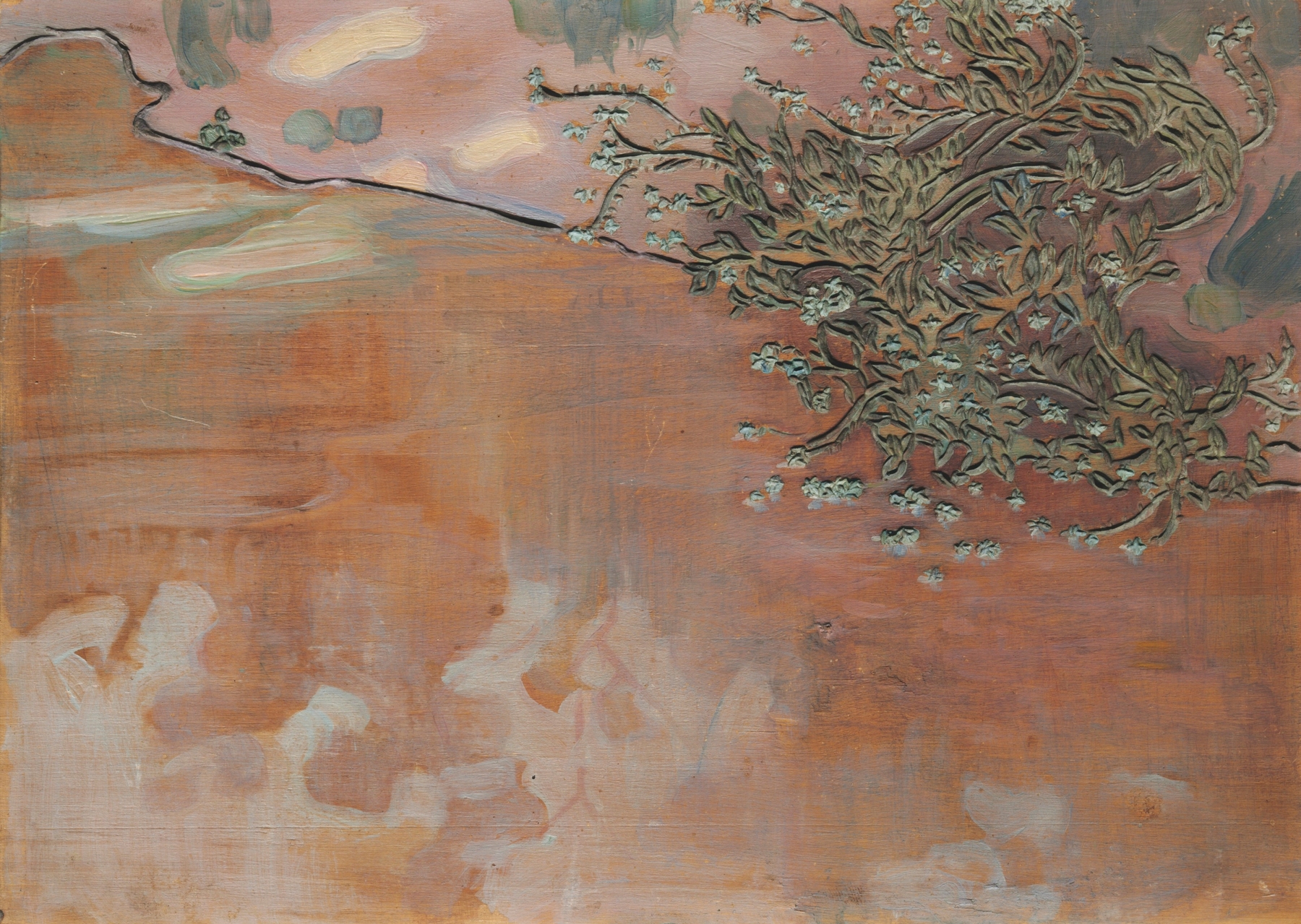
“To paint is to remember what time wants us to forget.” In the quiet embrace of nature, one can find the echoes of the past mingled with the whispers of the present, reminding us of the beauty that surrounds us. Look closely at the delicate brushwork, where shades of green and gold dance together across the canvas. Notice how the light filters through the leaves, illuminating patches of earth and creating a soft interplay of shadows. The composition invites your gaze to wander through the thicket, as if every stroke beckons you deeper into the forest’s heart.
Each tree stands as a sentry of time, their textures rich and varied, while the subtle gradations of color capture the ephemeral quality of nature. Yet, there is a tension within this serene landscape. The exuberance of the foliage contrasts with the serene emptiness of the path ahead, evoking a sense of both wonder and solitude. Hidden among the trees, small details—a fallen leaf, a hint of a distant twilight—speak to the passage of time and invite contemplation on the fleeting moments of beauty in life.
This duality captures the essence of nostalgia, hinting at the inevitable loss that accompanies the splendor. During the period when Forest was created, Maria Yakunchikova was navigating the complexities of her artistic identity in late 19th-century Russia. Immersed in the Symbolist movement, she sought to transcend mere representation, exploring themes of memory and emotion through her landscapes. As she painted, the world around her was undergoing rapid change, influenced by burgeoning modernity and a growing appreciation for the emotive potential of nature.