Stream — History & Analysis
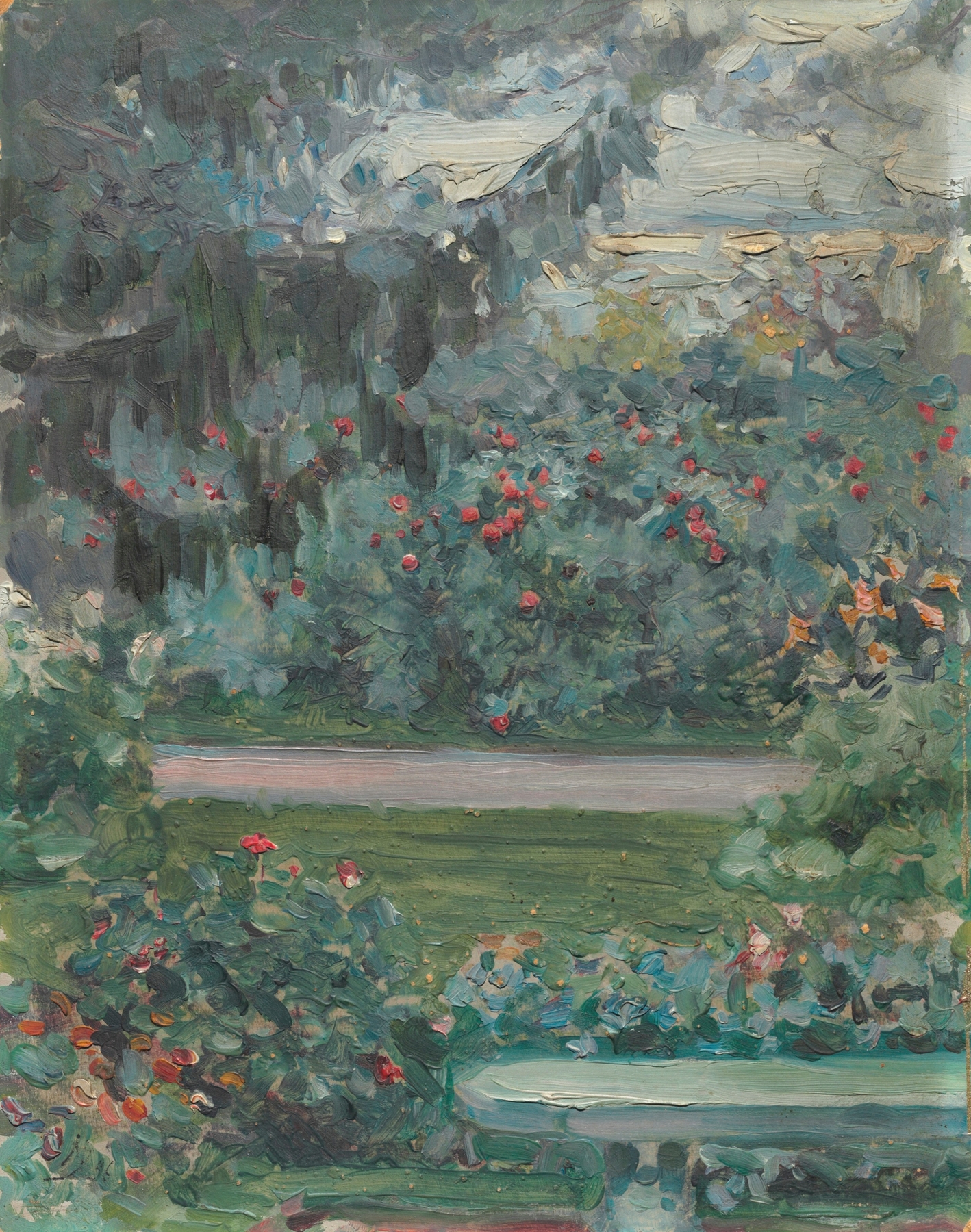
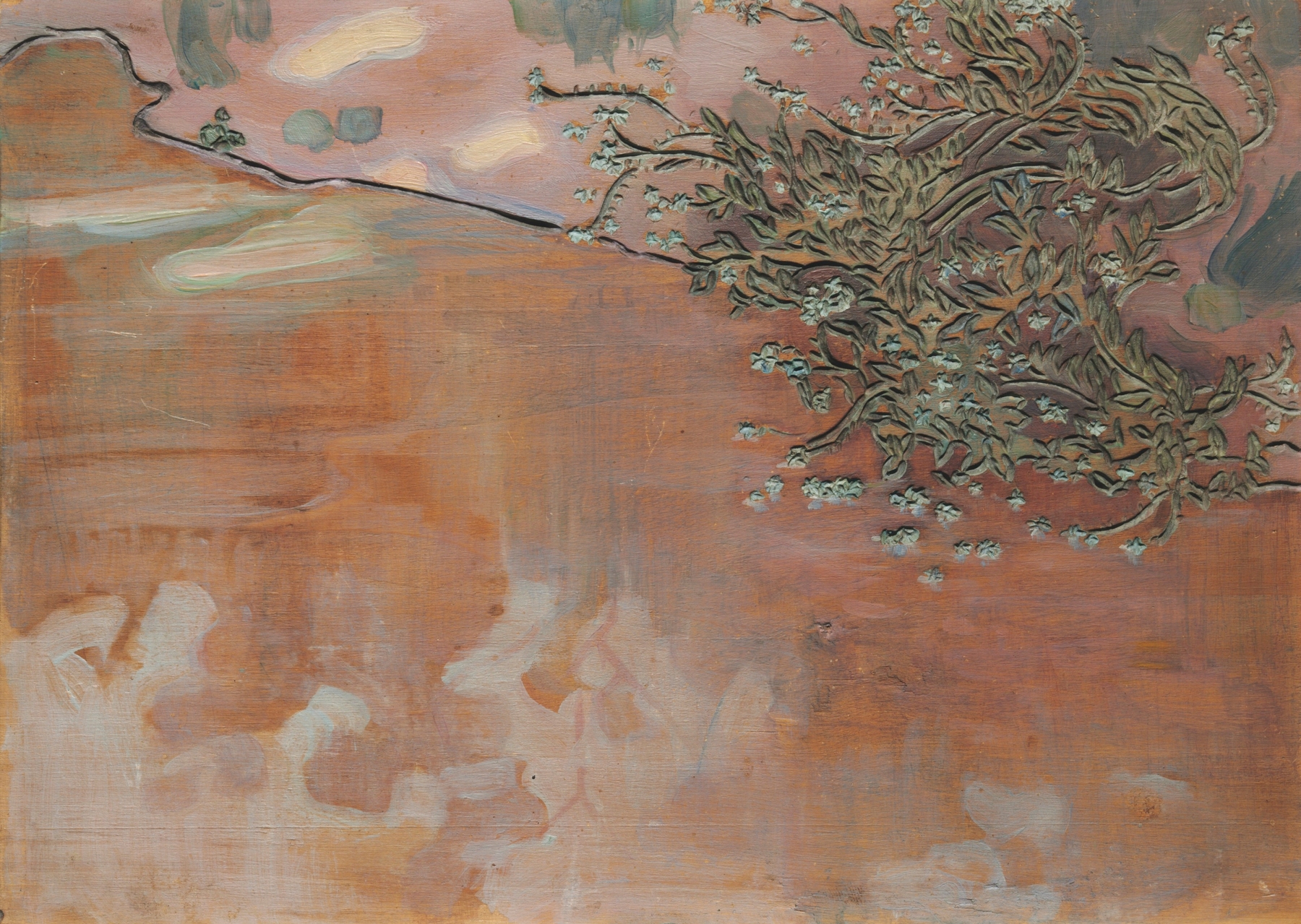
“Sometimes beauty is just pain, disguised in gold.” This sentiment threads through the very heart of desire, igniting a longing that often veils deeper truths. Look closely at the luminous stream cascading through the verdant landscape, its shimmering waters inviting yet elusive. The colors meld seamlessly, with emerald greens juxtaposed against the radiant gold and soft blues, suggesting not only the tranquility of nature but the complexities of longing. The composition draws the eye along the flowing current, emphasizing movement and the passage of time, as if the very water carries with it both dreams and regrets.
Delve further into the subtleties of the painting, where the delicate interplay of light and shadow reveals hidden narratives. Notice how the foliage bends slightly toward the stream, as if drawn by an irresistible force, mirroring the yearning in human hearts. The gentle ripples in the water reflect not just the landscape, but the tumult of emotions beneath the surface—the desire for connection, for escape, and for understanding, all wrapped in the beauty of nature.
In 1893, the artist was creating Stream during a period of significant transformation within her own life and the broader artistic community in Russia. The rise of the Symbolist movement was reshaping the landscape of art, encouraging a shift from realism toward deeper emotional expression and introspection. As she navigated her personal struggles and aspirations, Yakunchikova’s work began to reflect a unique synthesis of the external world and her inner desires, capturing fleeting moments of beauty that resonate with longing.