Little garden — History & Analysis
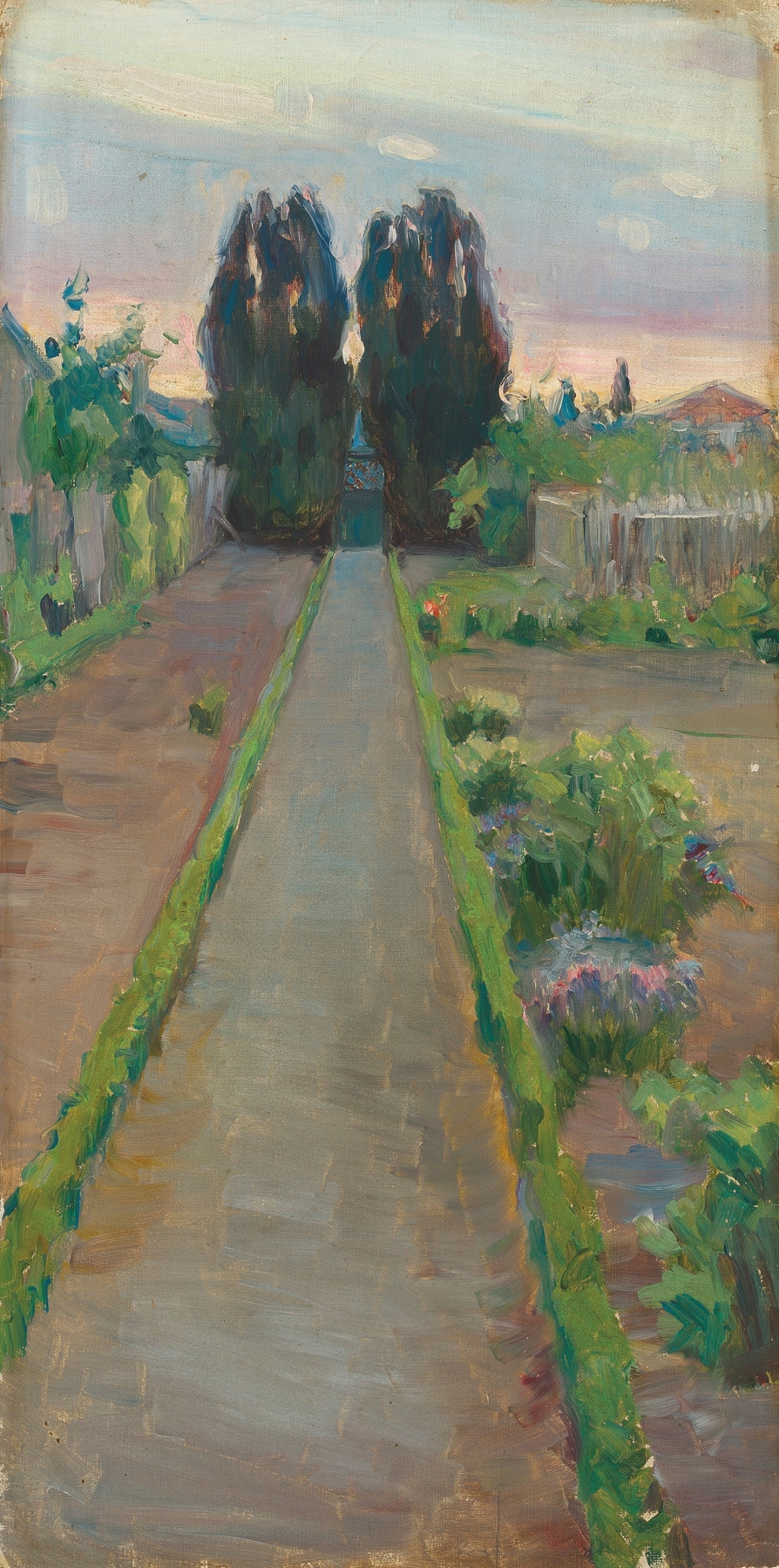
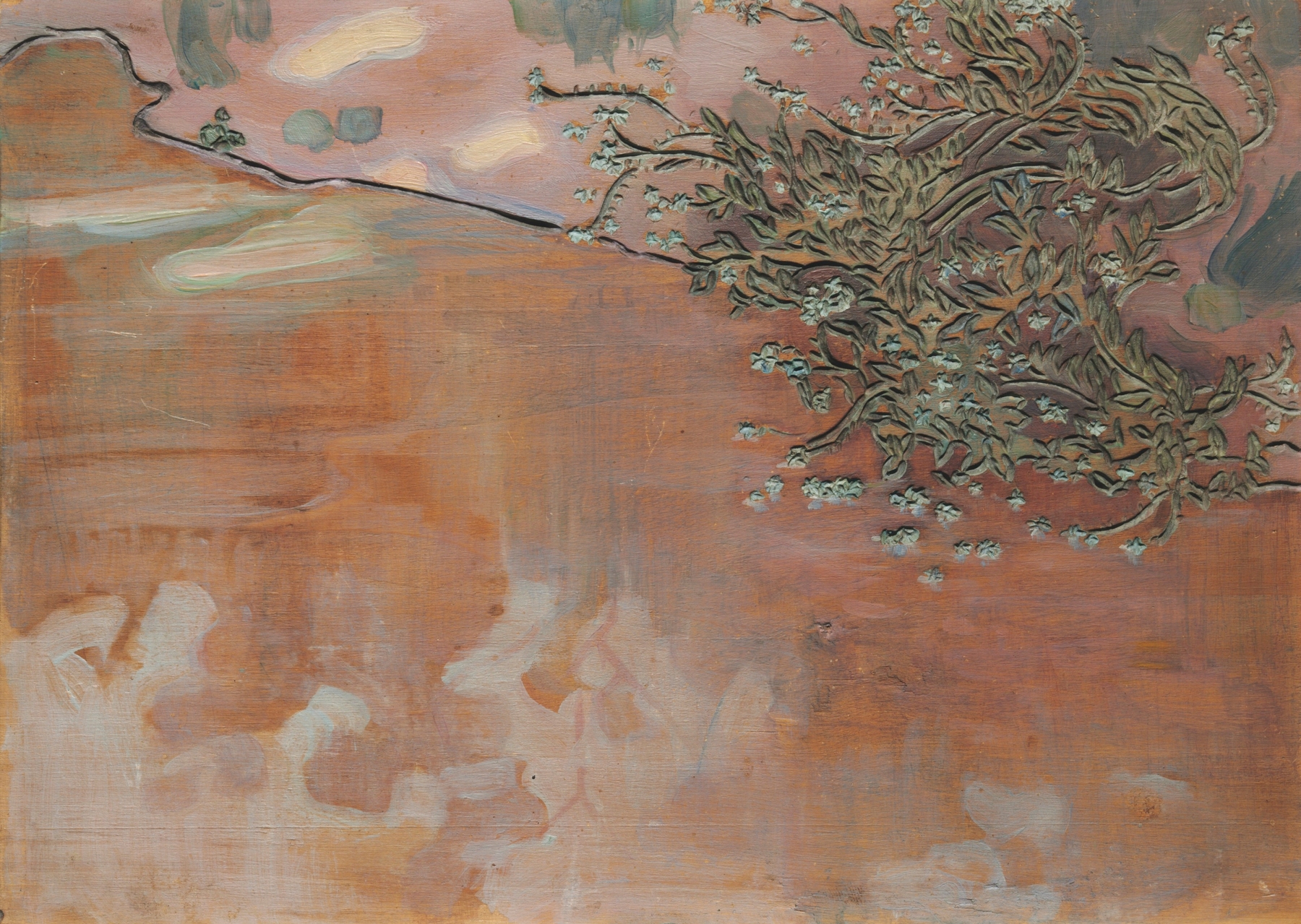
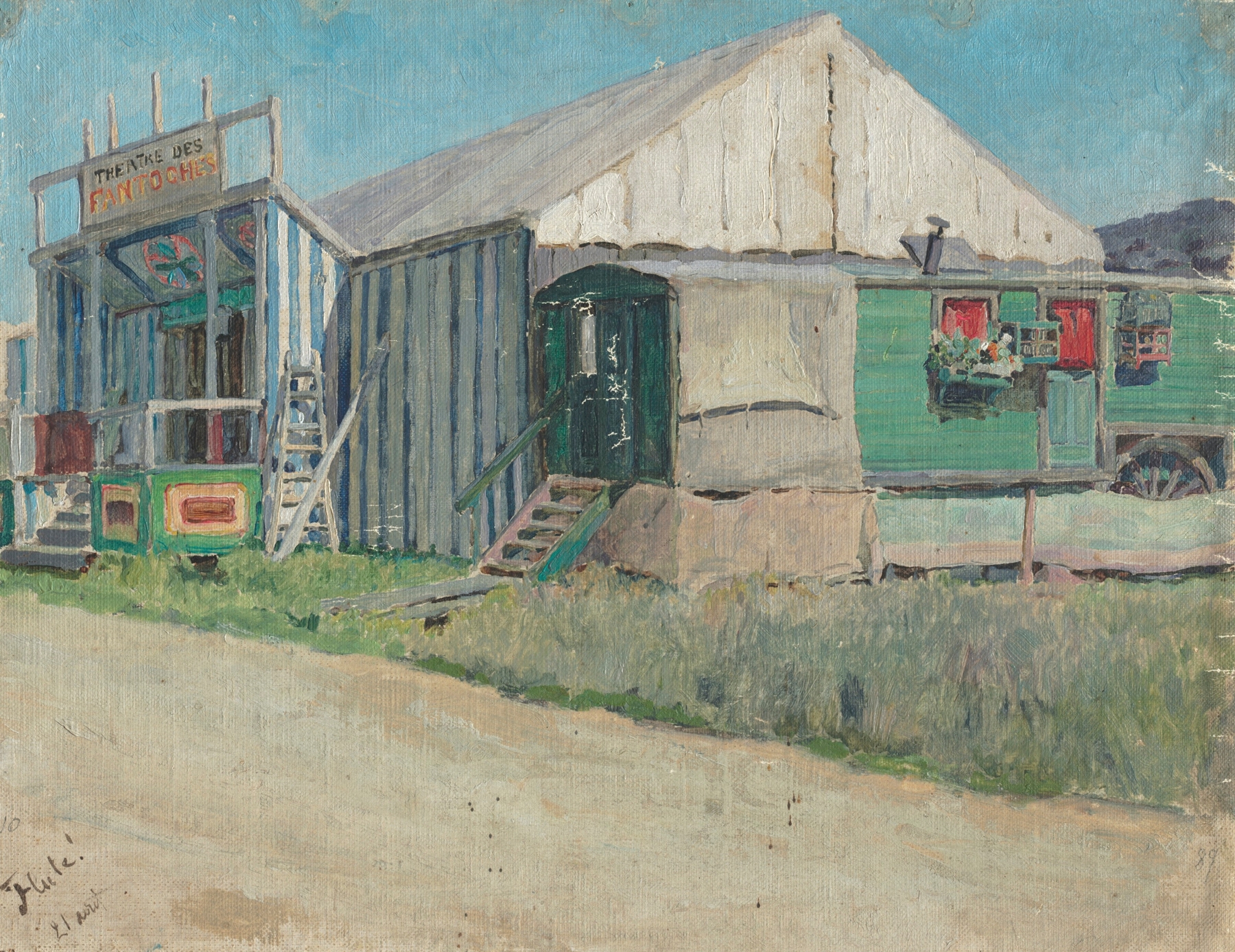
In a sun-drenched corner of a lush garden, vibrant blooms sway gently in a soft breeze, whispering secrets of nature's beauty. A young woman, lost in thought, kneels amidst the flowers, her fingers tenderly brushing petals while dappled sunlight dances across her serene face. The air is heavy with the scent of blossoms, and a palpable stillness envelops the scene, as if time itself has paused to witness this intimate communion between the artist and her garden. Look to the left at the delicate clusters of wildflowers, their colors bursting like confetti against a verdant backdrop. The painter's meticulous brushwork captures each petal's texture, inviting the viewer to imagine their softness.
Notice how the light falls upon the woman's flowing dress, creating a gentle contrast against the vivid hues of the flora. The composition is harmonious, emphasizing the connection between the figure and her surroundings, blurring the line between humanity and nature. In the garden, one can feel the weight of creation itself, as if the artist imbues her surroundings with the essence of life. The woman's posture suggests reverence and care, echoing the nurturing spirit of Yakunchikova’s own artistic journey.
The interplay of light and shadow reveals deeper emotional tensions—an exploration of solitude and connection, the personal quest for beauty amid the chaotic world beyond the garden gates. In 1893, Maria Yakunchikova painted Little Garden during a time of personal reinvention, seeking solace in the natural world. Living in Moscow, she was part of a movement that celebrated the delicate beauty of Russian landscapes and feminine perspectives. Amidst the evolving world of art, this work reflects her desire to capture intimate moments, marking her unique voice in a predominantly male-dominated sphere.