Alpine Landscape at Sunset — History & Analysis
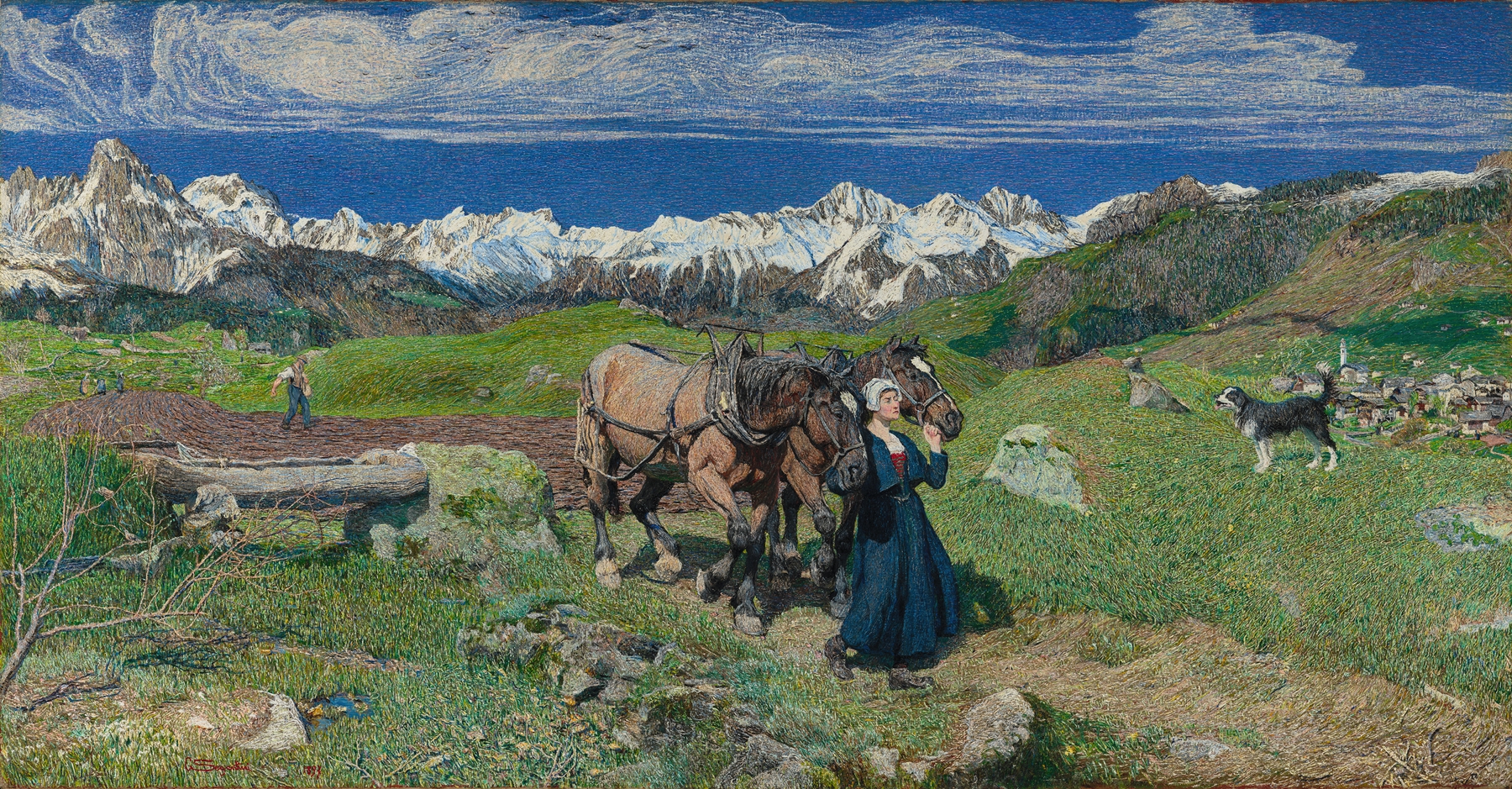
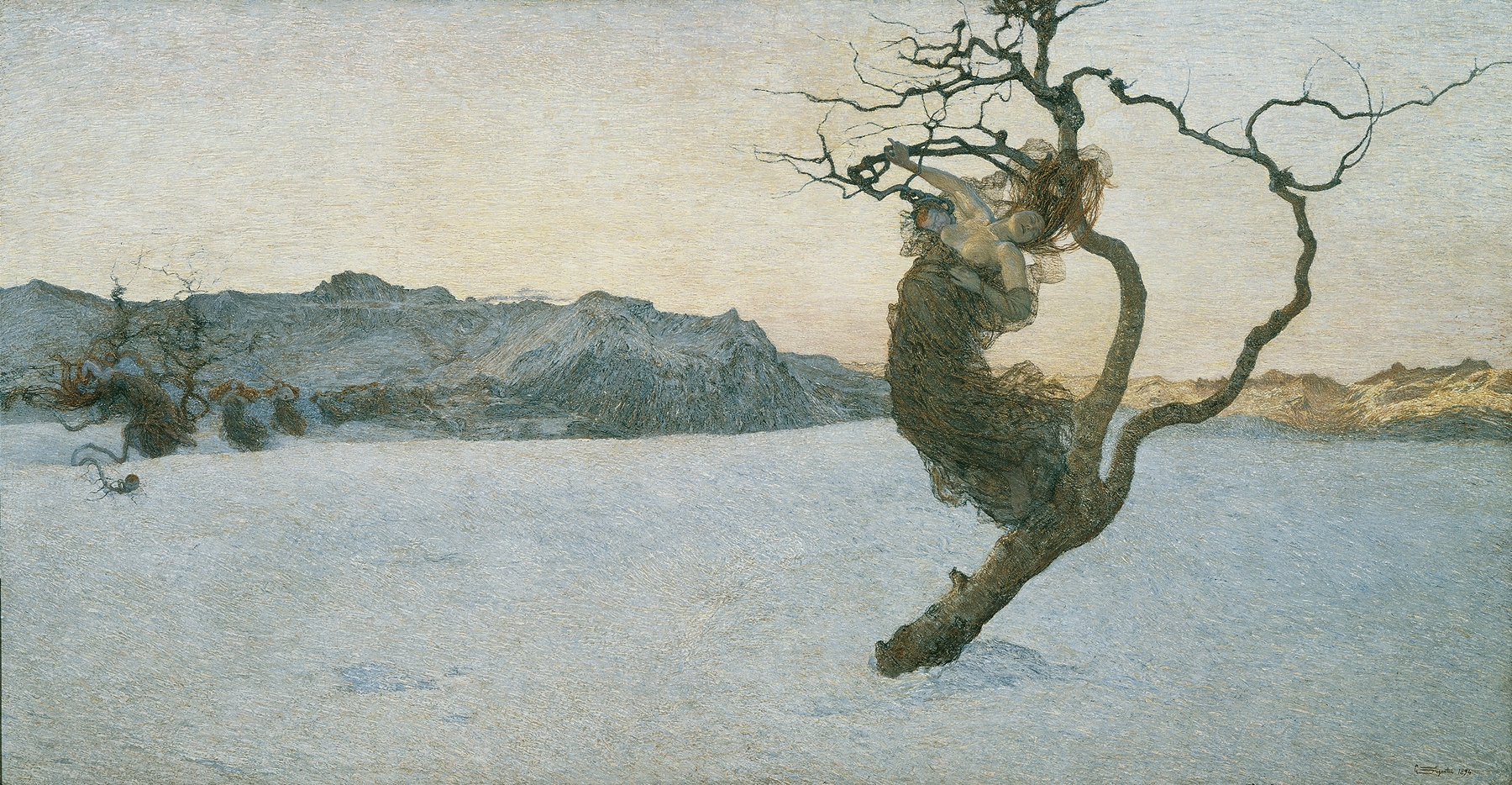
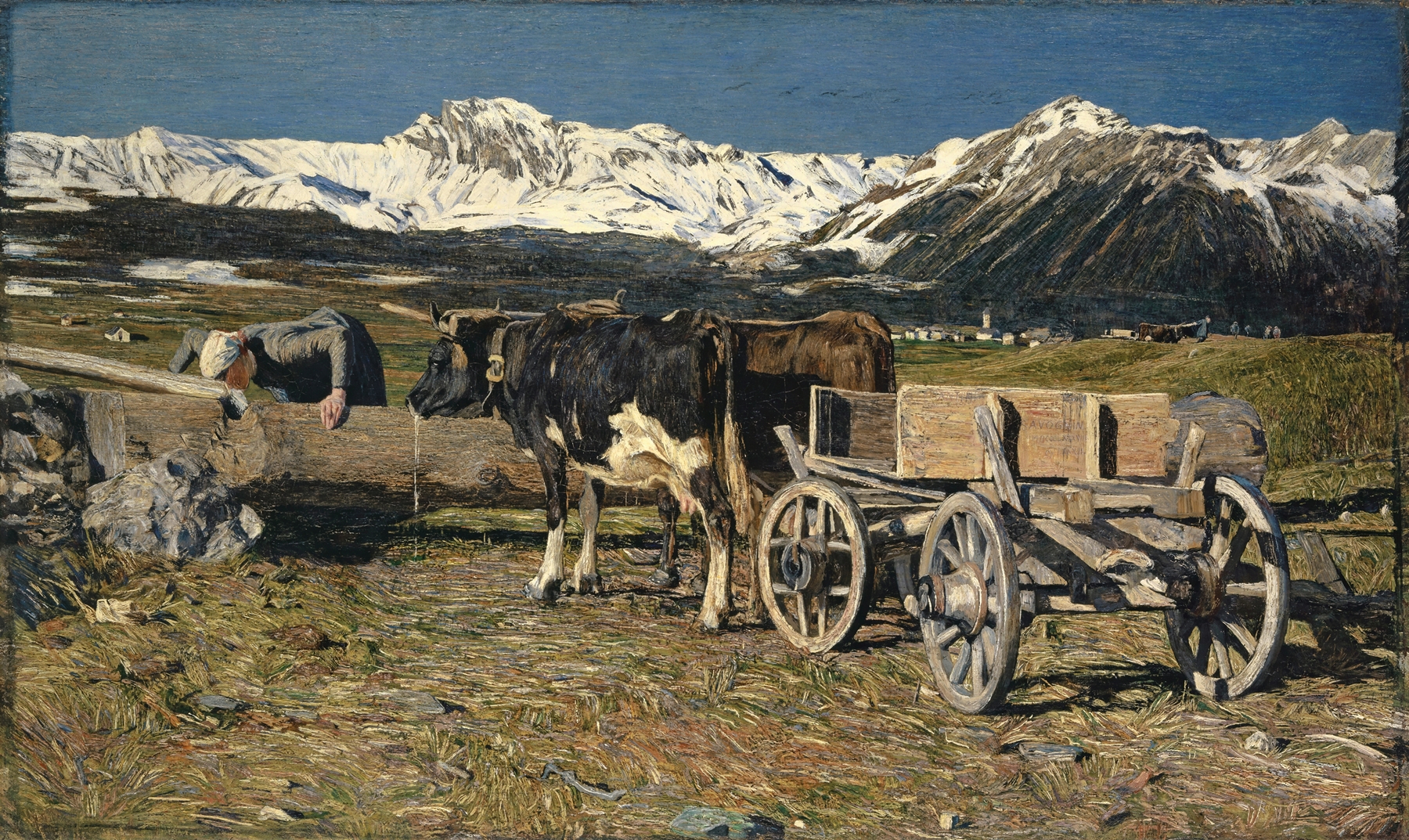
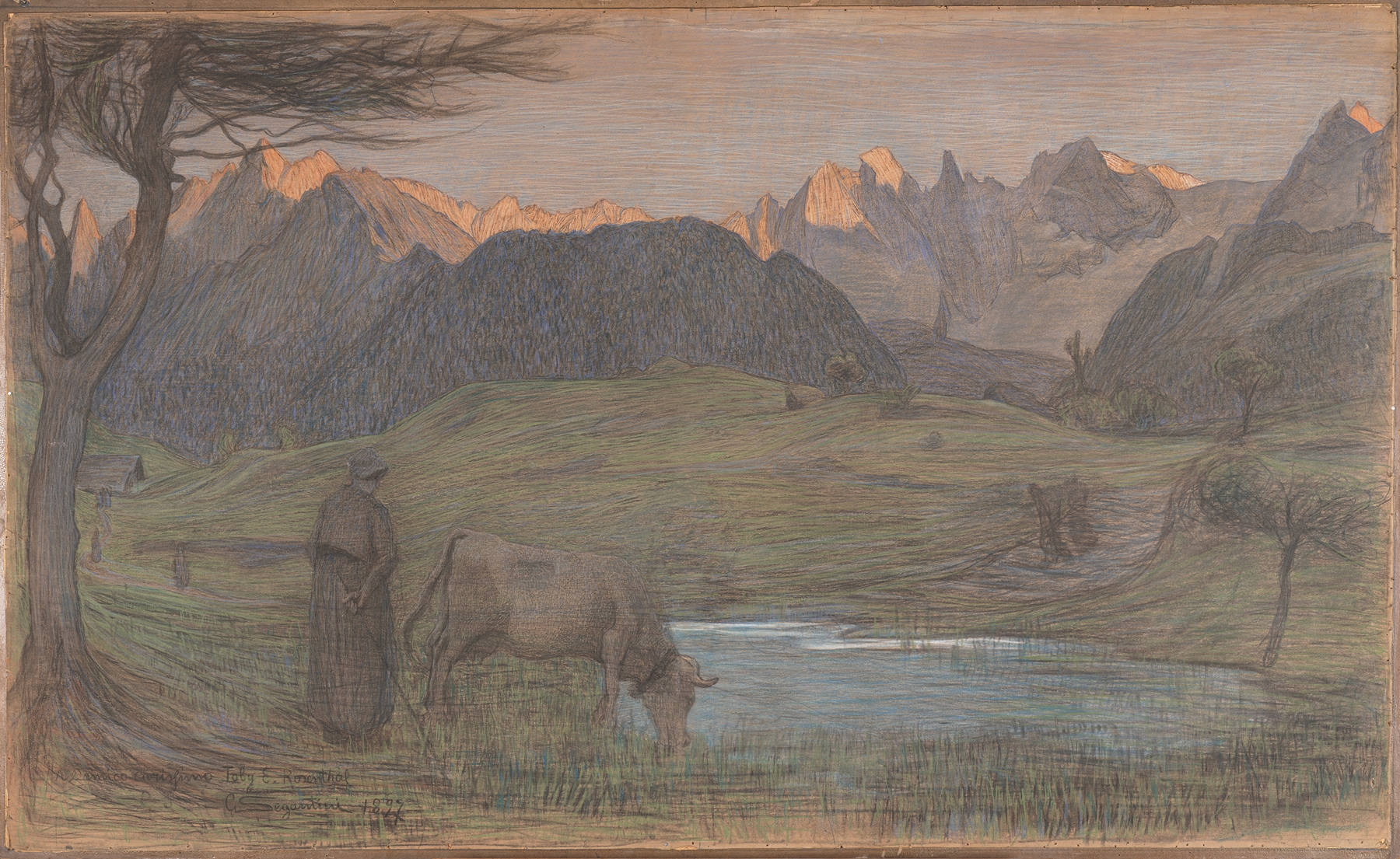
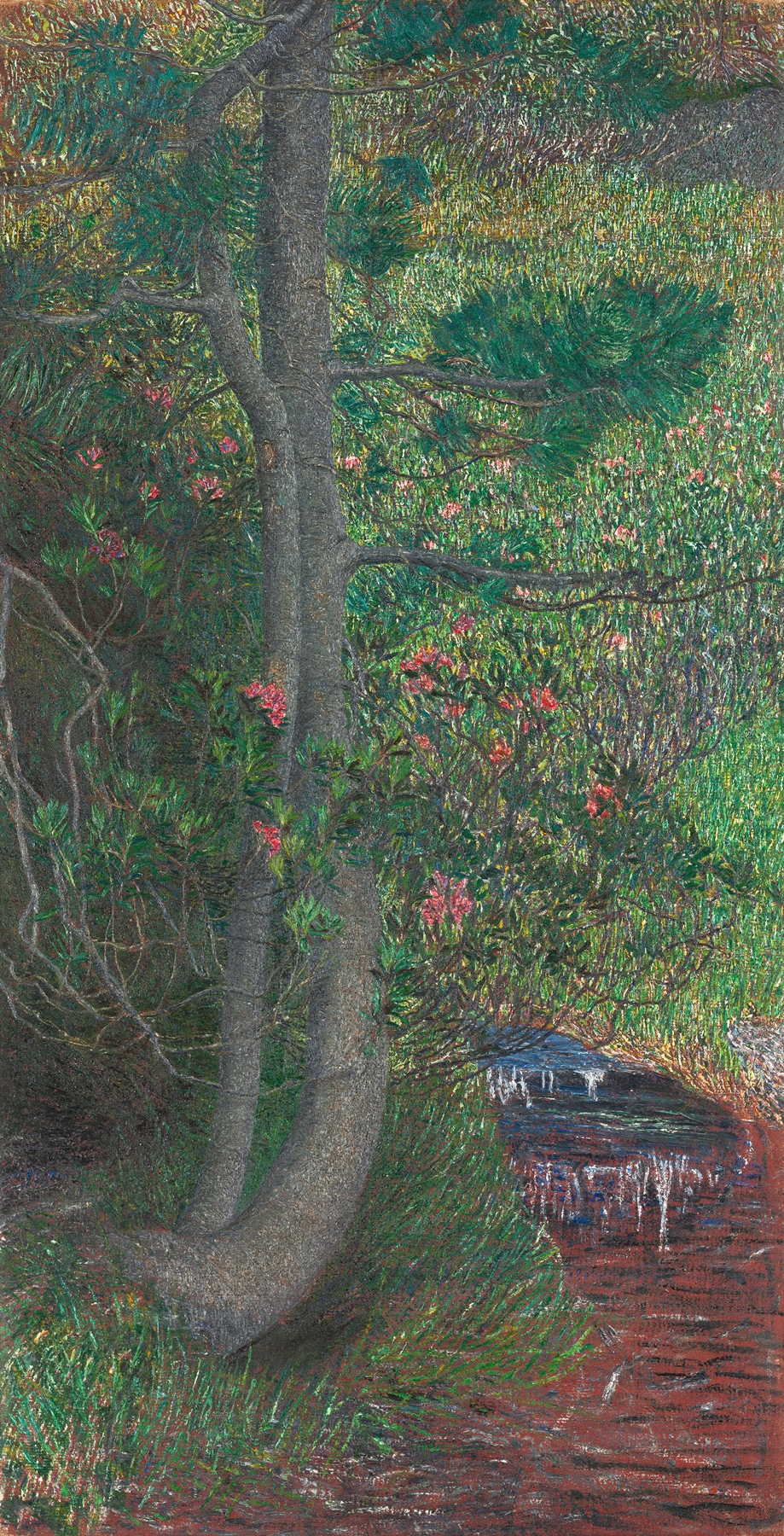
“Art reveals the soul when the world turns away.” In a realm beyond the tangible, a dreamscape unfurls, bridging the realms of reality and imagination. As you gaze at Alpine Landscape at Sunset, first direct your attention to the luminous sky, awash in hues of gold and deep orange. Notice how the brushstrokes swirl in rhythmic patterns, reflecting the ethereal quality of twilight, while the mountains loom majestically in the background, their peaks softly kissed by the fading light. The foreground is a serene expanse of verdant meadows, speckled with wildflowers, inviting the eye to wander and explore each delicate nuance of color.
Delve deeper into the emotional undercurrent of the piece. The juxtaposition of the vibrant sky against the stoic mountains evokes a sense of tranquility mingled with longing, as if nature itself is whispering secrets to those willing to listen. The flowers, though small and seemingly insignificant, serve as a reminder of life's fleeting beauty, encapsulating the spirit of the moment before nightfall—a testament to the transient nature of existence.
During the years between 1895 and 1898, Giovanni Segantini was engrossed in his work in the Alps, seeking to capture the profound connection between nature and the human experience. This period marked his exploration of Symbolism and his dedication to conveying emotional depth through landscape, as he was influenced by both personal struggles and the broader artistic movements of his time. In Alpine Landscape at Sunset, he encapsulates not just a view, but a poignant reflection on the passage of time and the beauty that resides within the ephemeral.