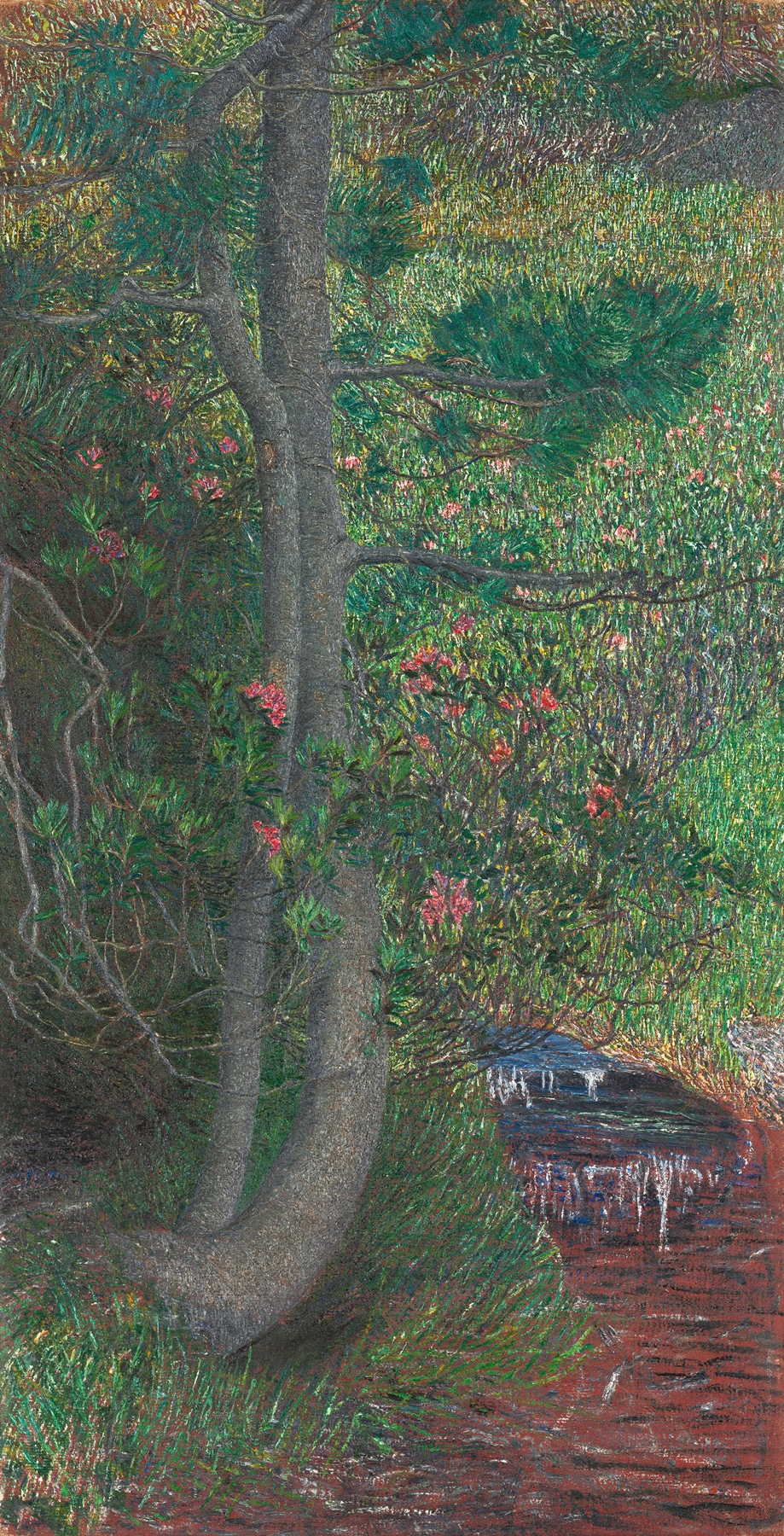
Die bösen Mütter — History & Analysis
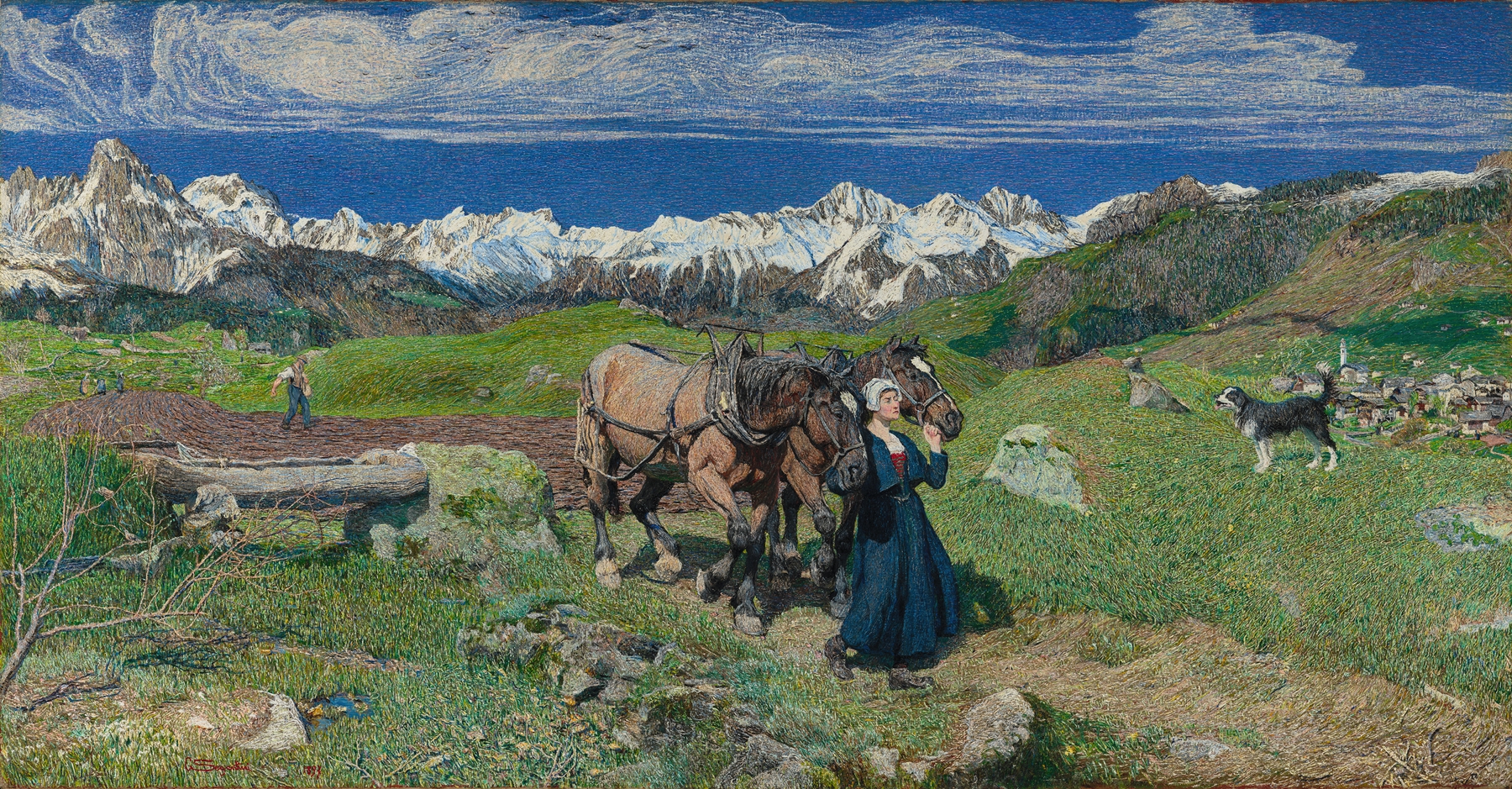
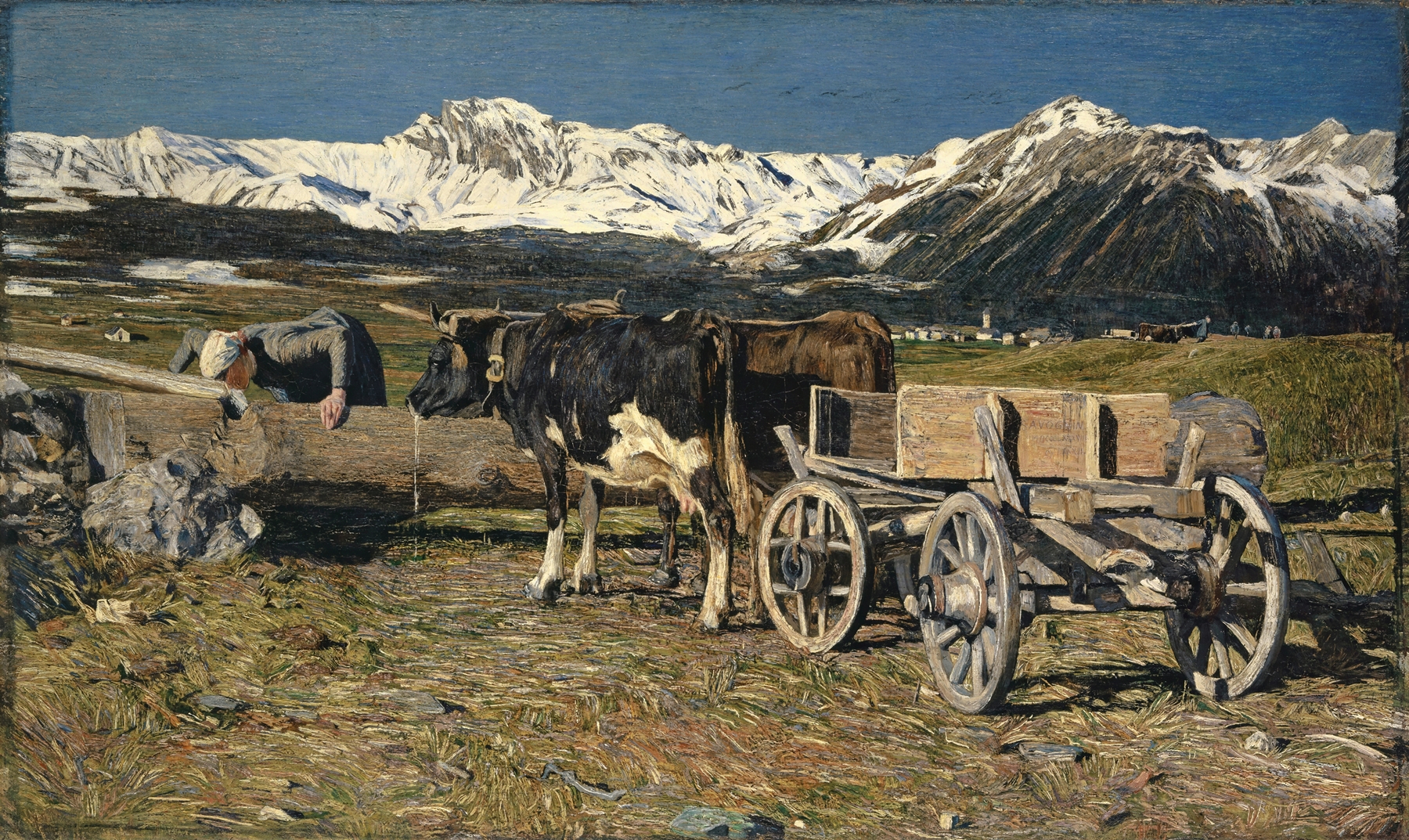
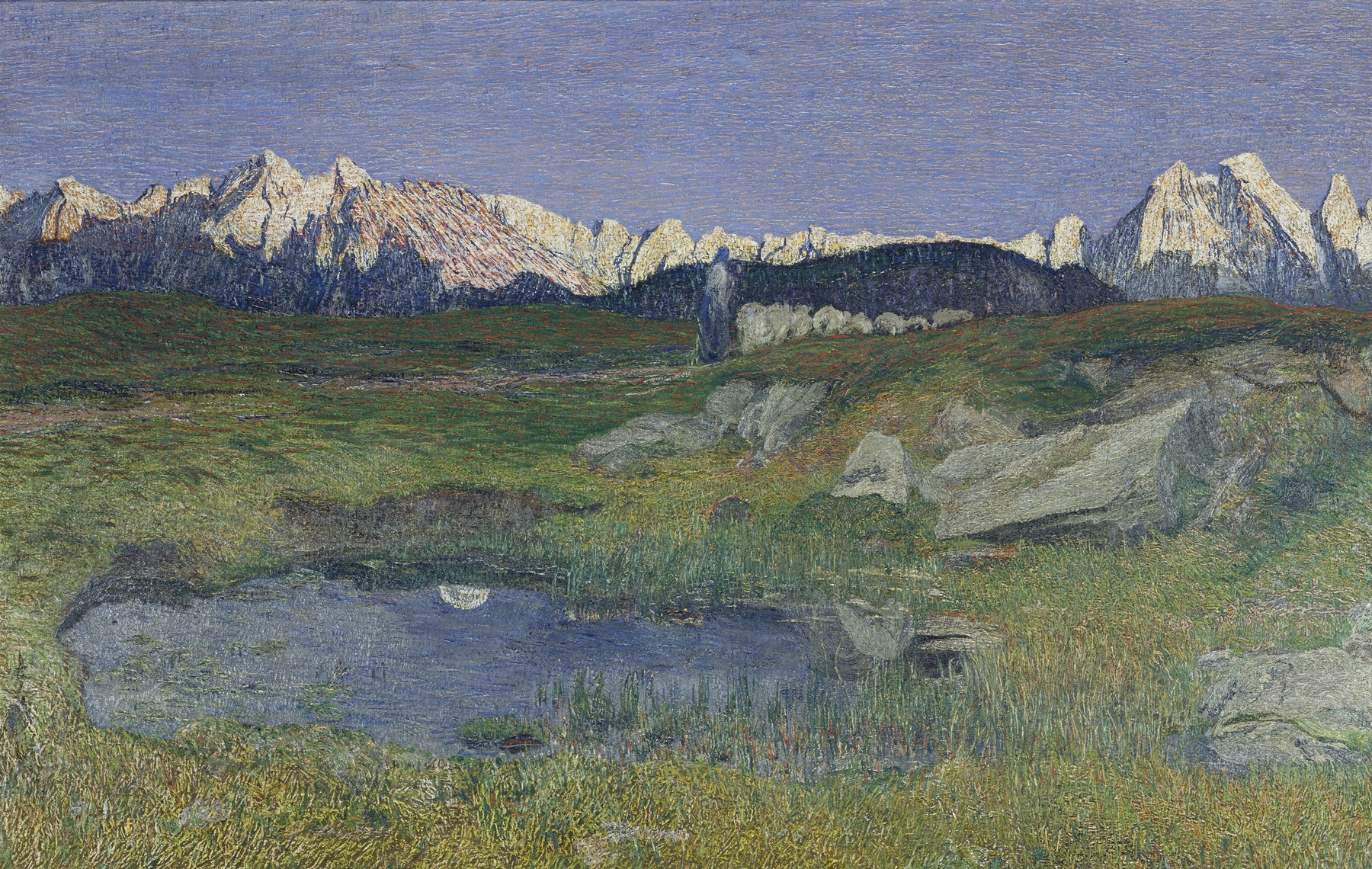
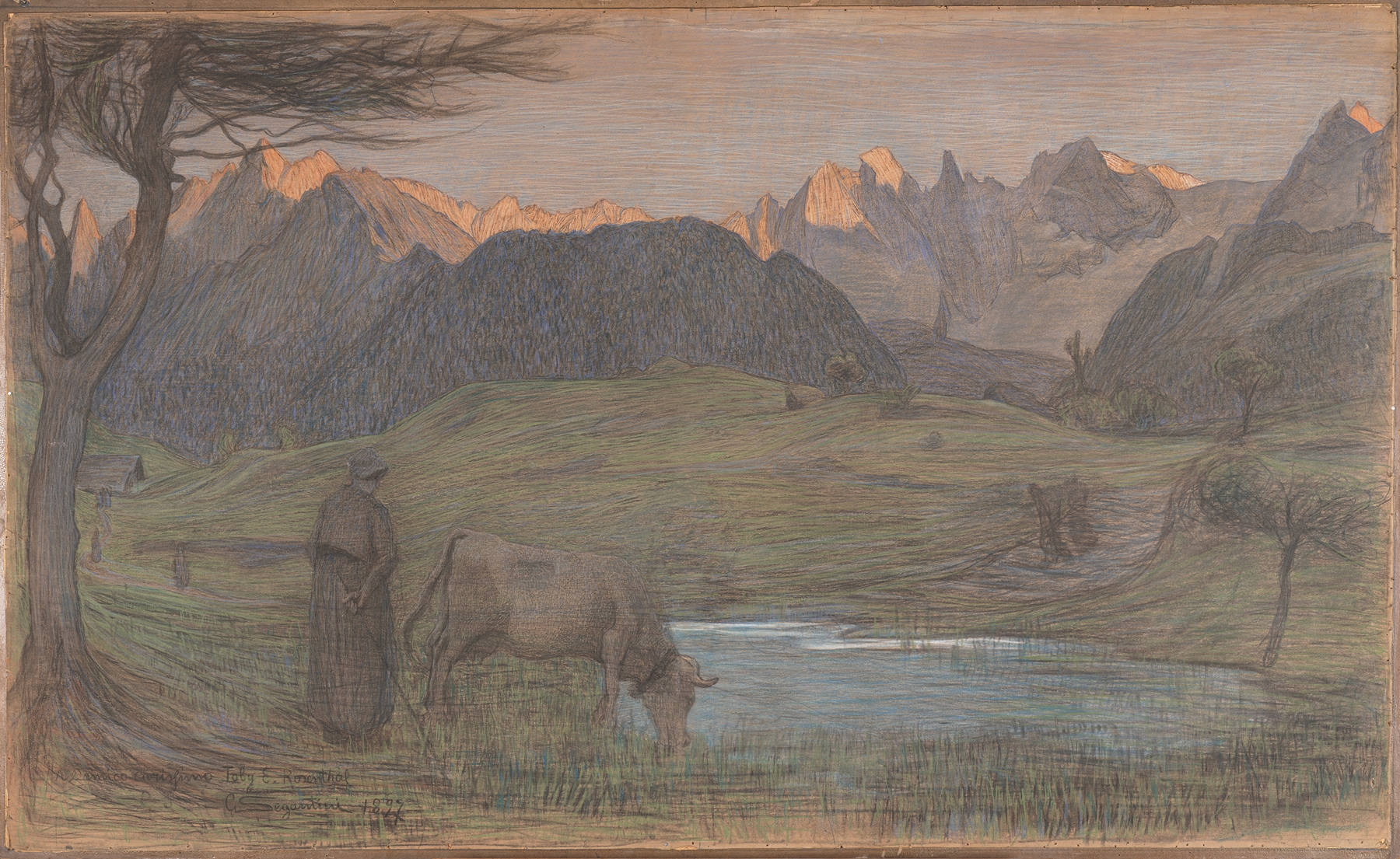
“Every silence here is a confession.” The void of absence lingers, whispering secrets of despair and longing. In this exploration of motherhood and abandonment, emptiness transforms into a haunting presence, evoking empathy and reflection. Look to the center of the canvas where the stark figures of mothers and children emerge from a somber backdrop. Notice the muted palette—earthy browns and cool grays—that conveys a heavy atmosphere, while brushstrokes ripple with both tenderness and turmoil.
The composition draws the eye inward, creating a sense of claustrophobia amidst the emotional weight, as if the very air is laden with unspoken stories and unresolved pain. The stark contrast between the subjects reveals deeper truths about societal expectations and personal sacrifice. Observe how the mothers, though physically present, seem detached, their gazes lost in thought, while the children cling to them, embodying innocence caught in a web of duty and desolation. Each figure encapsulates a poignant tension, where love is both a burden and a source of strength, hinting at the broader implications of the maternal experience.
In 1894, Segantini painted this work in the Alps, a time when he grappled with themes of life and death amid the burgeoning Symbolist movement. His focus shifted towards emotional truth, paralleling societal changes around motherhood and familial roles. This piece reflects both his personal struggles and the art world's evolution, capturing a moment where the intimate and the universal collide.