Am Ufer von Sturla — History & Analysis
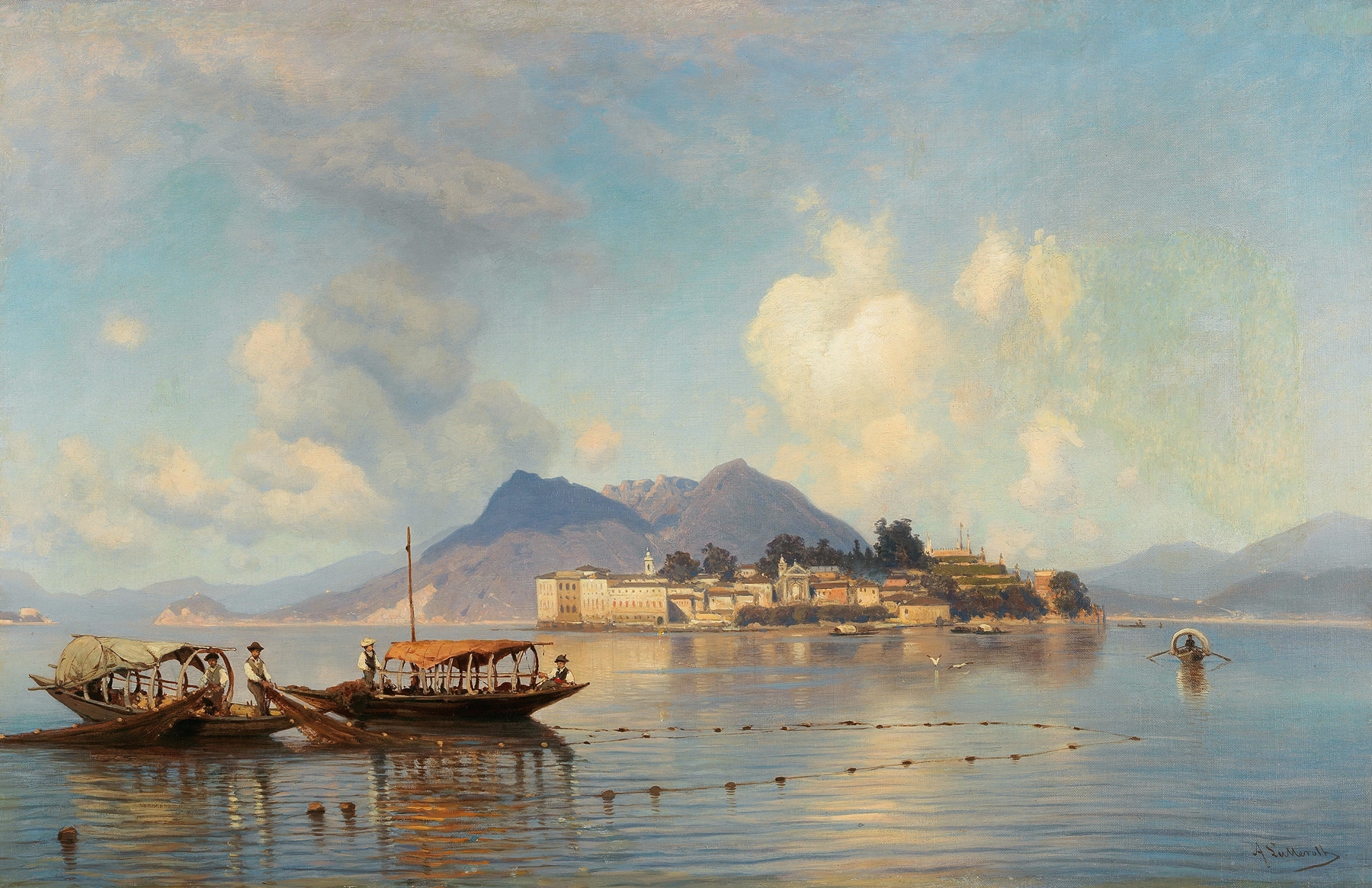
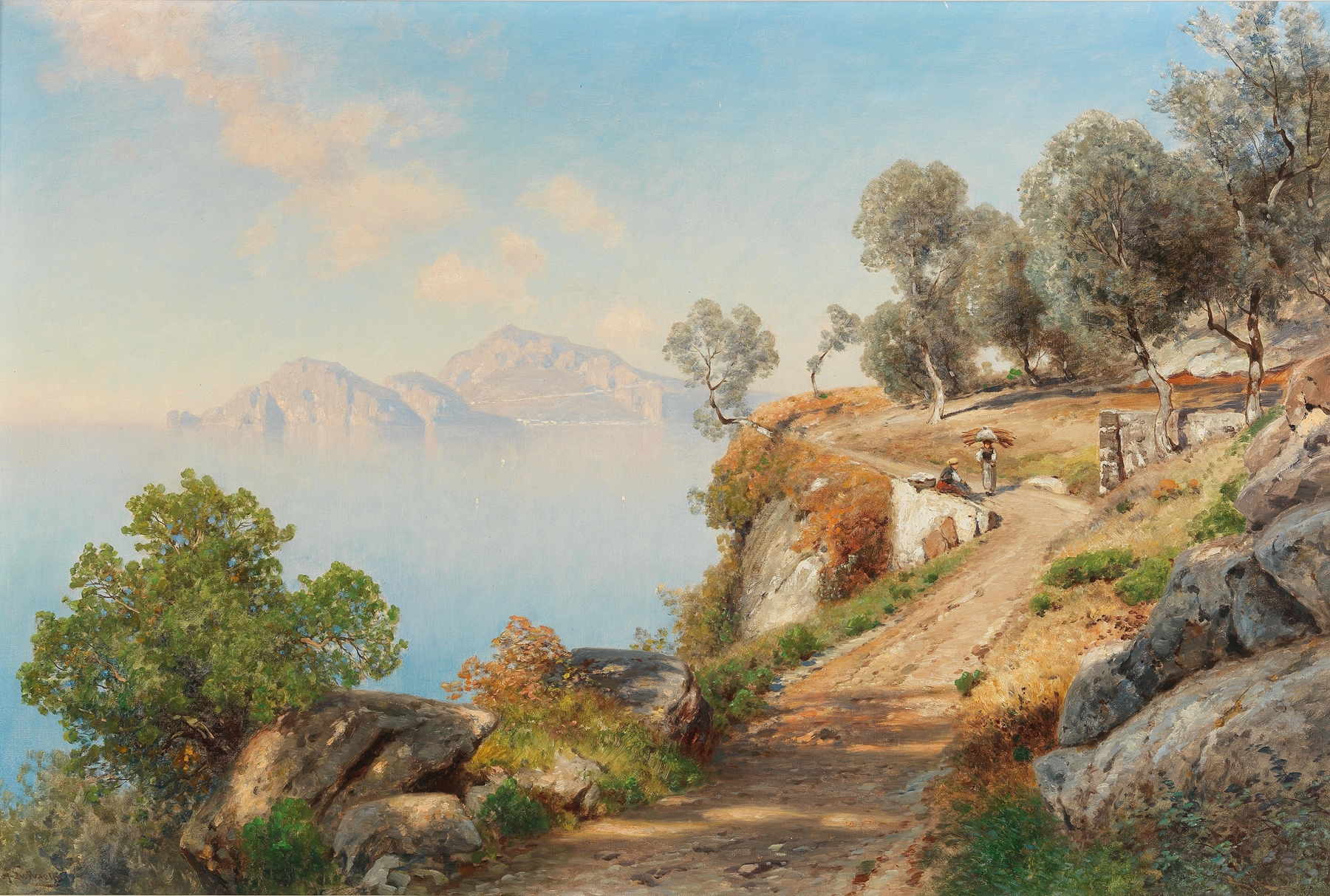
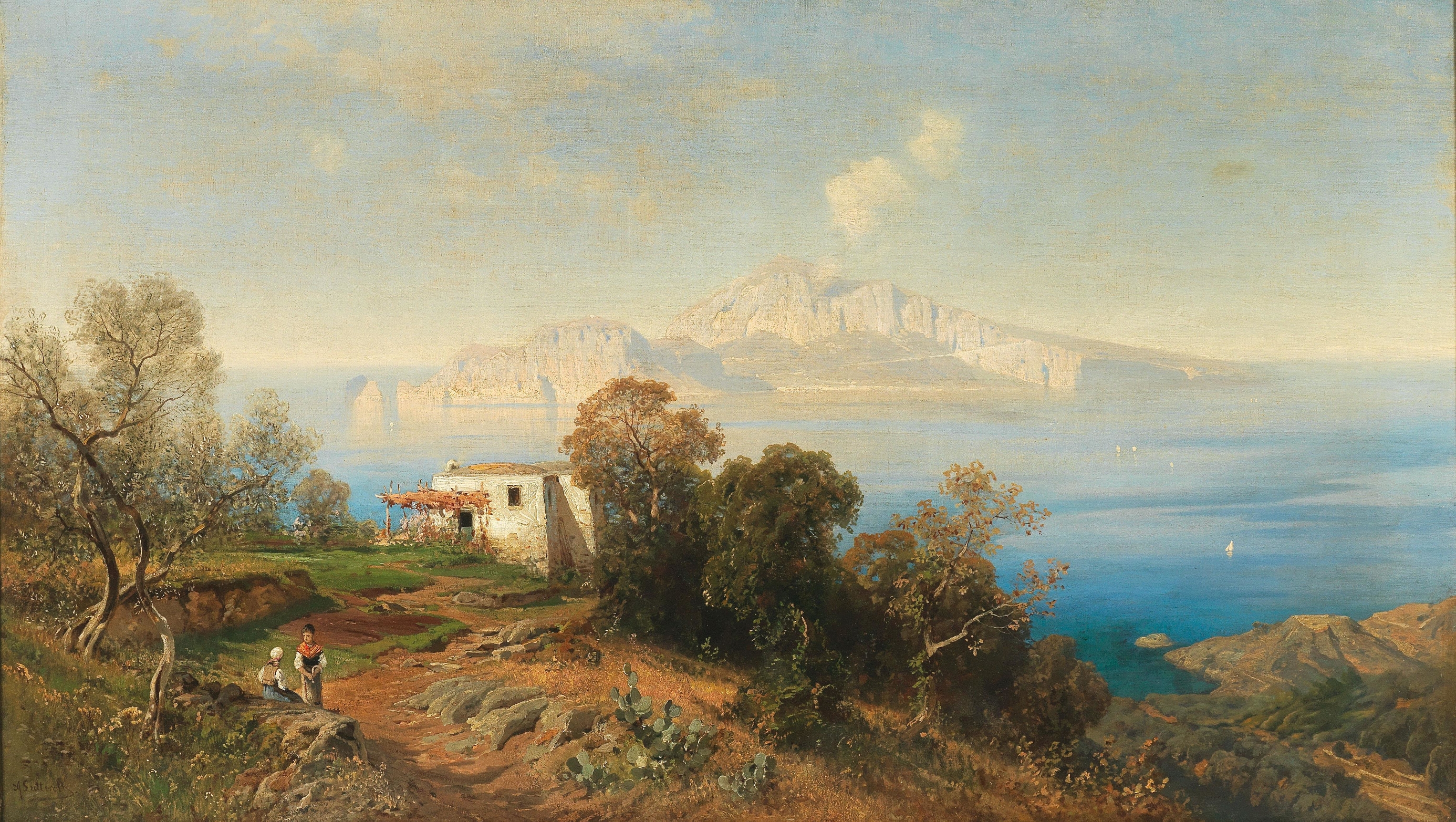
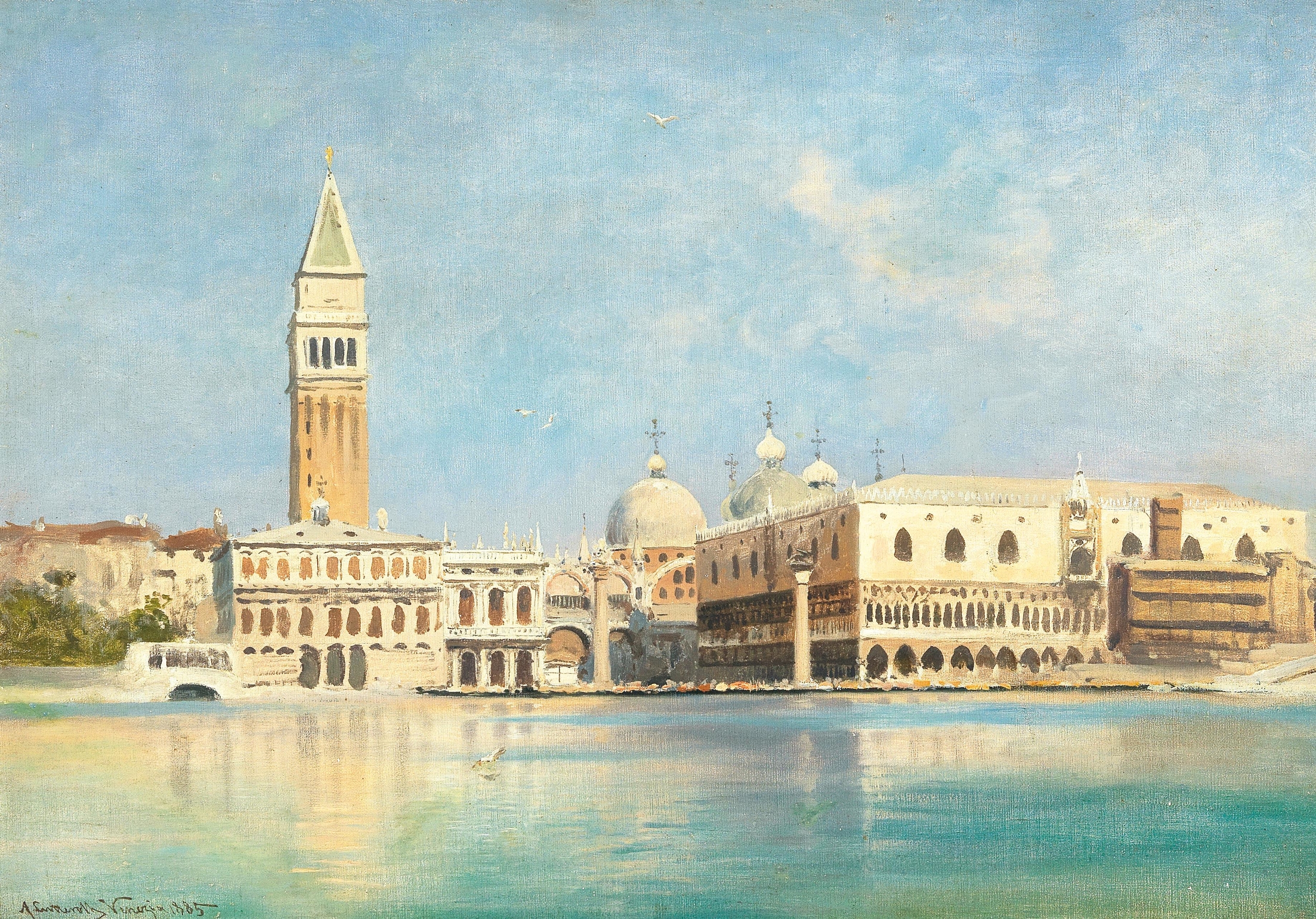
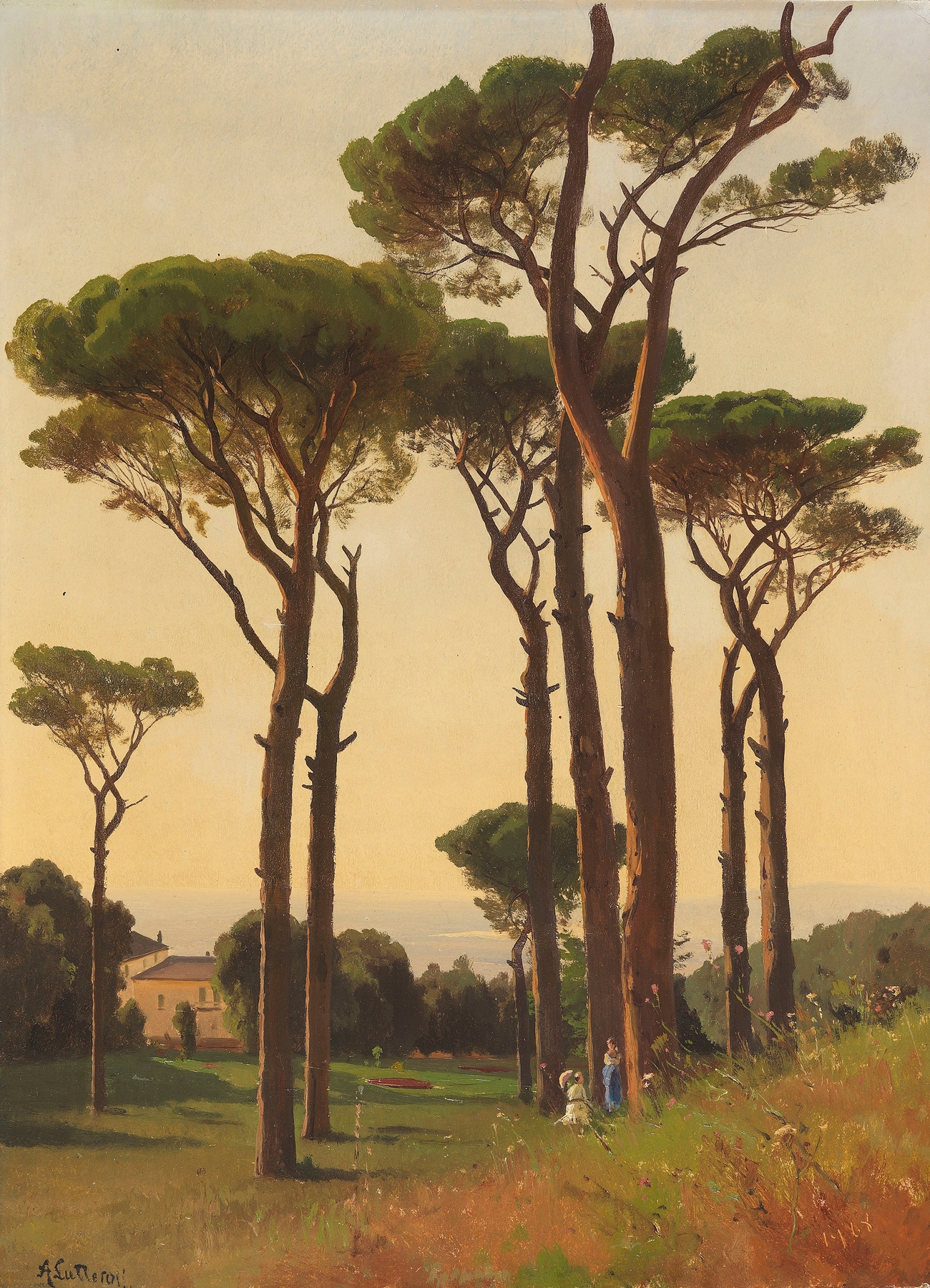
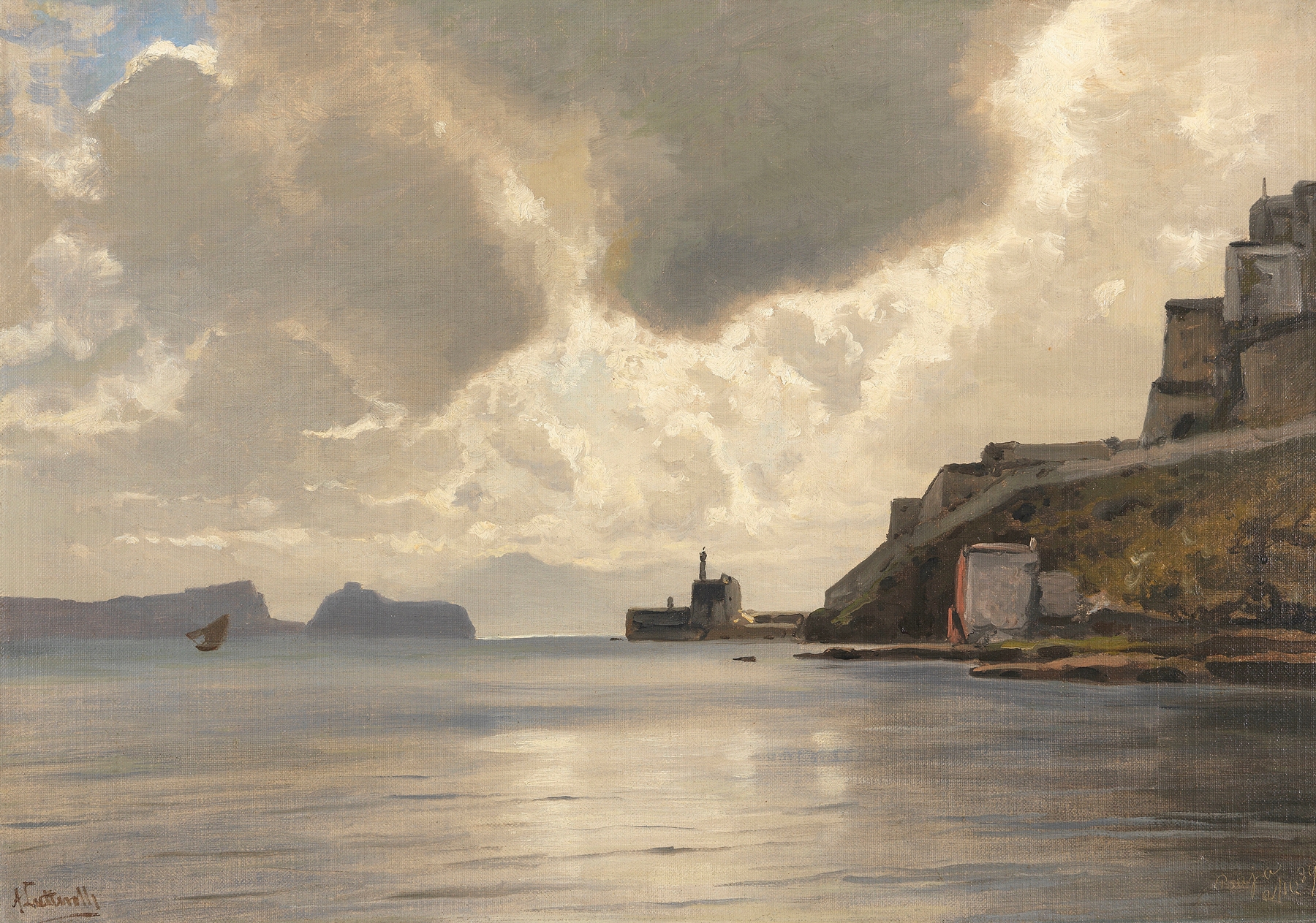
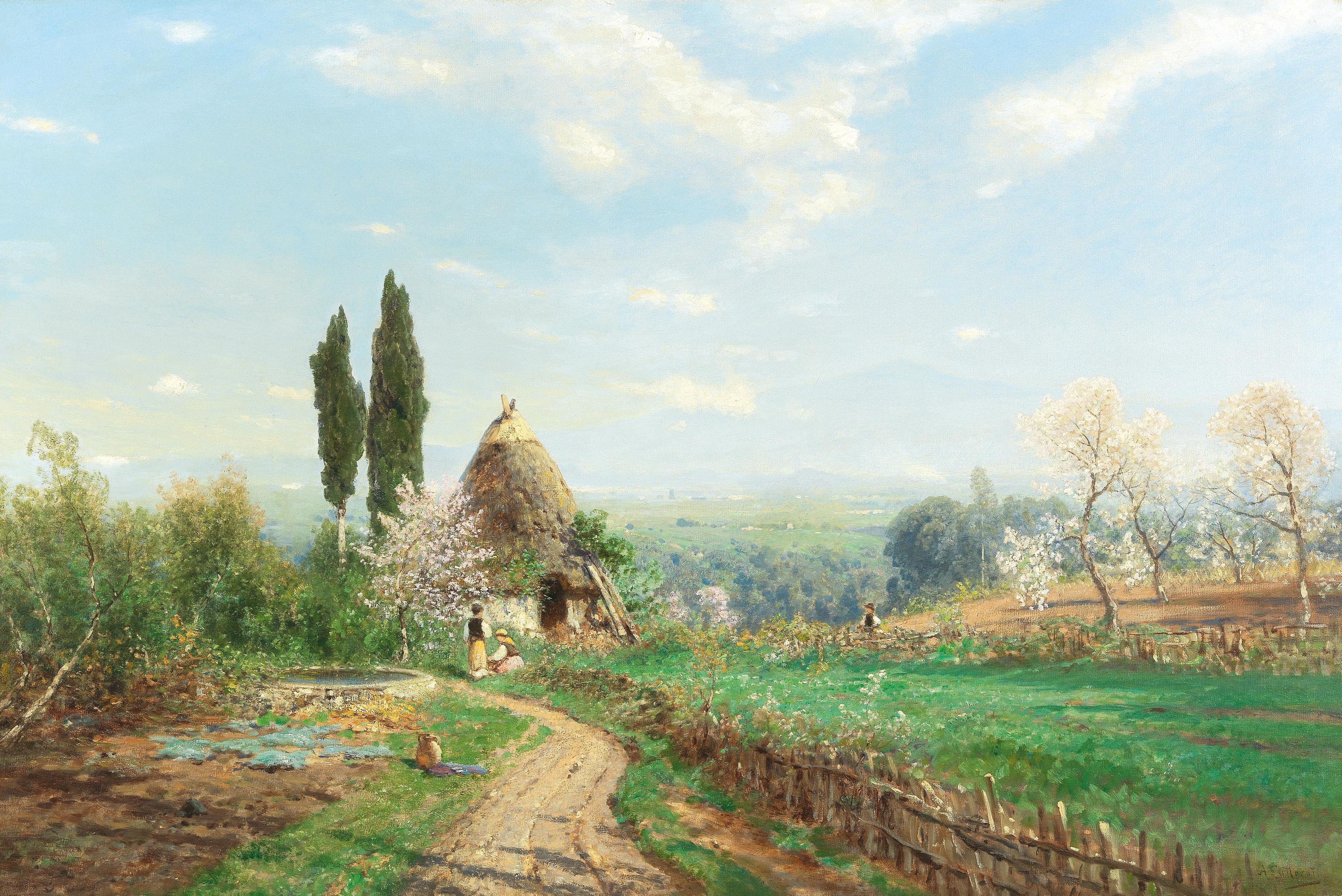
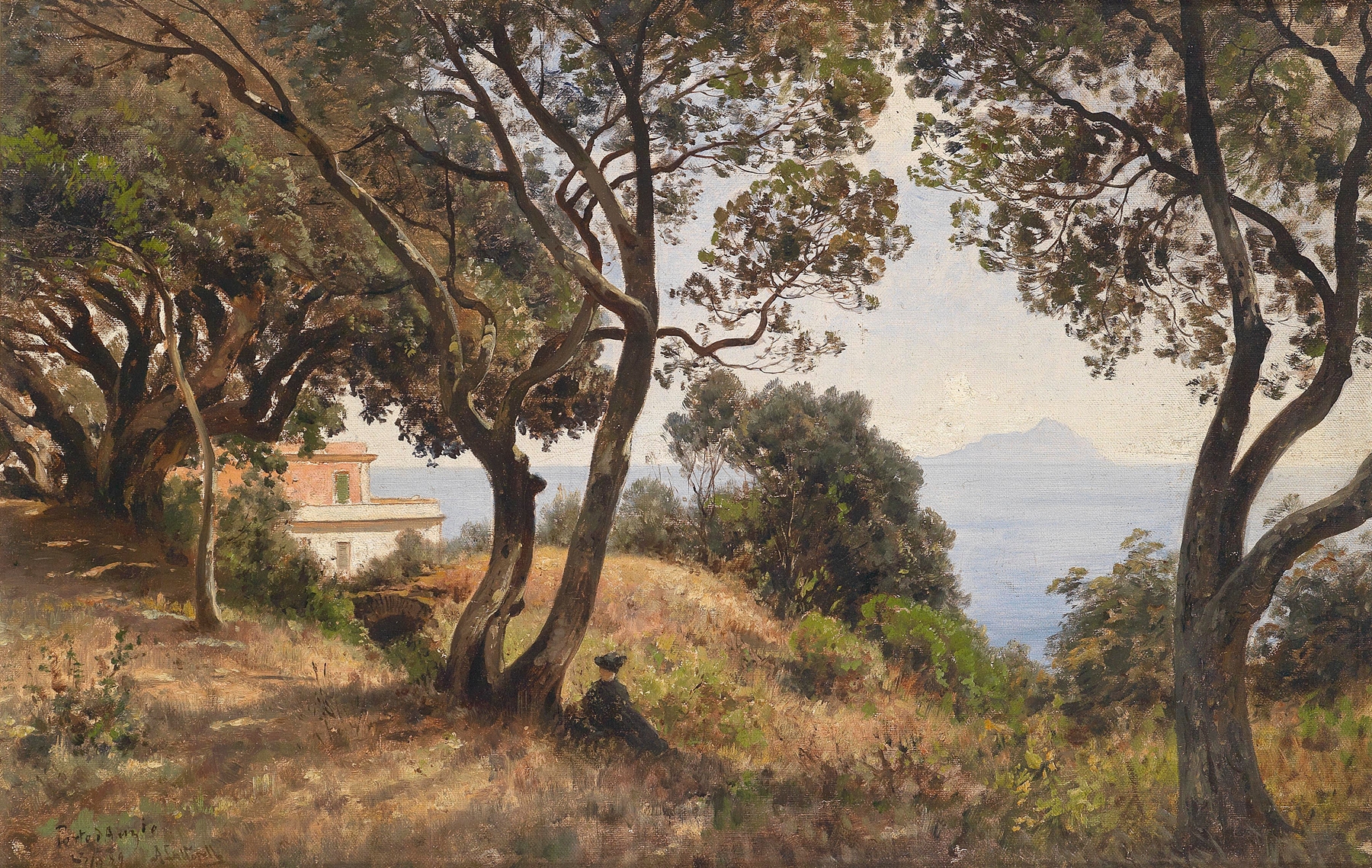
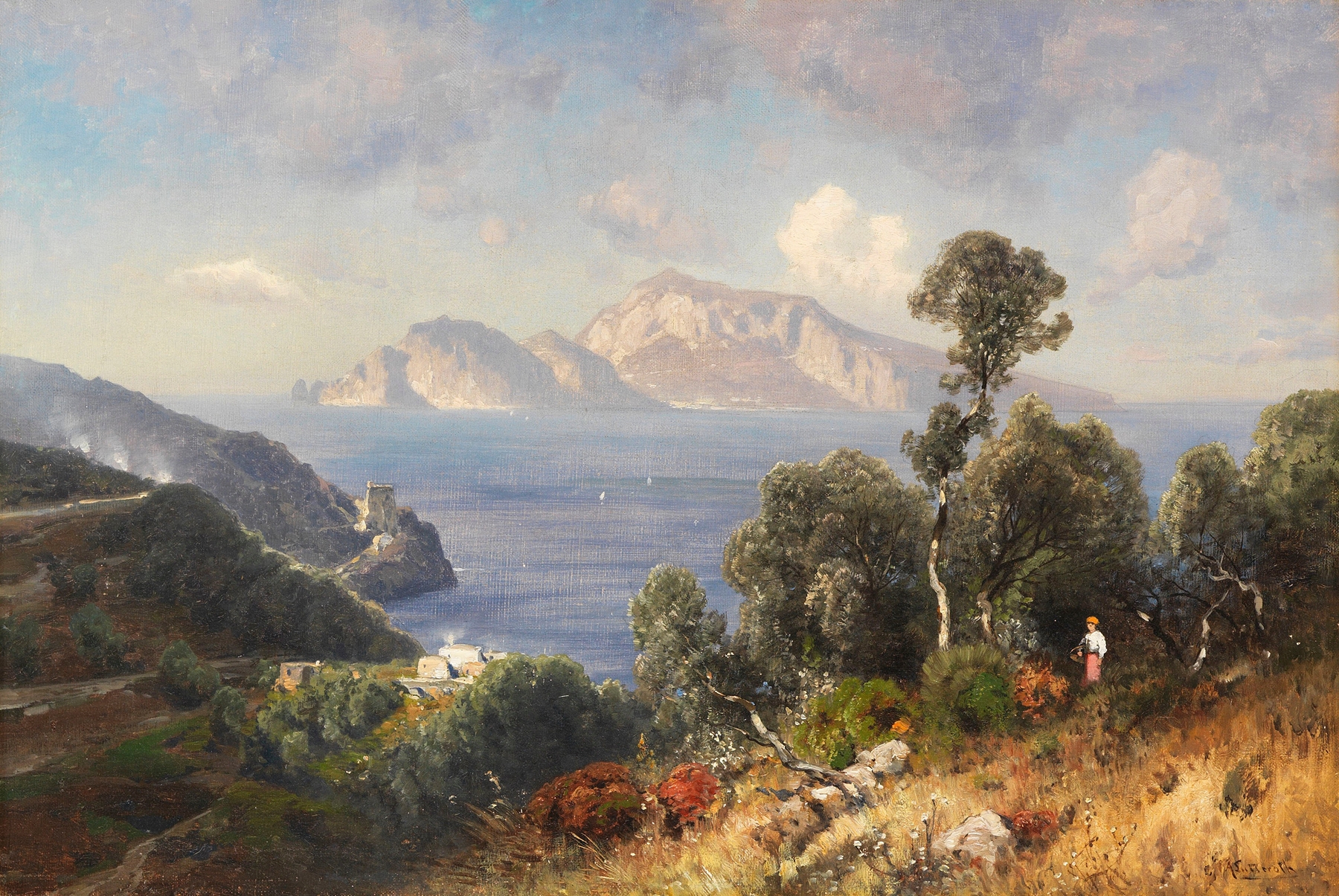
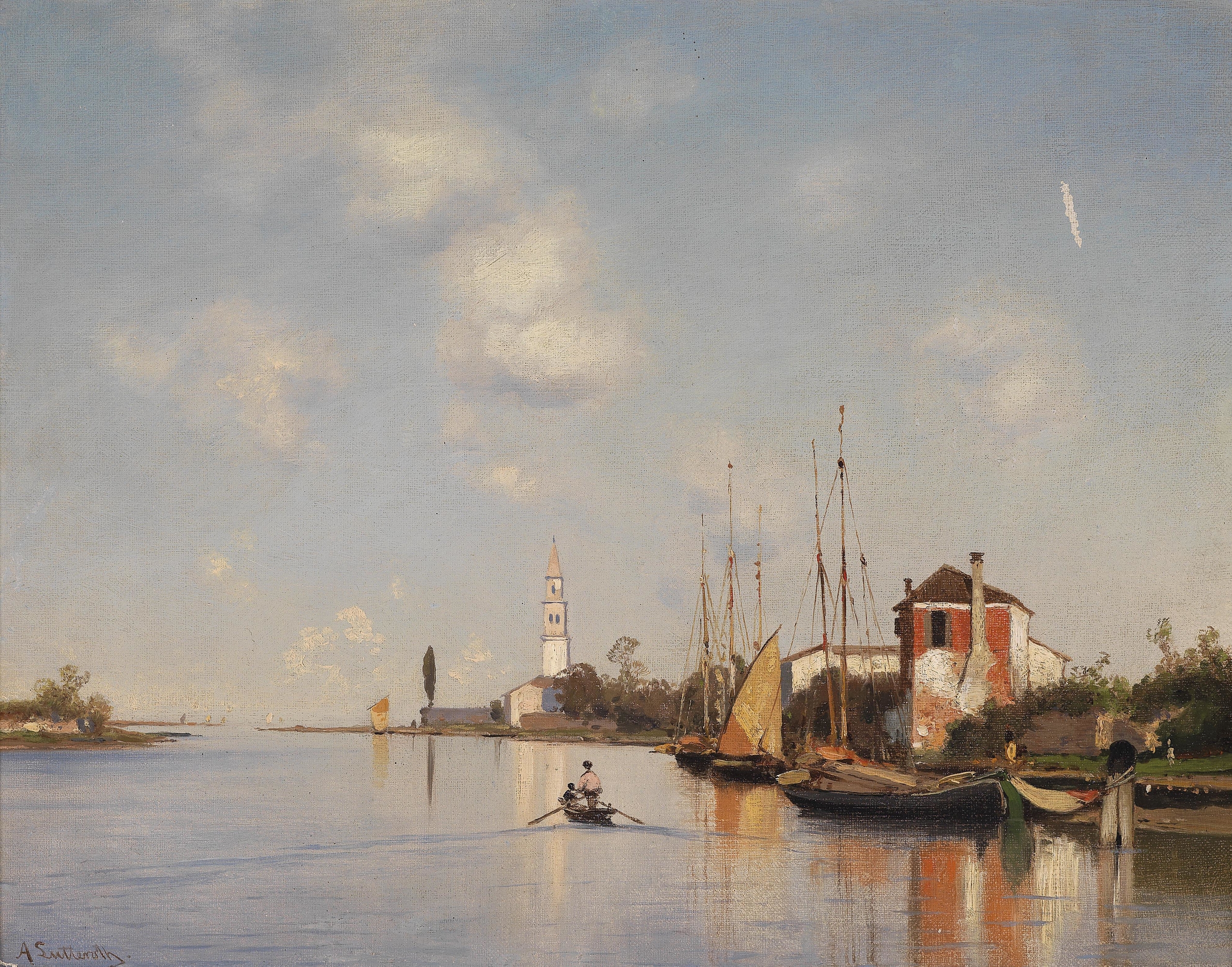
When did color learn to lie? In a world where pigment dances at the edge of truth and deception, the void between perception and reality beckons us to explore deeper meanings. Look to the foreground, where a serene riverbank unfolds, inviting the viewer to linger. The colors are striking yet elusive, oscillating between the vibrant greens of the foliage and the still, murky blues of the water. Notice how the brushstrokes create a sense of movement, as if the leaves flutter in a soft breeze while the water reflects an enigmatic sky.
The meticulous detail contrasts with a broader impression, drawing us into a meditative gaze upon the shimmering surface. As you immerse yourself in this tranquil landscape, consider the tension between the idyllic beauty and the underlying void it represents. The interplay of light and shadow creates a haunting atmosphere that speaks to the loneliness often found in nature. Here, the river serves as a metaphor for life’s transience, urging the viewer to confront the silence that resides beneath its surface.
Each brushstroke seems to echo whispers of unspoken thoughts, inviting reflection on existence itself. In 1887, Ascan Lutteroth painted this evocative piece in Germany, during a period of artistic transition marked by a burgeoning interest in naturalism. Influenced by the Romantic and Impressionist movements, he sought to capture the essence of the landscape while exploring emotional depths. As he navigated the evolving world of art, Am Ufer von Sturla emerged as a testament to both beauty and the unsettling void that can linger beyond the visible.