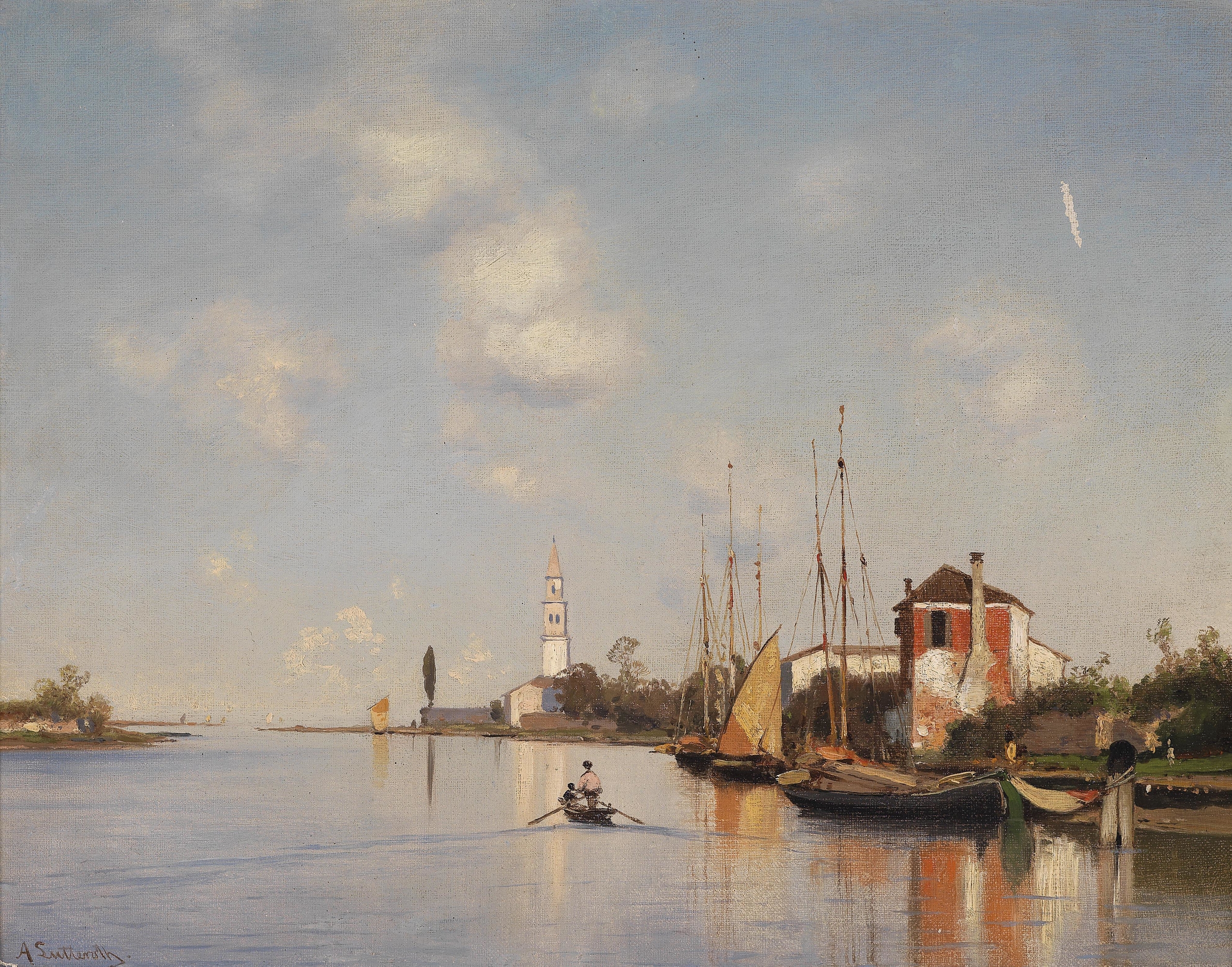
Venice, View Of St. Mark’s Square — History & Analysis
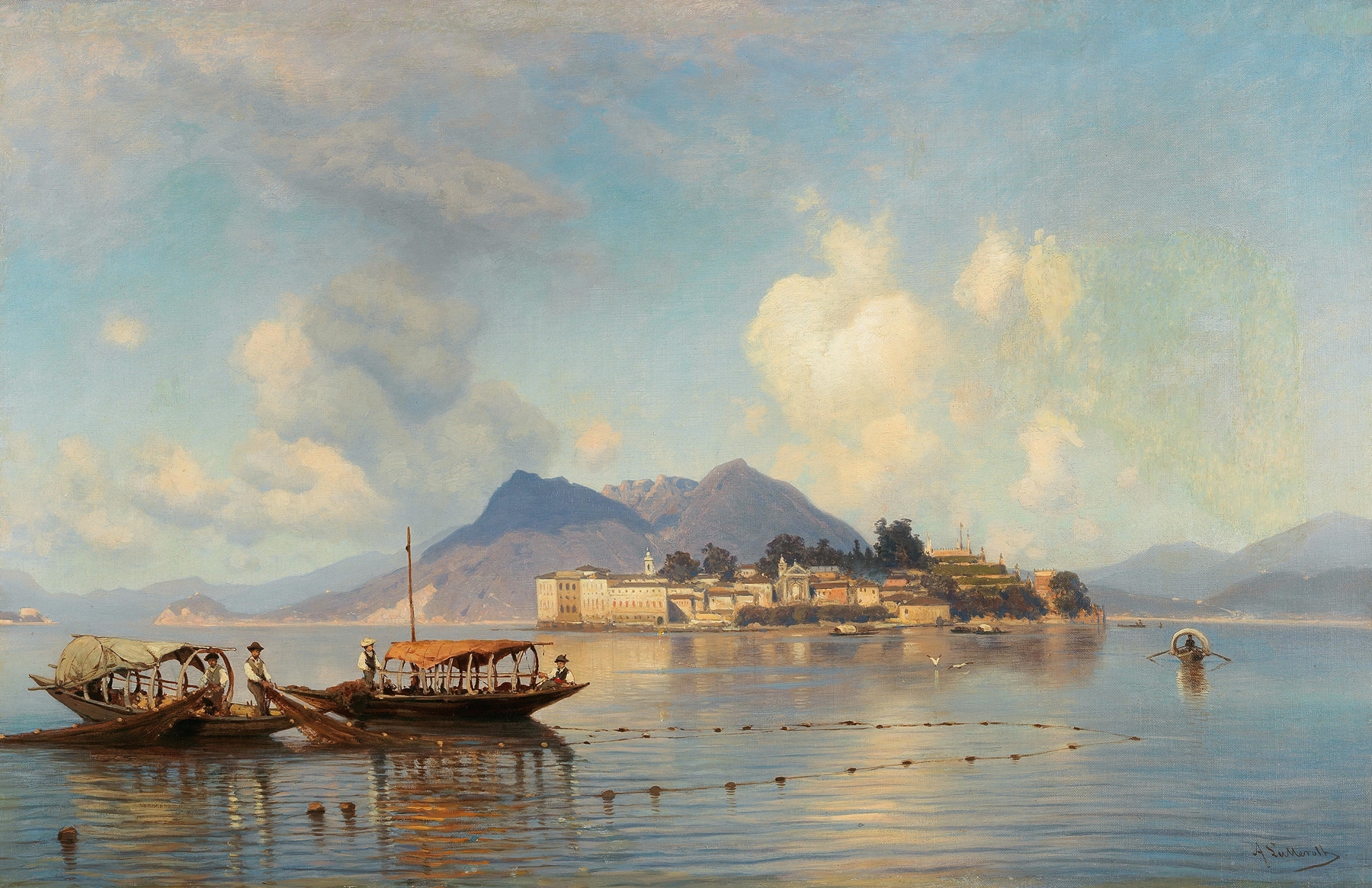
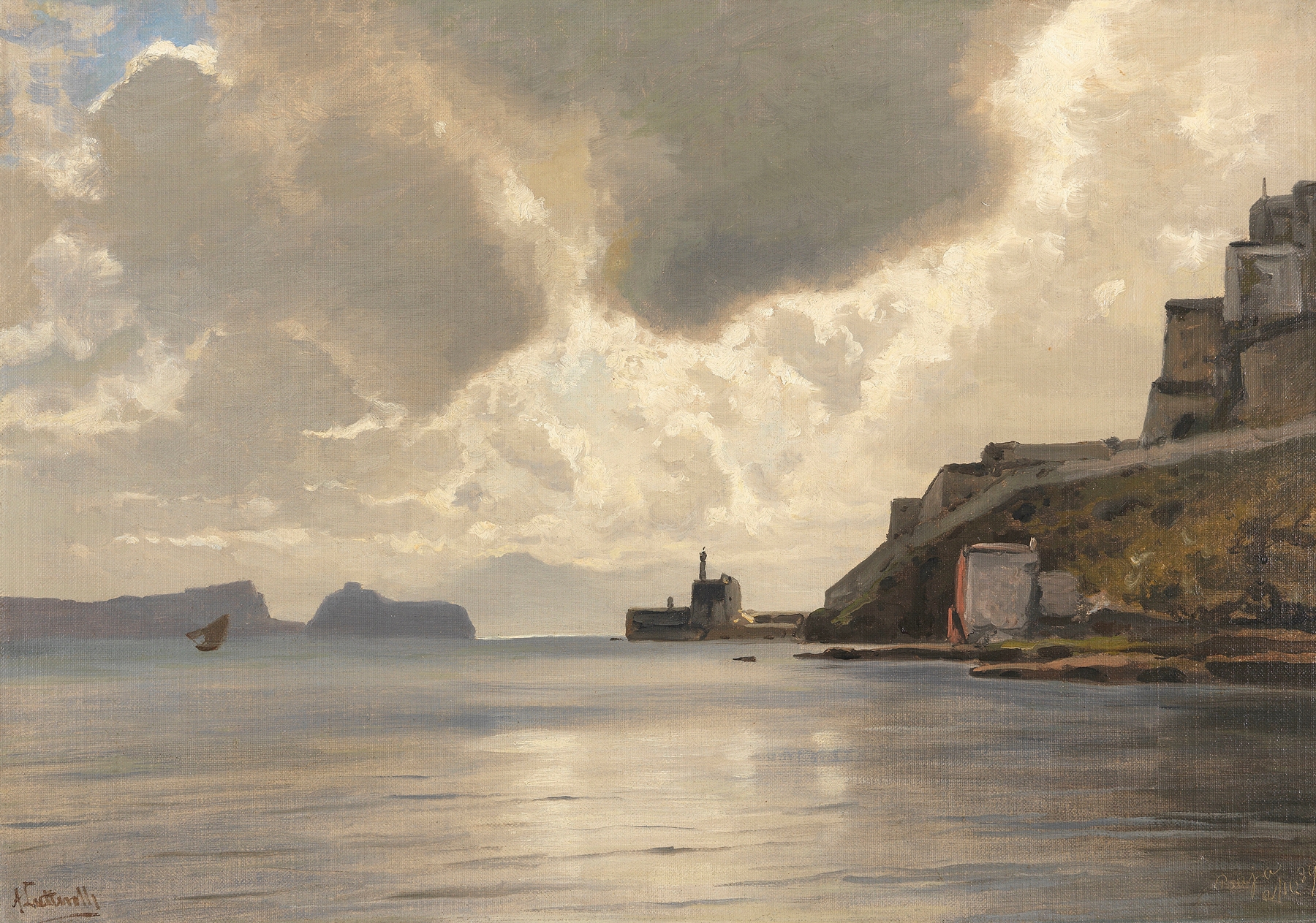
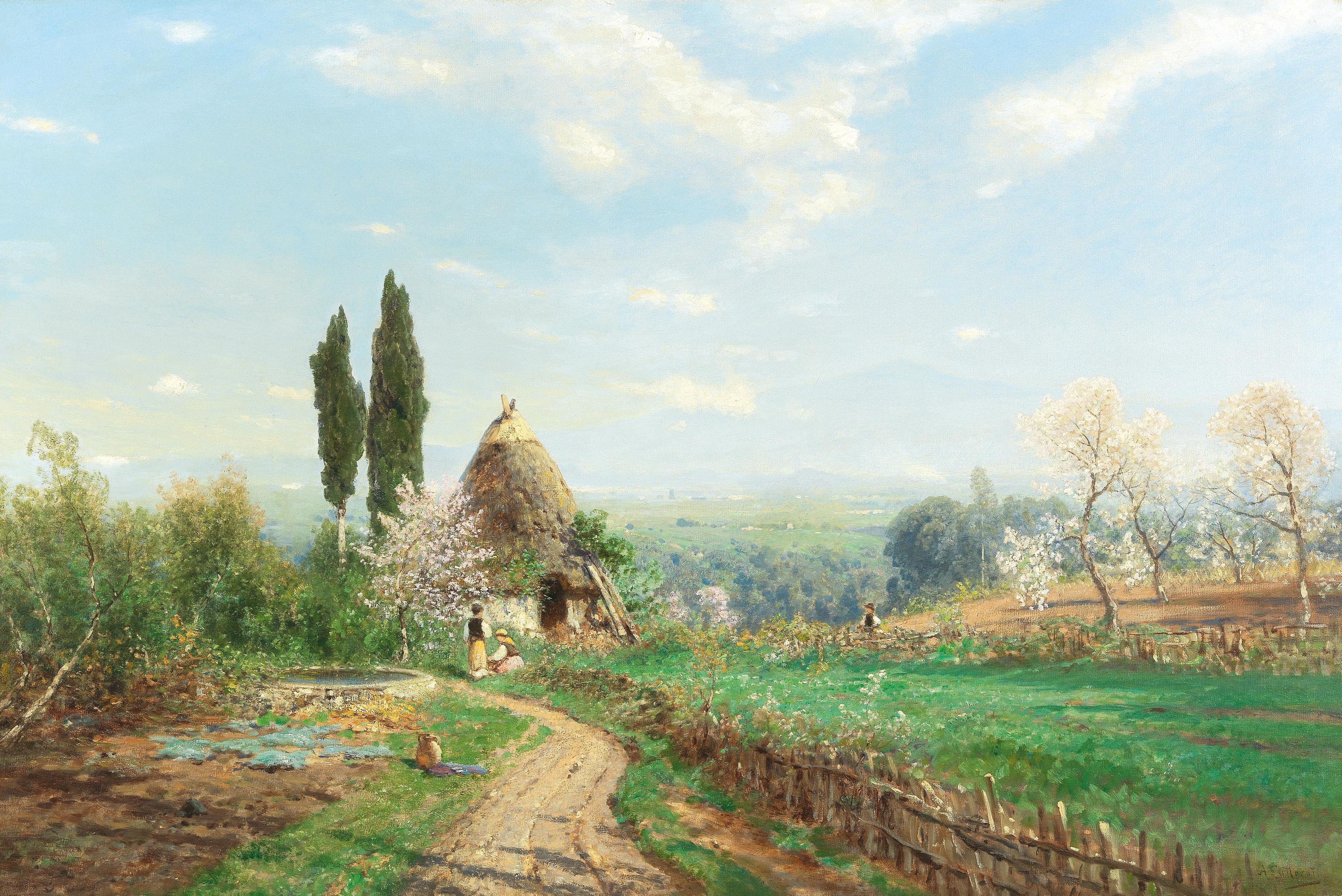
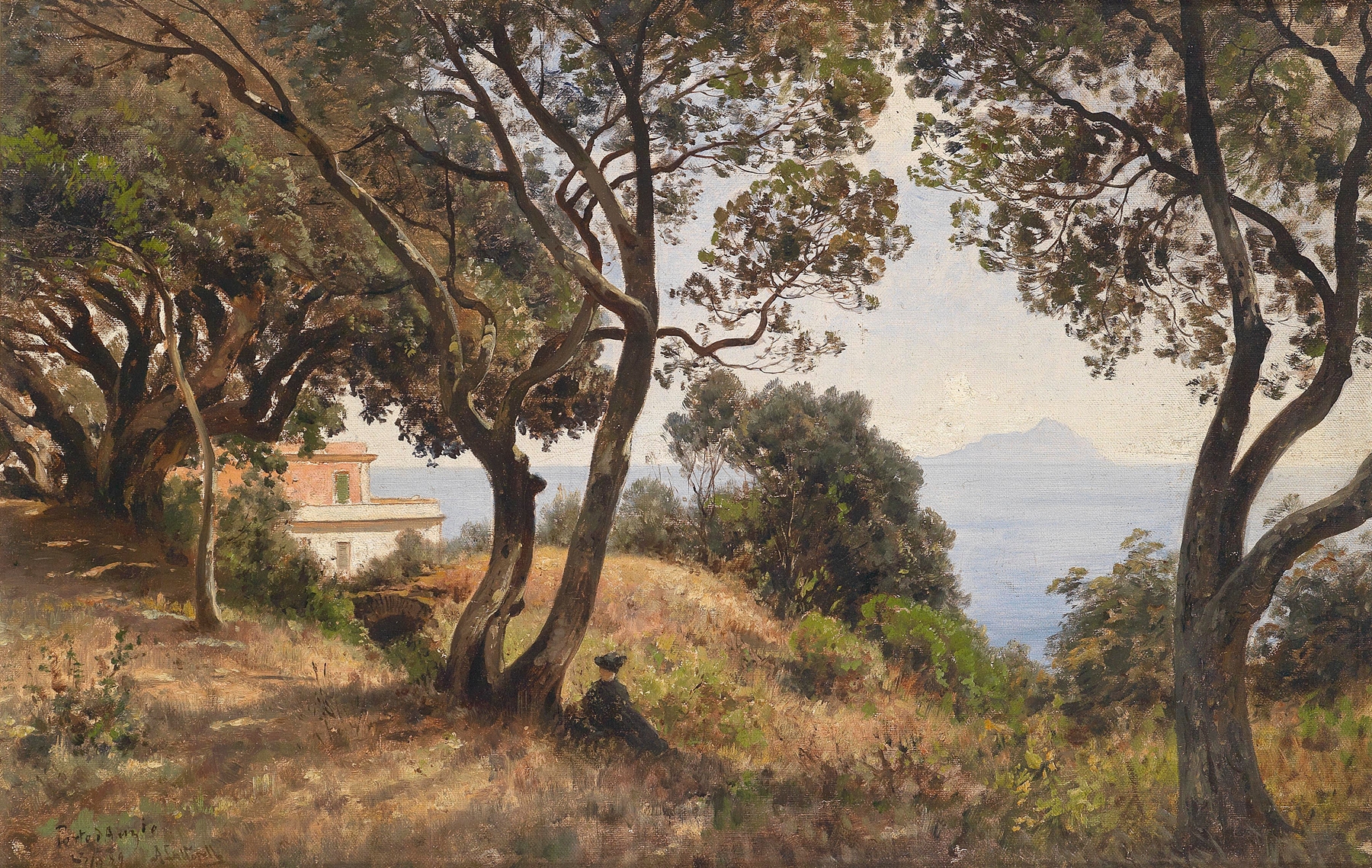
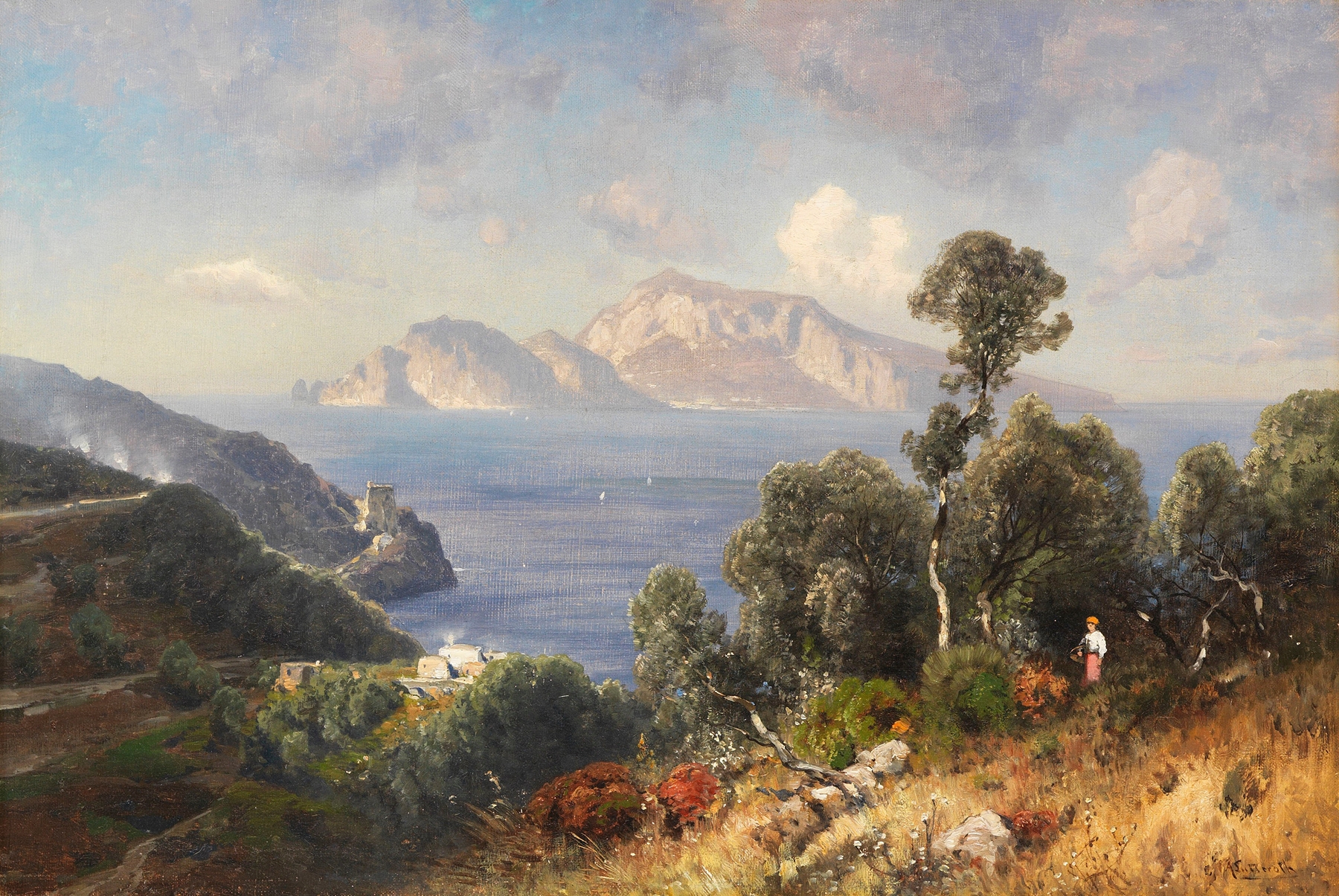
“Art reveals the soul when the world turns away.” In the quiet corners of memory, a scene unfolds, painted with the whispers of nostalgia and longing. It captures not merely a place but the essence of time, a fleeting moment suspended in the charm of a bygone era. Focus first on the sweeping expanse of St. Mark’s Square, where soft hues blend into a serene palette of blues and golds.
The gentle touch of sunlight bathes the historic architecture, illuminating intricate details of the basilica while shadows dance beneath the archways. Notice how the brushstrokes evoke a sense of movement in the rippling waters of the nearby canal, enhancing the scene’s vibrancy and inviting you to wander through its depths. Delve deeper into the composition, where the juxtaposition of bustling life against a tranquil backdrop signifies the delicate balance between chaos and serenity. The figures scattered throughout the square, each lost in their own reverie, evoke a sense of connection to the past, reflecting on their own stories.
It speaks to the viewer's heart, stirring feelings of nostalgia for places that evoke personal history, blending the collective memory of Venice with individual experiences. Ascan Lutteroth painted this piece during an undefined period, likely amidst the artistic fervor of the 19th century when Romanticism embraced the allure of landscapes and urban scenes. Living in Europe during a time of significant cultural shifts, he sought to capture the essence of iconic locations, finding inspiration in the timeless beauty of Venice, a city that continues to enchant artists and dreamers alike.