An der Donauregulierung — History & Analysis
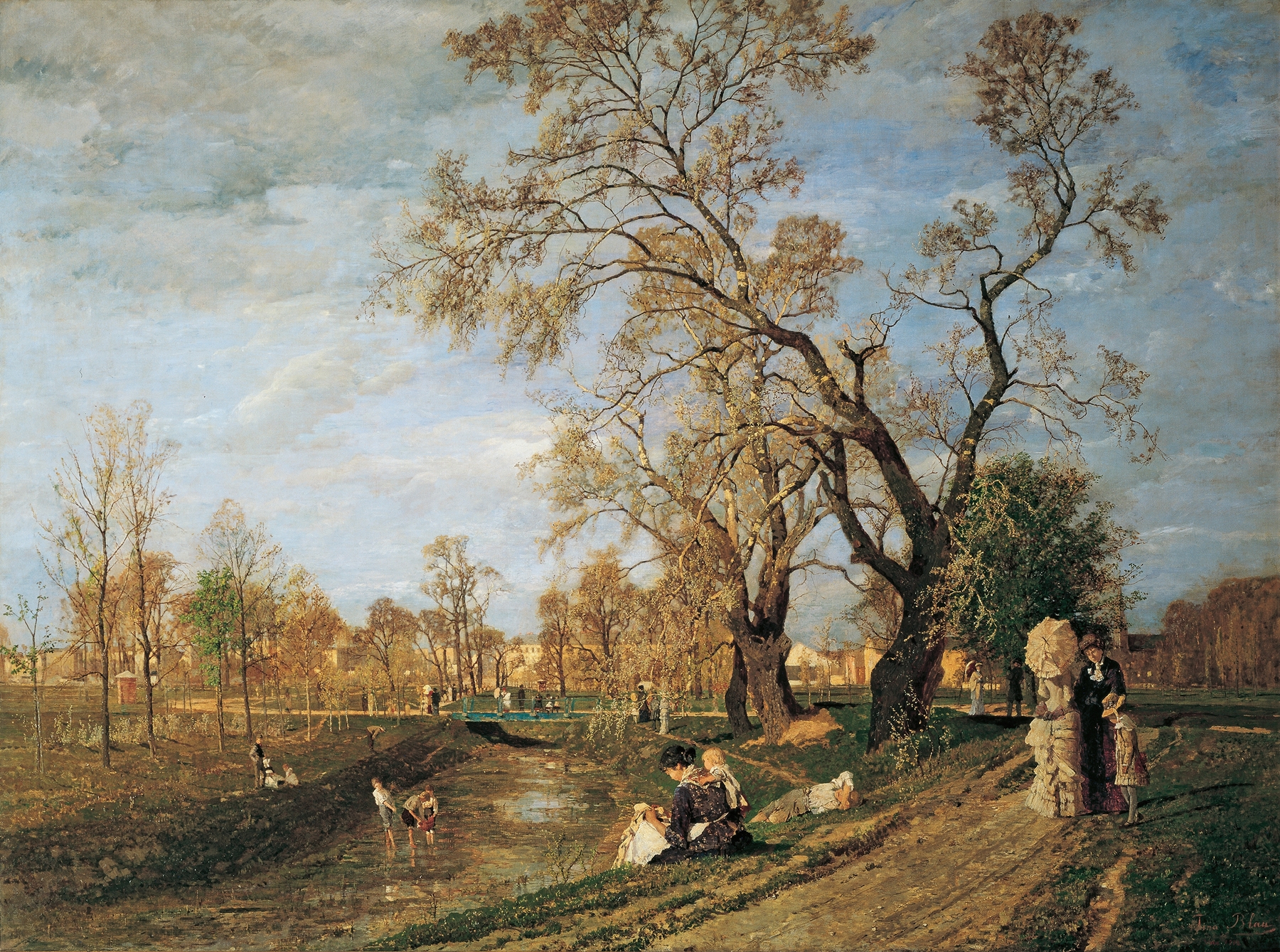
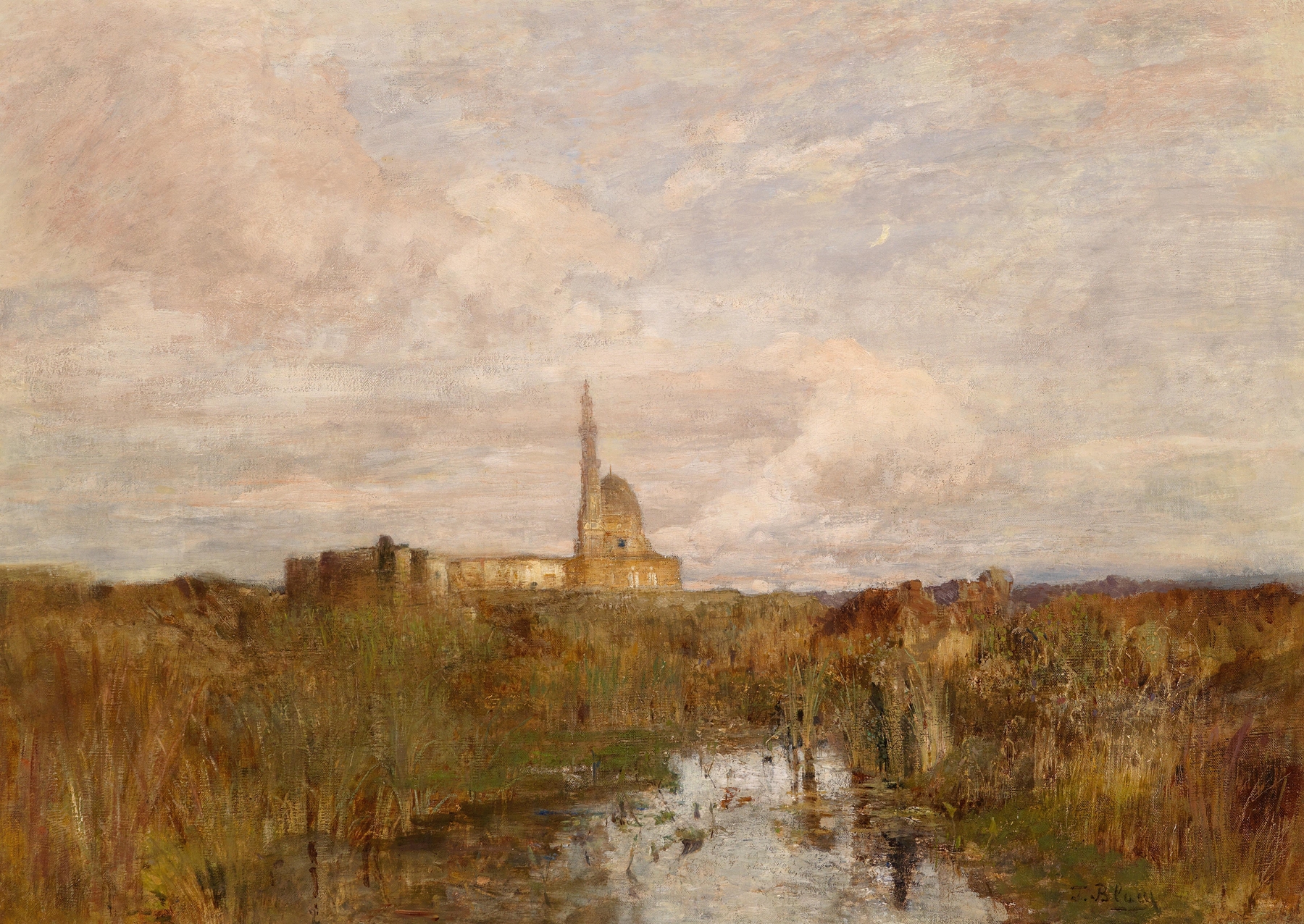
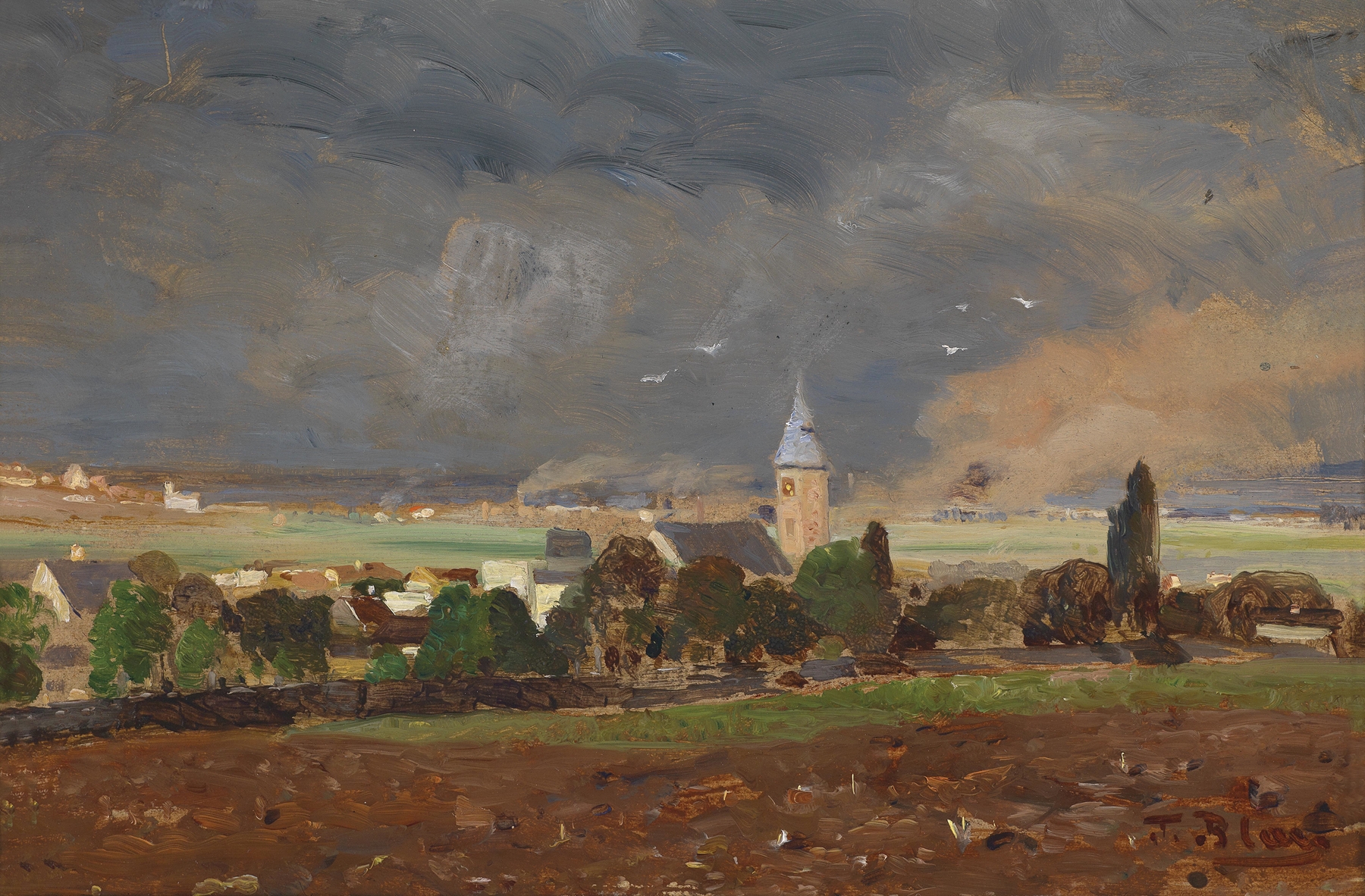
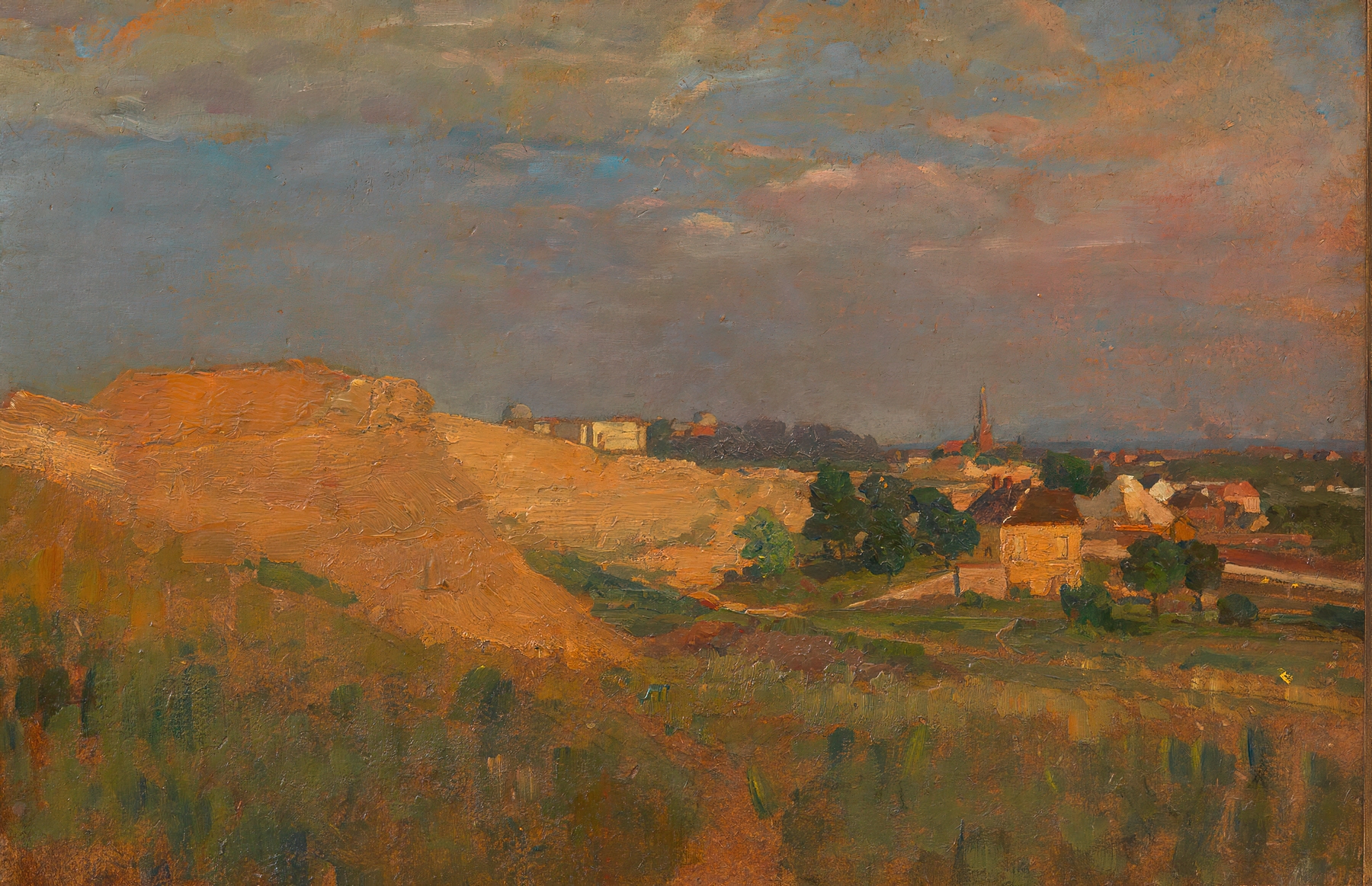
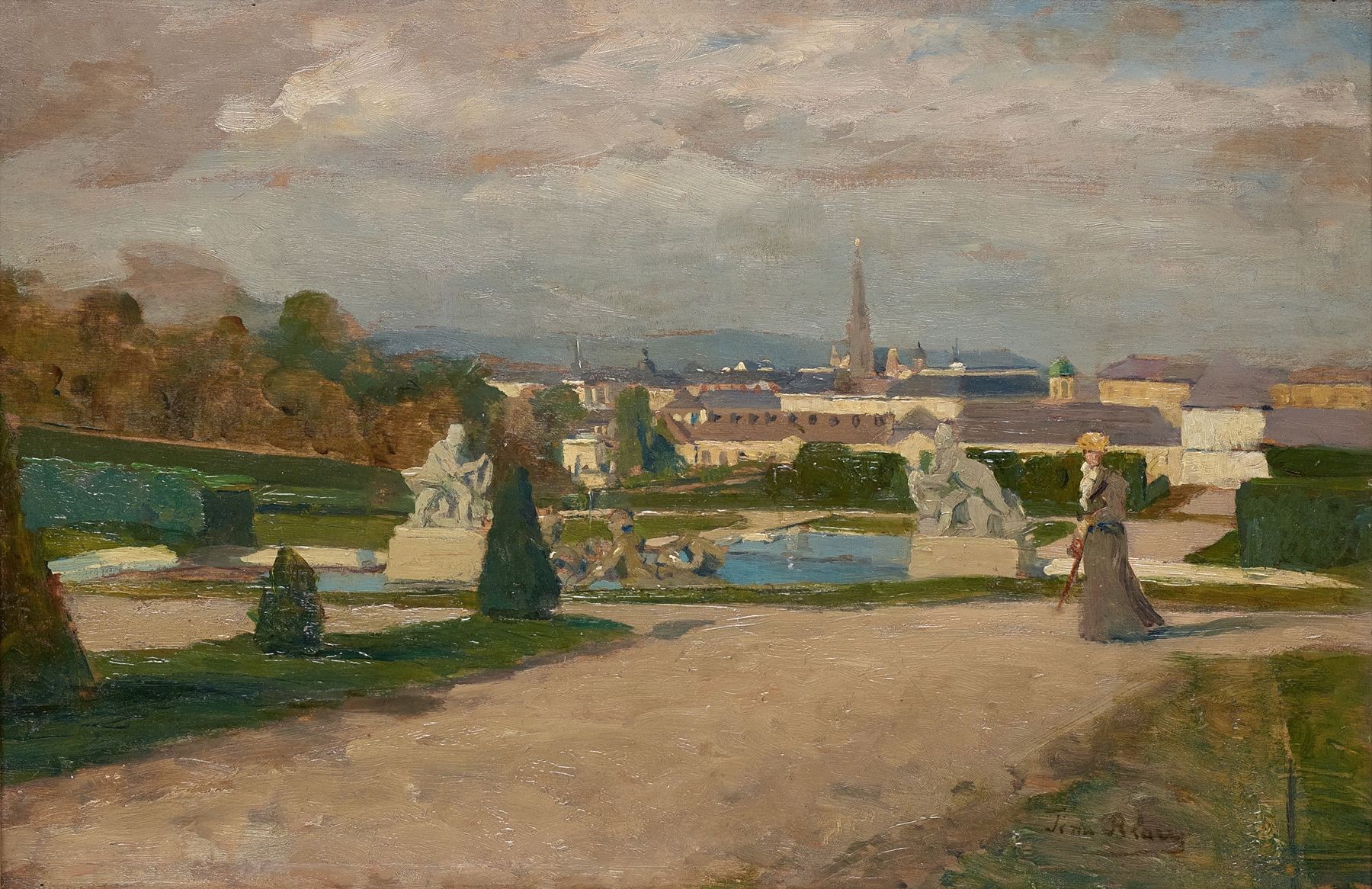
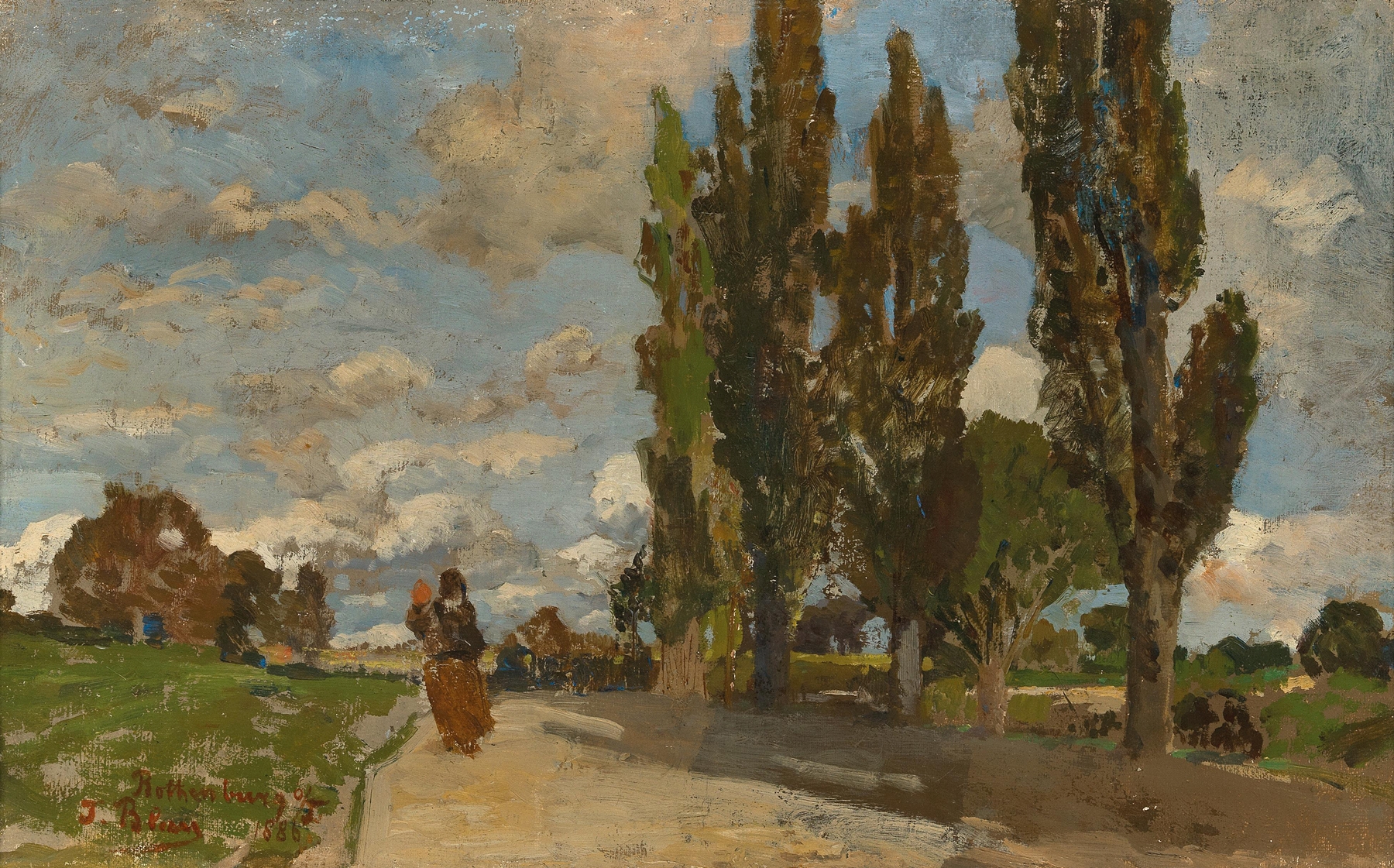
Who listens when art speaks of silence? In An der Donauregulierung, the canvas becomes a stage where the flowing river whispers tales of transformation and the quiet resolve of nature’s hand. Look to the center of the composition, where the Danube weaves gracefully through the landscape, its shimmering surface capturing the light of a soft, overcast sky. Notice how the delicate brushstrokes create a sense of movement in the water, contrasting with the sturdy, precise lines of the trees lining the riverbank.
The muted palette, dominated by greens and browns, evokes a calm yet vibrant atmosphere, inviting viewers to linger in its serene beauty. Delve deeper and observe the subtle tension between the natural elements and the human endeavor represented by the figures working along the river. This scene captures a moment of coexistence — the industriousness of mankind harmonizing with the timeless flow of the water. The soft contours of the landscape suggest the passage of time, hinting at both the fragility and resilience of the environment as it adapts to change.
In 1872, Tina Blau painted this piece in Vienna, a city buzzing with artistic innovation and a burgeoning appreciation for landscape painting. Amidst the rise of the plein air movement, she sought to capture the interplay of nature and human activity, reflecting the era's growing fascination with the natural world and its preservation. Blau's work signifies not just a moment in her own artistic journey but also an essential chapter in the broader narrative of 19th-century art.