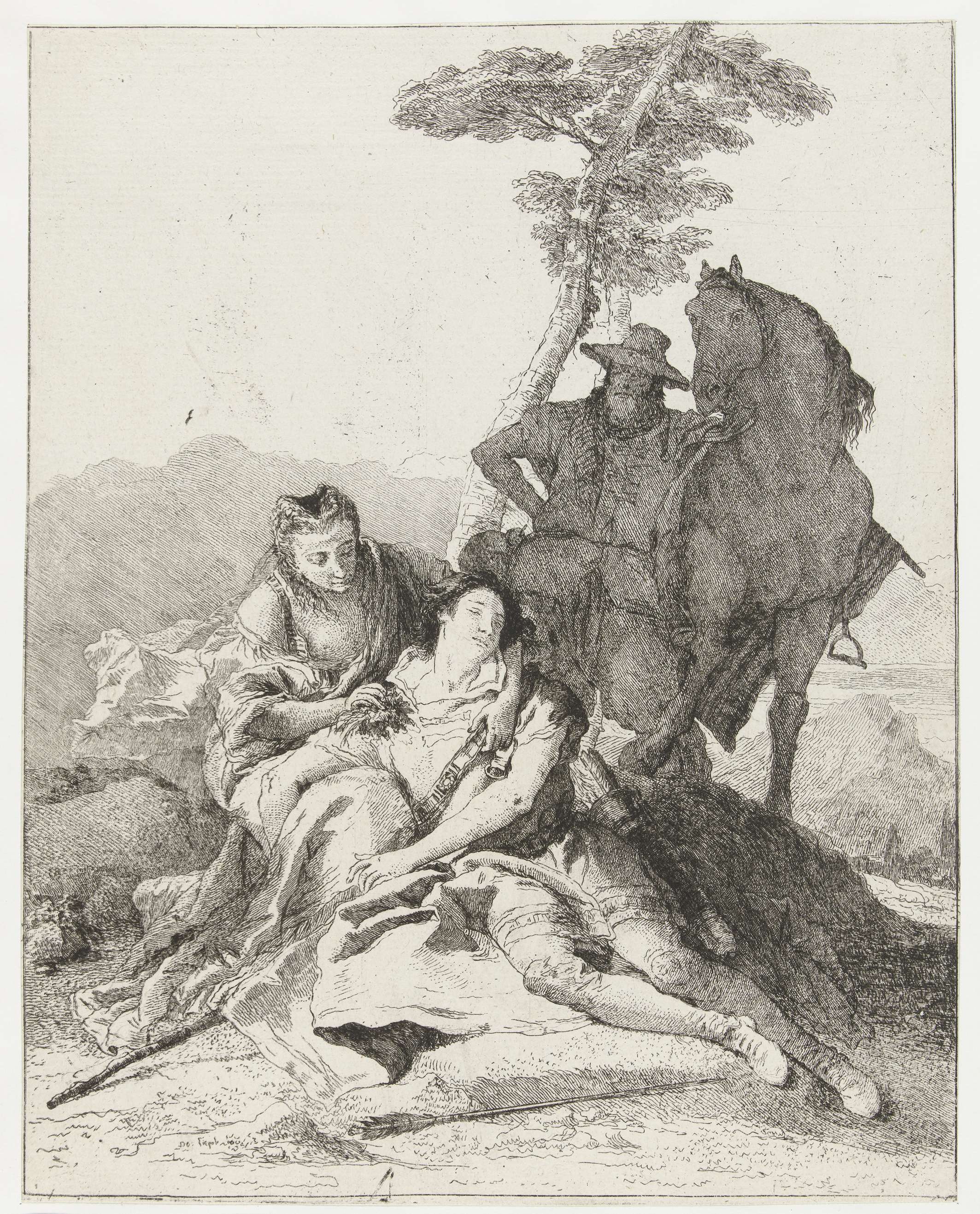
Angelica geneest de wond van Medoro — History & Analysis
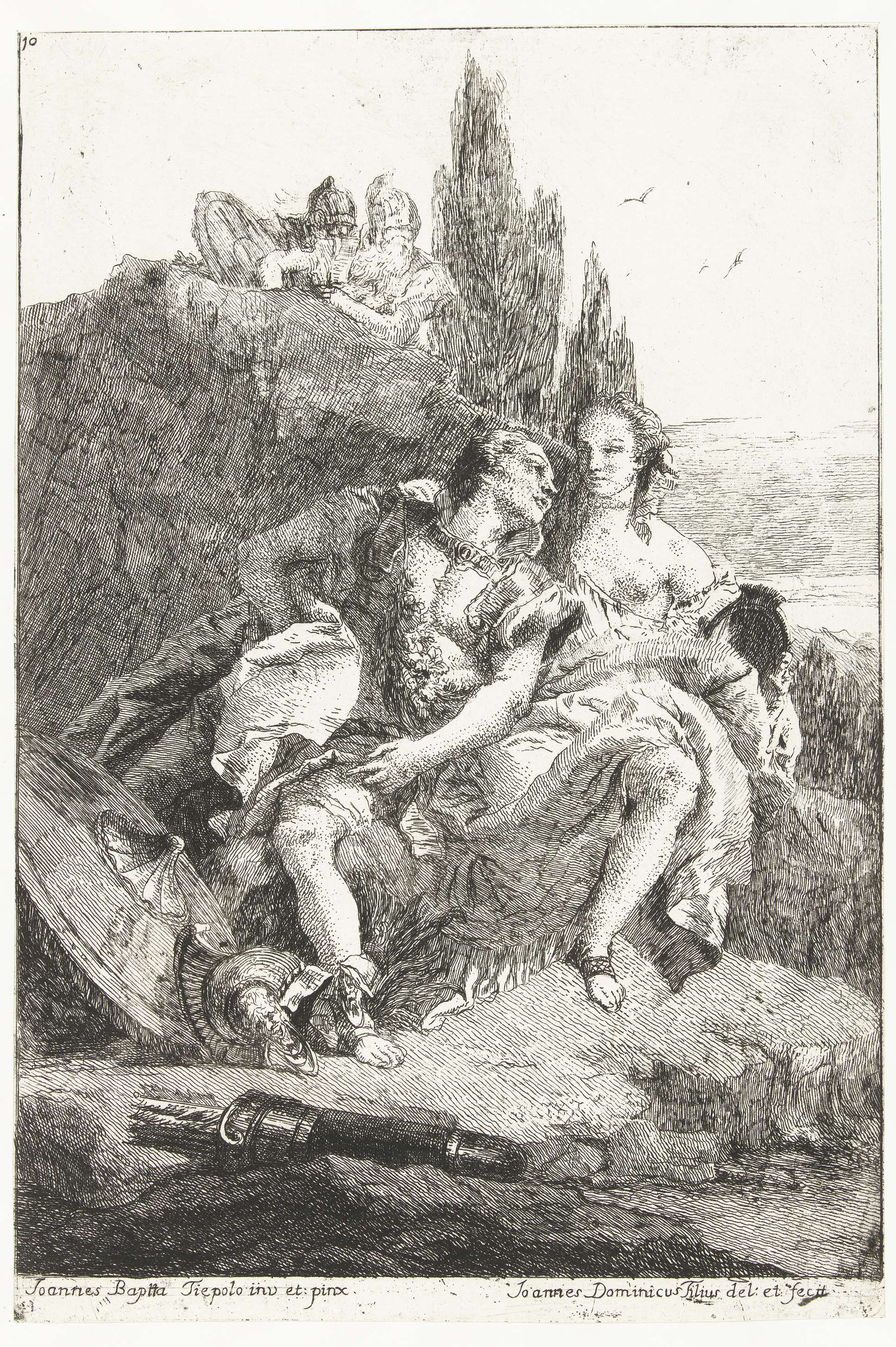
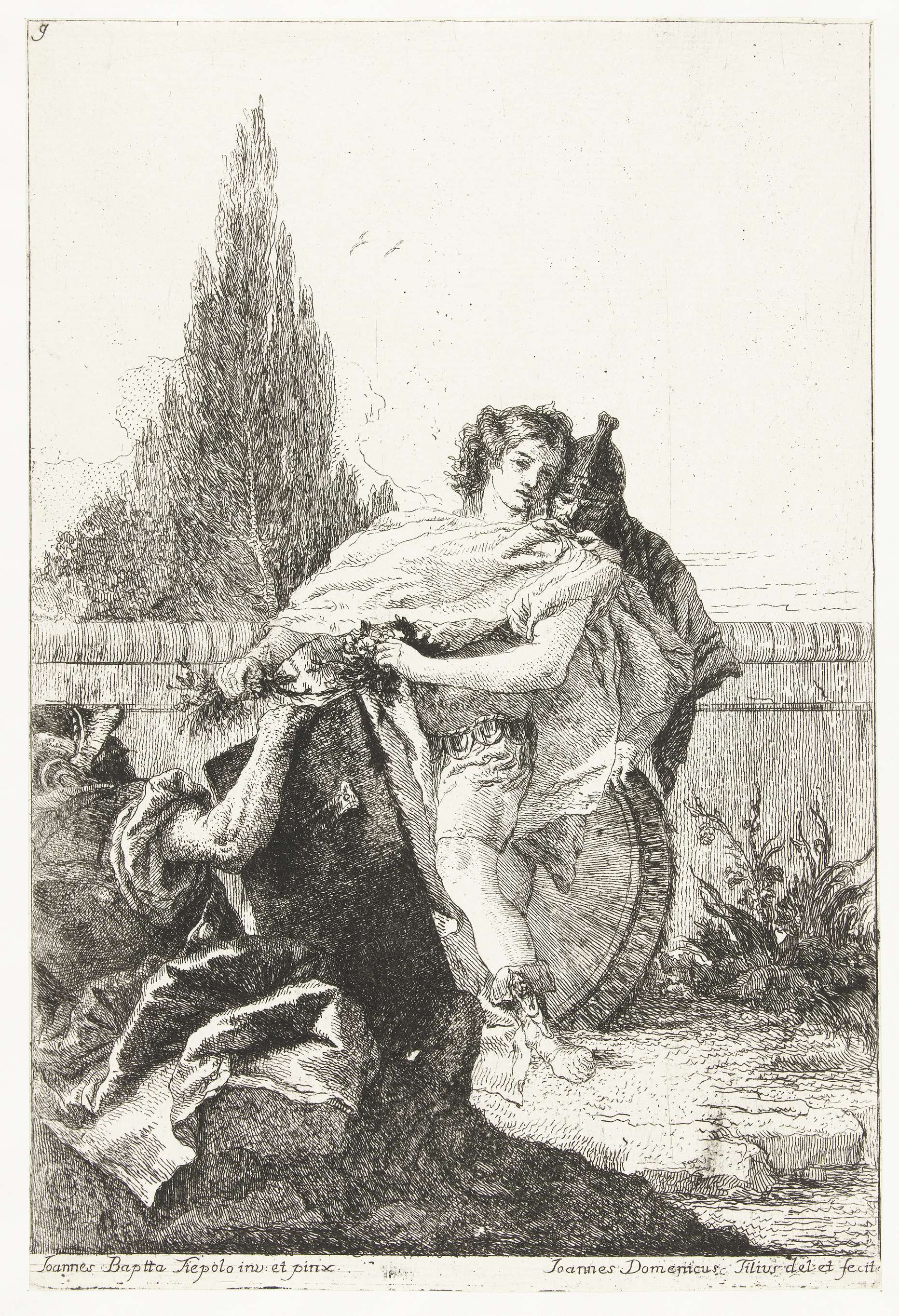
What if silence could speak through light? In Angelica geneest de wond van Medoro, the delicate interplay of illumination and shadow transcends mere representation, inviting the viewer into a moment suspended between the earthly and the divine. Look to the left at the figure of Angelica, her gentle hands poised over the wounded Medoro, bathed in luminous light that seems to emanate from within. The soft, pastel palette envelops the scene, creating a harmony that contrasts sharply with the heavy, dark drapery that frames the figures.
Notice how the ethereal glow enhances Angelica’s serene expression, as if she draws not only from her own strength but from the very light around her. The meticulous attention to details, such as the intricate folds of fabric and the subtle variations in skin tones, reveals the artist's mastery in capturing human emotion and the sanctity of the moment. Beneath the surface, the painting conveys a profound narrative of healing and love, suggesting that tenderness can mend even the deepest wounds. The contrast between Angelica’s nurturing presence and Medoro’s vulnerability evokes a timeless dialogue about compassion and sacrifice.
Additionally, the presence of nature in the background hints at the eternal cycle of life and renewal, amplifying the transcendence found within human connection. Giovanni Domenico Tiepolo painted this work between 1757 and 1760 during a period of significant personal and professional evolution in his life. Having grown up in the vibrant artistic environment of Venice, he was increasingly influenced by the larger Rococo movement while also carving out his distinct style. This period marked a transition where he began to embrace narrative complexities, reflecting the broader cultural shifts towards emotional depth in European art.