Ubaldo en Carlo verwijten Rinaldo zijn zwakte — History & Analysis
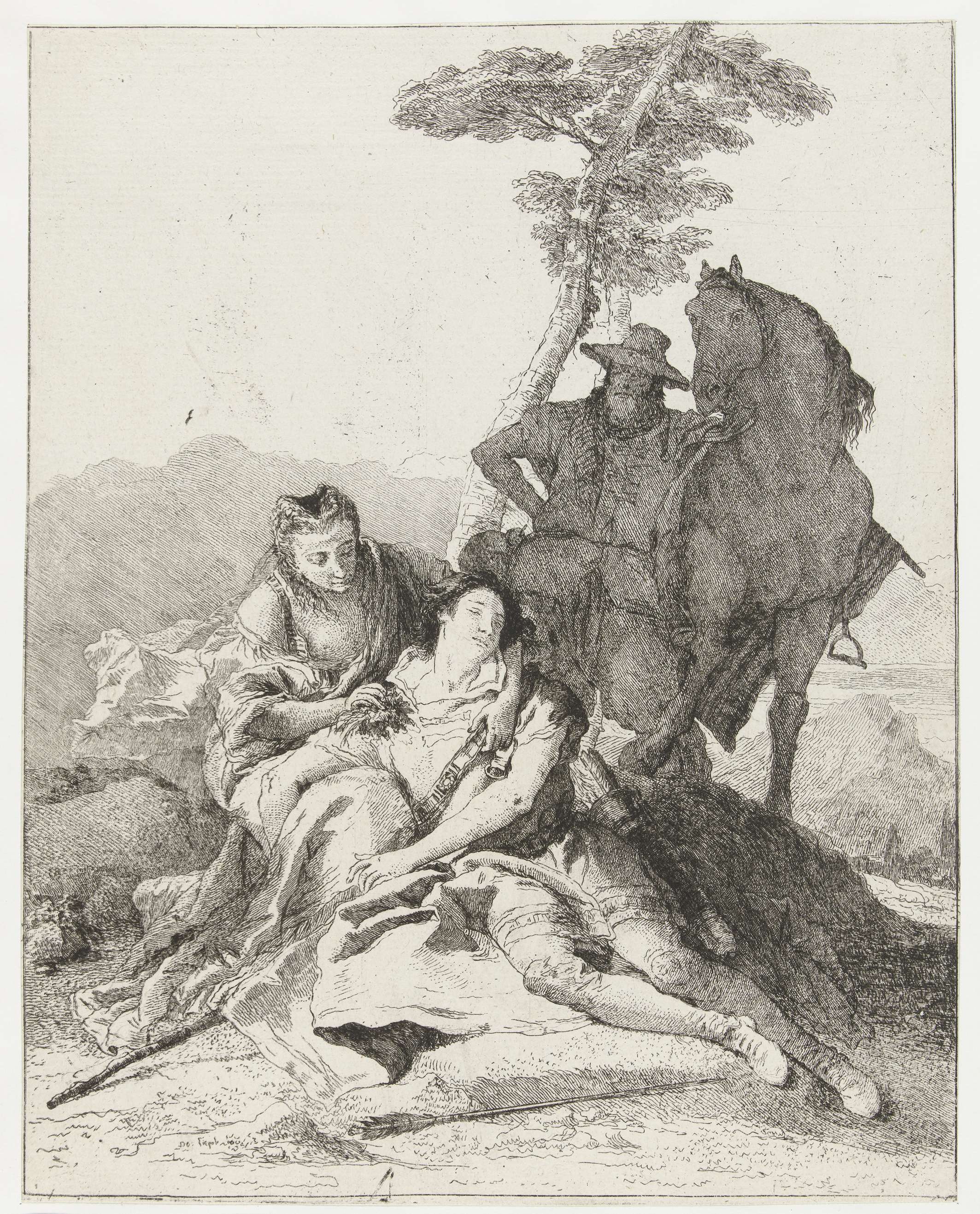
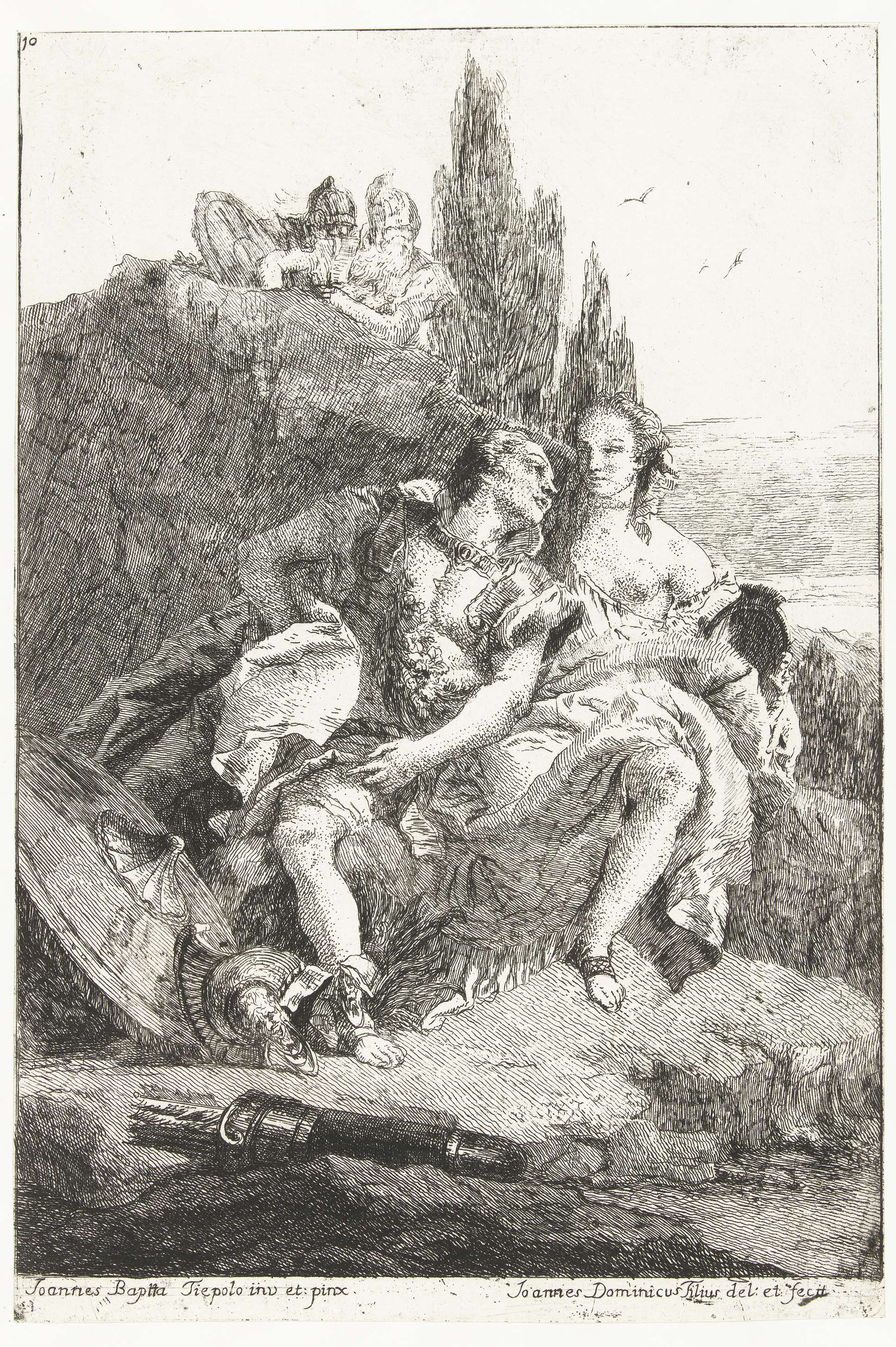
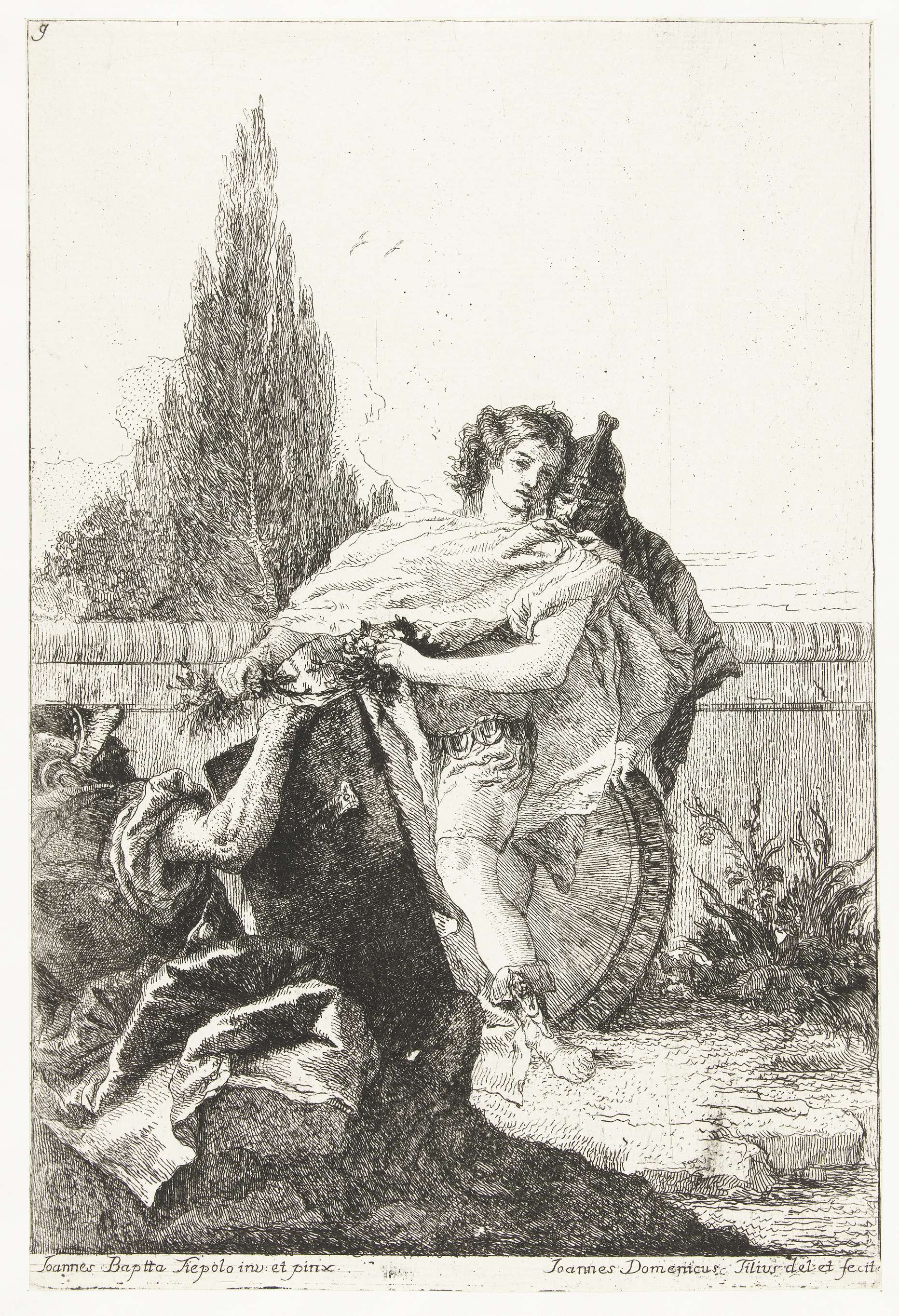
“Every silence here is a confession.” In the painted stillness, the tension of unspoken judgments and veiled criticisms becomes palpable, revealing the illusionary nature of strength and frailty. Look closely at the vibrant hues that envelop the figures; the deep reds and golds draw your gaze to the central confrontation. Notice how the light captures the intricate details of their attire, illuminating the ornate fabrics and contrasting shadows that hint at their emotional states. The expressions on their faces — a mixture of disdain and disbelief — invite you to explore the complexities of human relationships that lie beneath the surface, encouraging deeper contemplation.
As your eyes wander, the subtle gestures become significant. The positioning of Ubaldo’s hand, raised as if to emphasize his accusation, signals a power struggle masked by civility. In contrast, Rinaldo’s averted gaze suggests a vulnerability that contradicts the outward bravado. These elements reveal a layered narrative, where the illusion of authority crumbles in the wake of personal insecurities and hidden truths.
Giovanni Domenico Tiepolo painted this work in 1775 amidst a backdrop of changing artistic ideals. Working in Venice, he was part of a family dynasty of artists that influenced the Rococo style, yet he sought to bridge tradition with the emerging neoclassical values. This painting reflects not only the social dynamics of his time but also his artistic evolution, as he confronted the tension between opulence and authenticity in both art and life.