Man met ontblote schouder — History & Analysis
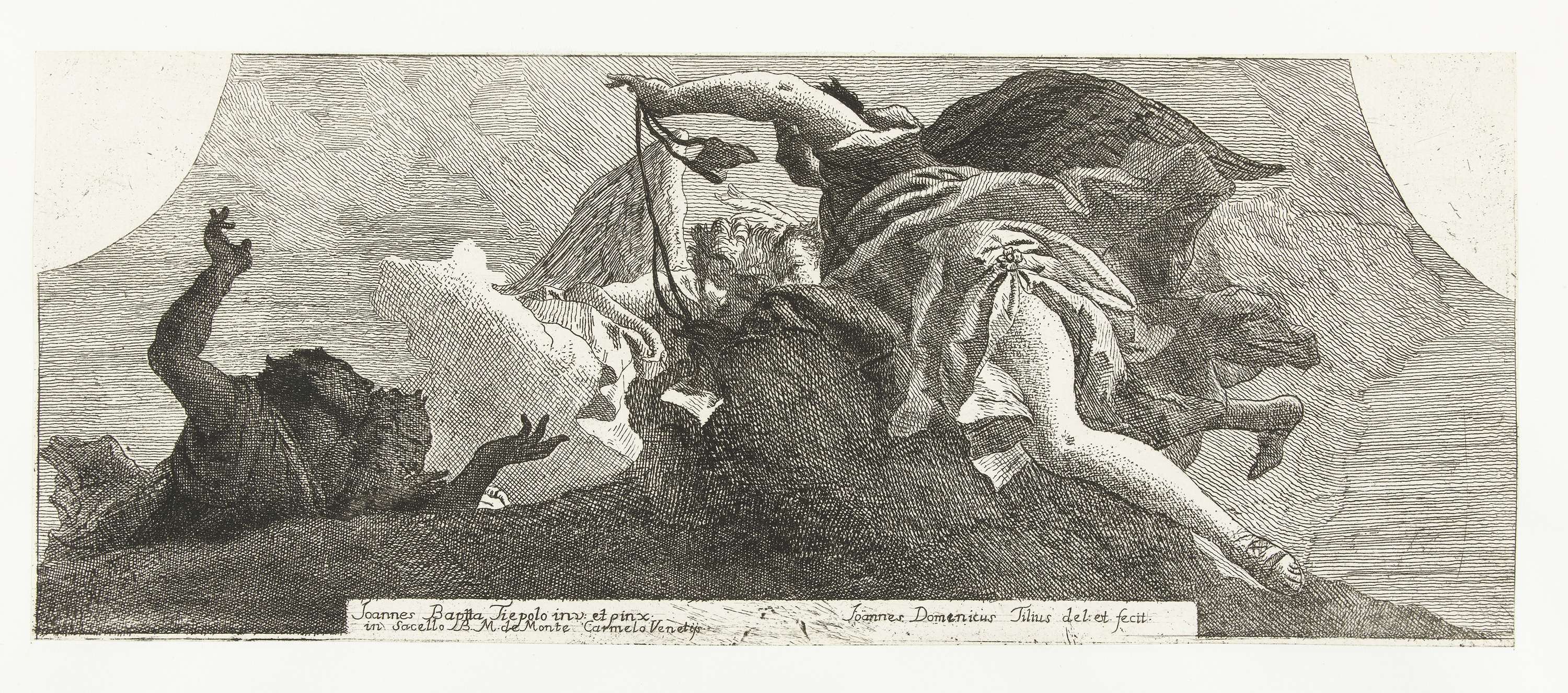
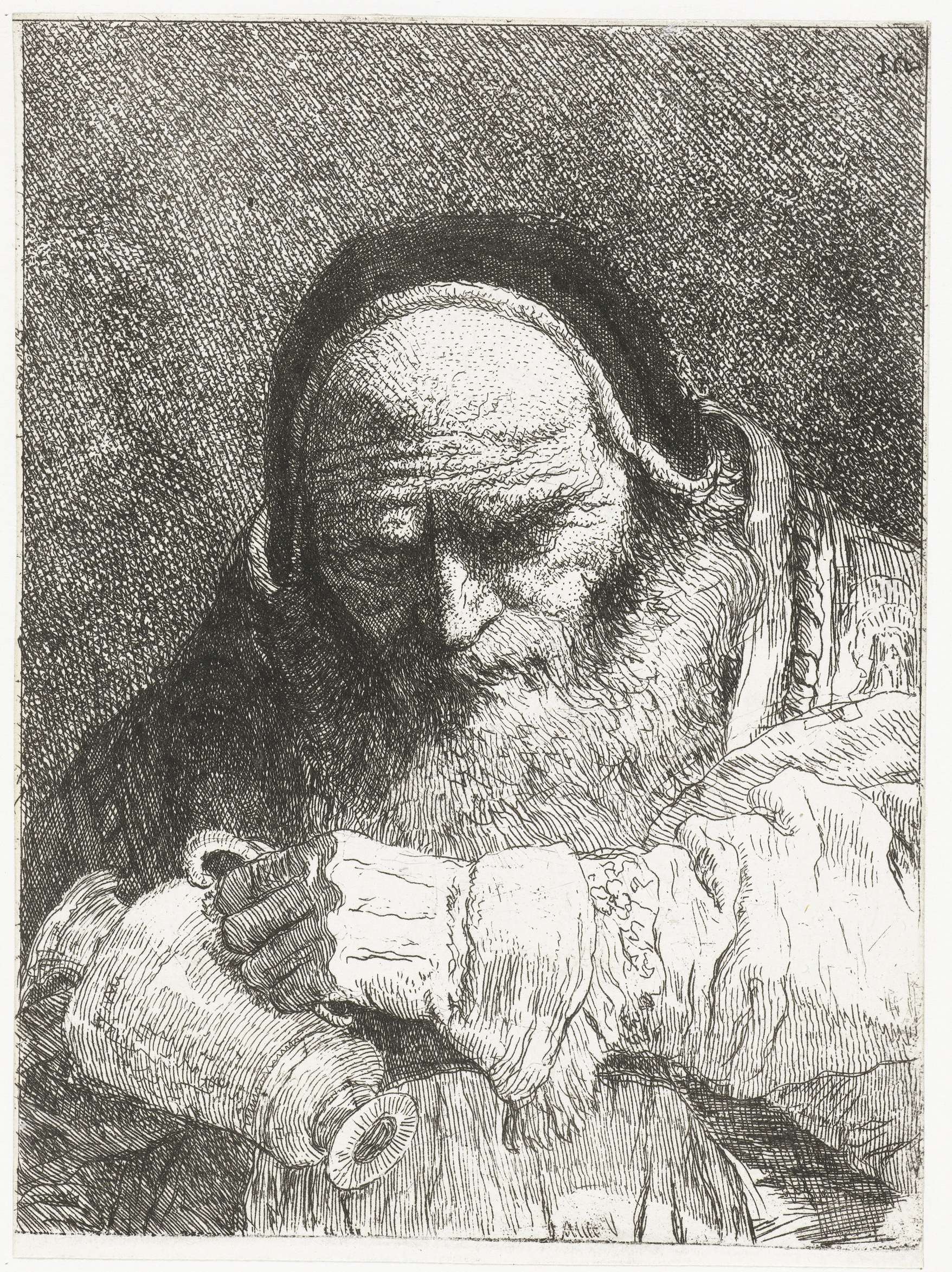
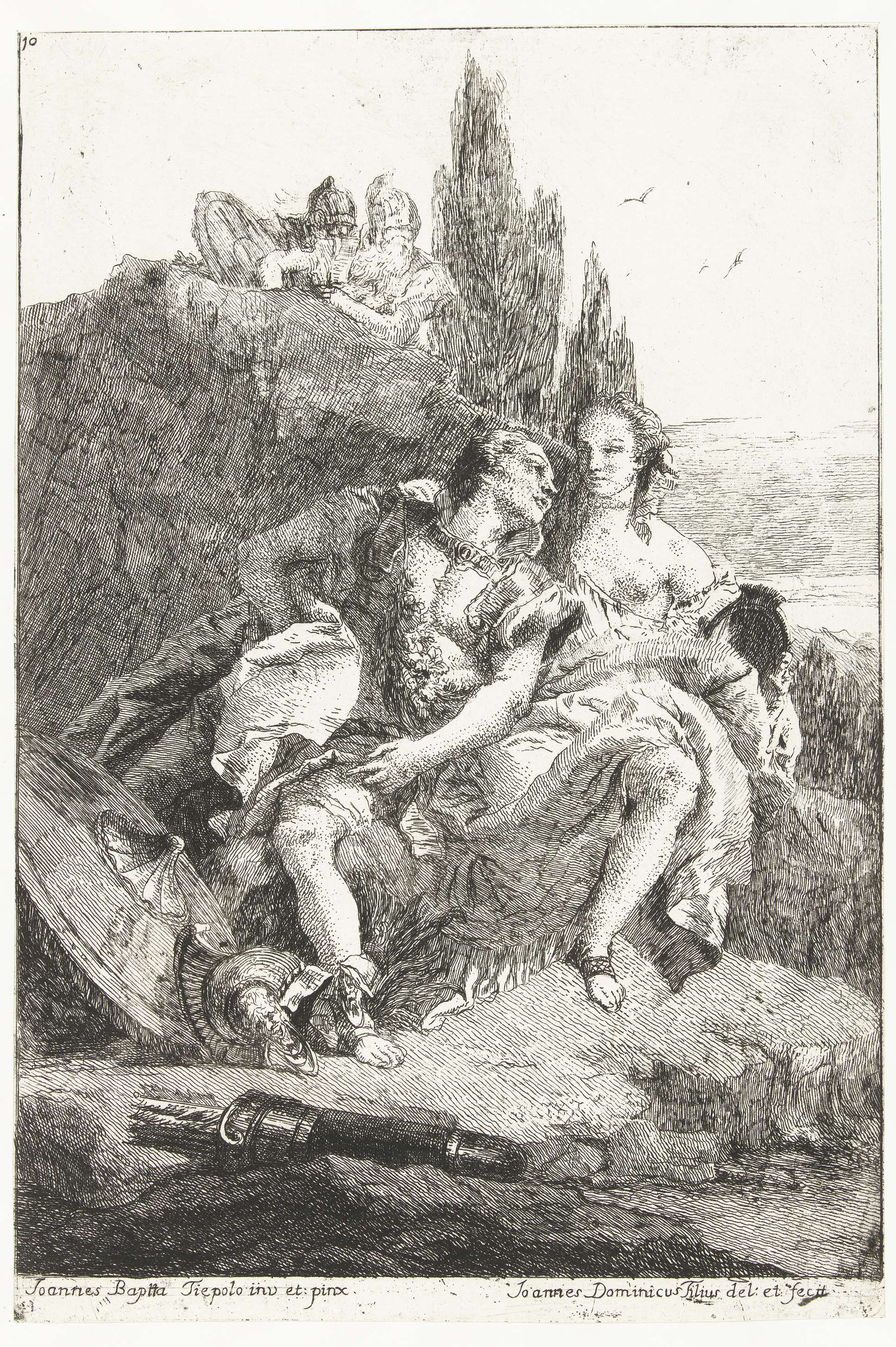
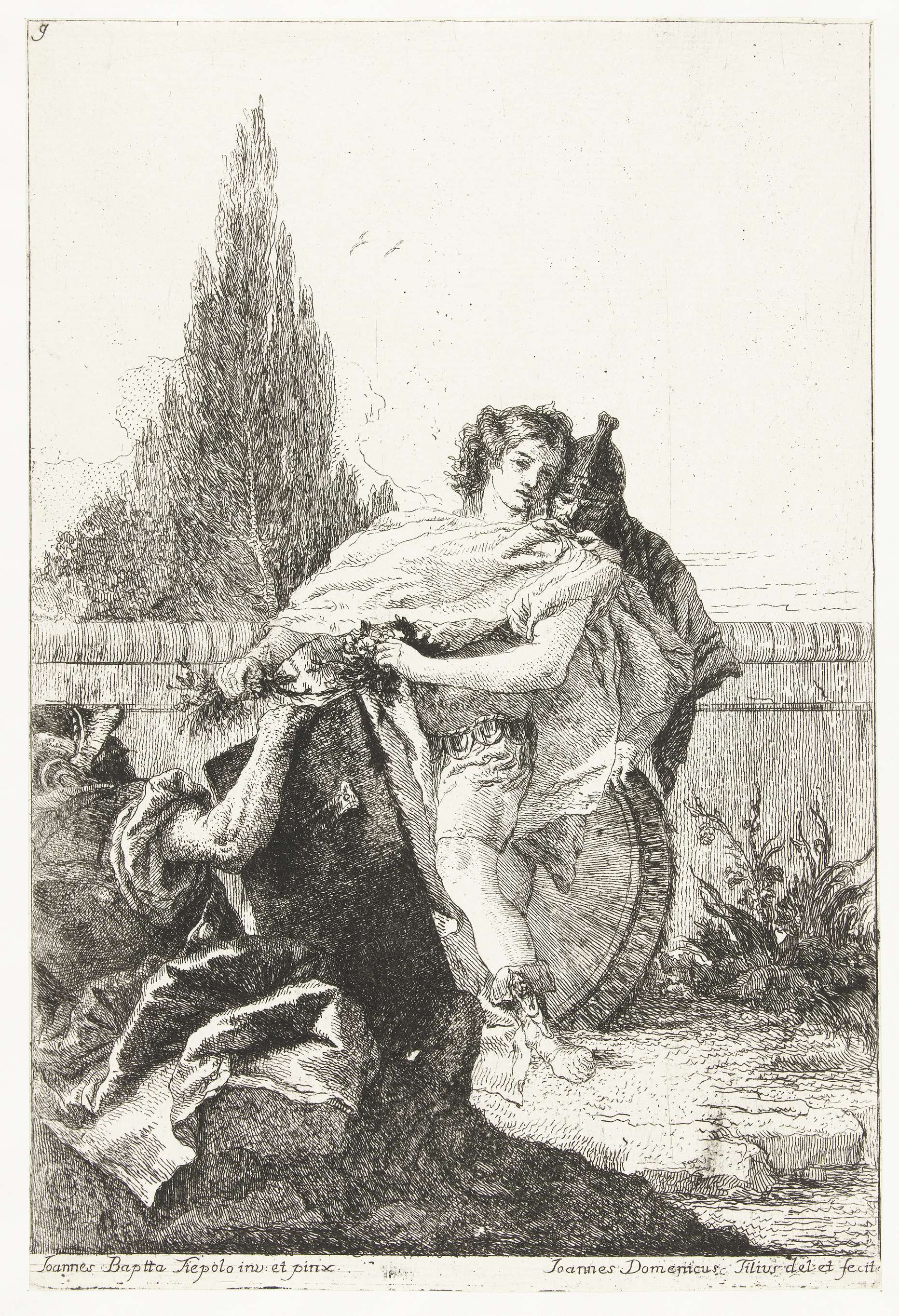
Can paint confess what words never could? In Man met ontblote schouder, Tiepolo crafts a moment that speaks of intimacy, vulnerability, and the undeniable tension of rebirth. Focus on the left side of the canvas, where the light caresses the bare shoulder of a figure, illuminating the soft curve of skin against a rich, dark background. This use of chiaroscuro creates a striking contrast that draws the eye and heightens the emotional weight of the scene.
Notice how the drapery flows around the figures, seemingly alive, echoing the fluidity of their connection while the muted palette plays with deep blues and warm earth tones, enhancing a sense of both longing and tenderness. The painting invites contemplation on hidden emotions, illustrated through the intimacy suggested by gestures. The posed figures convey both a sense of desire and the weight of societal constraints, suggesting a moment caught between the past and an envisioned future. The bare shoulder, a symbol of vulnerability, hints at rebirth, as if shedding layers to reveal something profound beneath.
Here lies a contrast between exposure and restraint, where every detail speaks volumes about the human condition. Created in 1774 in Venice, Tiepolo was navigating the transitional waters of an evolving art world, influenced by the Rococo movement yet beginning to hint at Neoclassical ideals. This period was marked by personal change for Tiepolo as well, who was shifting from the courtly scenes of his youth towards more intimate portrayals that explored deeper human emotions. The world around him was ripe with transformation, reflecting the very essence of rebirth that his canvas encapsulates.