Heilige familie vertrekt door een stadspoort — History & Analysis
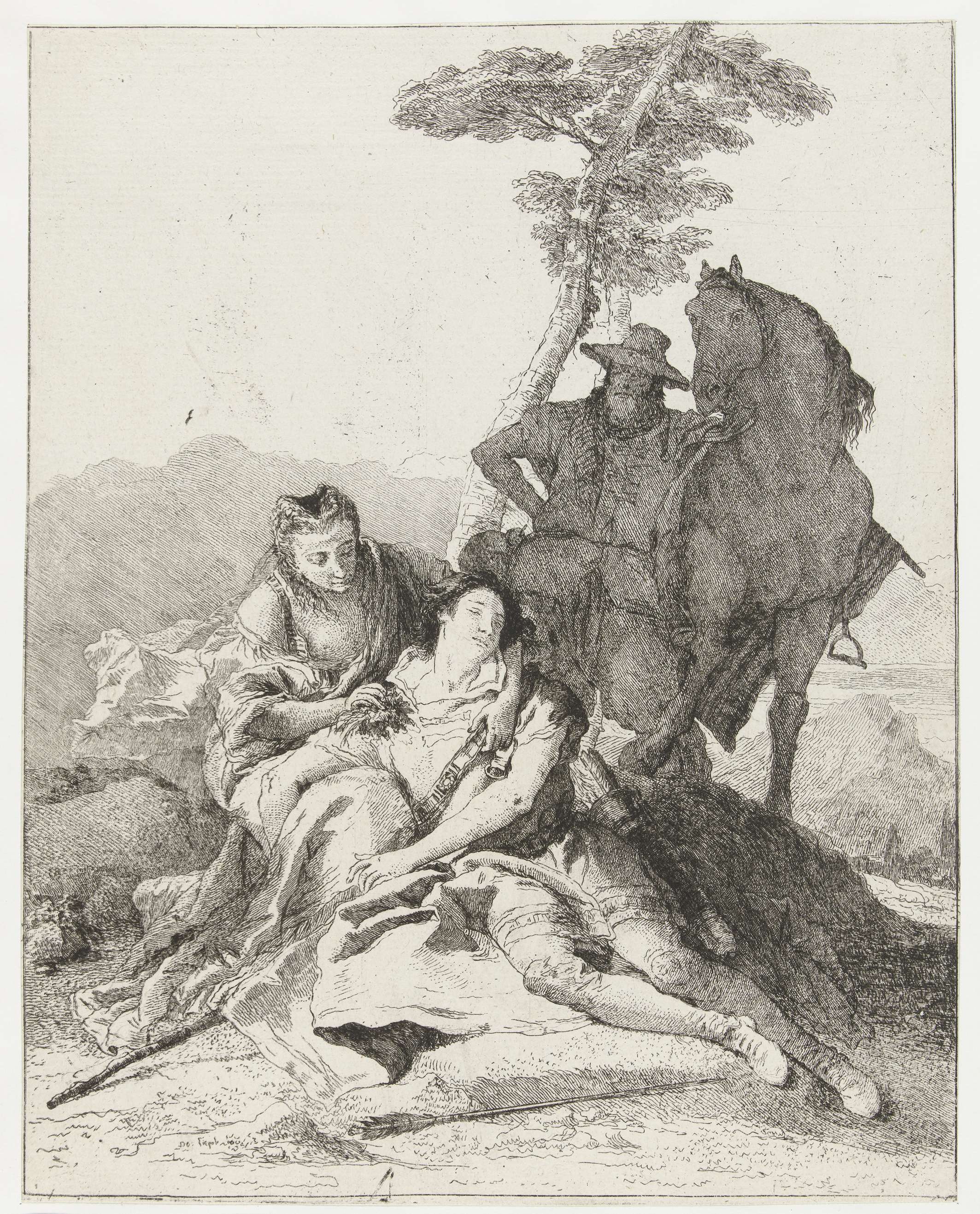
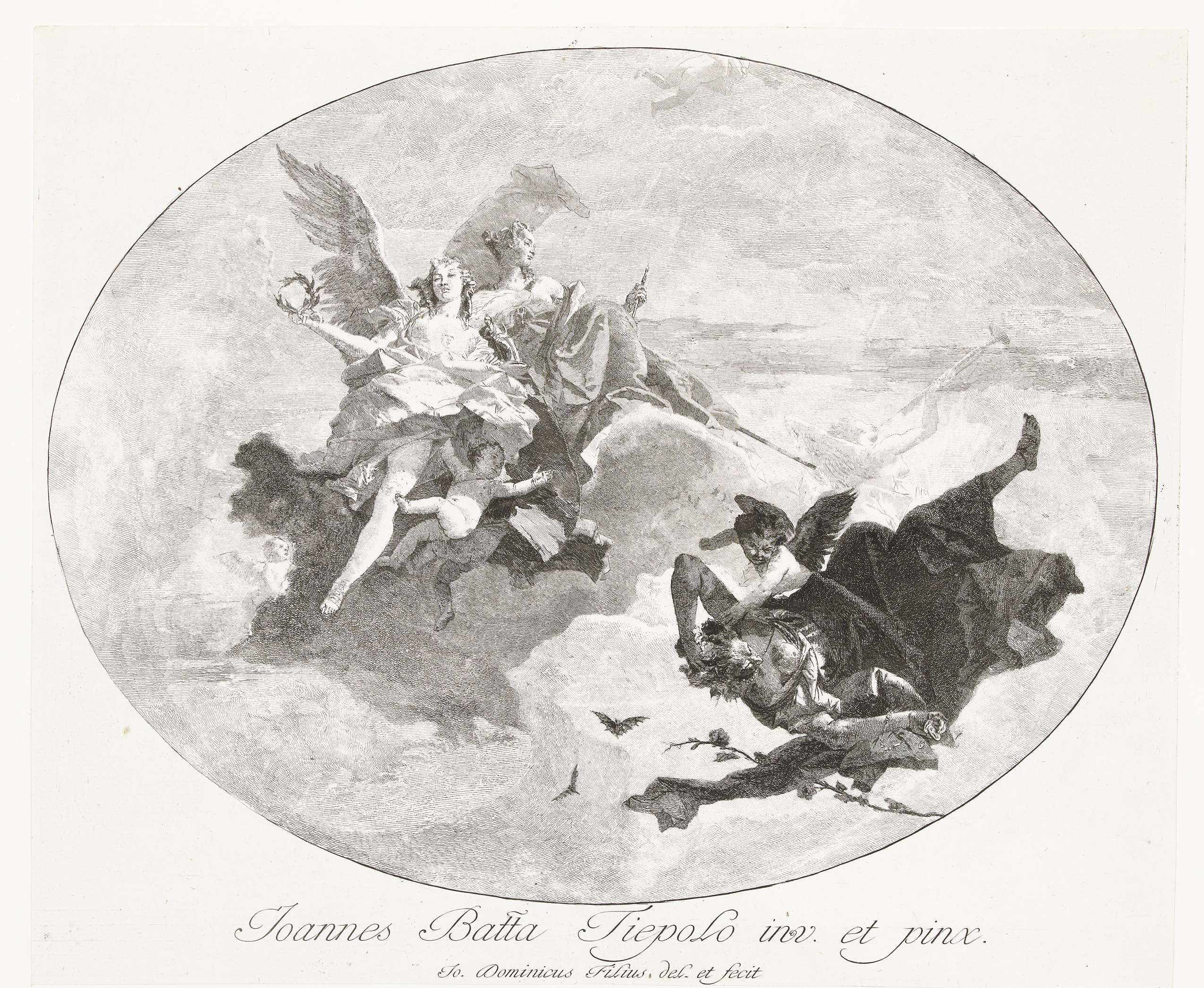
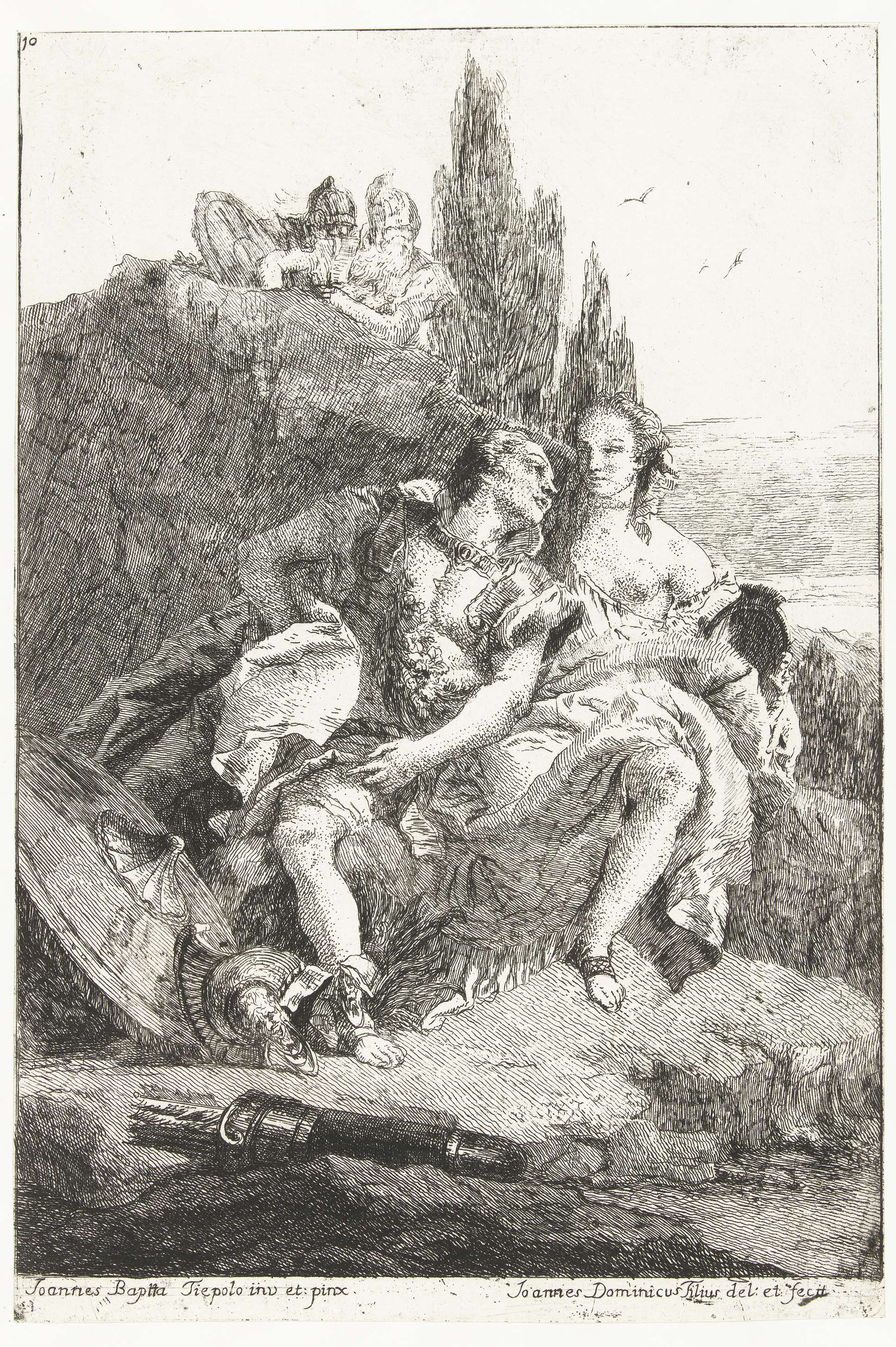
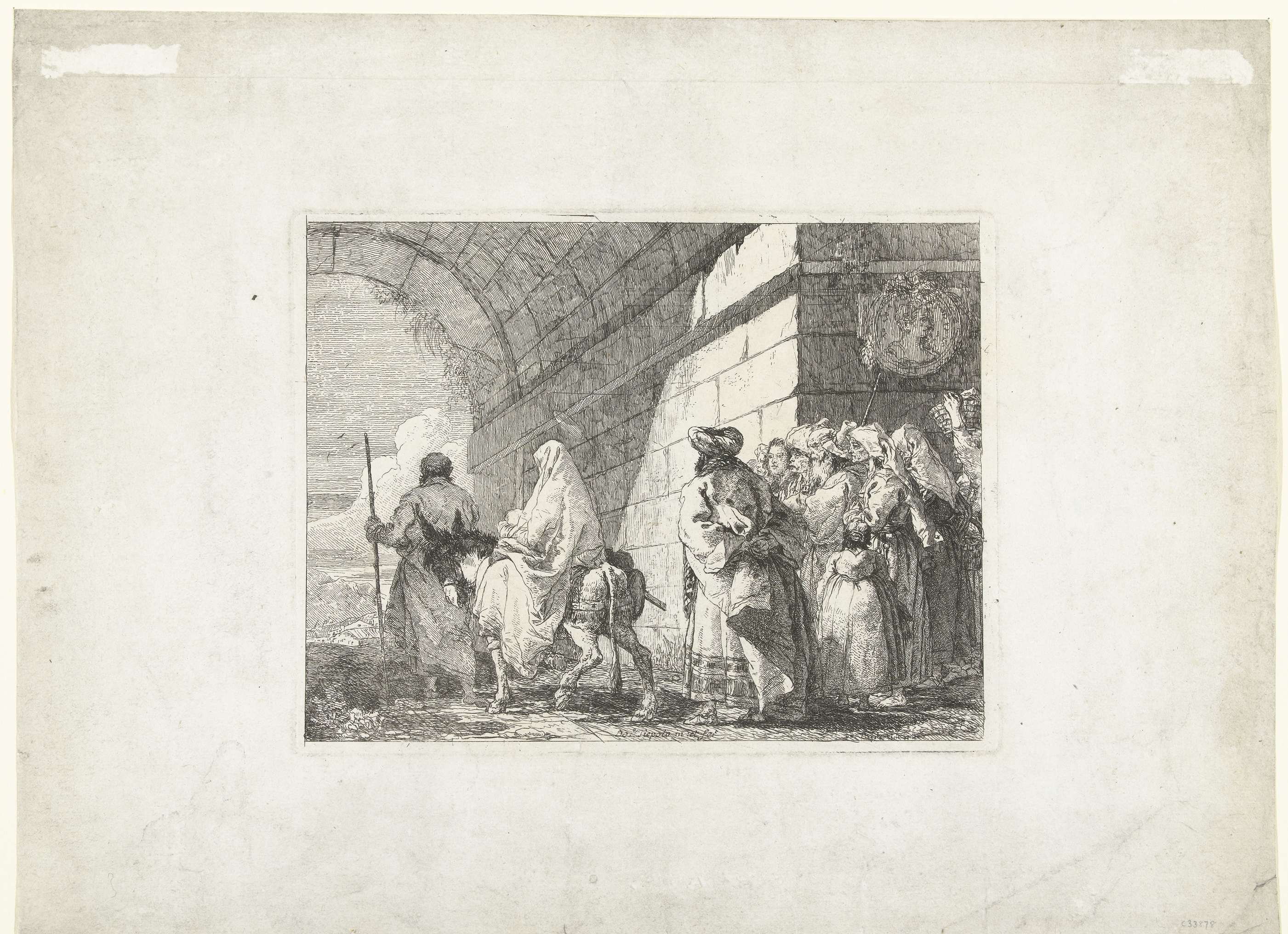
“To paint is to remember what time wants us to forget.” In a world often consumed by chaos, art becomes a sanctuary of reflection and clarity, inviting us to pause and contemplate. Look closely at the figures in the foreground, where the Holy Family is rendered with a delicate grace. The gentle curve of the mother's arm, tenderly cradling the child, contrasts sharply with the bustling cityscape that looms behind them. Notice how the intricate details of the city gate frame their serene departure, drawing the eye toward vibrant colors that dance in the sunlight.
The use of light and shadow throughout the piece not only highlights the figures but also creates a dynamic tension, suggesting both movement and the passage of time. As you delve deeper, consider the chaos embodied within the scene. The bustling crowd, almost indistinct in their hurried movements, serves as a poignant backdrop to the family's calm resolve—a reminder of the tumultuous world outside their intimate circle. There’s a juxtaposition between the sacred and the mundane, conveying a profound emotional depth that resonates with the viewer.
Each face in the crowd tells a story of its own, yet they remain oblivious to the quiet miracle unfolding before them. Giovanni Domenico Tiepolo painted this work between 1750 and 1753 in Venice, a city teeming with artistic innovation and cultural exchange. During this period, Tiepolo was navigating his own evolution as an artist, grappling with the complexities of light, space, and human emotion. The world around him was shifting, and through Heilige familie vertrekt door een stadspoort, he captured not just a moment in time but the enduring struggle to find peace amidst the chaos of life.