At the Farm, Ulvin — History & Analysis
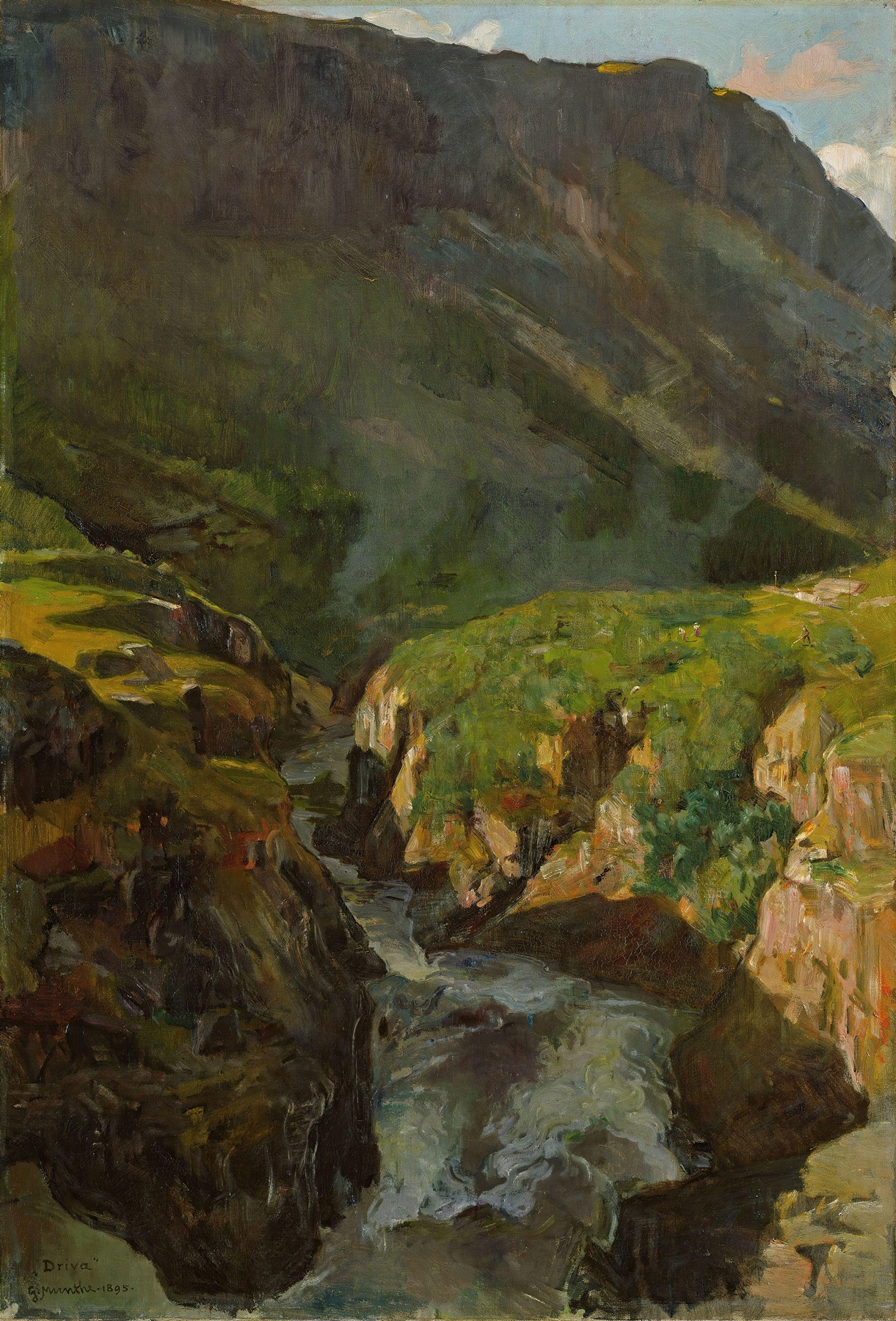
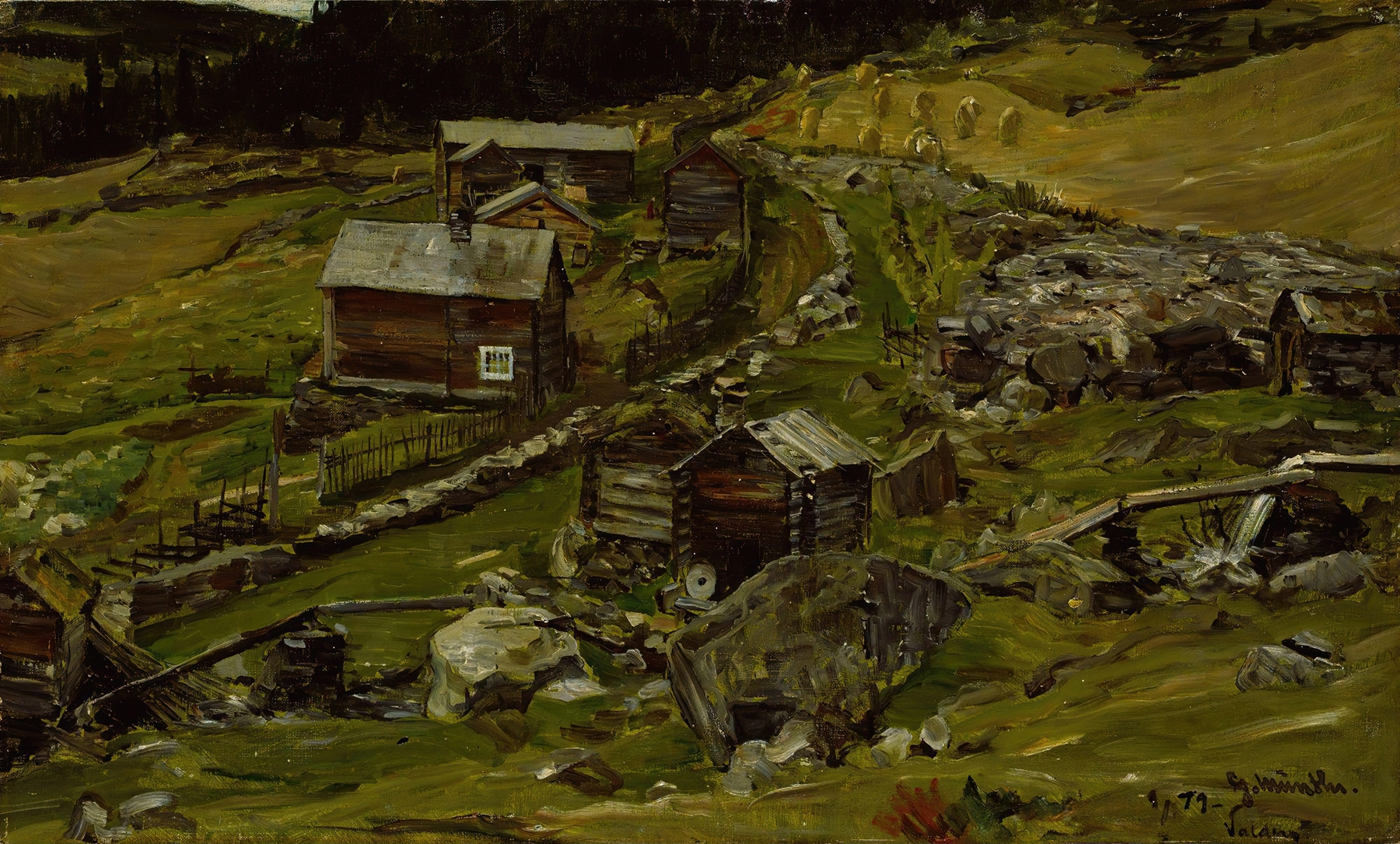
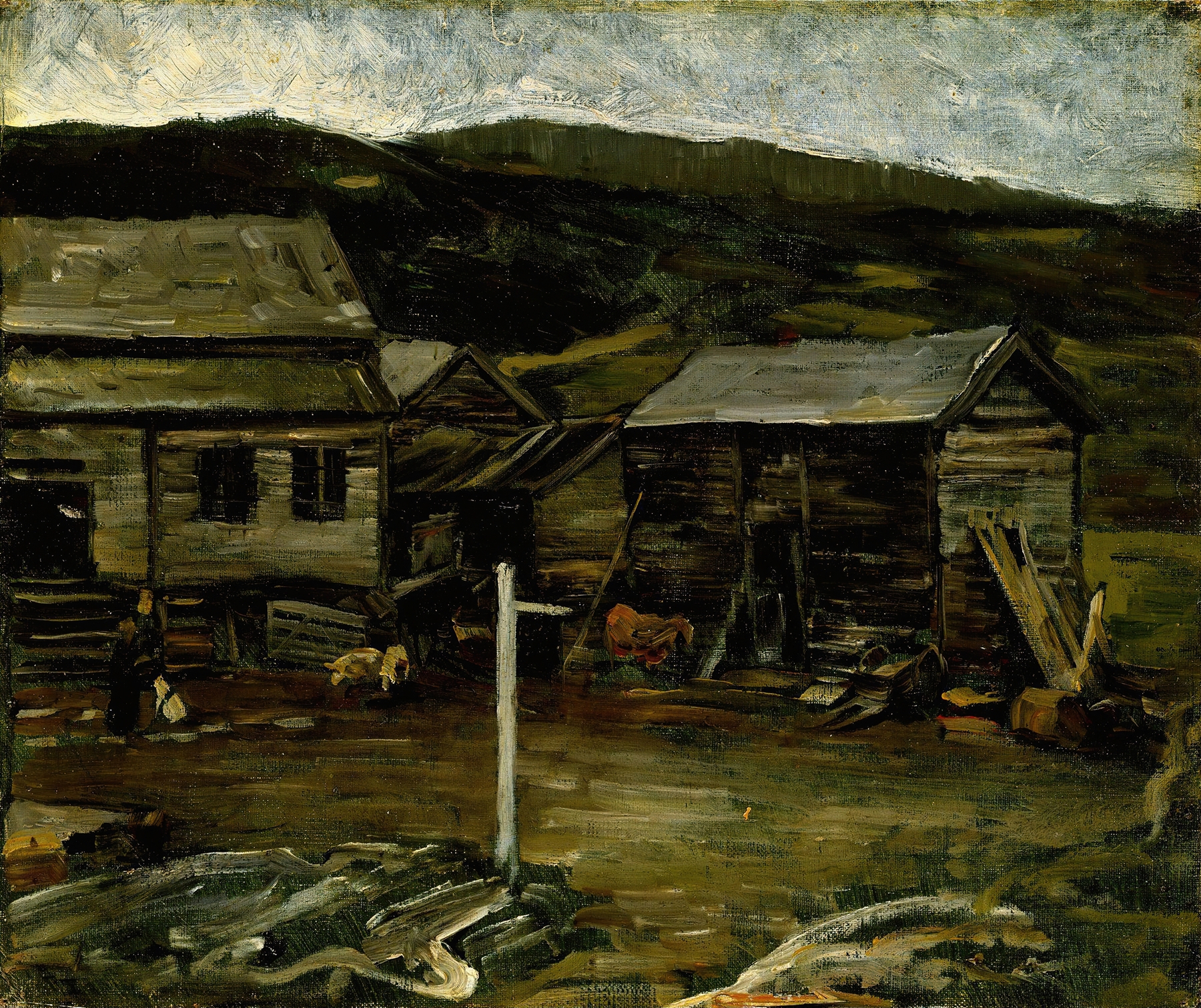
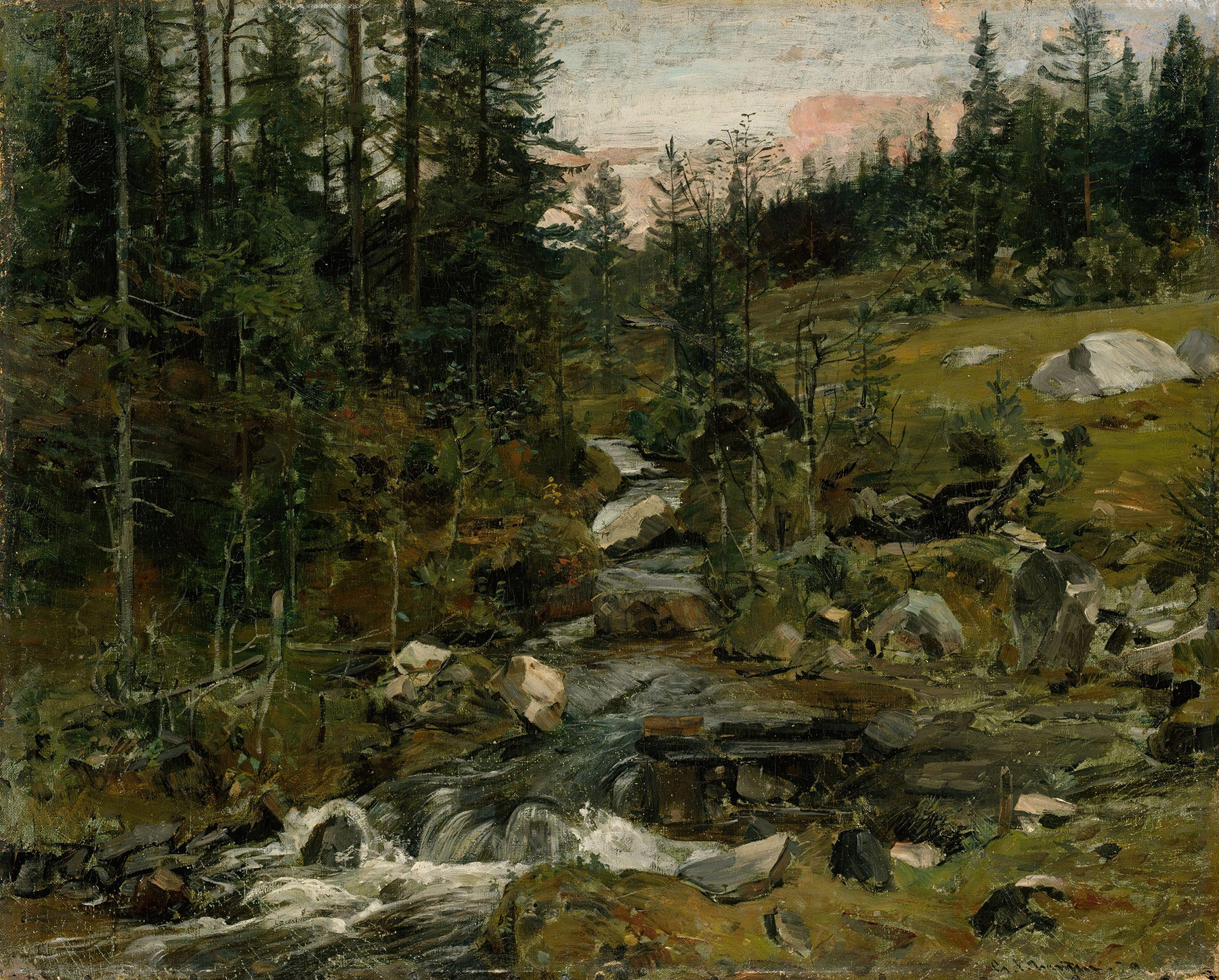
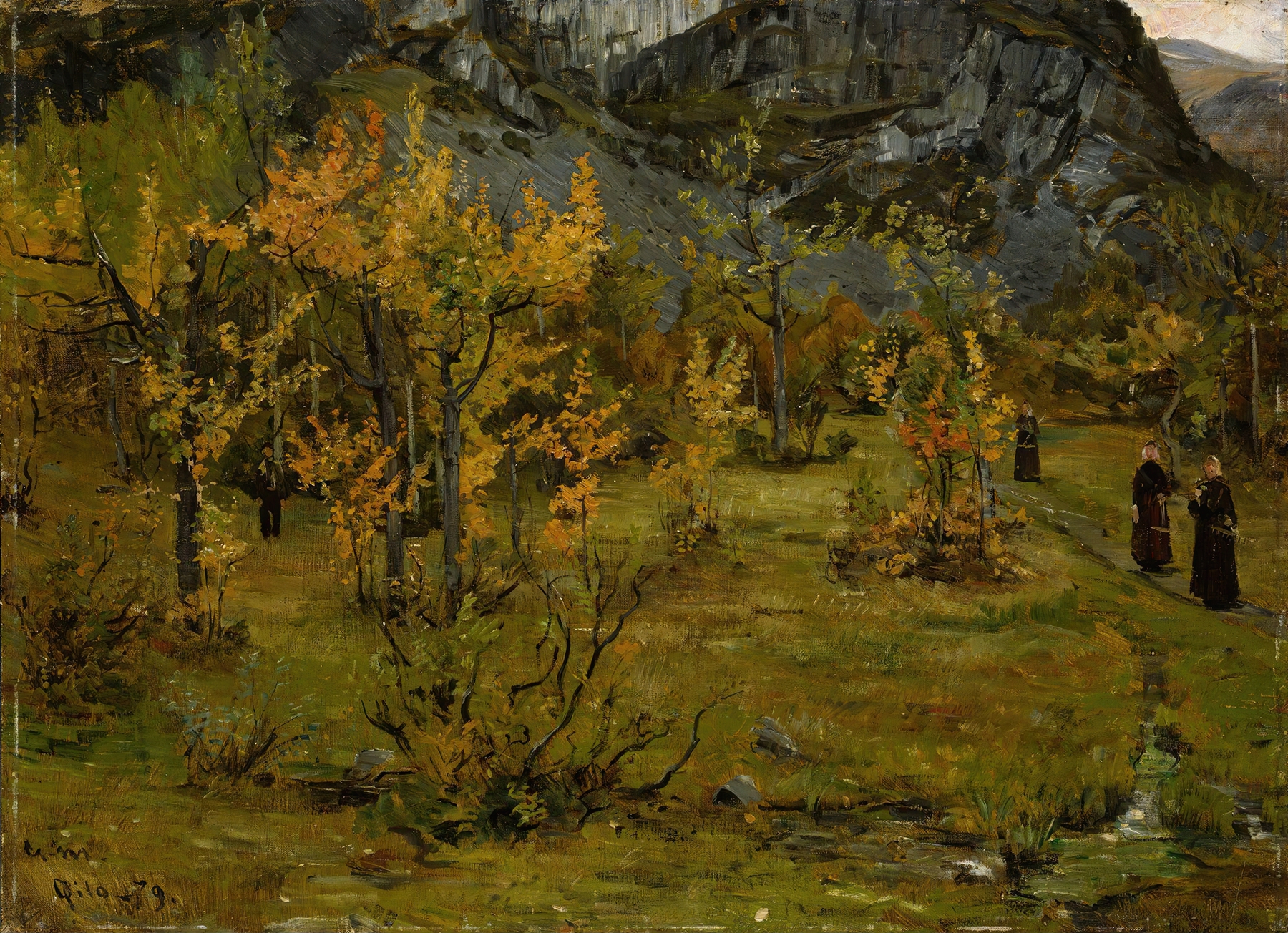
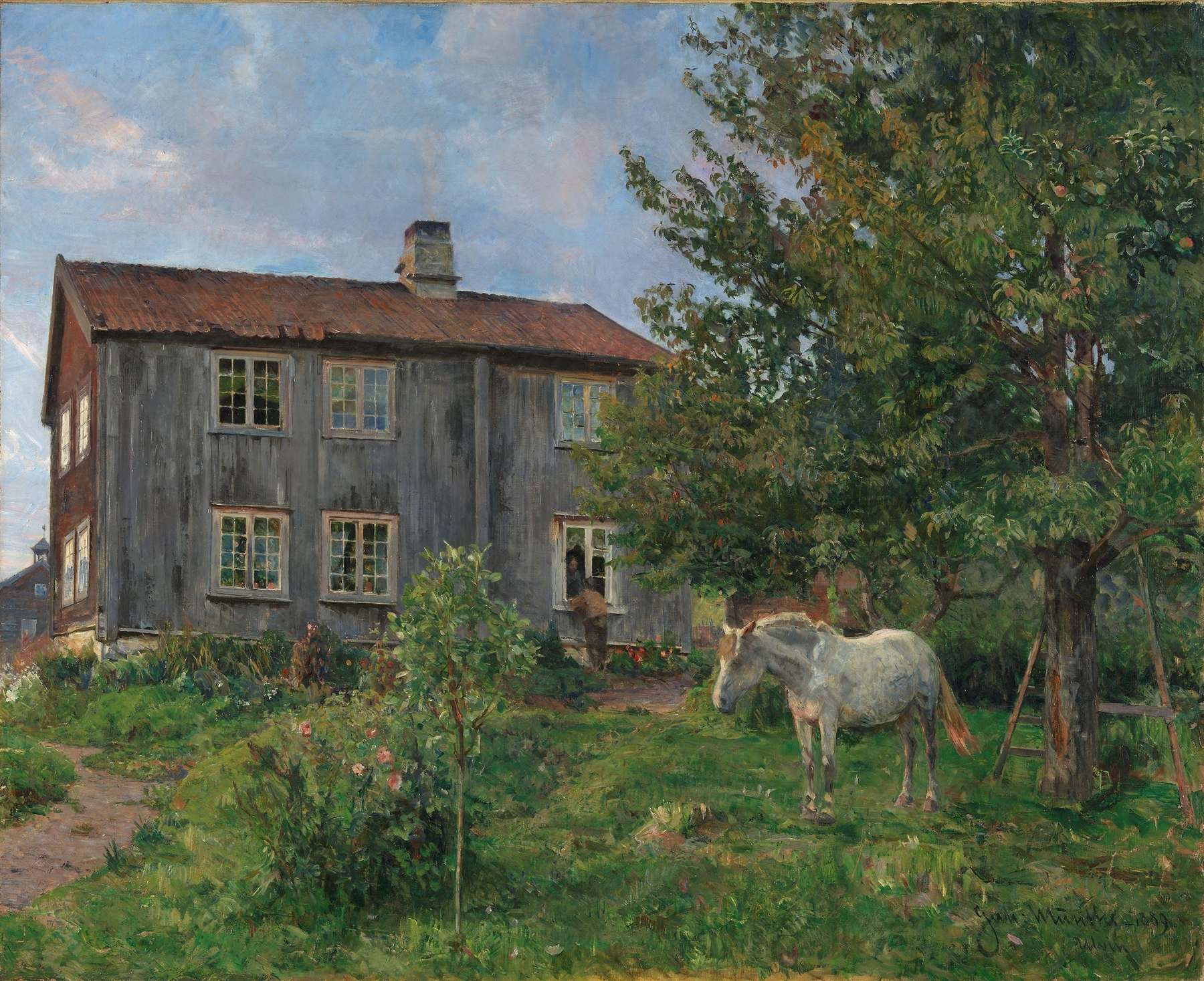
“Between color and silence, truth hides.” In the quiet moments of life, a deeper reality often emerges, waiting to be discovered in the brushstrokes of a dedicated artist. Look to the center of the canvas where the muted hues of green and brown converge, creating a pastoral landscape that feels both familiar and dreamlike. The soft strokes depict a farm, where a gentle sun bathes the scene in a warm glow, inviting the viewer to linger. Notice how the vibrant splashes of color breathe life into the distant barn and the meandering pathway, guiding the eye effortlessly through the composition.
The balance of detail and open space reflects an intimate relationship between nature and human presence. Yet, within this tranquil setting lies a subtle tension. The contrast between the lush vegetation and the unadorned simplicity of farm life evokes feelings of nostalgia and solitude. The absence of human figures invites reflection on the solitude inherent in rural existence, while the rich colors of the landscape symbolize the abundance of life.
It speaks to a duality: the joy of nature and the isolation that often accompanies it, urging the viewer to contemplate their own truths. In 1889, during a time of artistic exploration and the rise of Impressionism, Gerhard Munthe painted this piece while living in Norway. He was deeply influenced by the natural beauty surrounding him and the burgeoning movement that sought to capture fleeting moments of life. The world of art was shifting, and Munthe’s work exemplified this transition, emphasizing the emotional resonance of color and form while celebrating the serene simplicity of rural existence.