Autumn Landscape, Øylo — History & Analysis
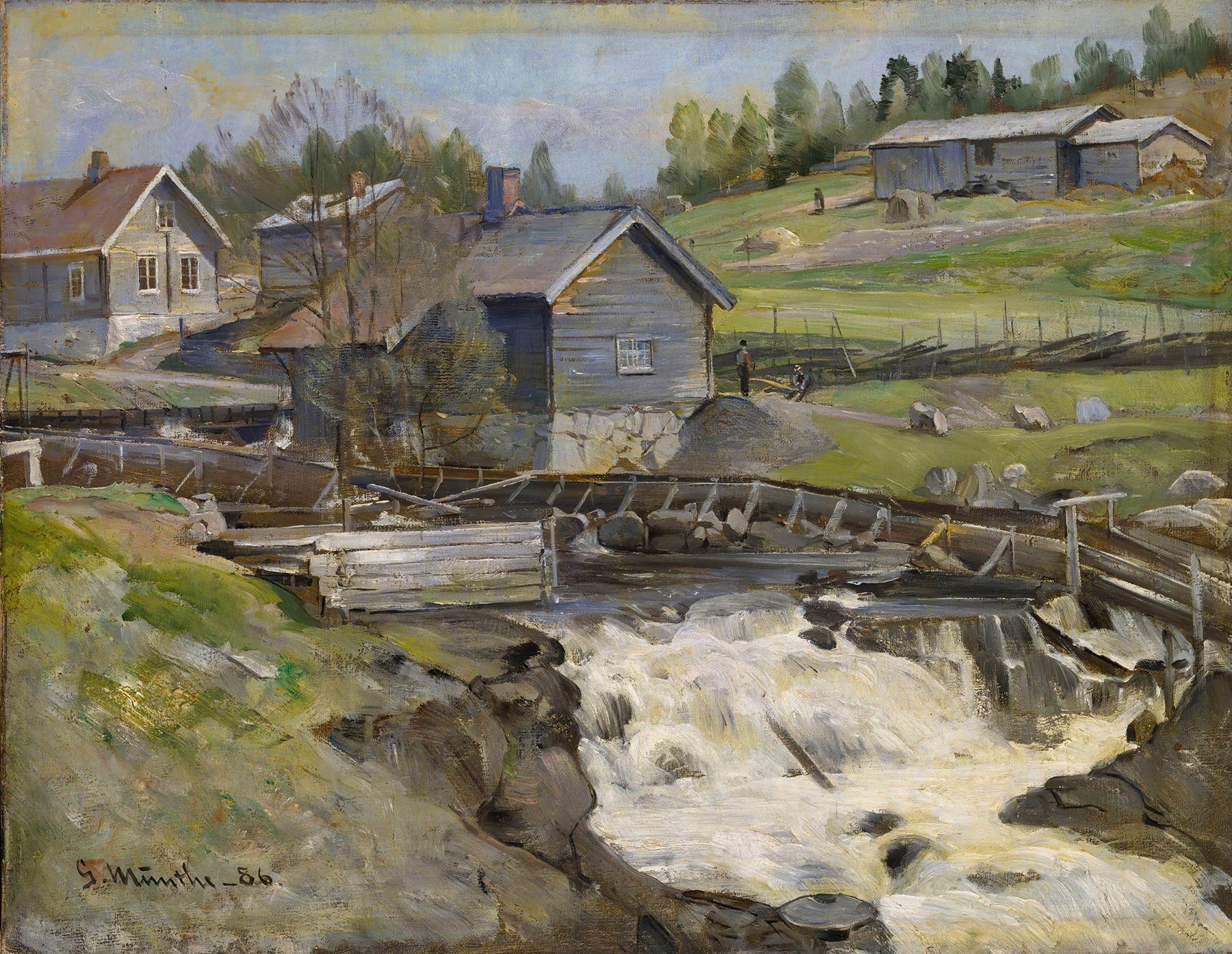
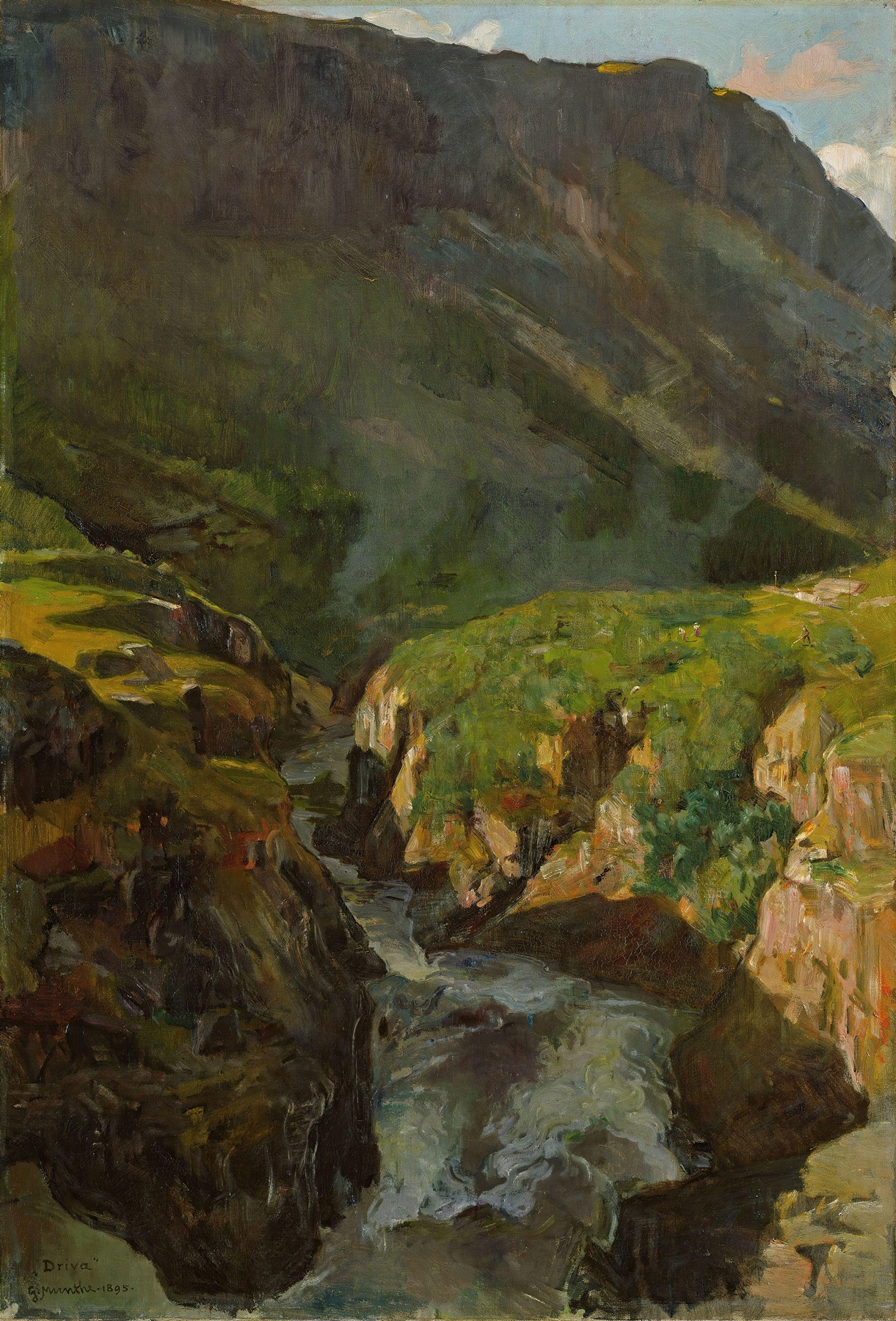
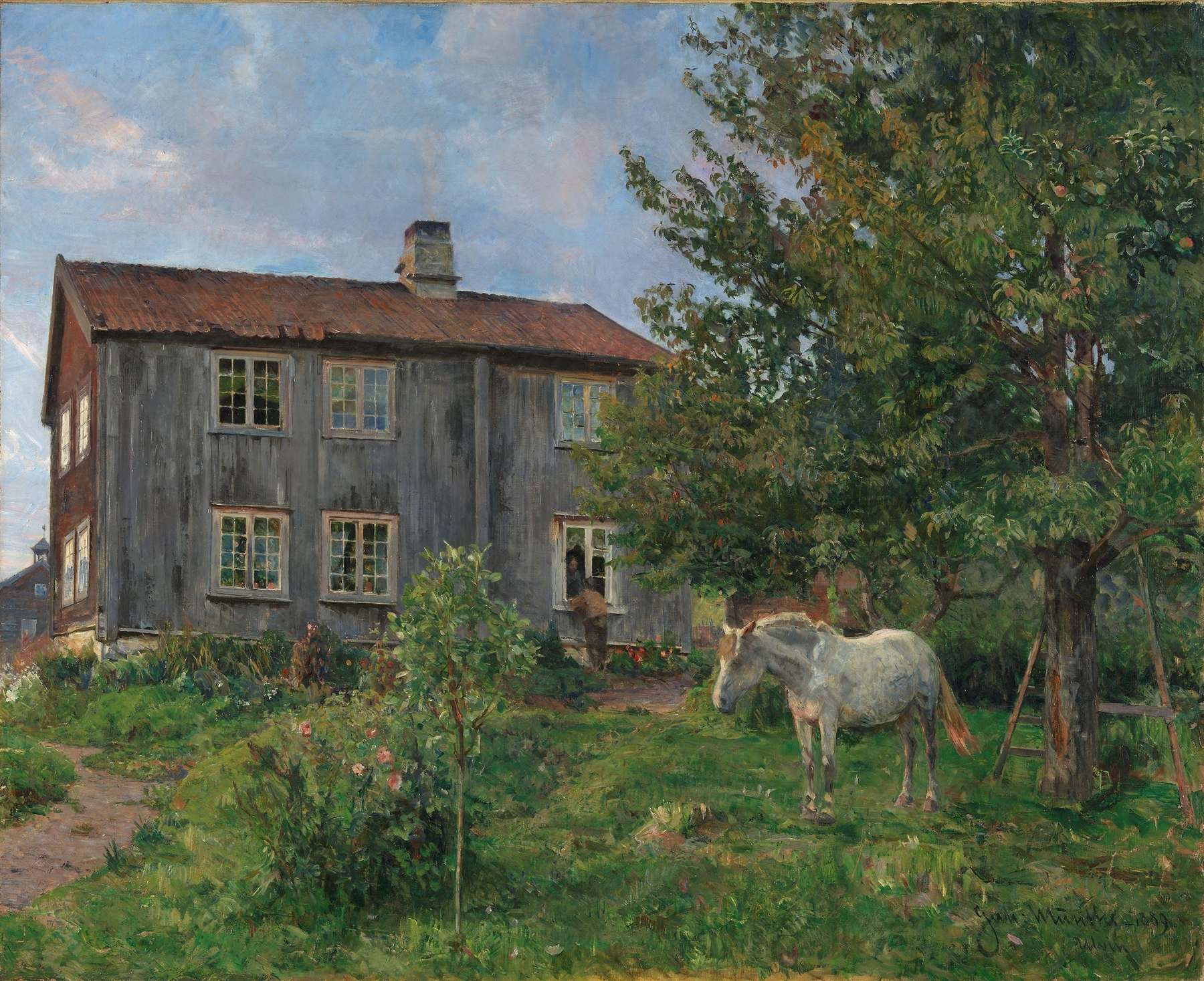
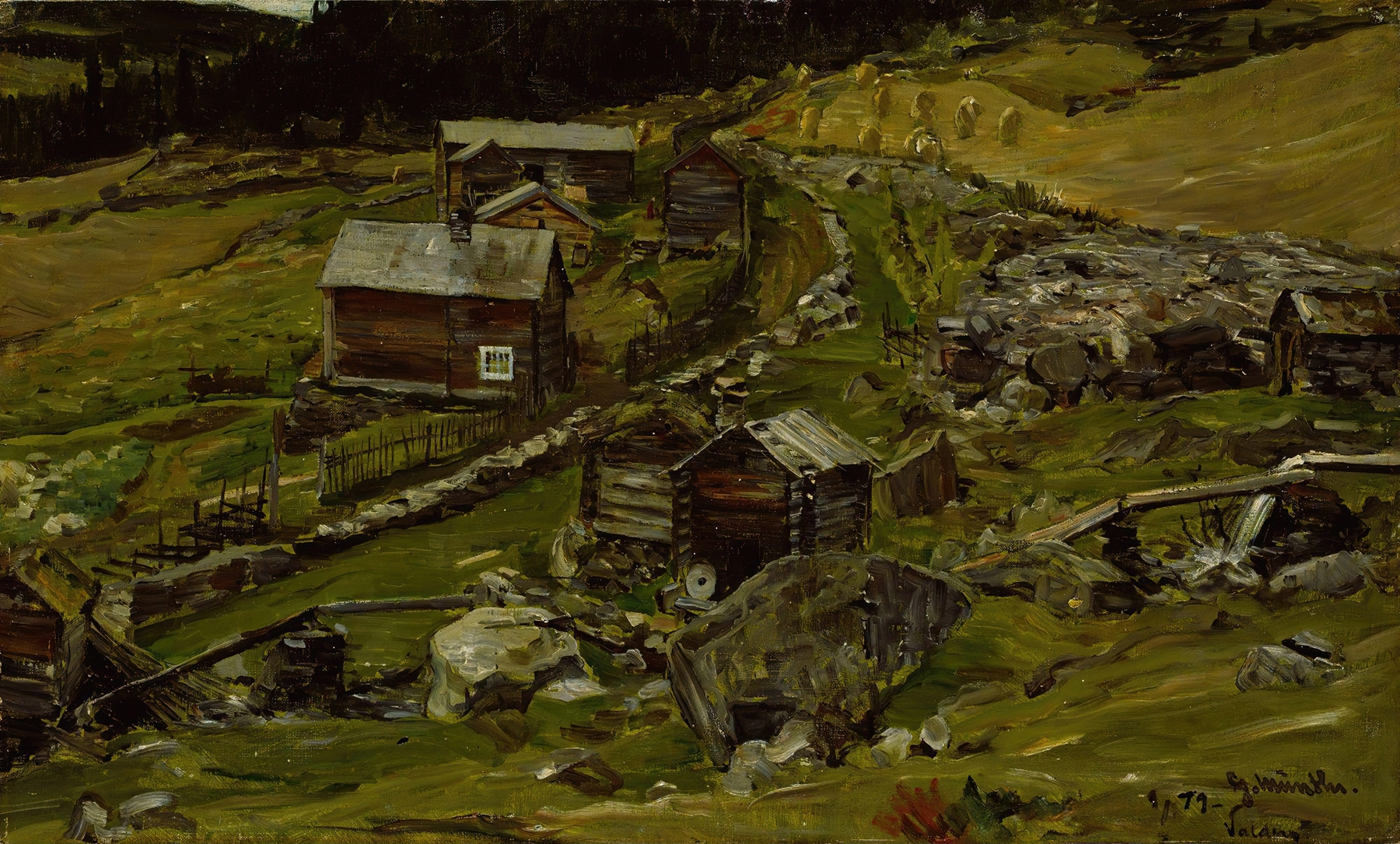
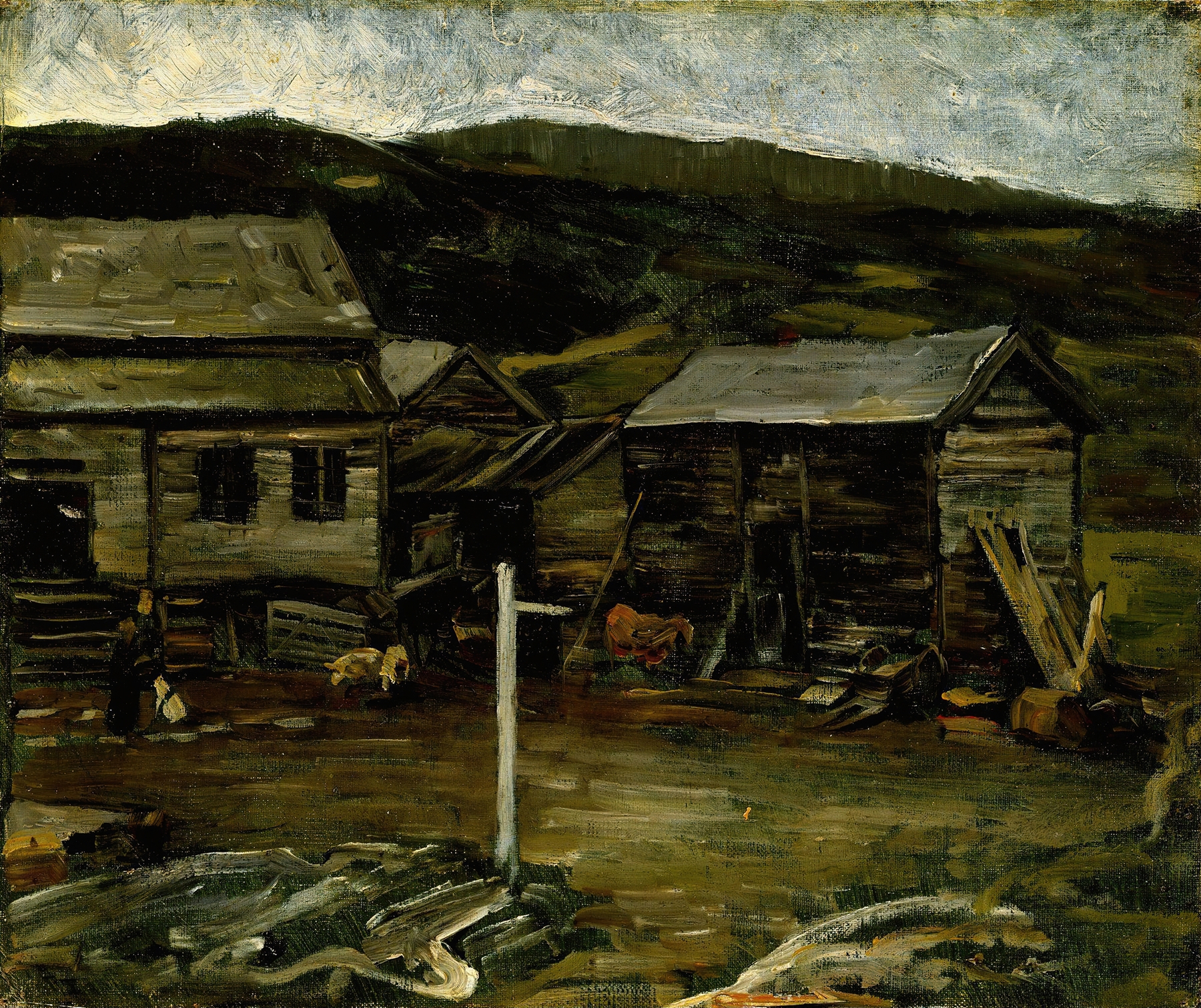
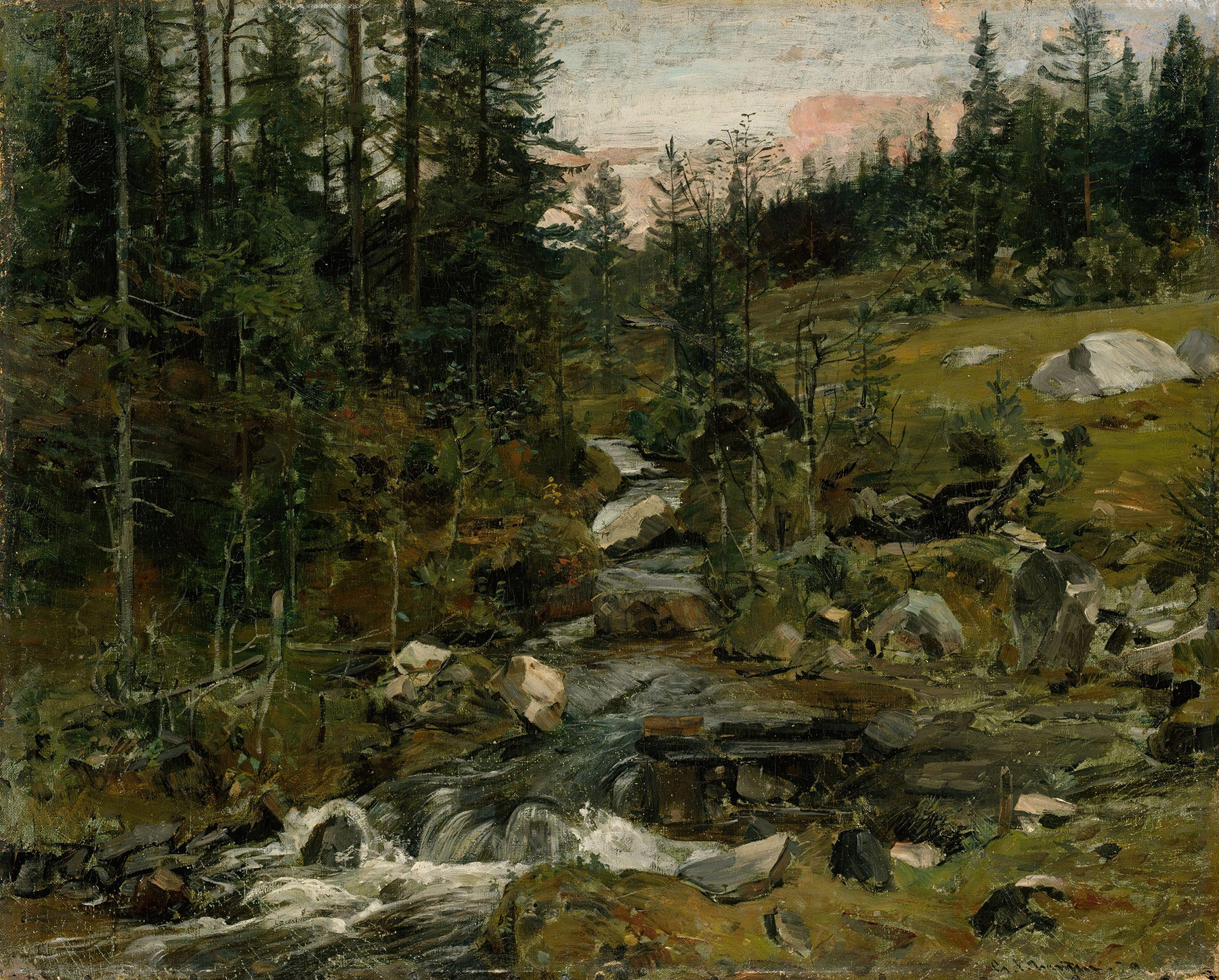
Can paint confess what words never could? In Autumn Landscape, the canvas breathes with a melancholy that whispers stories of fleeting beauty and the passage of time. Look to the left at the golden hues that blanket the rolling hills, where the crispness of autumn air seems to shimmer. Notice how the trees, with their fiery foliage, appear both vibrant and somber, their branches reaching outward as if grasping for something lost.
The painter's brushwork conveys a gentle movement, capturing the soft sway of the grasses beneath a muted sky, inviting the viewer to lose themselves in this tranquil yet poignant moment. Yet, beneath the surface lies a tension between the exuberance of color and the inevitability of decay. The interplay of light and shadow hints at a deeper melancholy, as the sun begins its descent, casting elongated silhouettes across the landscape. Each blade of grass, each fallen leaf, carries a story of transience—reminding us that even in beauty, there is an undercurrent of loss.
Gerhard Munthe created Autumn Landscape in 1879, during a period marked by the blossoming of Norwegian Romanticism. At the time, he was exploring his identity as an artist, drawing inspiration from the rich colors and landscapes of his homeland. This work reflects both his personal journey and the broader artistic movement, capturing a moment of poetic introspection amidst nature's dying embers.