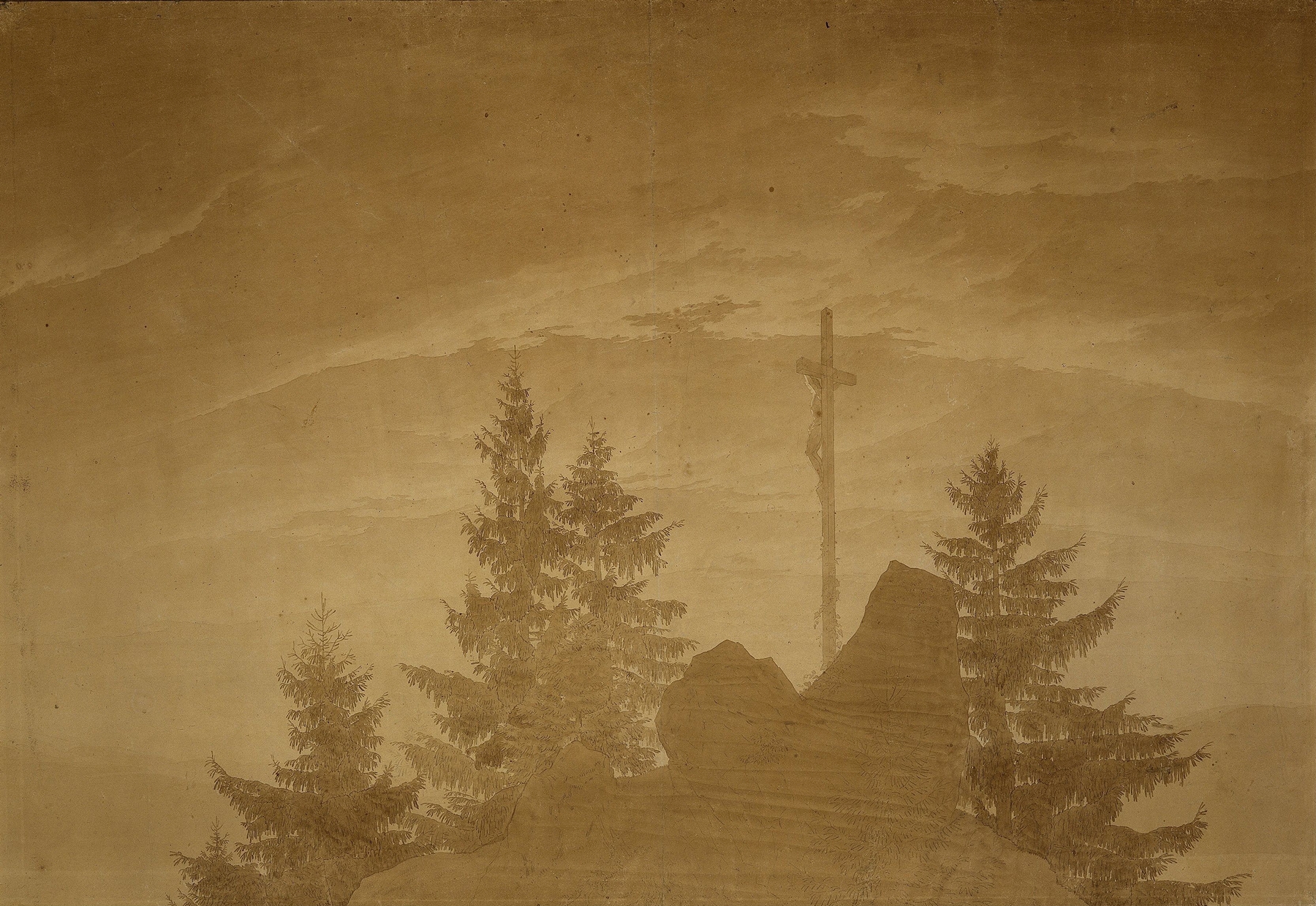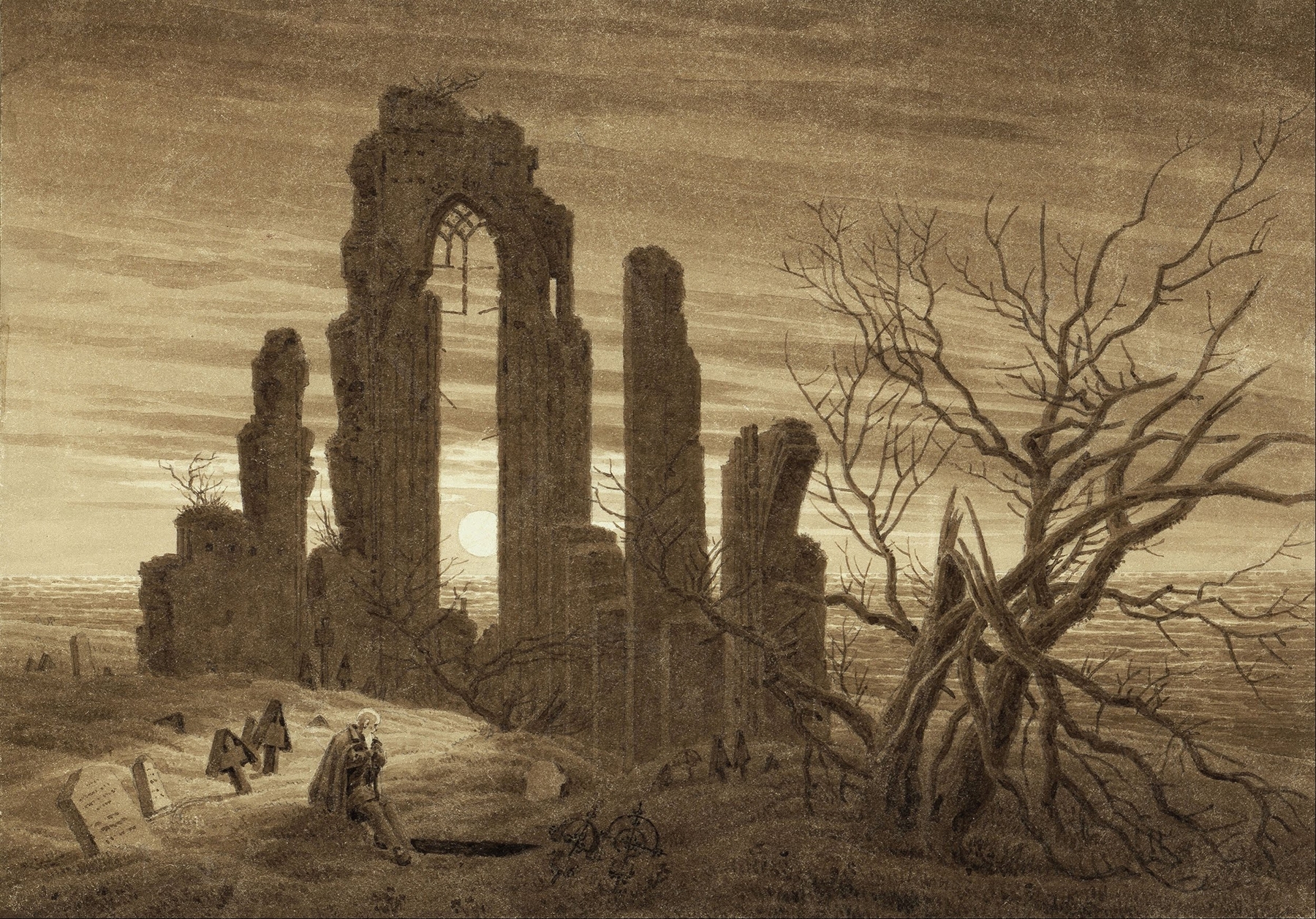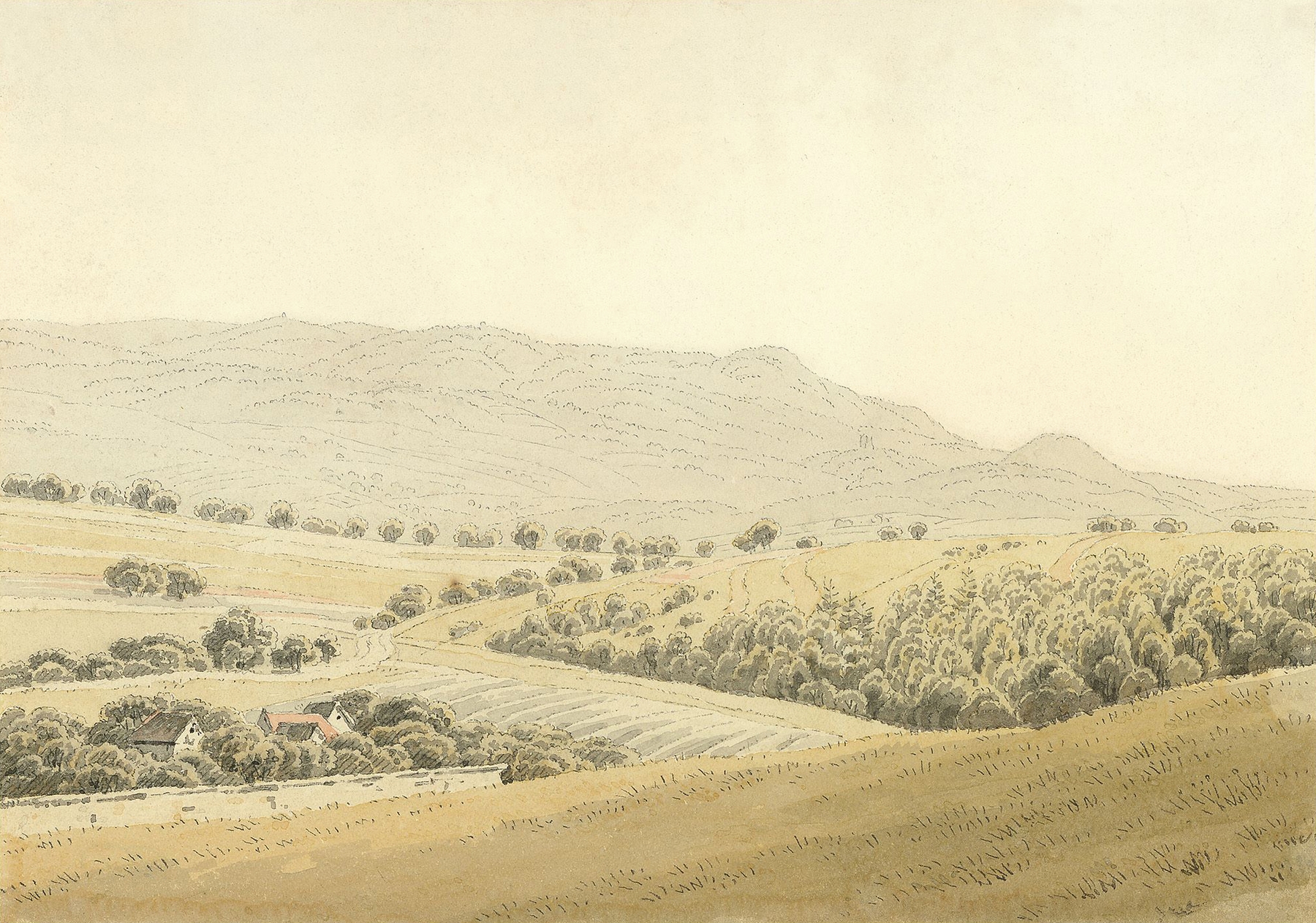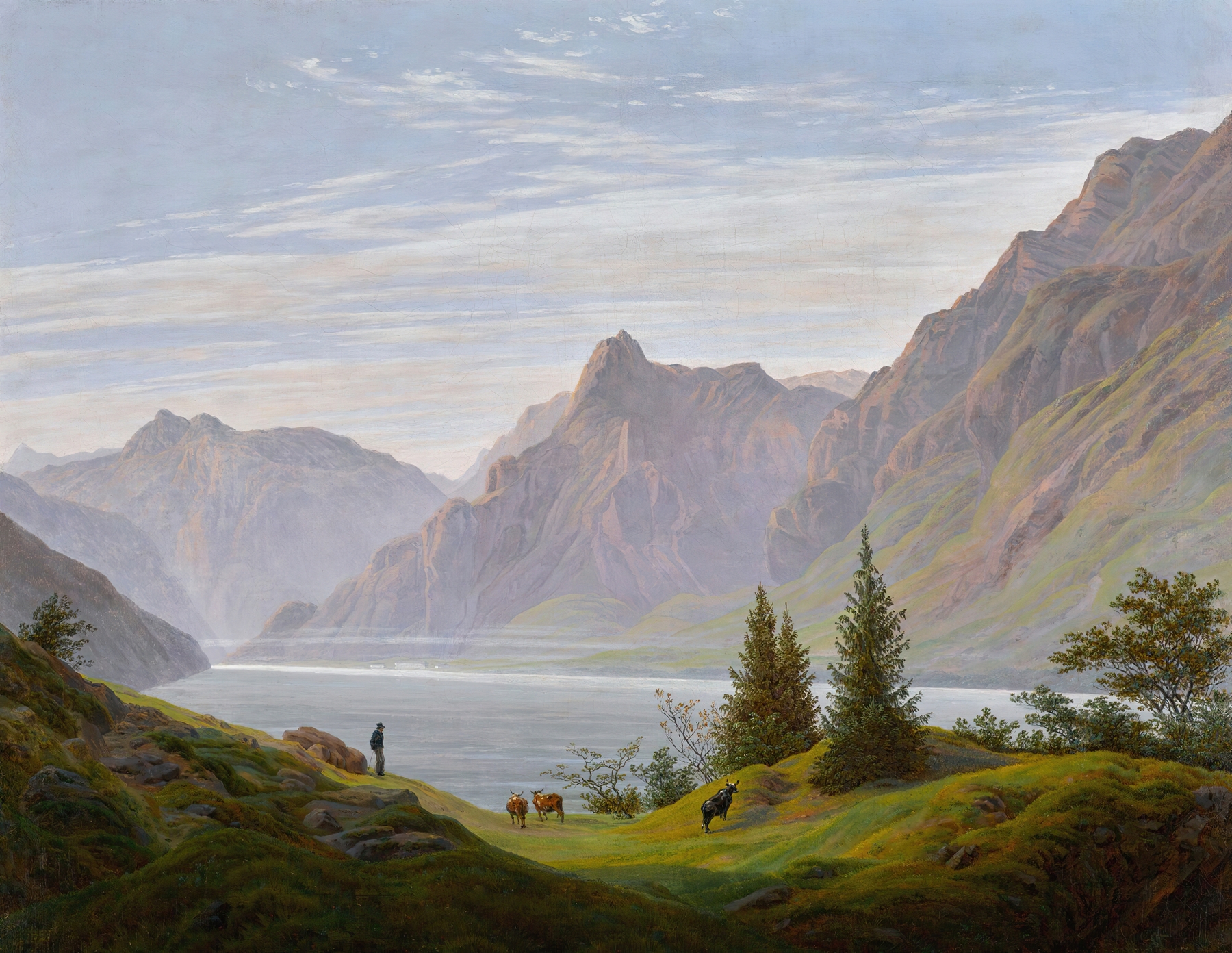
Autumn – Evening – Maturity (from the seasons, times of day, and ages of man cycle of 1803) — History & Analysis
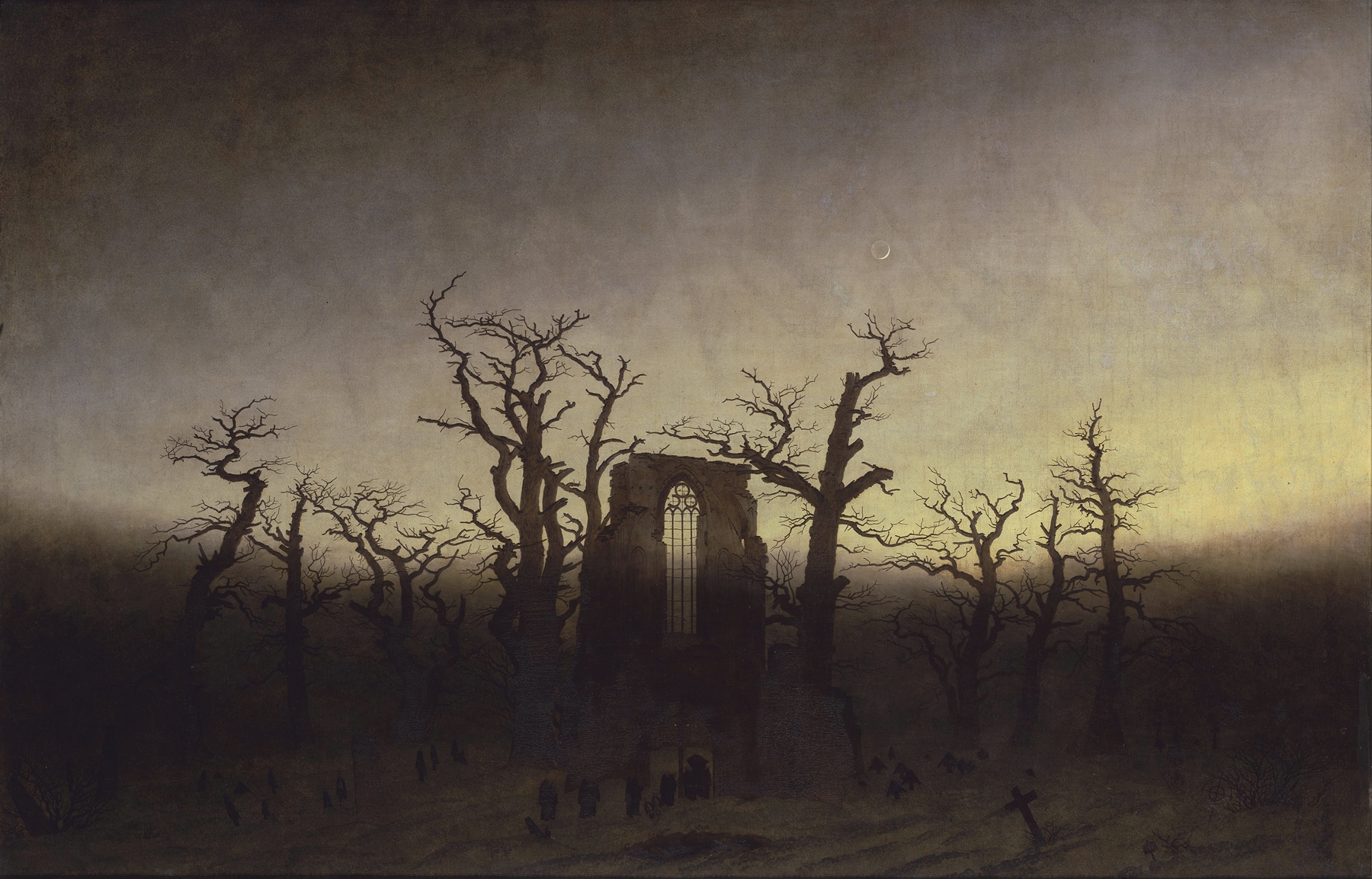
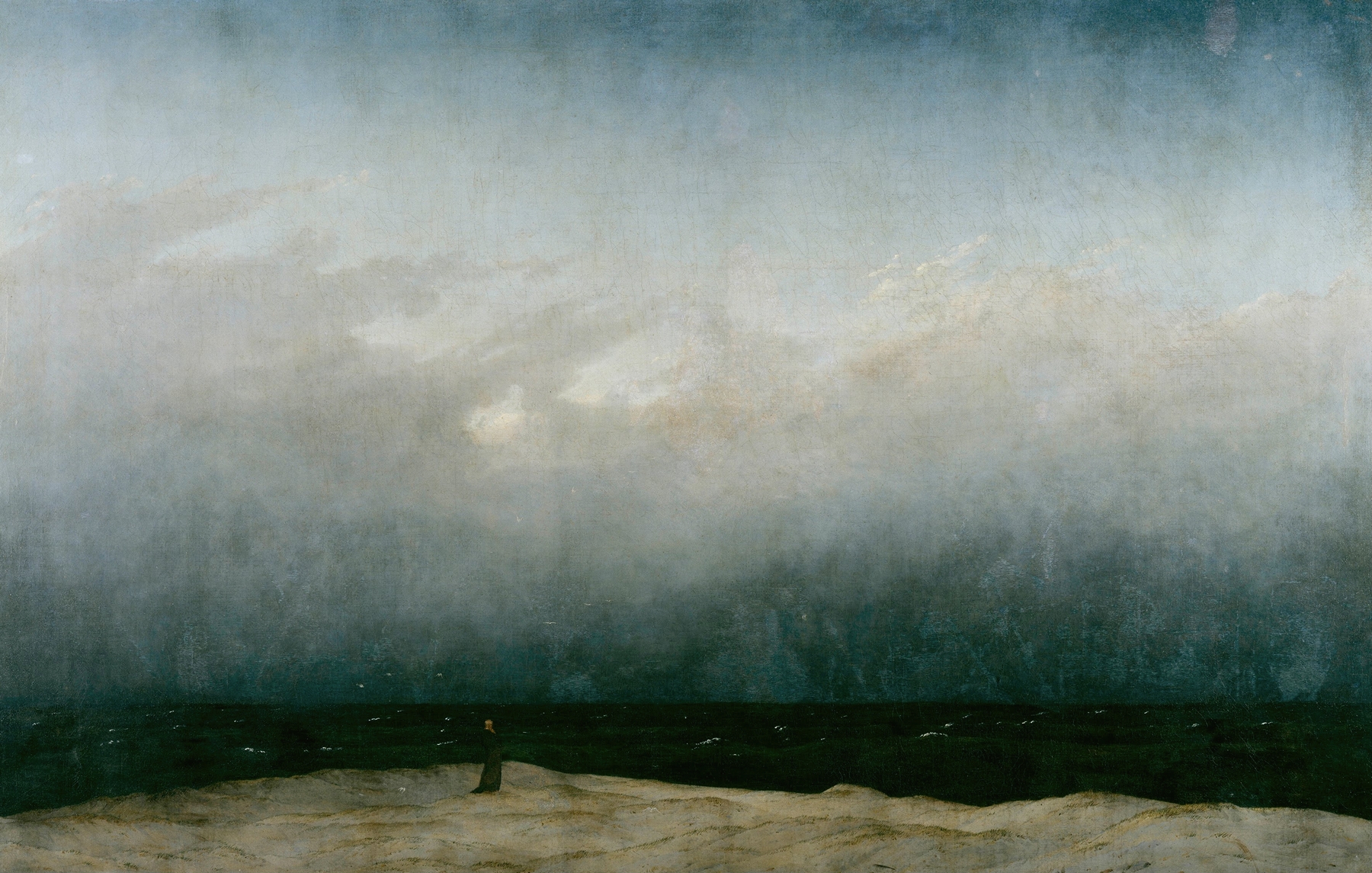
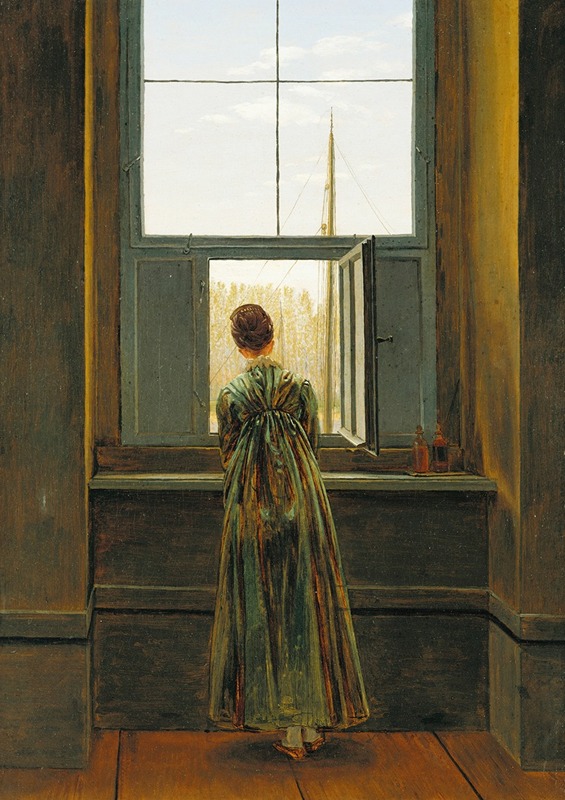
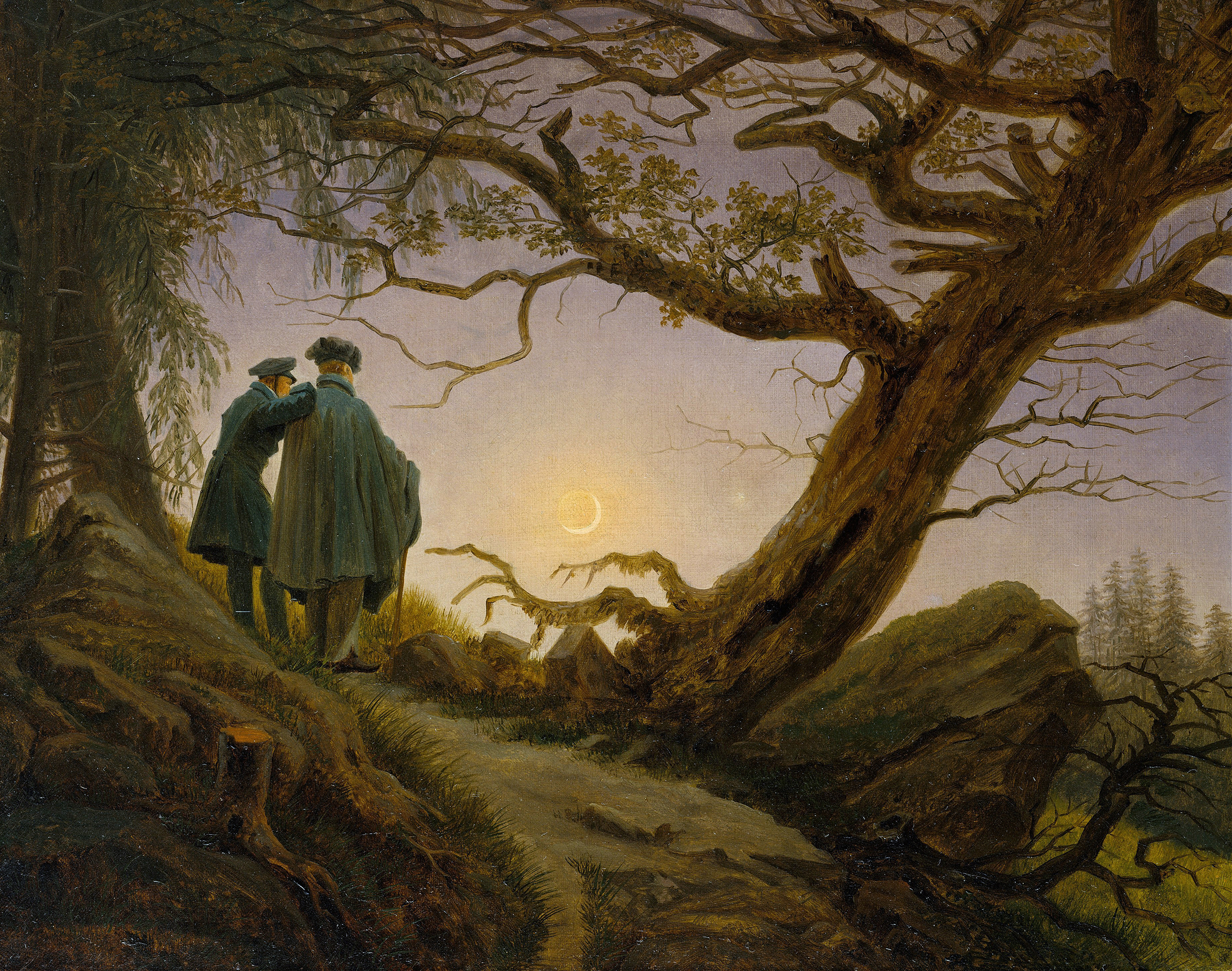
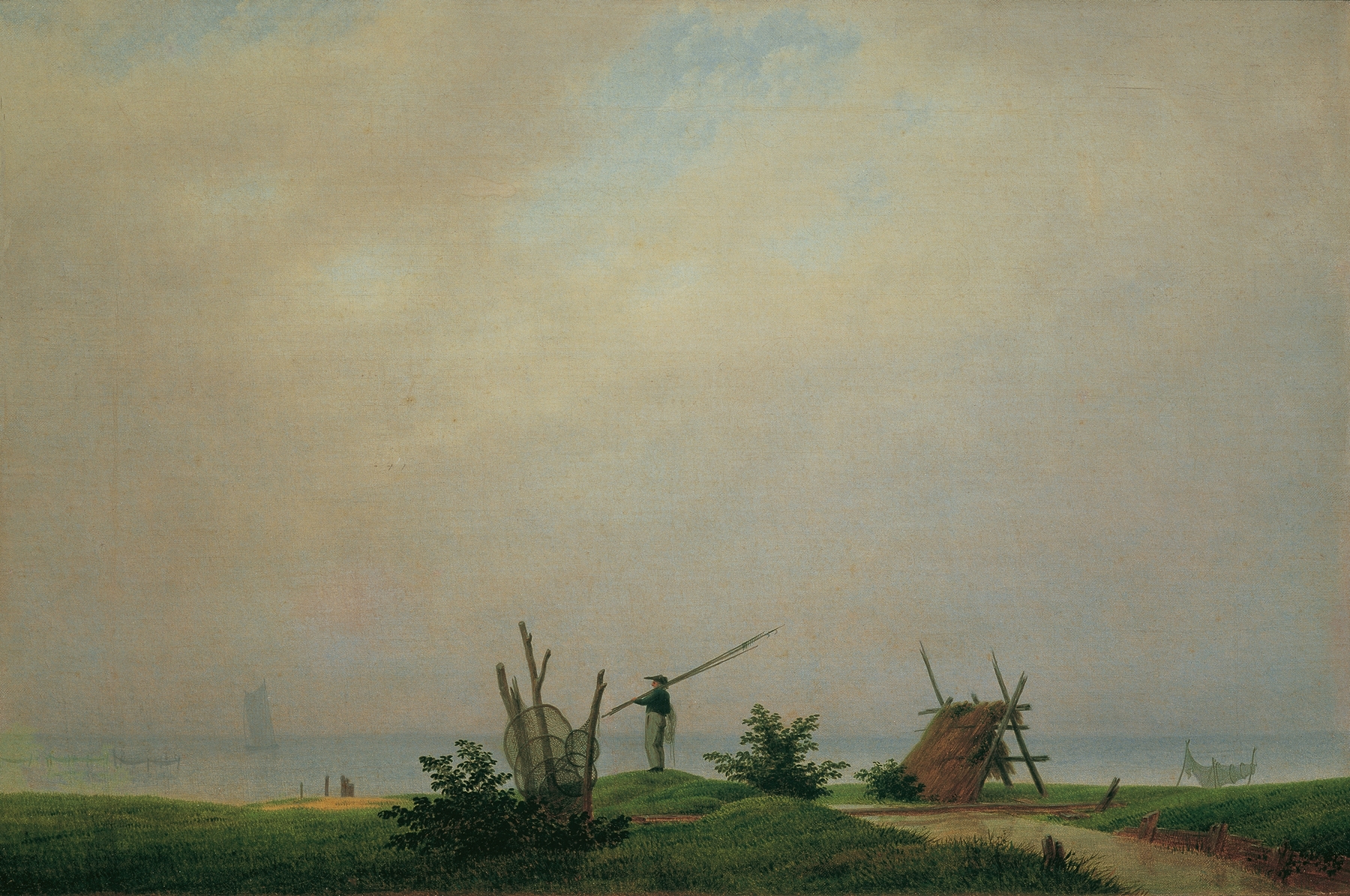
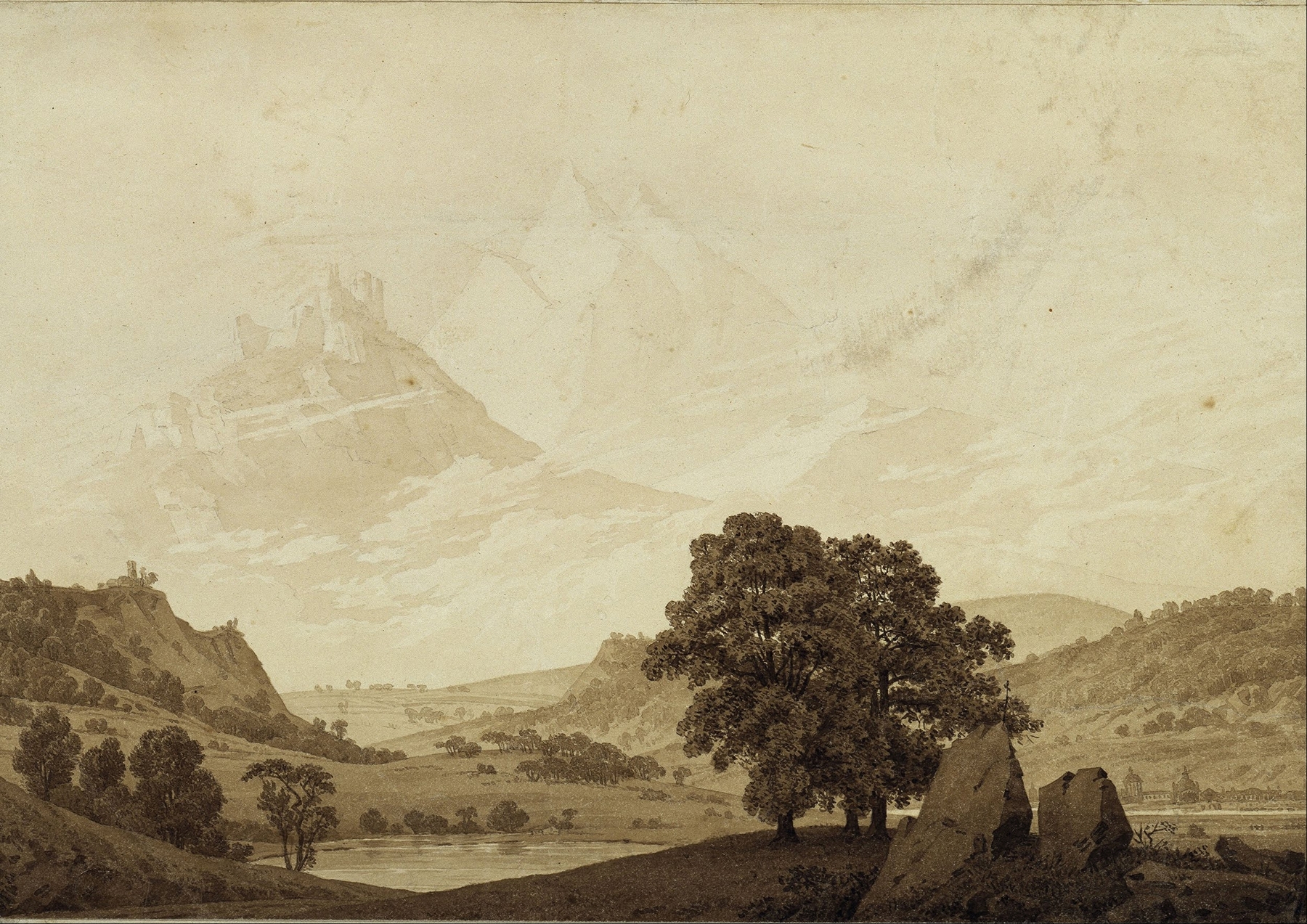
Can paint confess what words never could? In Autumn – Evening – Maturity, the essence of life’s transitions resonates in every brushstroke, inviting reflection on the void that accompanies change. Look to the left at the lonely tree, its branches stripped bare against a twilight sky. The muted palette of ochres and deep blues evokes a somber yet serene atmosphere, guiding the viewer’s gaze towards the horizon where the sun dips low, casting long shadows.
Each element is meticulously placed, creating a harmonious balance that feels both unsettling and tranquil, as if time itself is standing still. Within this landscape lies a profound juxtaposition: the vibrancy of autumn juxtaposed with the encroaching shadows of evening. The tree, a symbol of maturity, speaks to life's inevitable decline, while the fading light suggests an ending — a void that beckons introspection. The delicate interplay of light and dark encapsulates the emotional weight of this season, urging us to confront our own transitions and the emptiness that often accompanies them.
In 1803, Friedrich was deeply immersed in the Romantic movement, exploring themes of nature and introspection. Living in a time of personal struggle and societal change, he sought to express the sublime through his landscapes. This period marked a pivotal moment in art, as artists began to value emotion over strict realism, allowing works like this to resonate on a deeply personal level with viewers seeking solace in the beauty of nature and its cycles.