Back of the New Mills, Norwich — History & Analysis
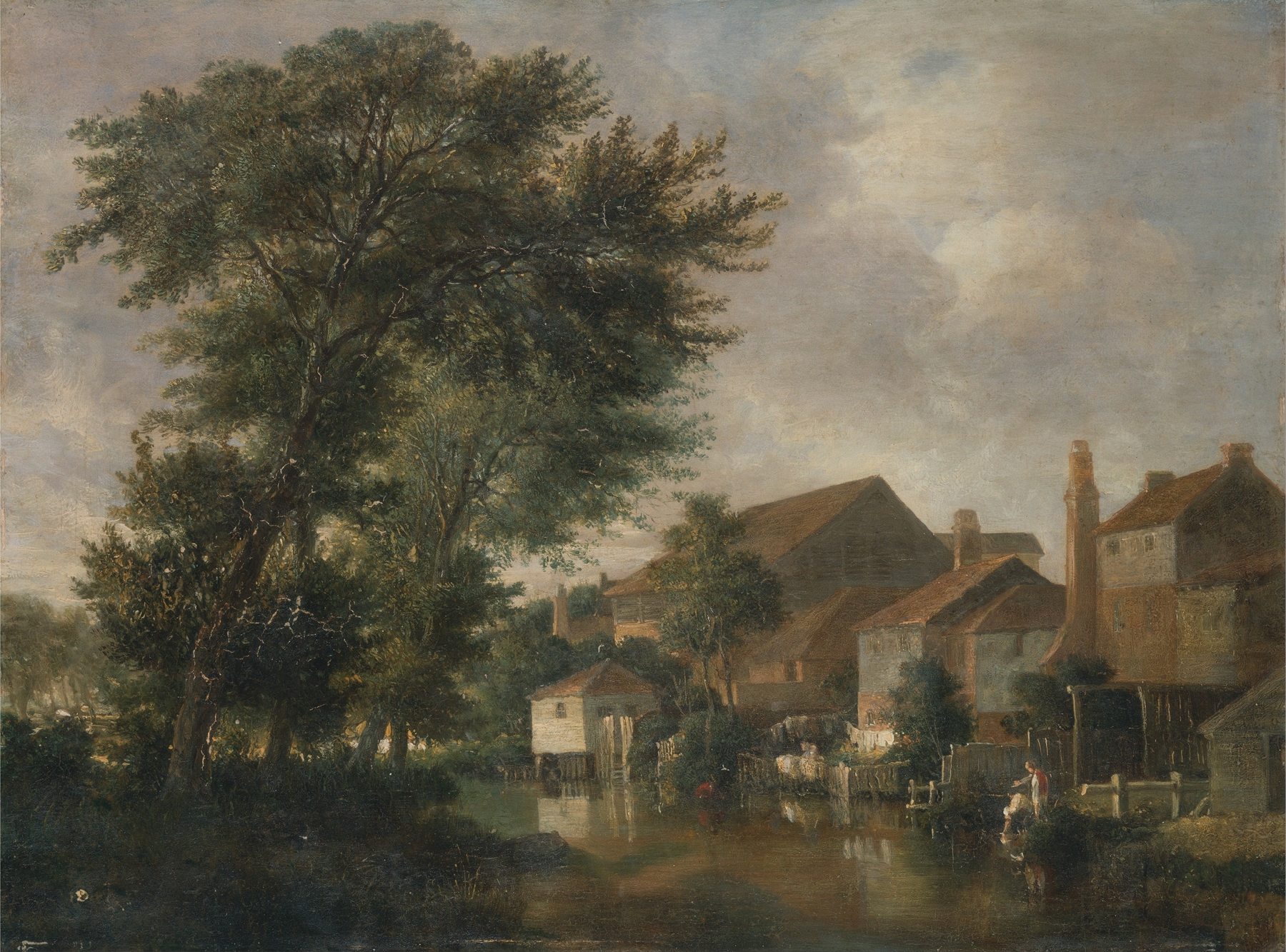
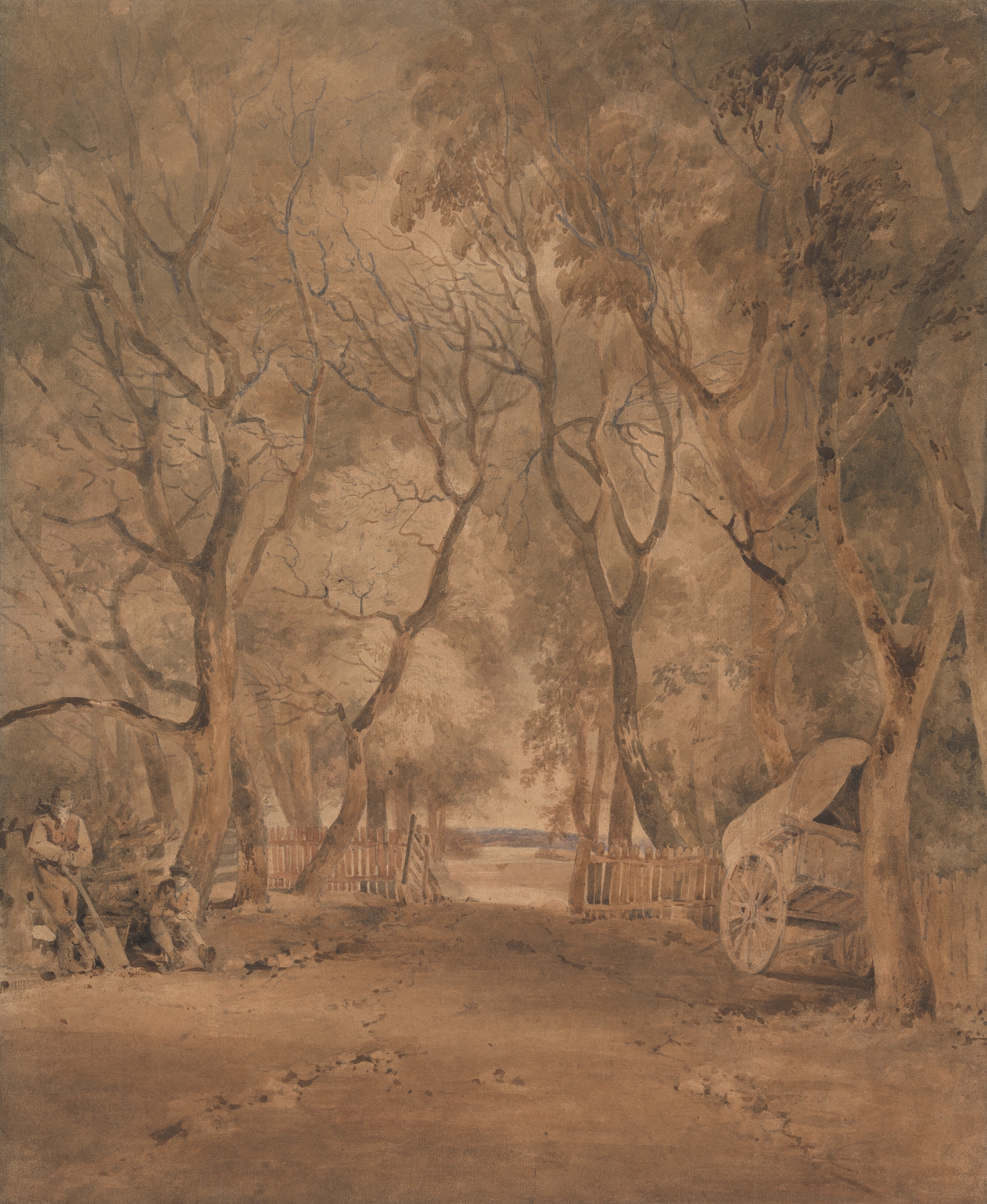
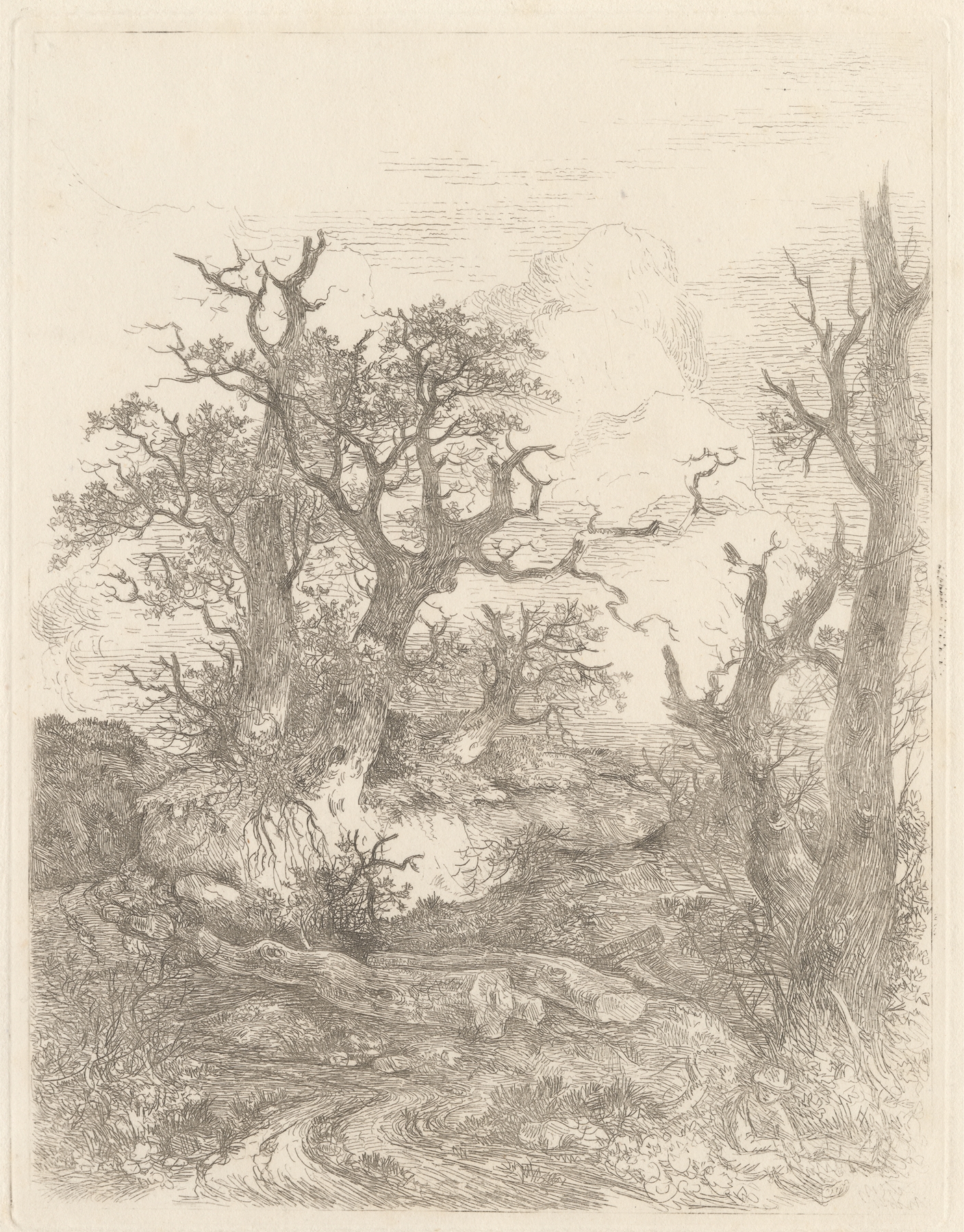
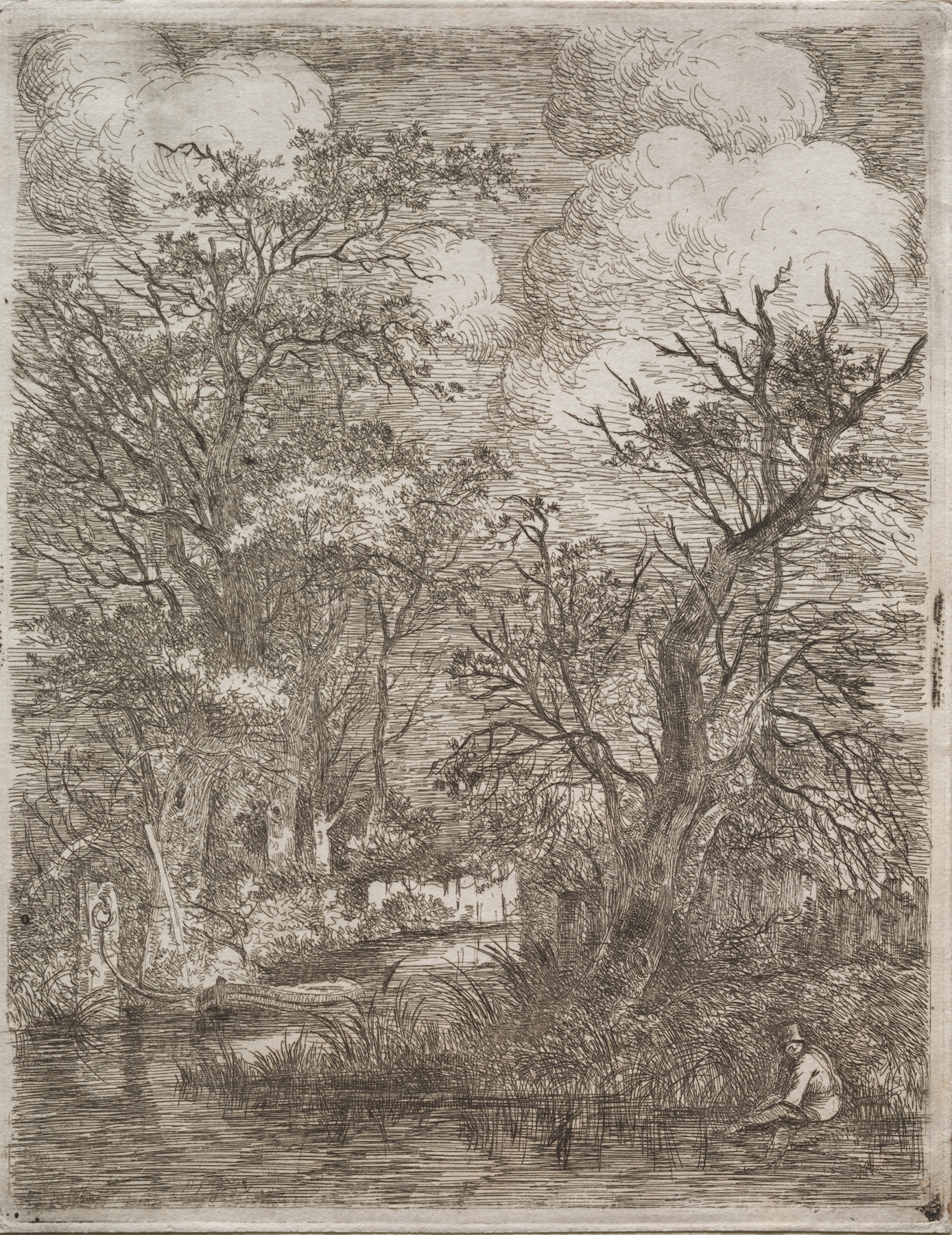
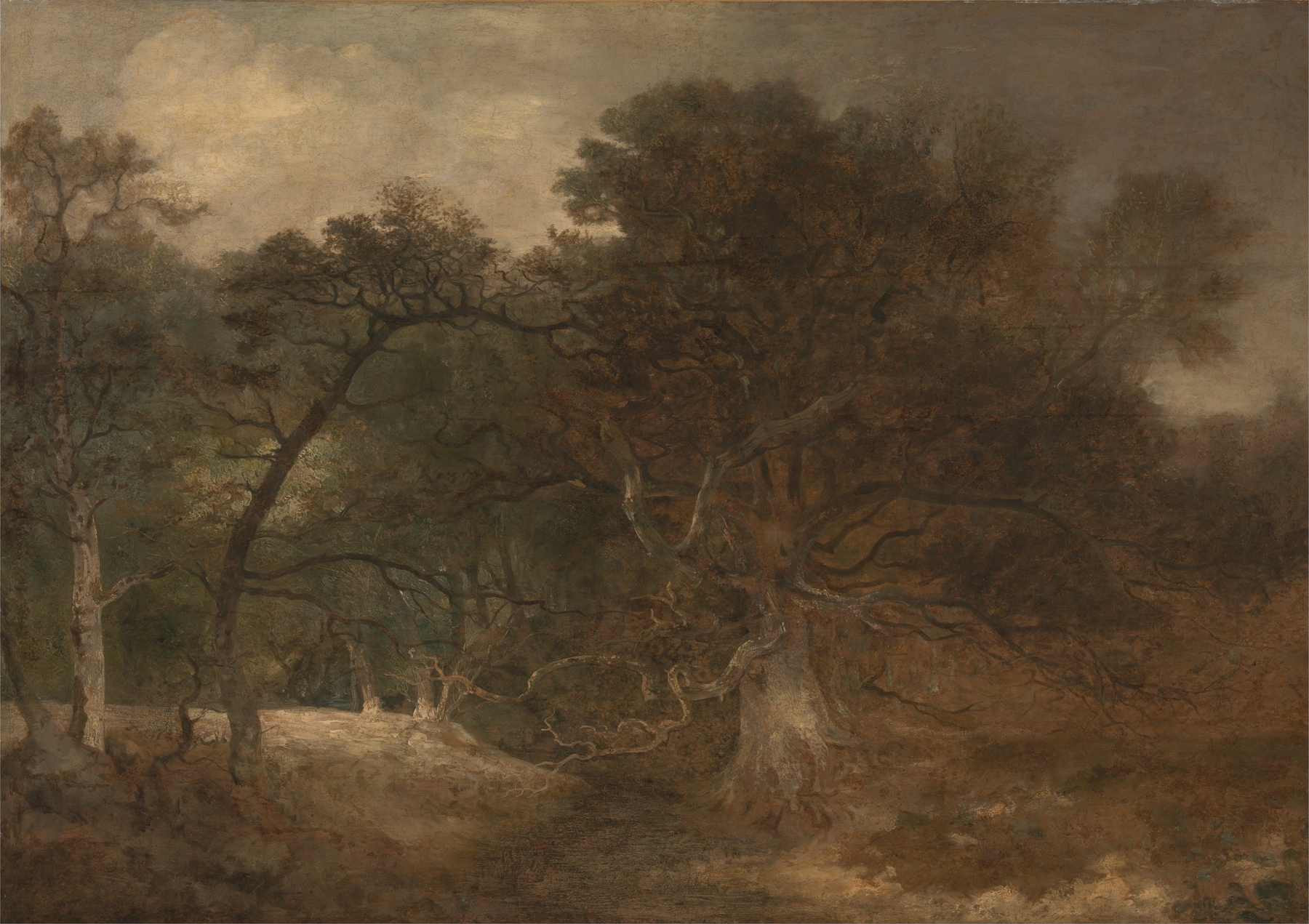
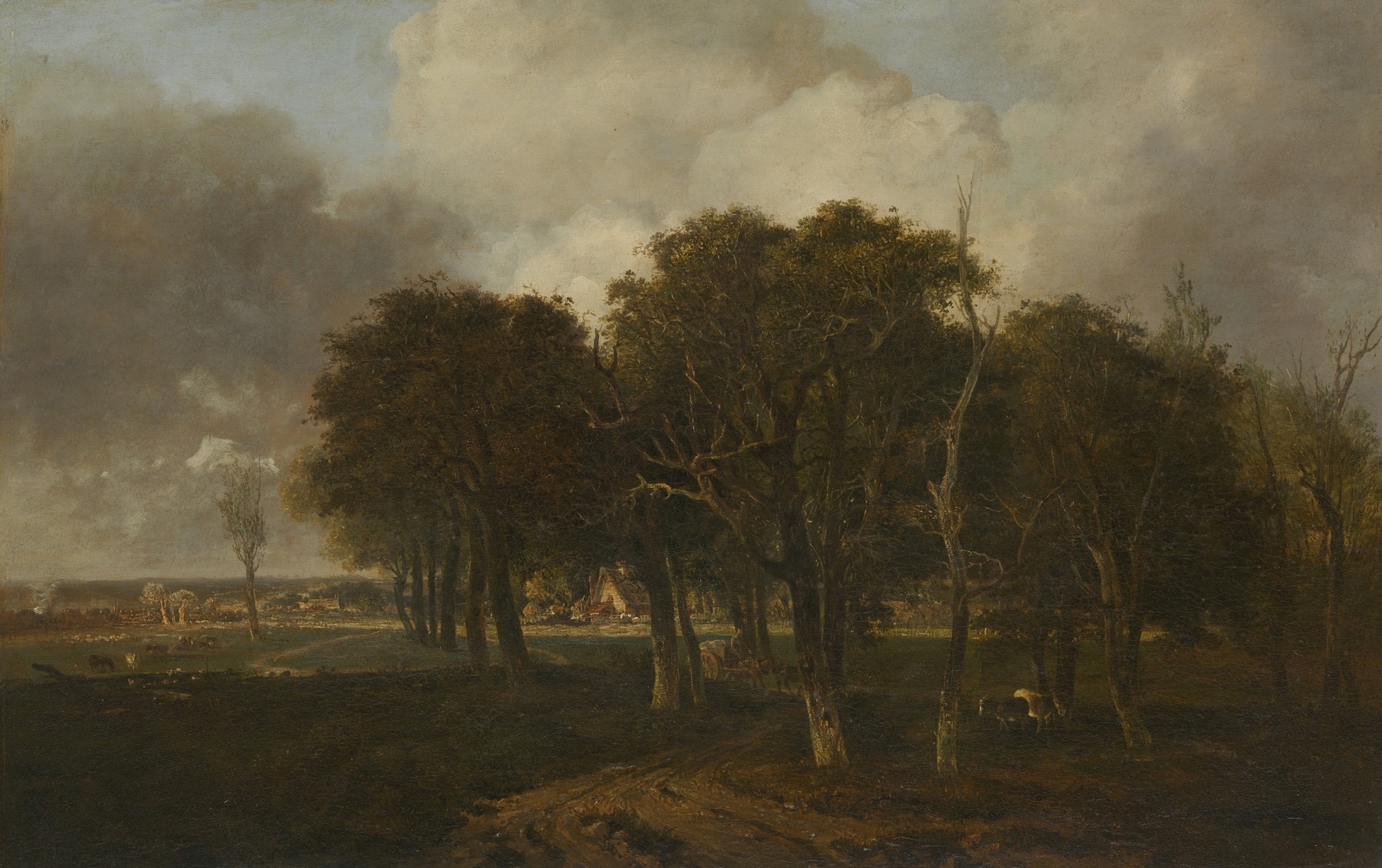
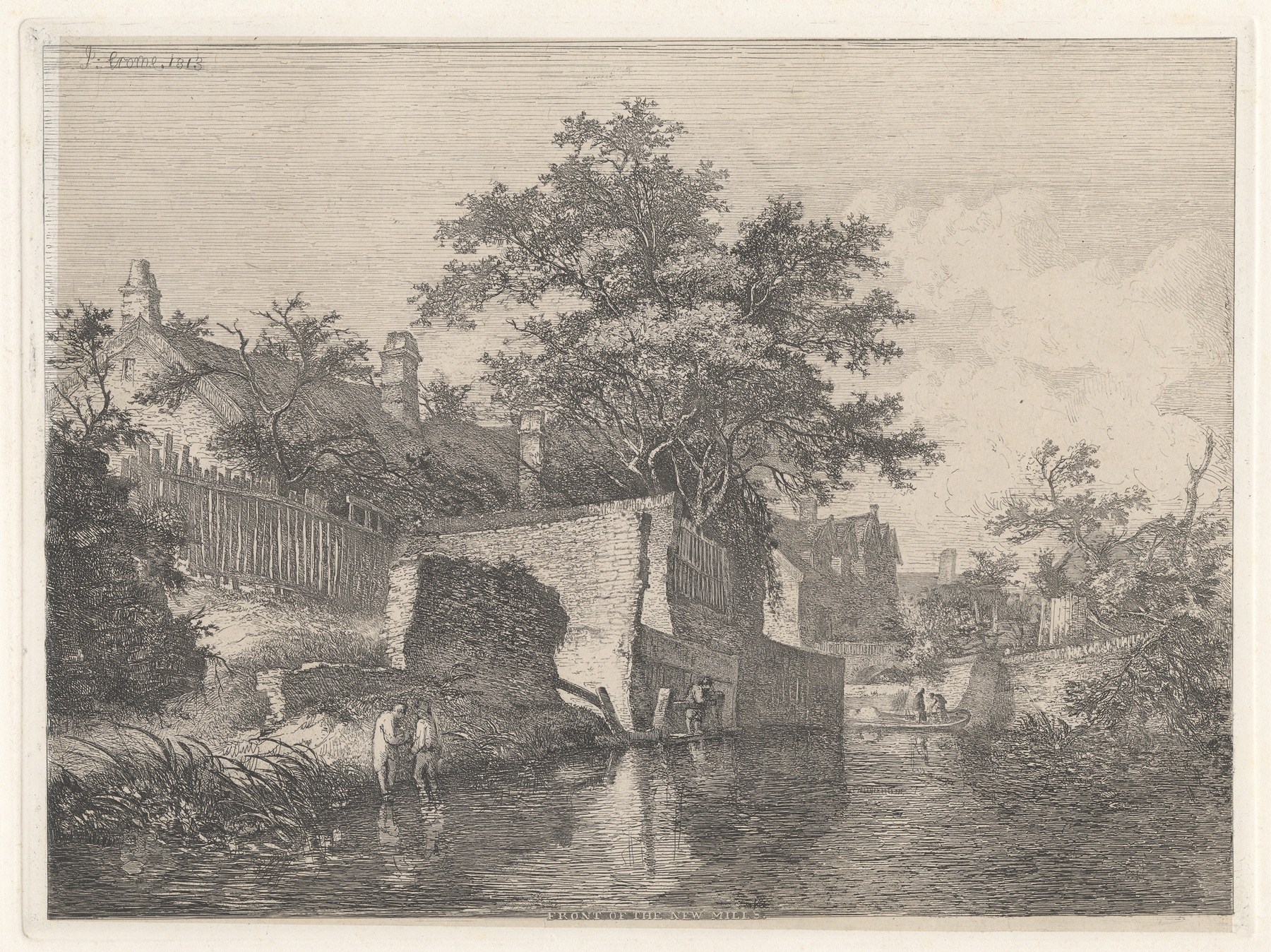
Did the painter know this moment would outlive them? In the quiet embrace of nature, serenity reigns, capturing the soul's longing for peace and reflection. Look to the foreground, where gentle greens and earthy browns blend seamlessly, guiding your gaze toward the soft meandering river. Notice how the light cascades through the leaves, illuminating the tranquil scene and creating a harmonious balance between shadow and sun.
The delicate brushwork invites you to linger, as distant cottages nestle into the landscape, their warm hues echoing the embrace of nature itself. Hidden within the layers of this landscape are feelings of nostalgia and a yearning for simplicity in a rapidly changing world. The juxtaposition of the serene water against the underlying agitation of urban expansion subtly conveys the tension between nature and the encroaching modernity of the early 19th century. Each blade of grass and ripple in the water speaks to the painter's deep connection to his surroundings, evoking an emotional response rooted in both beauty and loss.
Created in 1812, this work emerged during a time when Crome was firmly establishing himself as a leading figure in the Norwich School of painters. Amidst the industrial transformations that swept across England, he sought to capture the tranquil beauty of the English countryside. This painting reflects a moment of stillness in a life filled with change, offering viewers an enduring glimpse into the serenity he cherished.