Beach by a town with old tower and rampart — History & Analysis
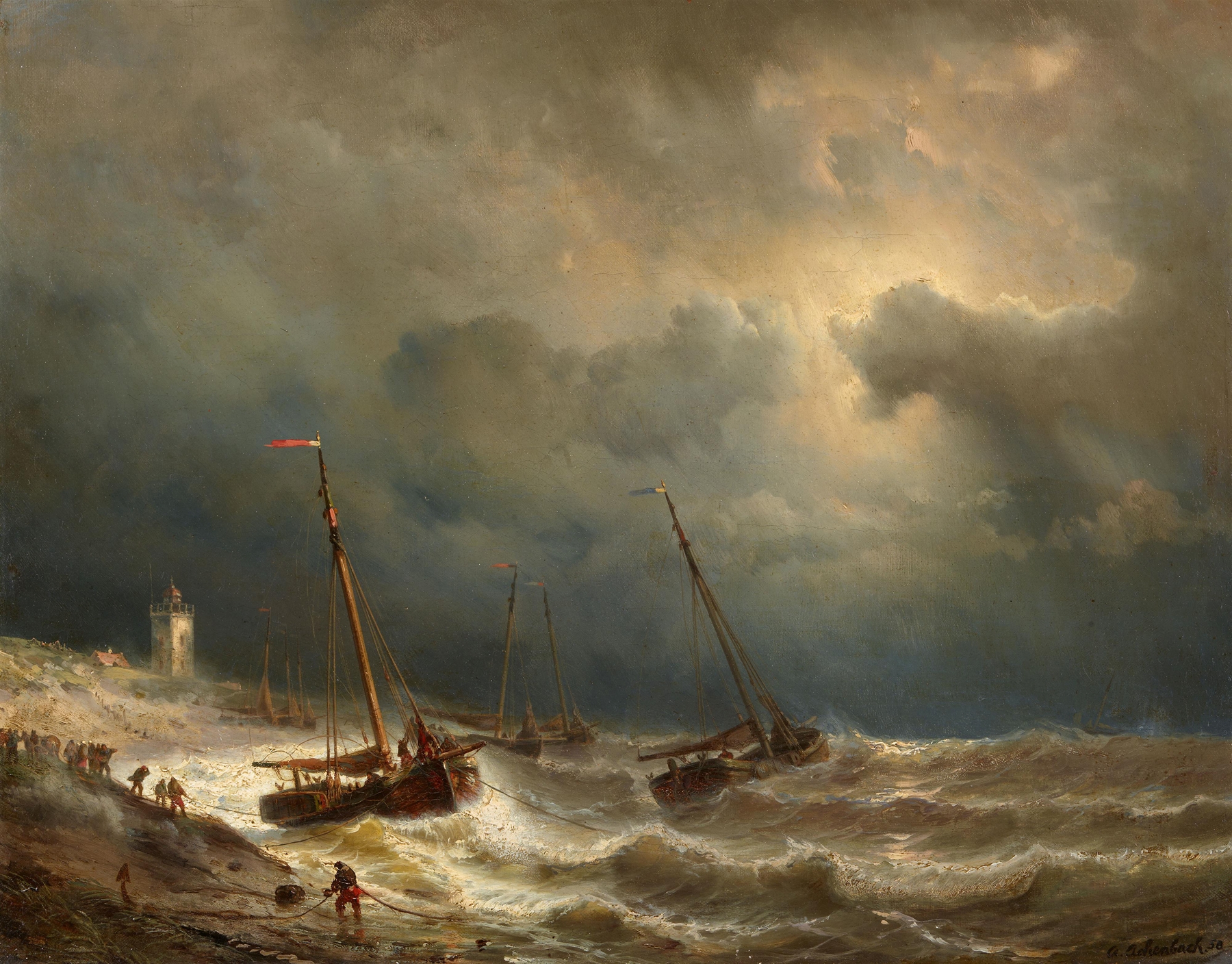
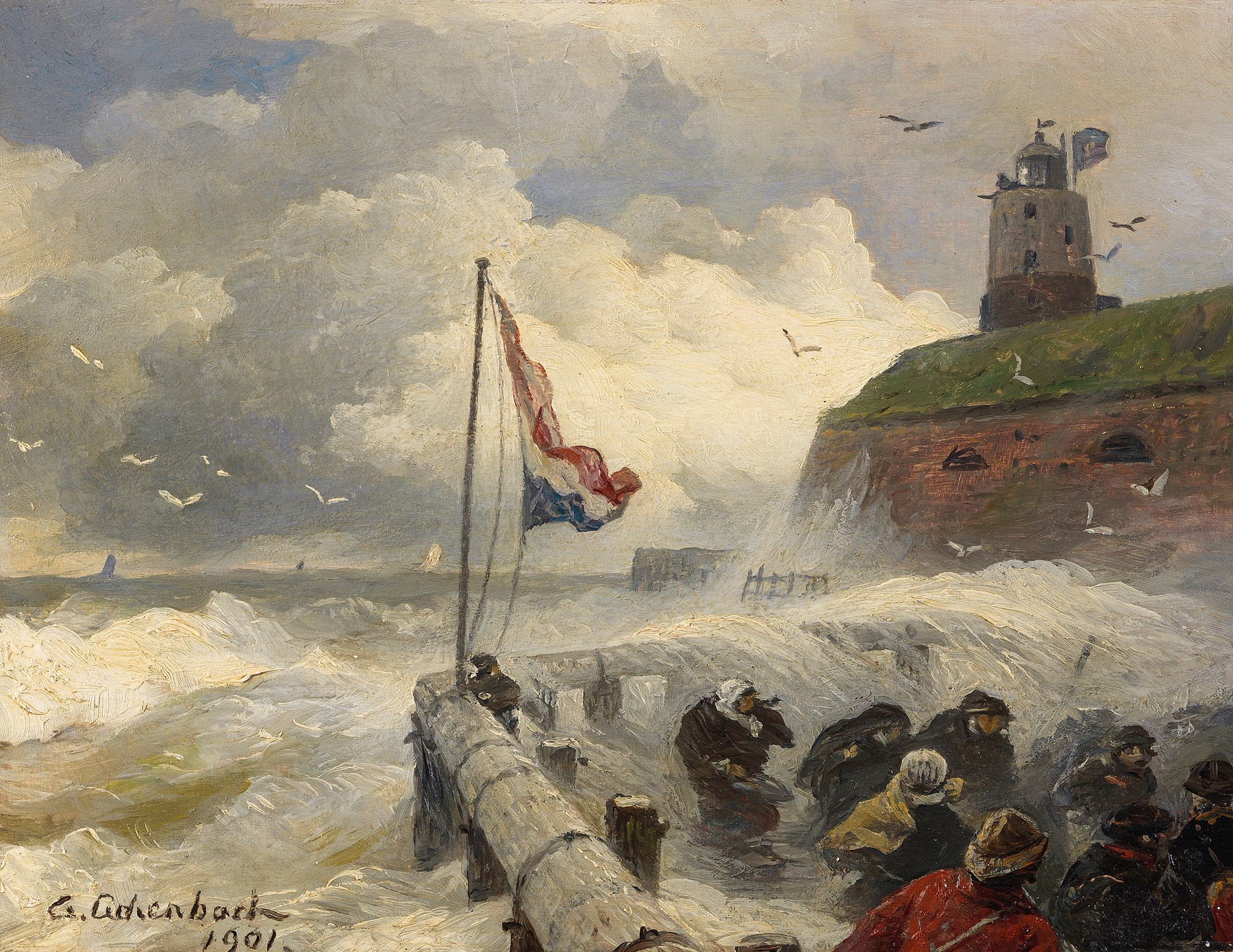
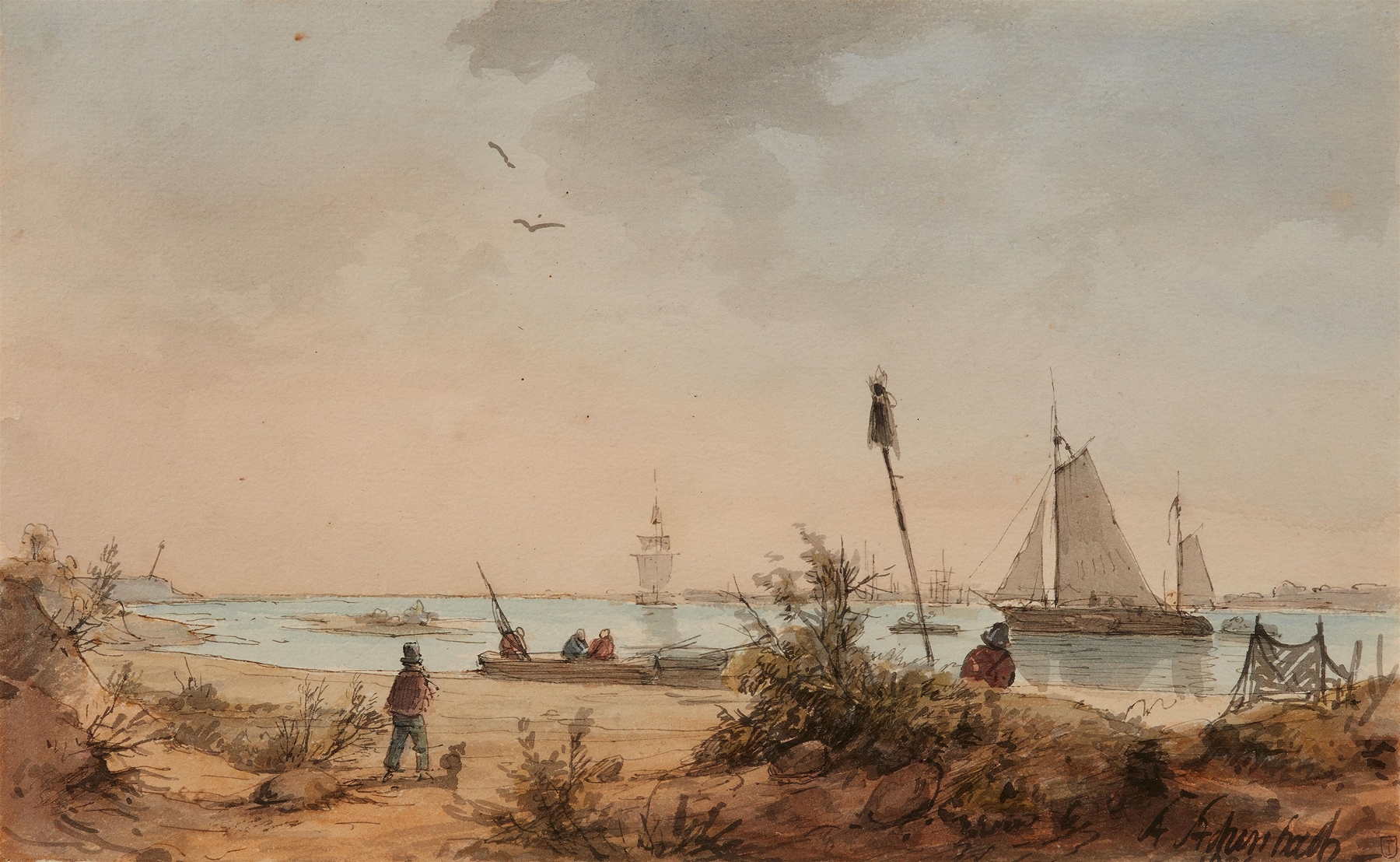
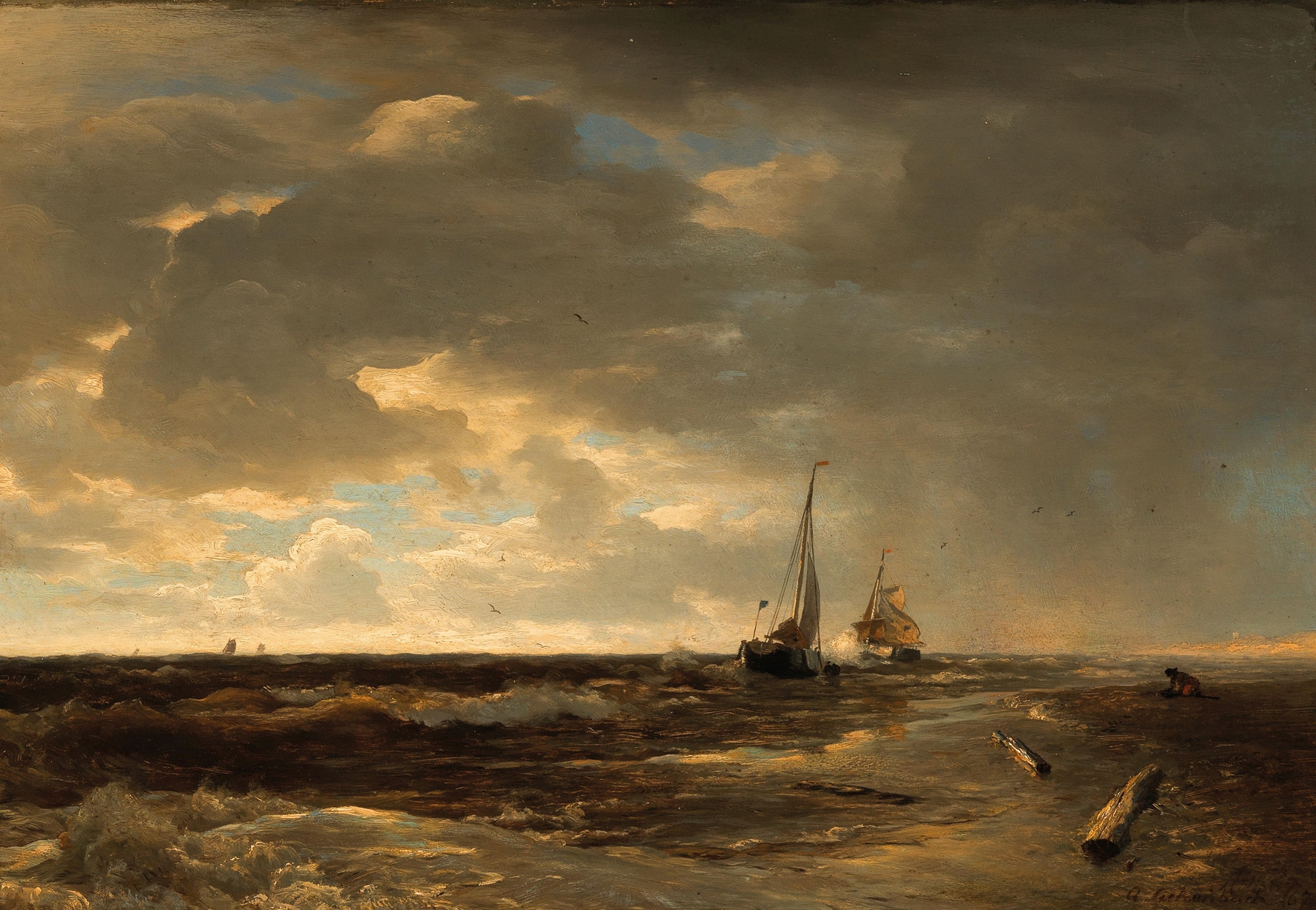
“Every silence here is a confession.” In the gentle embrace of twilight, where land meets sea, transformation looms like a delicate veil, whispering secrets of the past and future alike. Look to the left at the crumbling ramparts, their weathered stones telling a story of resilience and decay. The light, soft and melancholic, filters through the clouds, casting a warm glow on the beach, inviting both solace and reflection. The meticulous brushwork captures the gentle undulations of the waves, each stroke a testament to the artist's skill and devotion to harmonizing nature with architecture.
The town, with its old tower standing sentinel, anchors the scene, a reminder of time's passage against the serene backdrop of the sea. There is a poignant contrast present here: the vibrant life of the beach juxtaposed with the stillness of the rampart. The figures dotting the shoreline appear lost in their own worlds, absorbed in thought, while the tower looms overhead—a symbol of permanence in a landscape marked by change. This tension reveals the interplay between human existence and nature, hinting at the inevitability of transformation that accompanies both time and history.
Andreas Achenbach painted this work in 1876, a period marked by the artist’s mastery of landscape and his deep connection to the Romantic movement. Working in Germany during a time when industrialization was sweeping across Europe, he sought to evoke emotional responses through nature’s transient beauty, reflecting the broader existential questions of his era. In Beach by a town with old tower and rampart, Achenbach captures a moment of introspection, offering a glimpse into the soul of a world undergoing profound change.