Fishing Boats on a Choppy Sea — History & Analysis
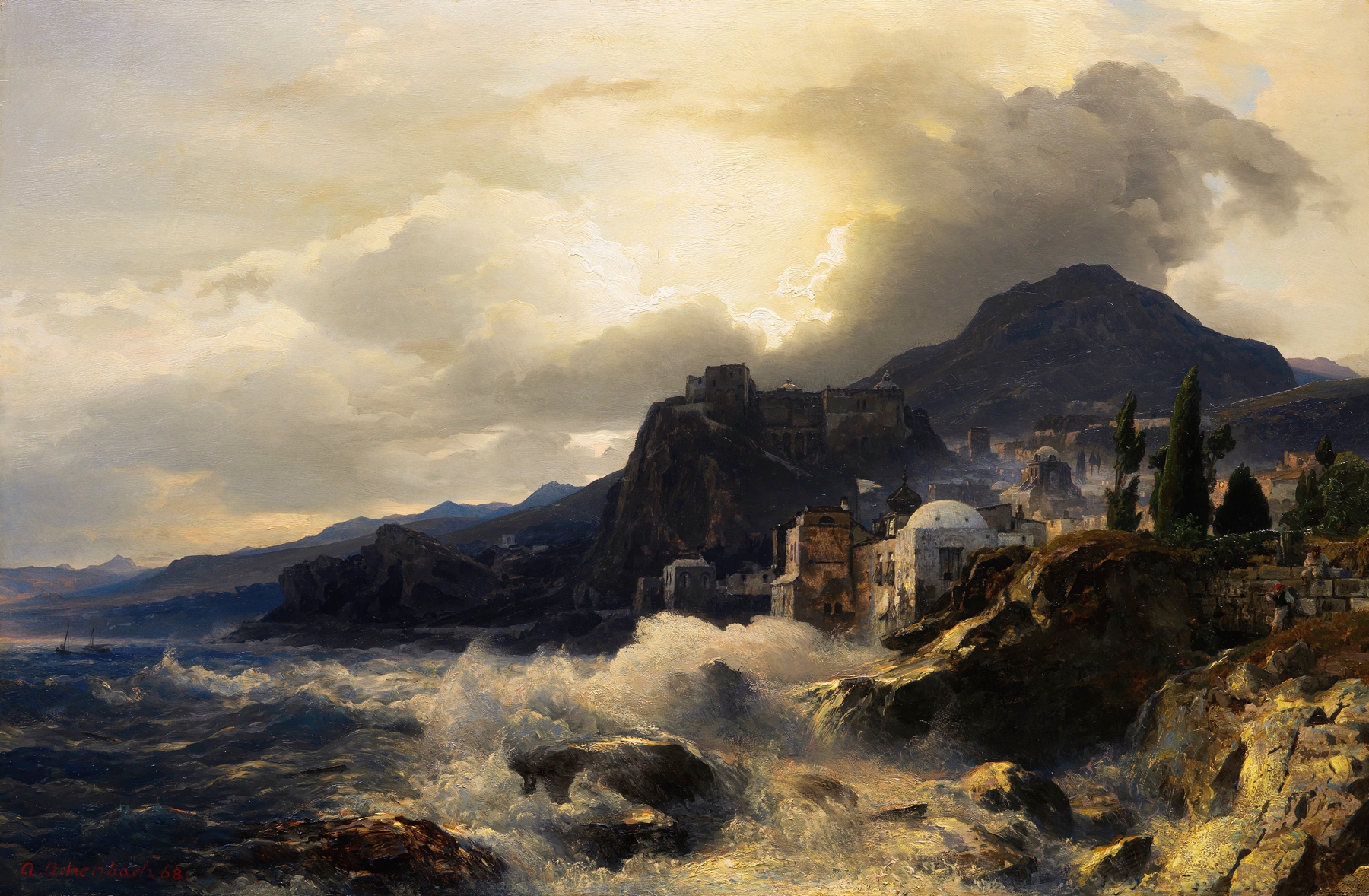
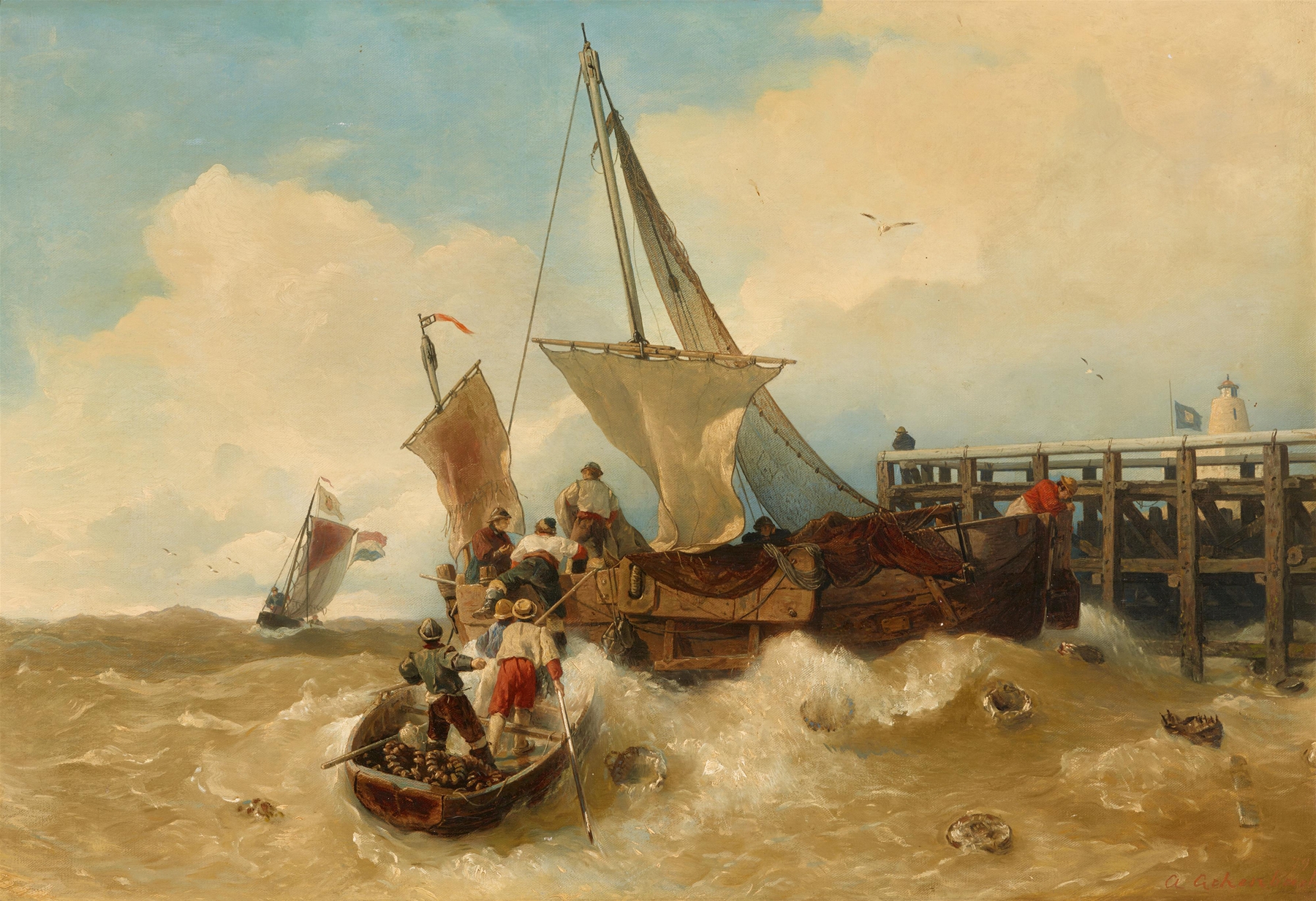
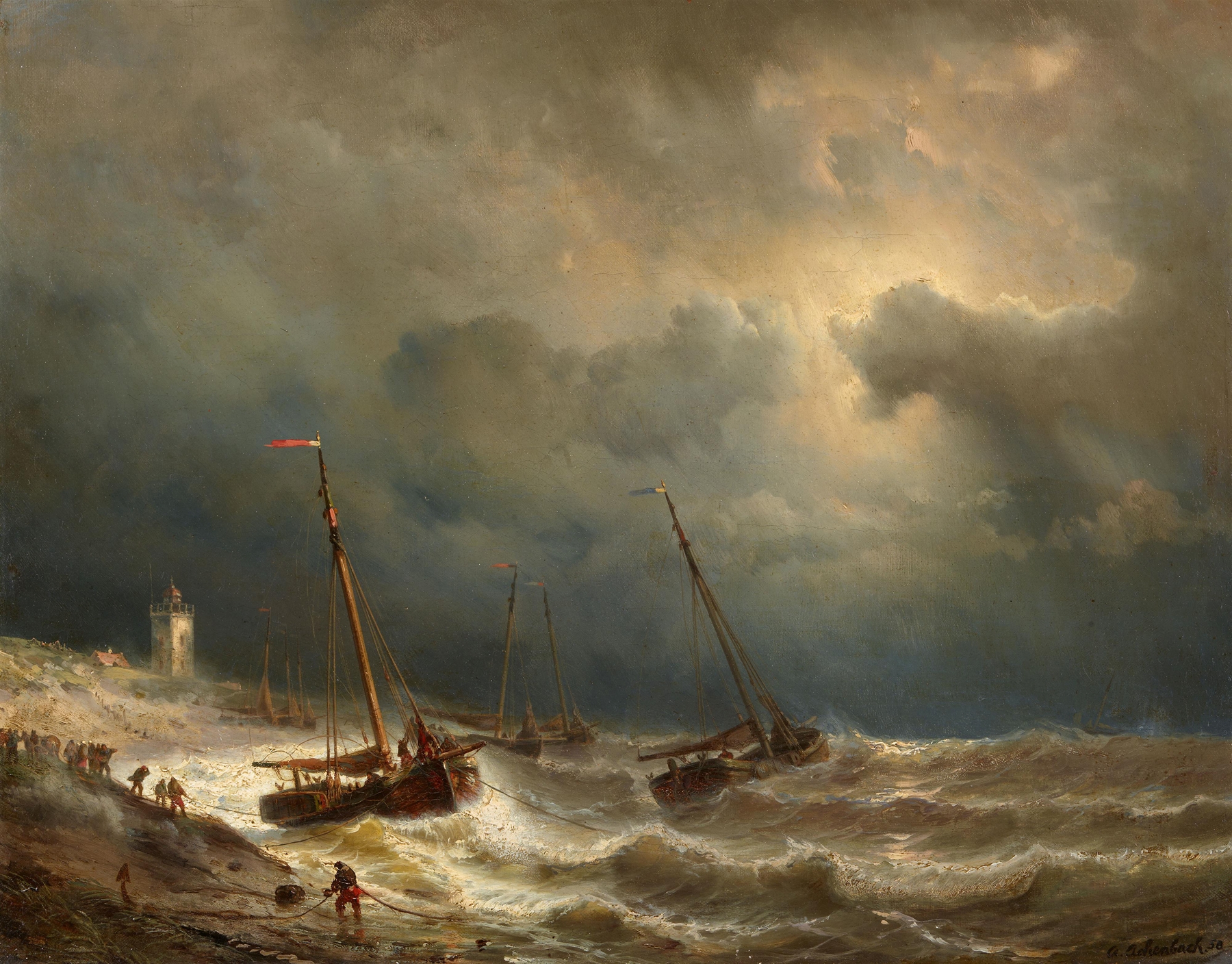
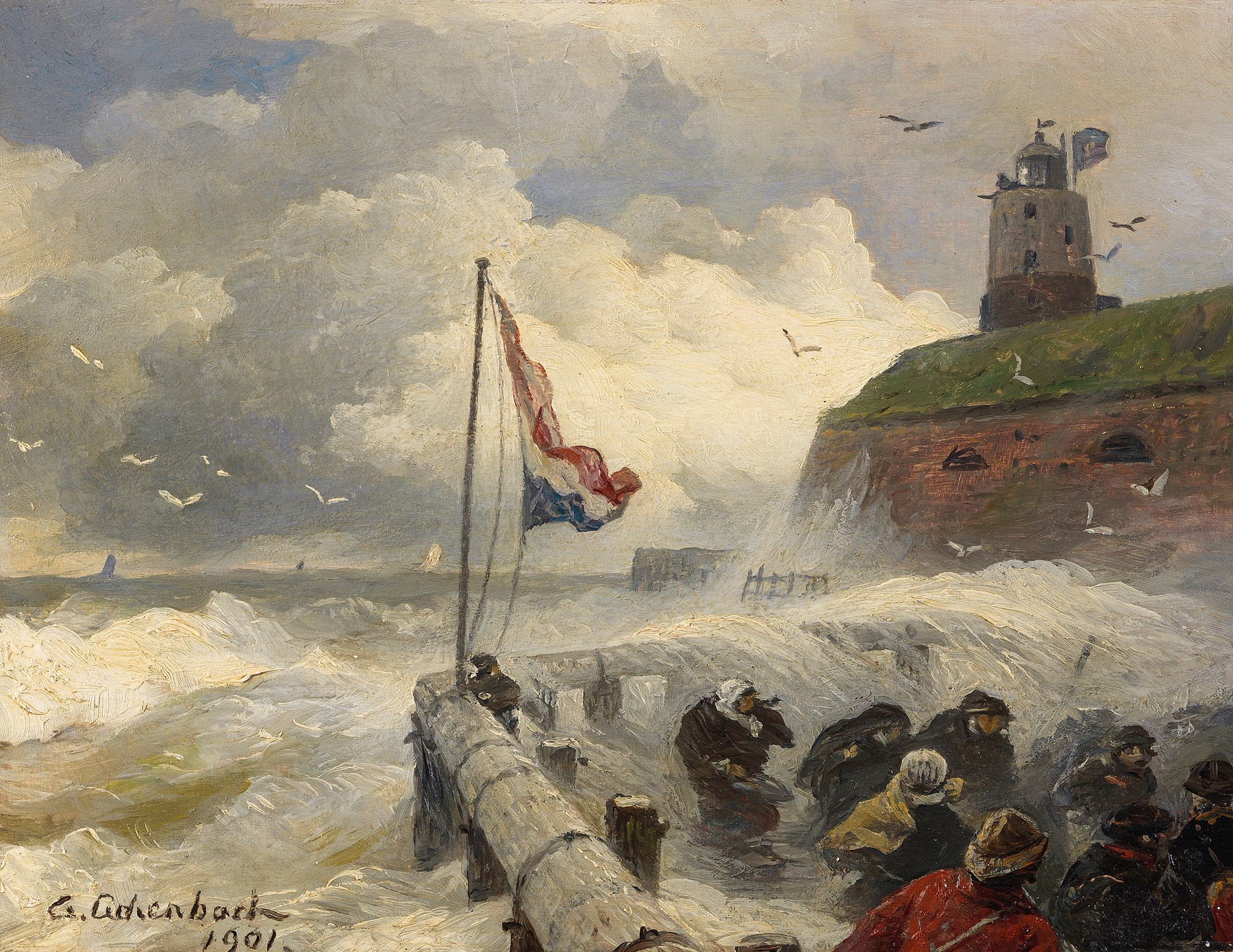
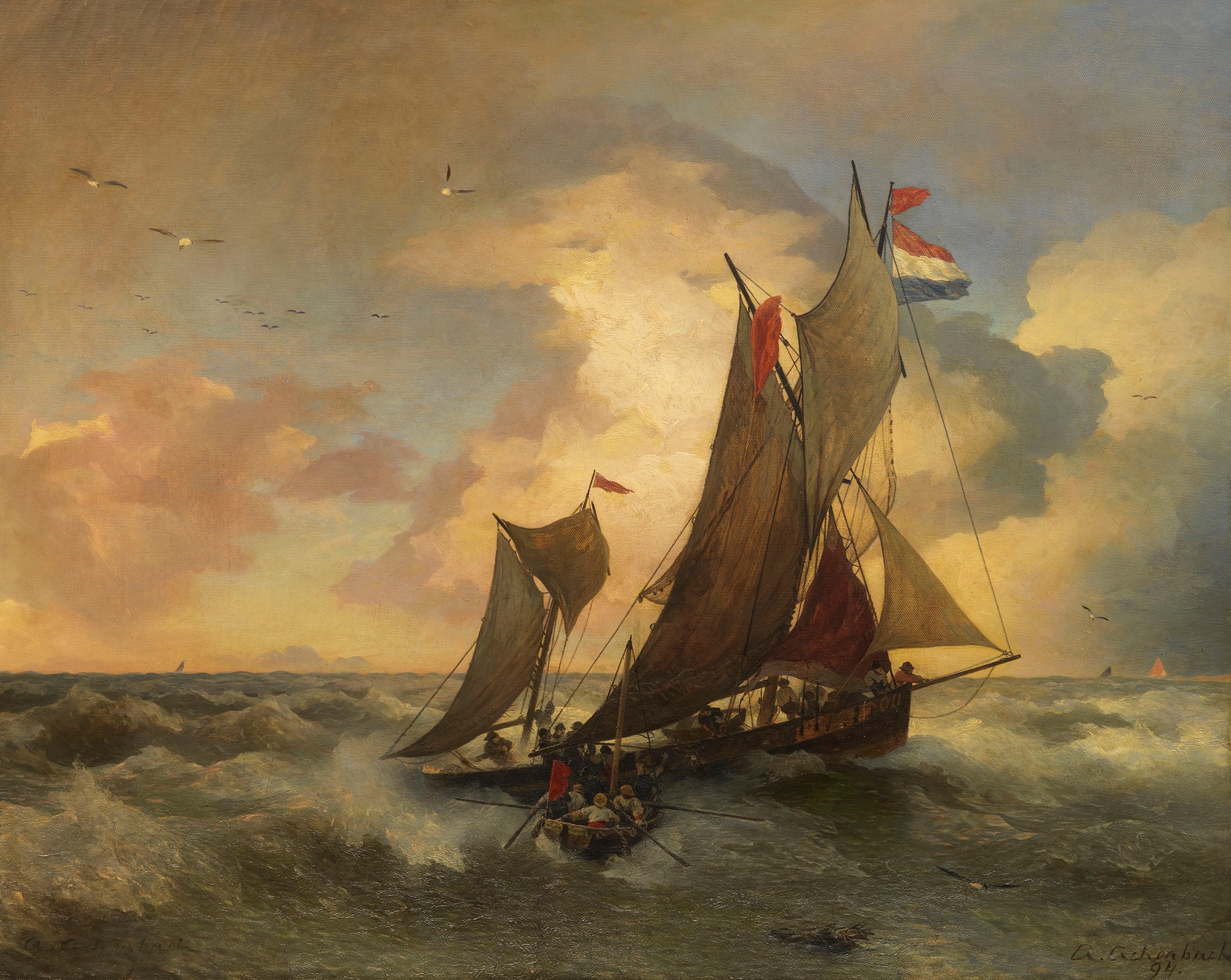
Can paint confess what words never could? In Fishing Boats on a Choppy Sea, the tumultuous waves mirror the inner turmoil of those who brave the waters, encapsulating the fear and uncertainty of existence. Look to the center of the canvas, where a cluster of fishing boats battles against the ferocious sea. Their sails, taut with wind, are alive, and the palette of dark blues and grays creates a palpable sense of foreboding.
Floating precariously, the boats seem dwarfed by the towering waves, while streaks of sunlight break through the clouds, illuminating moments of hope amid despair. The artist’s deft brushwork captures the chaotic movement of the sea, each stroke swirling with emotion. Beneath the surface, the painting reveals deeper tensions: the struggle for survival against nature's indifference, and the fleeting balance between hope and fear. The contrast between the dark, churning waters and the fleeting rays of light emphasizes the precariousness of life for the fishermen.
Each boat is a testament to courage, yet they are surrounded by an unrelenting environment that hints at an inevitable confrontation with fate. In 1867, Andreas Achenbach painted this work during a period of profound change in the art world, as Romanticism was giving way to Realism. Living in Düsseldorf, he was influenced by the dramatic landscapes and emotional depth characteristic of his era. The fears of the time, from political unrest to industrial expansion, find a voice in this piece, reflecting both the external struggles of nature and the internal battles faced by humanity.